





Chinese Brass Figures
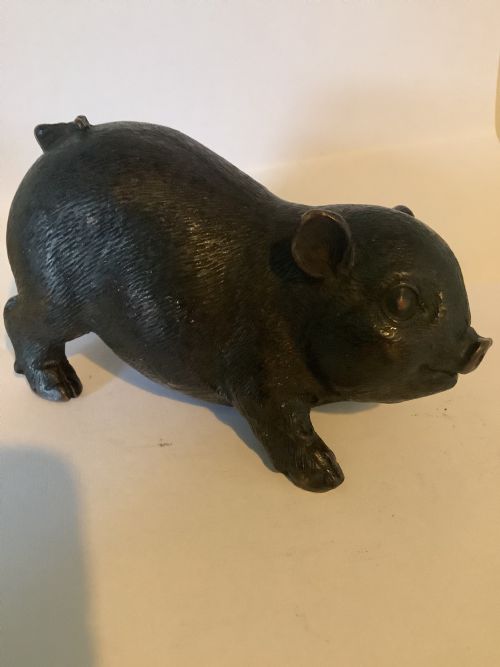
Chinese brass figures are metal decorative works of art capturing traditional forms, offering buyers distinct historic character for interior display.
Chinese Brass Figures
Chinese brass figures encompass sculptural metalwork spanning from the nineteenth century into the early twentieth century. Buyers seeking chinese brass figures will discover various animal forms, religious statues, and decorative metal objects originating from multiple periods.
The selection ranges from large bronze horses and temple lions to small scroll weights and dragon figures. These pieces reflect diverse aesthetics including Qing dynasty traditions, imperial styles, and Sino-Tibetan influences.
How they were made
Metalworking techniques rely heavily on casting, utilising copper alloy mixtures of brass and bronze alongside gilt metal enhancements. Artisans shaped these materials into detailed statues, animals, and temple bells with specific surface finishes.
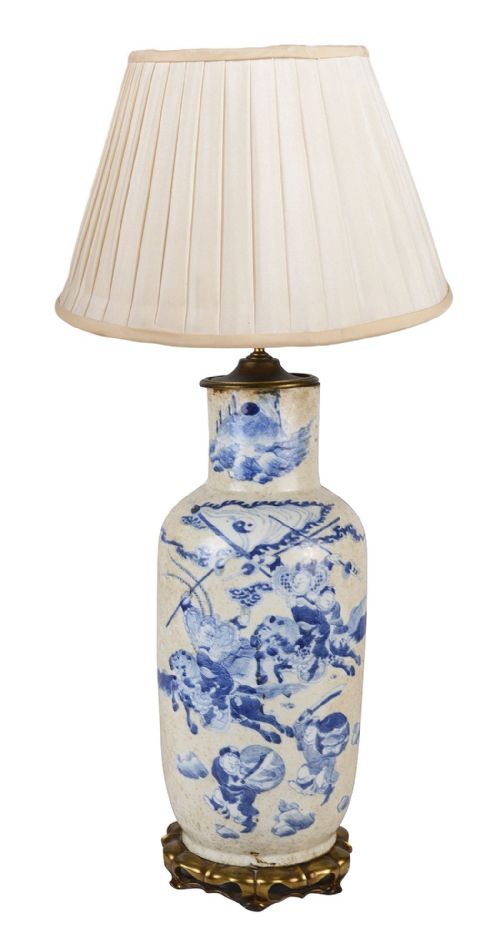
Some works incorporate supplementary materials such as cloisonné enamel work, porcelain, lacquer, and silk elements to complement the metallic foundation. These combined methods created textured surfaces across lamps, plates, and figurines.
Chinese Brass Figures Retail Price Guide 2026
Typical asking prices for chinese brass figures among the pieces listed under this phrase on Sellingantiques today, from the lower quarter to the upper quarter. They describe what is for sale here now, not the wider market.
A heavy bronze toad sits ready to hoard imaginary wealth across your desk.
What varies in quality
The integrity of applied finishes, such as gilt highlights or enamel work, contributes significantly to the visual depth of an object. Heavier, more substantial metal weights generally indicate superior material density.
The Chinese Brass Figures Glossary
- Qing Dynasty
- The final imperial dynasty of China lasting from the seventeenth to the early twentieth century. Many decorative arts and metal figures originate from or emulate the aesthetic of this era.
- Cloisonné
- An ancient technique for decorating metalwork objects with coloured material held in place by thin metal strips. Artisans soldered wire partitions to a metal body to create compartmentalised enamel designs.
- Gilt Bronze
- Bronze metal that has been coated with a thin layer of gold or gold leaf. This method provides a rich metallic lustre to statues, lions, and religious figures.
- Sino-Tibetan
- A stylistic crossover reflecting artistic traditions shared between Chinese and Tibetan cultures. This style frequently appears in religious sculptures and temple bronzes.
- Famille Rose
- A prominent palette of opaque enamel colours introduced during the Qing dynasty. Pieces utilising this palette feature predominantly pink hues alongside other pastel shades.
Chinese Brass Figures: Frequently Asked Questions
How old are these figures?
Most pieces date from the nineteenth century through the early decades of the twentieth century. Production periods often align with late imperial styles and early modern decorative trends.
Specific dating relies on material characteristics, casting techniques, and stylistic markers associated with periods like the Qing dynasty or early twentieth-century workshops.
How were temple lions used?
Temple lions traditionally served as symbolic guardians protecting sacred spaces, palaces, and homes. Pairs were typically placed at entrances to ward off negative influences.
In domestic settings, smaller sculptural versions function as decorative mantel or table ornaments carrying traditional symbolic protection.
What is a money toad statue?
A money toad is a traditional Chinese symbol associated with prosperity, wealth attraction, and good fortune. These statues often depict a three-legged toad resting on a pile of coins.
Collectors prize these figures for their cultural symbolism and detailed metal casting, placing them in studies or living spaces.
How do I clean brass figures?
Cleaning requires gentle dusting with a soft, dry cloth to prevent accumulation without disturbing the metal surface. Avoid harsh chemical polishes that can strip patinas or damage delicate gilt and enamel details.
Preserving the natural ageing of the metal maintains the historic character and visual depth of the antique.