

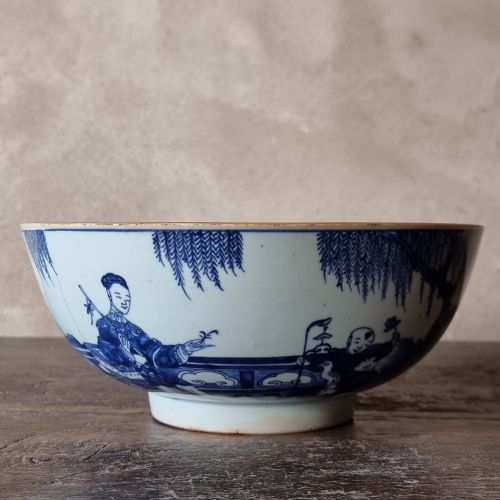
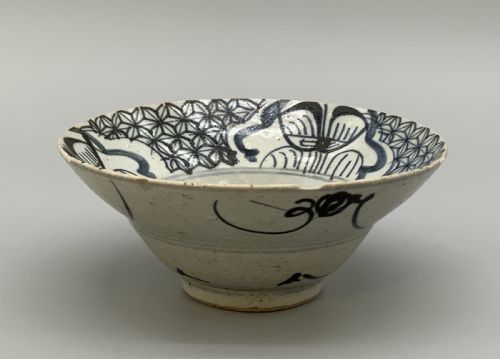


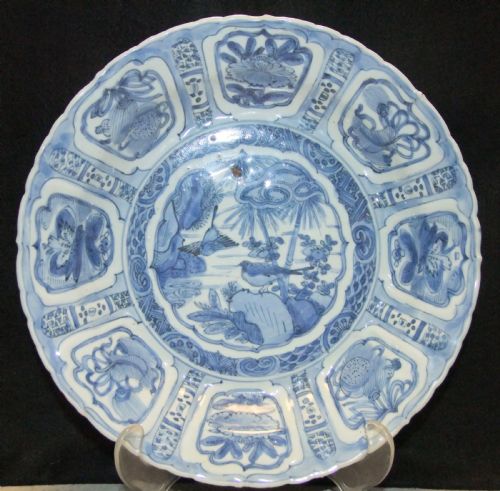

Chinese Blue Bowl
A chinese blue bowl brings centuries of cobalt pigment and porcelain tradition directly to the table.
Chinese Blue Bowl
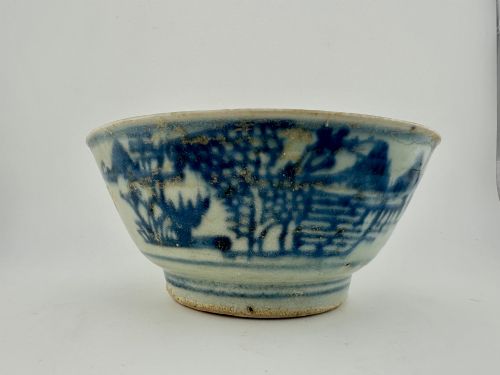
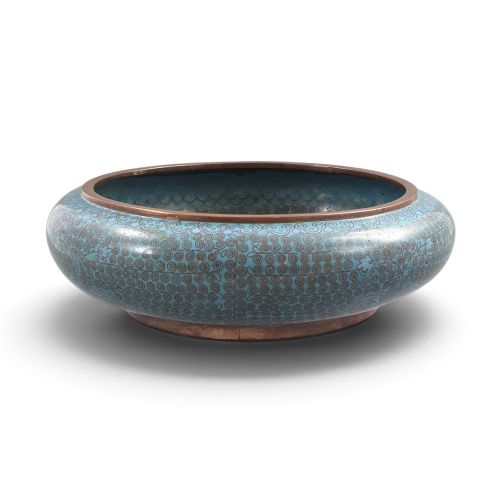
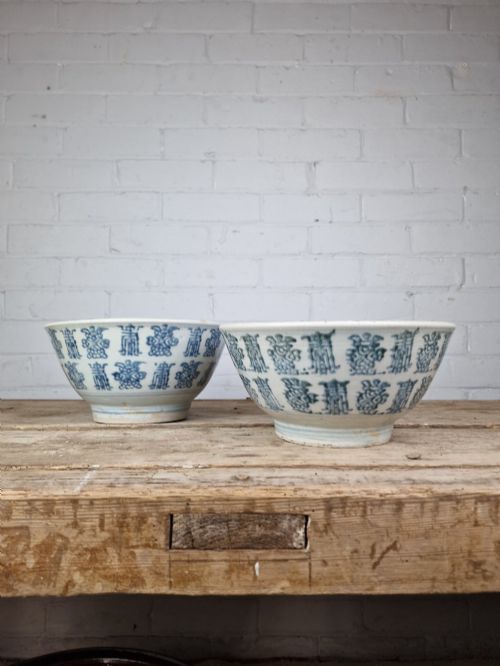
A chinese blue bowl encompasses utilitarian vessels, large punch bowls, and heavy garden seats originating from periods such as the Ming Dynasty, Qing Dynasty, and the Kangxi period.
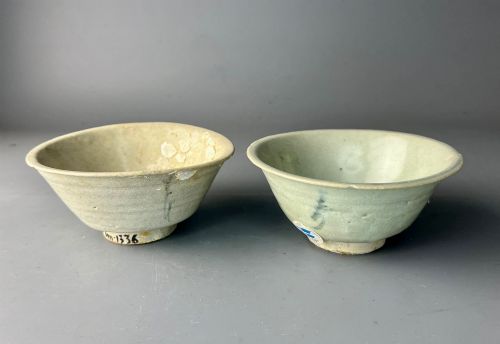
The pieces appearing on this page range from provincial cargo ware recovered from shipwrecks to imperial dragon vessels made for court use.
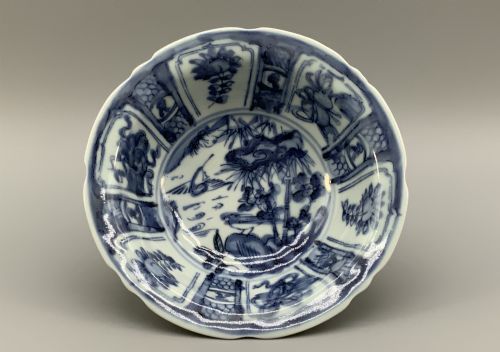
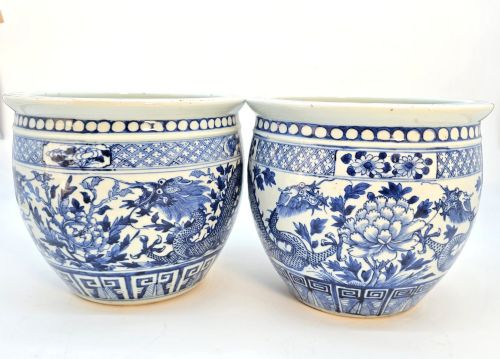
Buyers will encounter forms varying from delicate lobed tea wares and stem cups to robust jardinières and deep saucers decorated with cobalt underglaze.
How they were made
Potters shaped fine porcelain or bronze and applied cobalt pigment beneath a clear glaze before firing the pieces at high temperatures.
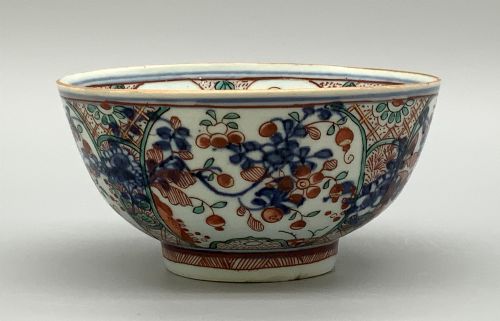
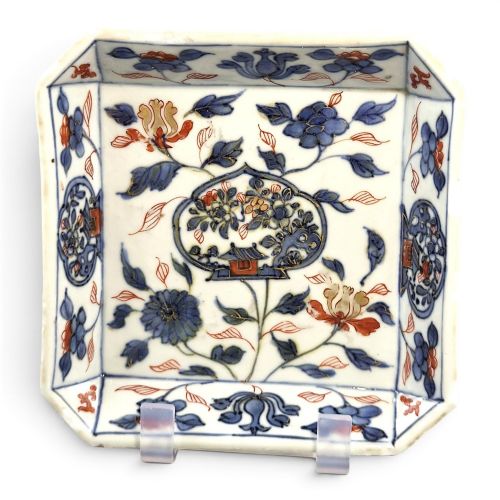
Some works incorporate cloisonné enamel wirework or imari palettes alongside the primary cobalt blue glaze to add colour and texture.
Cargo pieces and export wares reflect the standard kiln output of their respective centuries, shaped by hand and painted with motifs such as dragons, phoenixes, and scholars.
Chinese Blue Bowl Retail Price Guide 2026
Typical asking prices for chinese blue bowl among the pieces listed under this phrase on Sellingantiques today, from the lower quarter to the upper quarter. They describe what is for sale here now, not the wider market.
Listings feature porcelain, bronze, and enamel materials spanning the Ming Dynasty, Qing Dynasty, and Georgian eras.
What varies in quality
The clarity and depth of the cobalt underglaze separate standard export items from finer imperial examples.
Precision in the hand-painted motifs, whether depicting five-claw dragons or simple floral sprays, dictates the artistic merit of each vessel.
Condition and historical provenance, such as cargo recovery documentation or reign marks, elevate certain bowls above standard decorative pieces.
The Chinese Blue Bowl Glossary
- Cobalt Underglaze
- A blue pigment applied to porcelain bodies before glazing and firing, which absorbs the glassy top layer to create a permanent cobalt hue.
- Kangxi Period
- A phase of Qing Dynasty rule lasting from the seventeenth to early eighteenth century noted for vibrant blue and white porcelain production.
- Jardinière
- A large decorative pot or bowl used to hold growing plants or flowers rather than serving food or liquids.
- Doucai
- A decorative technique combining underglaze blue outlines with overglaze enamels filled into the compartmentalised spaces.
- Imari
- A style of porcelain decorated in underglaze blue, iron red, and gilt, drawing on Japanese export aesthetics adopted by Chinese kilns.
Chinese Blue Bowl: Frequently Asked Questions
How do I date a blue bowl?
Dating relies on examining the painting style, clay body characteristics, and any reign marks stamped on the base. Comparing the cobalt blue tone against known period standards provides further clues.
Changes in export patterns across the Ming and Qing dynasties also help narrow down the decade of manufacture.
Can I use these bowls daily?
Many antique porcelain vessels remain structurally sound for holding dry items or light display. Older cargo pieces and fragile enamelled surfaces deserve more cautious handling.
Gentle washing by hand preserves the integrity of the glaze and any delicate painted motifs over time.
What is cargo porcelain?
Cargo porcelain refers to wares salvaged from historical shipwreck sites, often preserved in marine environments for centuries. These pieces frequently carry specific auction or salvage labels.
Their surfaces sometimes show minor sea wear while retaining the original cobalt decoration intact beneath the glaze.
Are reign marks always genuine?
Reign marks painted on the base often honour an earlier emperor rather than indicating the exact manufacturing date. Potters frequently added past dynastic marks out of respect for historical quality.
Evaluating the surrounding clay body and painting technique matters more than reading the bottom mark alone.