
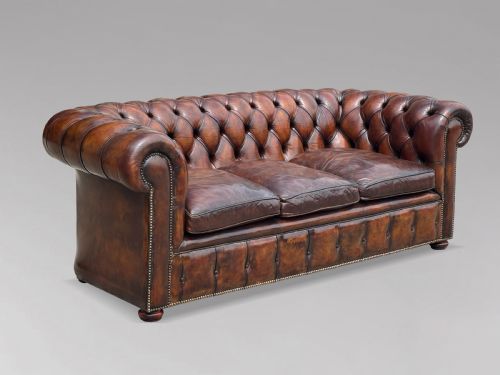

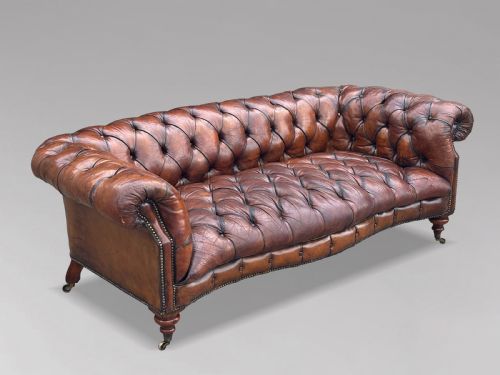
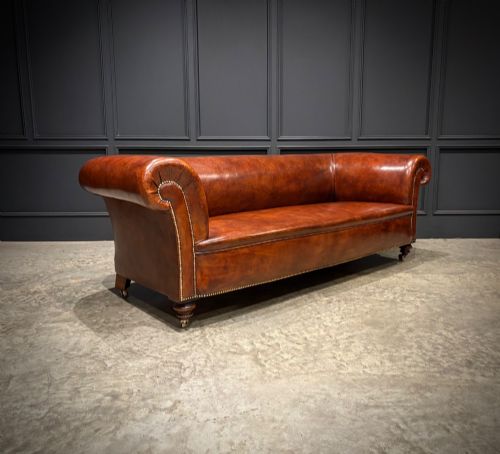


Chestnut Brown Couch
A chestnut brown couch anchors a room with rich leather and deep buttoning, bringing period character and enduring comfort to traditional interiors.
Chestnut Brown Couch
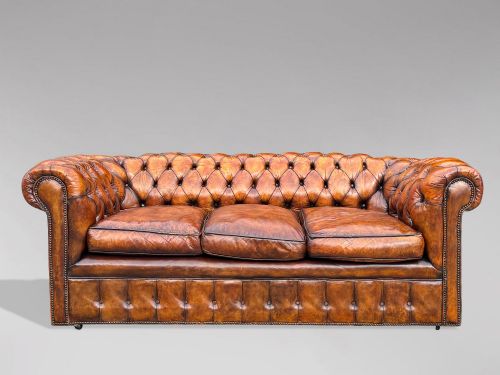
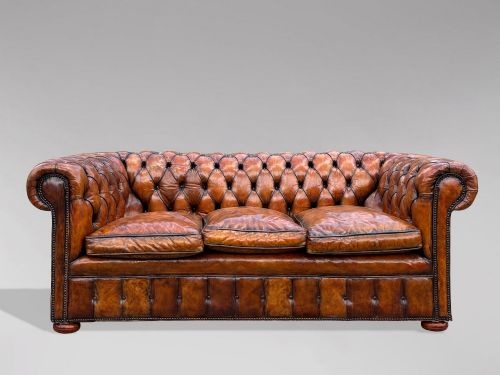
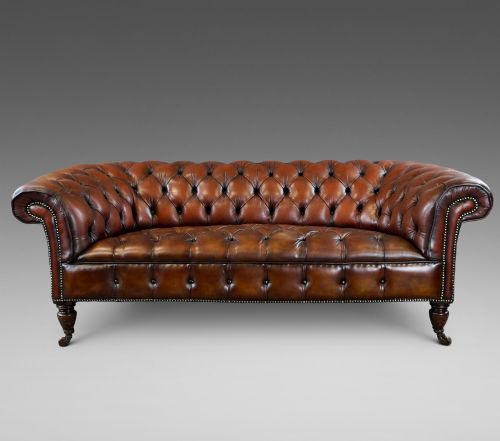
A chestnut brown couch spans nineteenth-century and early twentieth-century periods, taking the form of traditional chesterfield sofas and settees. You are most likely to meet Victorian and Edwardian examples finished in brown leather.
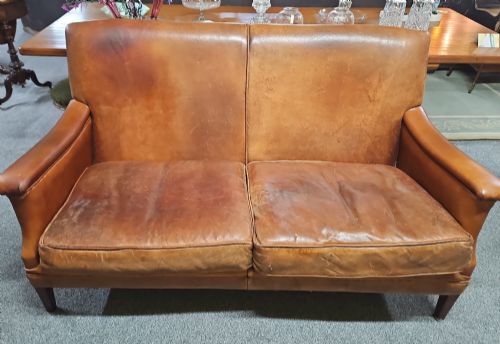
Makers and styles range from simple three-seat Chesterfields to George II style highback settees and substantial lounge suites. Mahogany framework appears alongside brass details in these larger groupings.
The selections reflect traditional English seating designs, including Chippendale Revival influences and substantial multi-seat configurations. These forms serve as central living room furnishings with deep buttoned upholstery.
How they were made
Construction relies upon hardwood frames paired with hand-dyed leather upholstery. Horsehair filling and coil springing provide the internal support for deep buttoned surfaces.
Woodwork incorporates mahogany and general hardwood timber, often finished with brass components. Artisans shaped these materials into highback settees and low-slung chesterfield sofas.
Hidden beneath the leather, vintage horsehair stuffing ensures every nineteenth-century afternoon comes with a subtle historical crunch.
What varies in quality
Quality separates through the depth of the buttoning work and the substance of the internal stuffing. Hand-dyed leather shows variation in grain and suppleness across different pieces.
Frame construction and timber selection dictate the integrity of the seating, distinguishing standard production from important matched suites. The integration of coil springing and horsehair stuffing defines the tactile standard.
Maple and Co·Howard and Sons
The Chestnut Brown Couch Glossary
- Chesterfield
- A traditional sofa style characterised by deep buttoned upholstery and arms of the same height as the back. This form is typically upholstered in leather.
- Horsehair
- A natural material utilised for traditional stuffing in upholstery. It provides resilient support beneath the leather surface.
- Coil springing
- A system of metal coils integrated into the seat construction. This method distributes weight and maintains the shape of the sofa over decades.
- George II style
- A design revival drawing upon eighteenth-century proportions and ornamental details. Pieces in this style often feature high backs and substantial wooden framing.
Chestnut Brown Couch: Frequently Asked Questions
How do I care for antique leather?
Antique leather benefits from regular dusting and occasional treatment with appropriate conditioning balms to maintain flexibility. Avoid placing these couches near direct heat sources or strong sunlight.
Keeping the environment stable preserves the natural hide and prevents the surface from drying out over time.
What is a chesterfield sofa?
A chesterfield is a classic seating form defined by rolled arms and a back of identical height, heavily punctuated with deep buttoning. It originated in the nineteenth century as a staple of gentleman's clubs and grand libraries.
Leather remains the traditional covering for these substantial pieces, offering durability alongside formal presence.
How do I distinguish Victorian from Edwardian pieces?
Victorian examples tend to feature heavier proportions, darker woods, and intense buttoning patterns established around the mid to late nineteenth century. Edwardian pieces often display lighter framing and slightly more relaxed proportions.
Examining the underlying timber and internal stuffing techniques helps clarify the period of manufacture.
Are these sofas comfortable for daily use?
Original pieces utilise coil springing and horsehair stuffing designed to offer firm, supportive seating. The deep proportions accommodate lounging while maintaining structural integrity.
Restored examples retain these traditional interior methods to ensure ongoing utility in modern spaces.