



Vintage Leather Sofa
A vintage leather sofa brings deep buttoned character and rich patinated hide to a room, spanning Victorian chesterfields to Art Deco cloud suites.
Vintage Leather Sofa
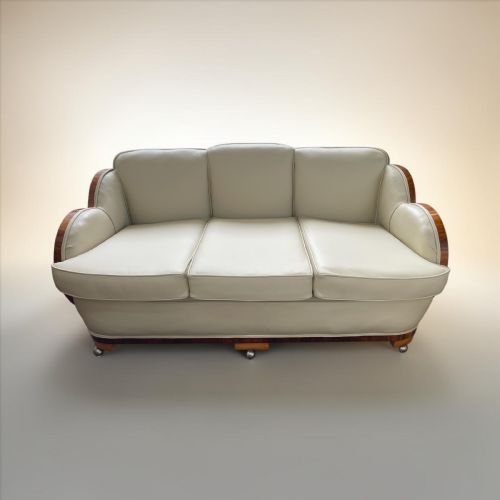
When someone searches for a vintage leather sofa, they are looking at heavy timber frames upholstered in aged animal hide, spanning the Victorian, Edwardian, and Art Deco periods. These seating pieces take forms ranging from classic deep-buttoned chesterfields to scroll-ended settees and dramatic cloud suites.
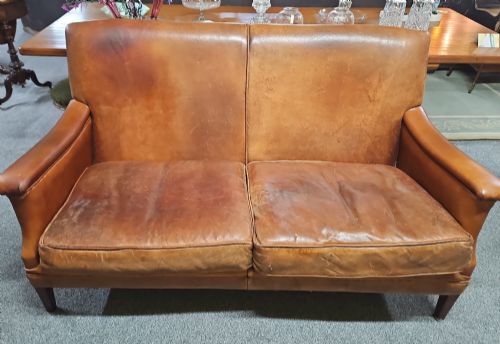
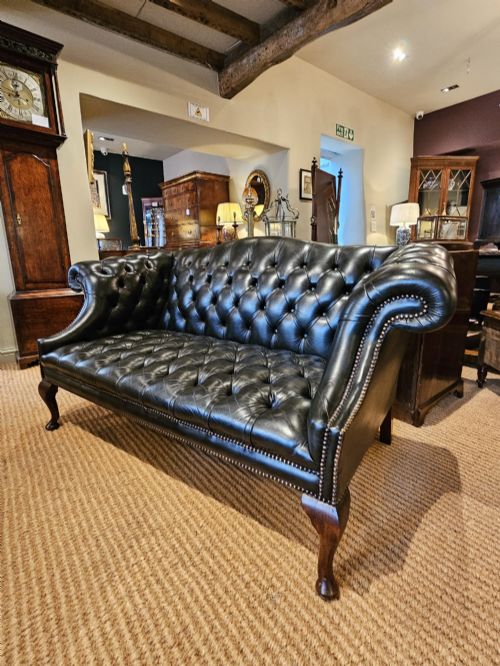
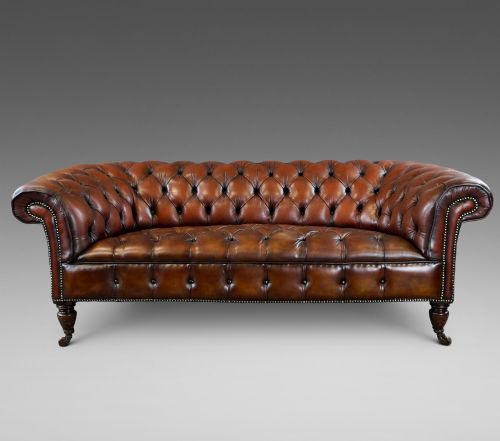
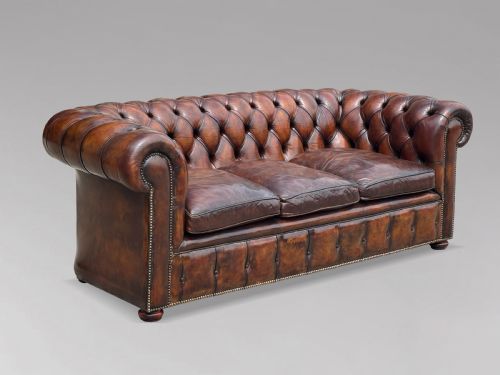
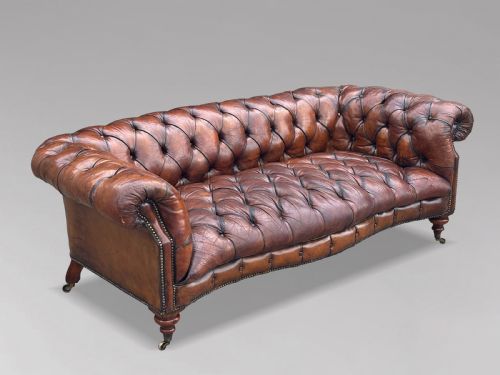
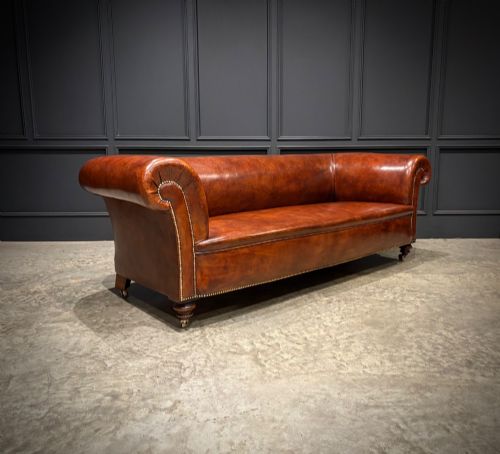
The version most commonly met on this page is the traditional brown or green leather chesterfield dating from the nineteenth or early twentieth century. These include three-seater models with coil springing, alongside French banquettes and walnut-framed Art Deco designs.
How they were made
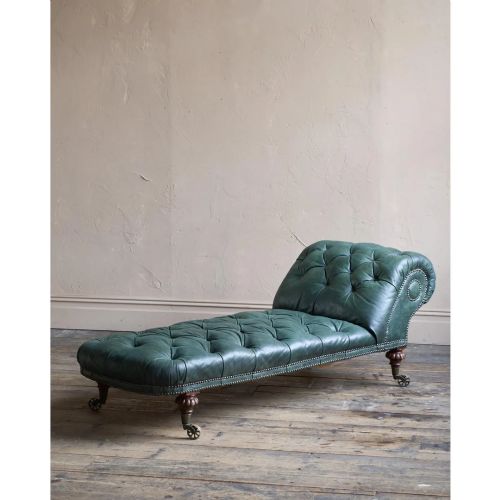
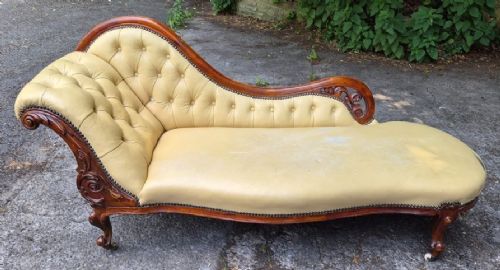
Makers built the structural frames using hardwoods such as mahogany, walnut, and general timber, often incorporating exposed carved woodwork on Victorian chaise longues and scroll settees. Upholstery methods relied on traditional stuffing materials like horsehair, paired with hand-tied coil springs for deep support.
The outer hide was finished in various ways, ranging from raw leather intended for hand-dyeing to deep buttoned brown and green leather. Brass elements and velvet trim sometimes appeared as decorative accents on frames and borders.
Listings span the nineteenth and twentieth centuries, featuring materials such as mahogany, walnut, brass, and timber.
What varies in quality
The standard of a vintage leather sofa rests upon the integrity of the underlying hardwood frame and the depth of the hide. Pieces with substantial timber construction and traditional horsehair filling hold their form far better over decades of use.
Finishing details dictate the visual distinction between examples, particularly the precision of deep buttoning and the richness achieved through hand-dyed patination. Original un-restored surfaces carry historical depth that alters the character compared to later re-coloured hides.
Harry and Lou Epstein·Hampton and Sons of Pall Mall·Howard and Sons
The Vintage Leather Sofa Glossary
- Chesterfield
- A large upholstered sofa with arms and back of the same height, traditionally featuring deep button tufting in leather.
- Chaise Longue
- An upholstered long chair for reclining, typically featuring a single raised backrest or scroll end.
- Cloud Suite
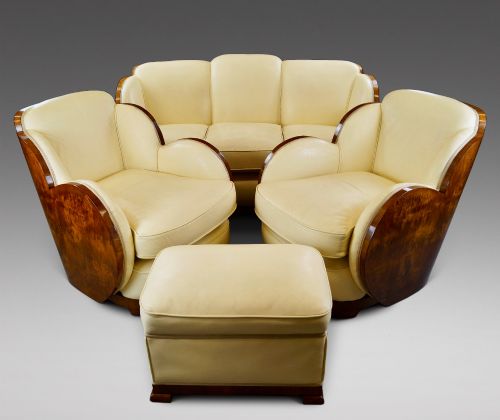
- An Art Deco seating grouping characterised by rounded, bulbous upholstered shapes reminiscent of cumulus clouds.
- Banquette
- A long upholstered bench or sofa, frequently seen in French designs from the Belle Époque period.
- Scroll Shape
- A furniture profile featuring sweeping, incurved wooden or upholstered arms resembling a rolled scroll.
- Hand Dyed
- Leather treated with aniline or spirit dyes applied by hand to build tonal depth and rich patination.
Vintage Leather Sofa: Frequently Asked Questions
What defines a traditional chesterfield sofa?
A traditional chesterfield is distinguished by its low back, rolled arms of the same height as the back, and characteristic deep button tufting across the leather upholstery.
These pieces rely on heavy internal frames and traditional coil springing to create a rigid yet comfortable seating structure designed to last generations.
How do I care for antique leather?
Antique leather benefits from regular dusting and occasional treatment with appropriate leather balms to keep the hide supple and prevent cracking.
Keeping these sofas away from direct sunlight and heat sources preserves the natural oils and the original hand-dyed patination.
What is an Art Deco cloud suite?
An Art Deco cloud suite consists of a sofa and matching armchairs featuring rounded, voluptuous forms and thick walnut or mahogany framing.
Popularised during the 1930s, these groupings prioritised sculptural comfort and smooth, continuous upholstered lines over traditional buttoning.
How can I tell a Victorian sofa from a 1930s piece?
Victorian examples generally feature exposed carved mahogany frames, buttoned leather upholstery, and upright proportions suited to formal nineteenth-century drawing rooms.
Pieces from the 1930s lean towards Art Deco styling, smooth club shapes, and rounded walnut or cloud-form silhouettes with softer, lower profiles.