


Chester Hallmark Silver
Chester hallmark silver encompasses small domestic objects, desk accessories and personal items bearing the historic three sheaves and sword assay mark.
Chester Hallmark Silver
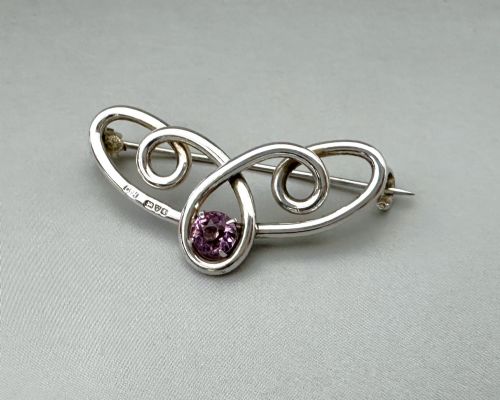
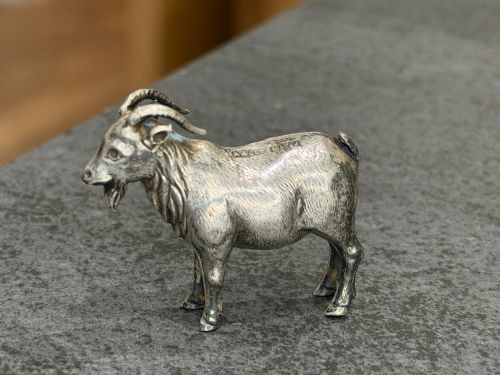
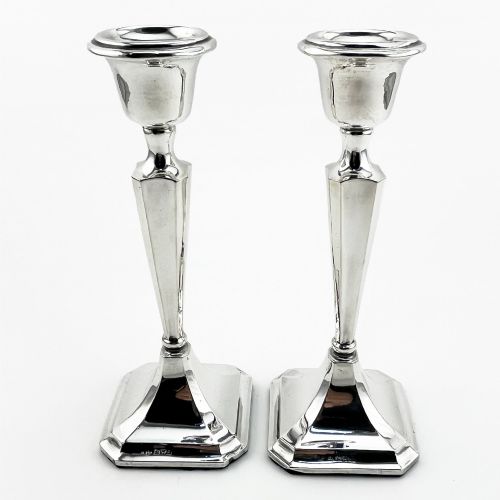
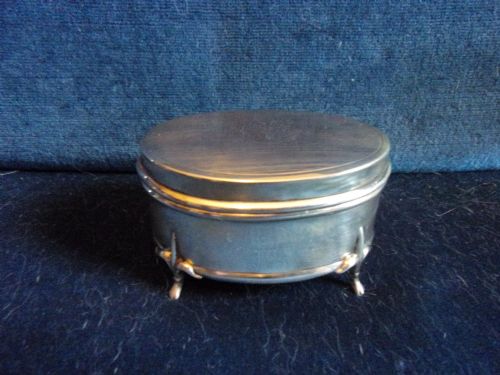
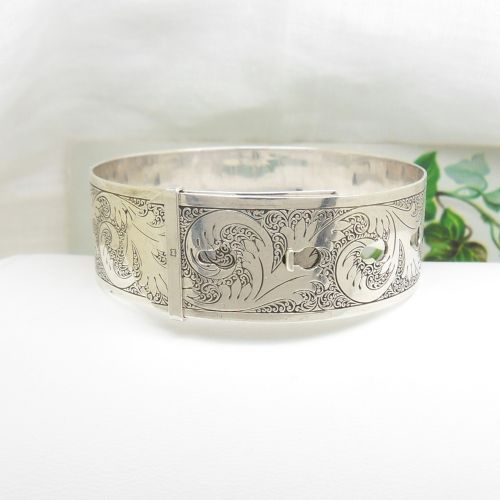
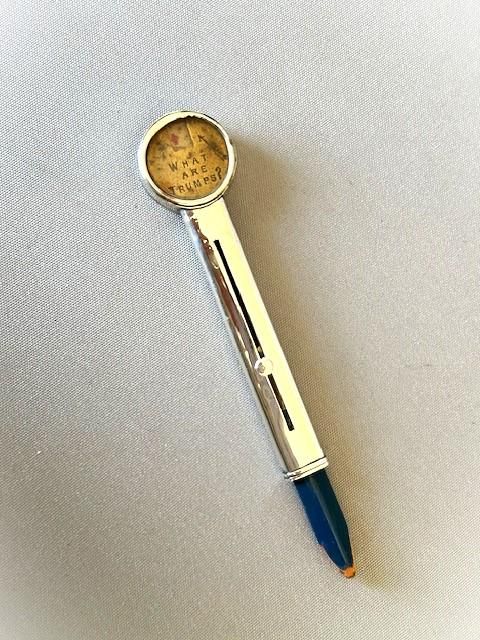
When buyers search for chester hallmark silver, they encounter small portable objects and tableware produced from the late nineteenth century up to the mid-twentieth century. The assay office in Chester operated until 1962, meaning pieces span Victorian, Edwardian, Art Nouveau, and Art Deco periods. Common forms include stamp cases, vesta boxes, trinket caskets, pill boxes, scent bottles, and various desktop items.
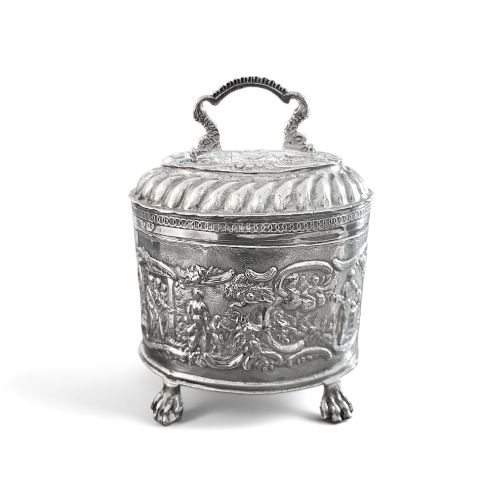
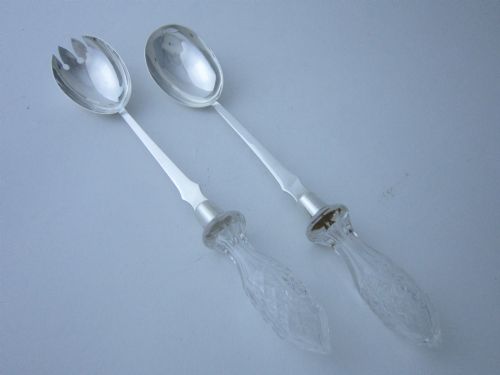
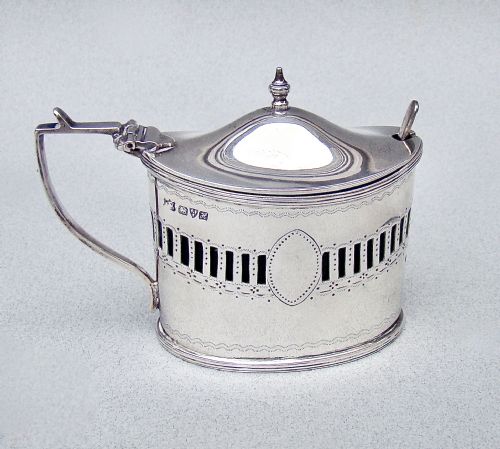
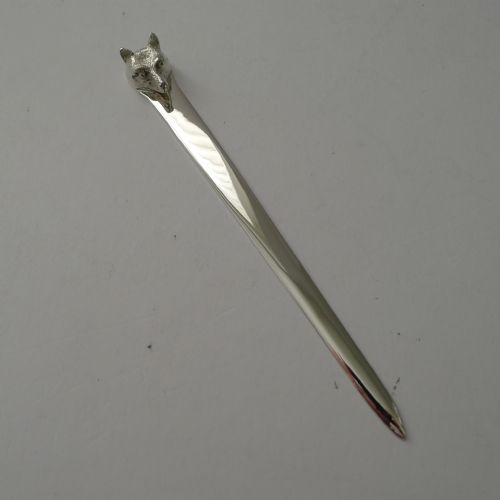
Domestic silver such as sugar casters, tea caddies, butter dishes, napkin rings, and small bowls also appear frequently alongside novelty items like miniature chocolate pots, letter openers, and mechanical desk bells. Items lined with velvet, silk, or fitted with cut glass insert bowls reflect the domestic habits of Edwardian and Georgian Revival households.
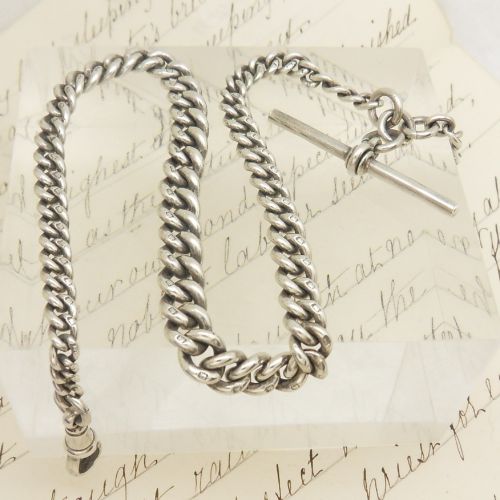
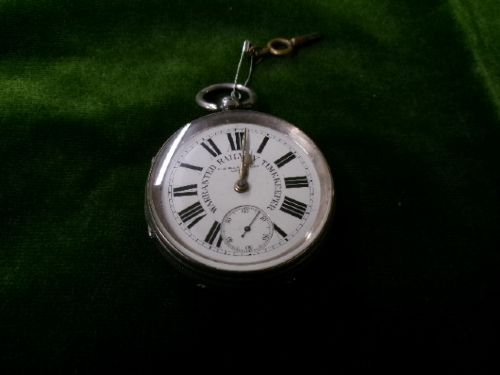
Makers working within the jurisdiction of the Chester assay office produced both utilitarian pocket items, such as sovereign cases and pocket watch holders, and decorative table wares. The selection ranges from plain nineteenth-century snuff boxes to pierced baskets and spot-hammered Arts and Crafts trinket boxes.
Materials and construction methods
Sterling silver forms the primary structural material, often combined with secondary elements such as blue glass liners, velvet linings, silk interiors, or leather cases. Enamel work and gilding appear on select decorative items like pill boxes and novelty match cases.
Manufacturing techniques combine traditional hand-hammering with mechanical stamping, piercing, and chasing. Many boxes and frames feature raised repoussé decoration, while Arts and Crafts pieces display visible spot-hammered surfaces created by hand.
Chester Hallmark Silver Retail Price Guide 2026
Typical asking prices for chester hallmark silver among the pieces listed under this phrase on Sellingantiques today, from the lower quarter to the upper quarter. They describe what is for sale here now, not the wider market.
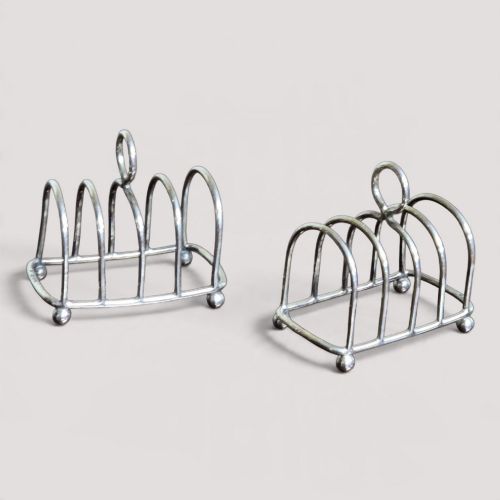
Object forms span practical desk accessories, pocket match cases, sewing tools, and tableware such as sugar casters and toast racks.
Evaluating quality in Chester silver
Quality rests on the crispness of the Chester assay marks, the weight of the sterling silver, and the precision of any hand-pierced or engraved ornamentation. Finer boxes maintain tight hinges, snug lids, and well-preserved internal silk or velvet linings without tearing.
The reputation of the maker influences the standing of a piece, with firms like Nathan & Hayes, Charles Horner, or Asprey achieving greater recognition for specialised novelty designs and careful finishing compared to standard production wares.
Nathan & Hayes·Horton & Allday·Charles Horner·William Neale & Sons·James Deakin & Sons
The Chester Hallmark Silver Glossary
- Vesta case
- A small pocket container specifically designed to hold matches and keep them dry. These often feature spring-loaded lids and striker grooves on the base.
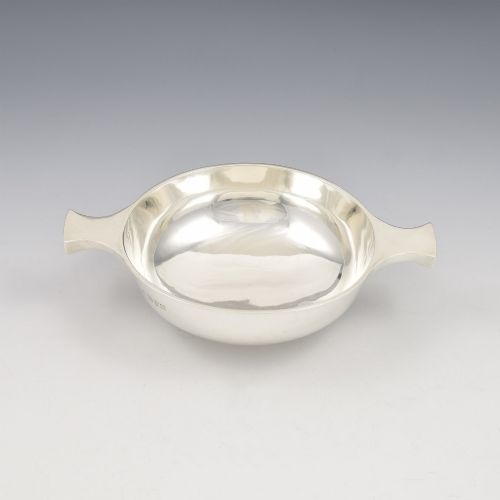
- Quaich
- A traditional two-handled drinking vessel originating in Scotland. Examples hallmarked in Chester adapt this form into modern silver presentation pieces.
- Repoussé
- A metalworking technique where the artisan pushes and hammers the silver from the reverse side to form raised decorative patterns on the front.
- Chatelaine clip
- An ornate belt hook used to suspend small daily utilities such as watch keys, scent bottles, or sewing tools. They were widely worn by women during the Victorian and Edwardian eras.
Chester Hallmark Silver: Frequently Asked Questions
How do I read a Chester hallmark?
The Chester mark uses three sheaves of wheat beside a sword within a shield. Accompanying letters indicate the exact year of assay.
Additional symbols include the lion passant for sterling silver and the maker's initials stamp.
What were silver stamp cases used for?
Victorian and Edwardian writers used stamp cases to store small adhesive postage stamps safely on a desk or inside a handbag. Envelope-shaped cases kept gummed paper flat and dry.
Many featured internal compartments to separate different denominations.
How do I clean antique silver?
Gentle washing with warm water and mild soap removes surface dust without damaging delicate hallmarks or antique patination. Soft cloths prevent scratching on high-polish surfaces.
Harsh chemical dips should be avoided, particularly on items with velvet linings or enamel panels.
Why did the Chester assay office close?
The Chester assay office officially closed in 1962 following declining volume and consolidation within the British assay system. This closure gives Chester-marked silver a definite terminal date.
Items bearing late marks from the 1950s and 1960s remain collectible markers of its final years.