





Chelsea Porcelain Statuette
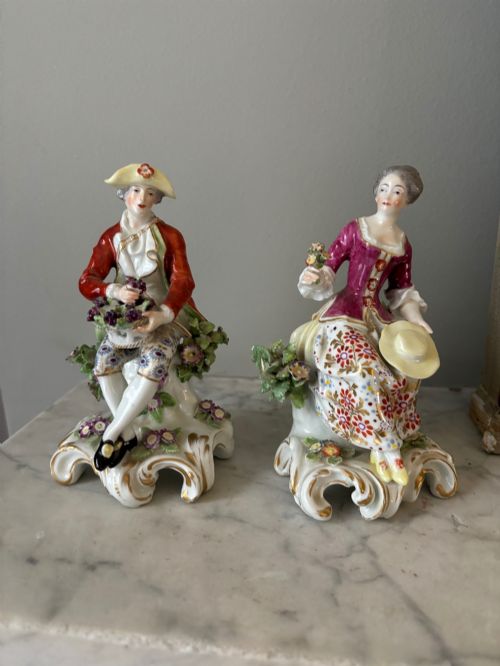
These chelsea porcelain statuette examples bring eighteenth-century pastoral charm and mythological grace straight to your mantelpiece.
Chelsea Porcelain Statuette
A chelsea porcelain statuette captures the delicate, decorative spirit of early British ceramics alongside later nineteenth-century French and German revivals. When you search for a chelsea porcelain statuette, you encounter both authentic eighteenth-century figures and nineteenth-century interpretations made in Paris or Germany.
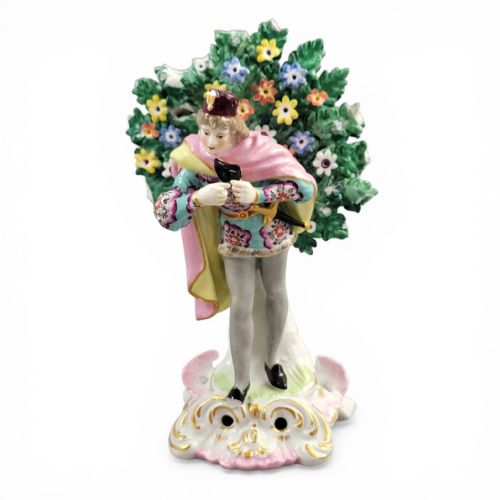
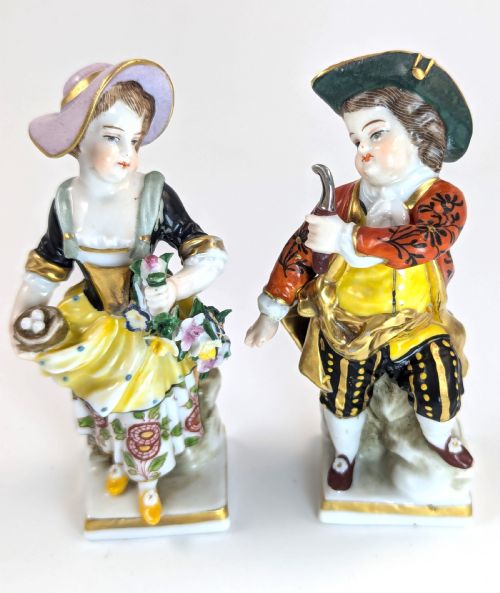
The subjects range from mythological figures like Diana the Huntress and allegorical representations of the continents to rustic farmers, gardeners, and putti with goats. Many of these decorative objects feature elaborate bocage backgrounds adorned with foliage, creating a sense of natural movement and theatrical charm.
You are equally likely to find original pieces bearing gold anchor marks from the seventeen-sixties alongside nineteenth-century Paris porcelain versions produced in the Chelsea style. These figures serve as striking focal points for a room, embodying the ornate aesthetic of the period.
How they were made
Nineteenth-century workshops such as Samson of Paris meticulously replicated these historic techniques, producing figures that mirrored the rococo style and rococo revival tastes of earlier generations.
Several figures come accompanied by goats, putti, and allegorical symbols representing entire continents.
What varies in quality
Original eighteenth-century specimens carry historical weight, while nineteenth-century revival pieces vary depending on whether the maker captured the lightness and spirit of the original Chelsea aesthetic.
Edme Samson·Edmé Samson Paris·Samson of Paris
The Chelsea Porcelain Statuette Glossary
- Soft-paste porcelain
- A ceramic body composed of clay and glass frit, fired at lower temperatures to produce a creamy, translucent finish often found on early figures.
- Hard-paste porcelain
- A true porcelain made from kaolin and petuntse, fired at high temperatures to create a durable, bright white material.
- Bocage
- An open background of applied ceramic leaves and branches, frequently used behind figures to create a rustic, wooded setting.
- Gold anchor mark
- A small painted symbol used by the factory during its later period to denote quality wares.
- Enamel
- Vitreous coloured glass fused to the porcelain surface through kiln firing, providing durable decoration.
Chelsea Porcelain Statuette: Frequently Asked Questions
How do I spot a reproduction?
Distinguishing an eighteenth-century original from a nineteenth-century revival involves examining the paste, the wear on the base, and the crispness of the enamel painting. Later Paris copies often use slightly different porcelain bodies and display a different quality of gilding.
Studying the specific anchor marks and comparing the modelling style with documented museum examples helps clarify the true age and origin of the piece.
What are bocage figurines?
Bocage figurines feature a dense background of ceramic leaves and flowers that frame the central human or mythological subject. This leafy arbour technique adds depth and a naturalistic garden setting to the porcelain composition.
Because these delicate branches are prone to damage over time, surviving examples with intact foliage are particularly prized by collectors.
Where should I display them?
These statuettes suit enclosed cabinets, mantelpieces, or designated console tables where they remain safe from accidental knocks. Proper placement ensures the delicate enamel colours and gold leaf highlights can be appreciated safely.
Keeping them away from direct sunlight and high-traffic areas protects the fragile porcelain and any intricate bocage work from harm.
How do I clean porcelain figures?
Dusting these delicate objects requires a soft, dry artist's brush to gently clear away particles without snagging fragile leaves or fingers. Avoid using water, harsh cleaning agents, or immersion, as these can damage old enamel and gilding.
Regular, gentle maintenance keeps the surface clean without risking the structural integrity of the porcelain or its historic paintwork.