


Chased Silver Pot
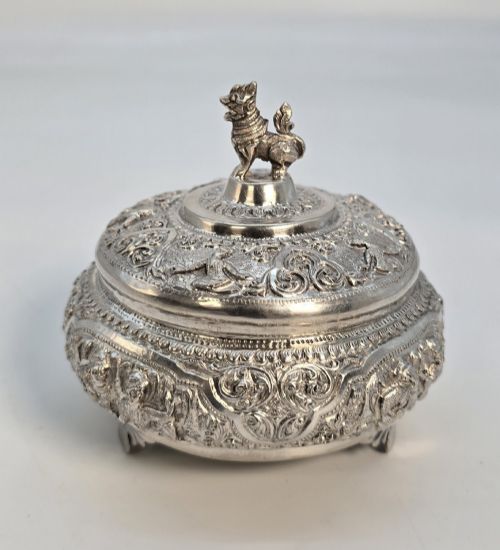
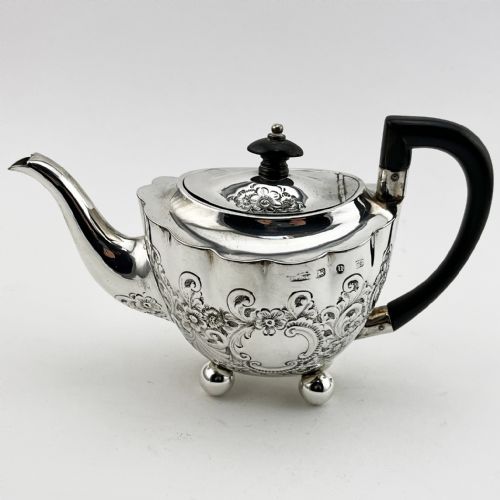
A chased silver pot brings intricate hand-hammered texture and reflective weight to a table, spanning Georgian tea sets to Ottoman mustard pots.
Chased Silver Pot
A chased silver pot encompasses tea and coffee vessels, condiment pots, and lidded jars shaped from solid silver, sterling silver, and silver plate. The selection ranges from Georgian and Victorian English tableware to Anglo-Indian, Ottoman, and Asian export pieces.
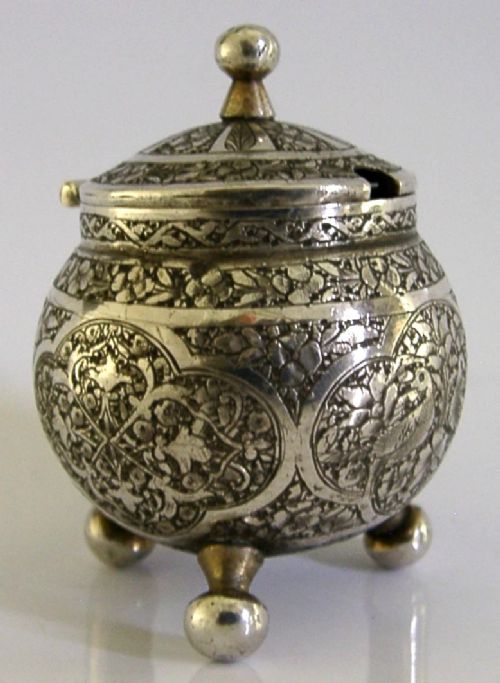
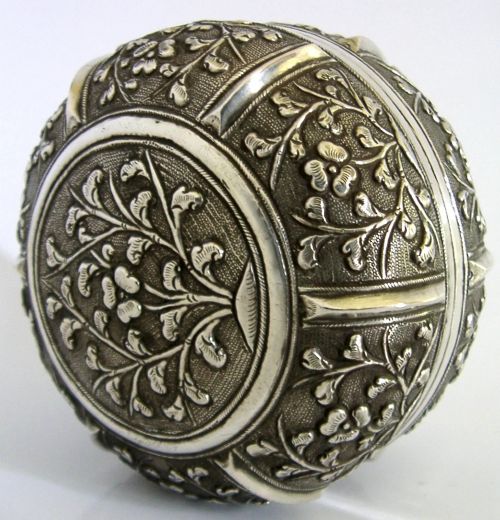
Buyers most frequently encounter Victorian sterling silver examples alongside 1900s Indian silver boxes and jars, accompanied by Georgian teapots and silver plated coffee pots. Forms vary from bachelor teapots and mustard pots to life-size bird pepper pots and lidded tankards.
Periods represented stretch from the eighteenth century through the nineteenth century and into the twentieth, taking in Regency, Art Deco, and early Victorian designs. Many incorporate secondary materials such as wood, glass, ebonised wood, and bone.
Materials and construction
Metals span sterling silver, solid silver, and silver plate over base metals, combined with handles and finials carved from wood, ebonised wood, and bone. Glass inserts occasionally appear within condiment and cruet sets.
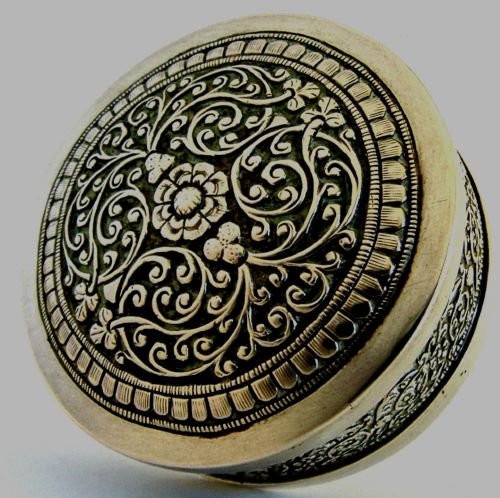
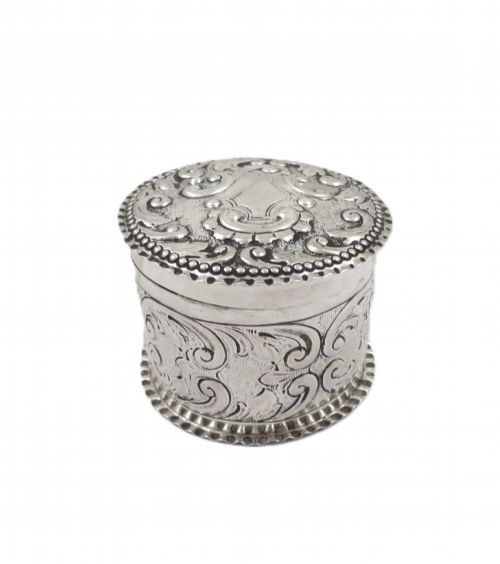
Chasing involves hammering the metal from the front to depress the background and push the ornamentation forward in relief, creating floral, scroll, and fluted surface patterns. Hinged lids, spouts, and handles are soldered to bodies formed through raising and spinning techniques.
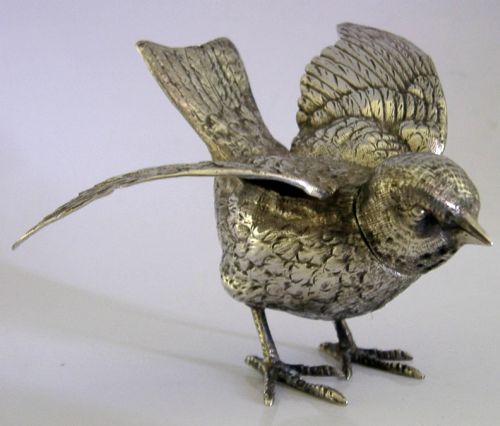
A life-size bird chick pepper pot proves that nineteenth-century dining tables welcomed avian company alongside traditional teapots.
Factors of quality
Depth and crispness of the chased decoration separate superior examples from softer, worn pieces, as shallow chasing indicates heavy polishing or hasty execution. The weight of the silver and the structural integrity of hinged lids and applied spouts also dictate standard.
The integration of secondary materials, such as tight-fitting wooden handles and well-fitted bone or glass elements, reflects the original maker's skill. Clarity of hallmarks, makers' marks, and crests further distinguishes finer pieces in this category.
Edward Power·Robert Hennell II·Boardman Glossop & Co
The Chased Silver Pot Glossary
- Chasing
- A metalsmithing technique where designs are hammered into the front surface of metal to create raised relief patterns. This differs from engraving, which removes metal.
- Sterling silver
- An alloy consisting of 92.5 percent silver by mass and 7.5 percent other metals, usually copper. This standard underpins the majority of British silver hollowware.
- Silver plate
- A layer of silver applied to a base metal core such as copper or Britannia metal. Old Sheffield plate employs a fused sheet of silver over copper.
- Bachelor teapot
- A small-scale teapot produced in the nineteenth century designed for brewing a single serving of tea. They often feature matching bachelor sugar basins and cream jugs.
- Fluted body
- A surface decorated with parallel hollow channels or ridges running vertically or spirally. This treatment catches the light and adds rigidity to thin metal walls.
Chased Silver Pot: Frequently Asked Questions
How do I date a silver pot?
Dating relies primarily on official hallmarks stamped into the metal, which indicate the assay office, date letter, and maker. Stylistic clues such as Georgian shapes or Victorian ornamentation also help narrow the period.
Unmarked pieces or silver plate require examination of construction methods, handle materials, and baseline style to determine their approximate age within the nineteenth or twentieth centuries.
What is the difference between chased and engraved?
Chasing pushes the metal from the outside to create a raised, three-dimensional design without removing material. Engraving uses a sharp tool called a burin to cut lines directly out of the metal.
Many antique pots combine both techniques, using chased floral reliefs alongside finely engraved crests or initials.
Can I use an antique silver teapot daily?
Using an antique teapot requires care, particularly with pieces featuring delicate joints, soldered spouts, or organic handles made of wood and bone. Thermal shock from boiling water can stress old silver and historic repairs.
Most collectors prefer display or gentle occasional use, washing pieces by hand without harsh abrasives to preserve the original surface finish and chasing.
Why do some silver pots have wooden handles?
Wood or ebonised wood handles prevent the transfer of heat from boiling liquids to the user's hand during pouring. Bone insulators also appear in similar positions on metal handles.
These materials add functional contrast to the solid silver or silver-plated body while accommodating thermal expansion.