

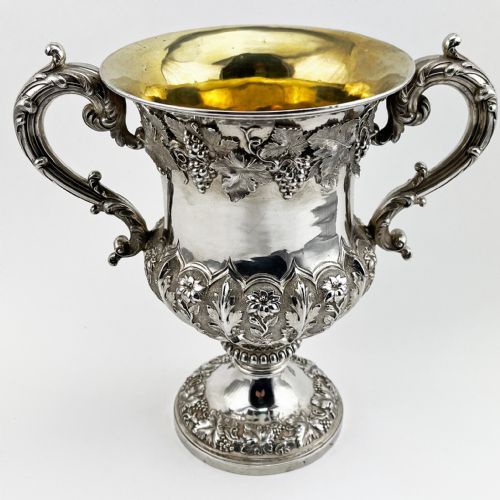


Chased Silver Goblet
A chased silver goblet is a drinking vessel bearing surface work hammered from the reverse, combining utility and ornate decoration for the collector.
Chased Silver Goblet
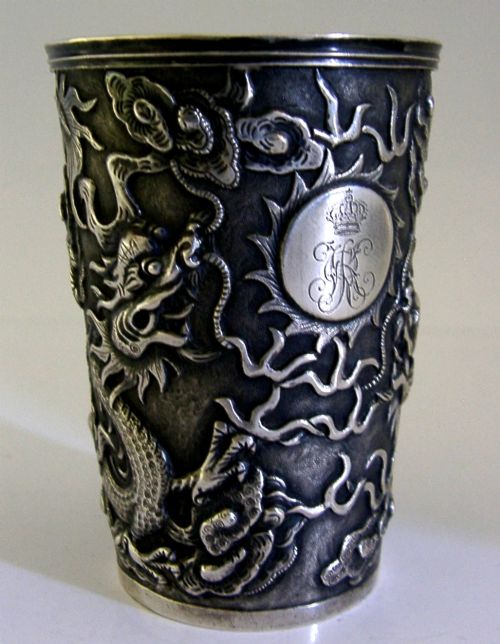
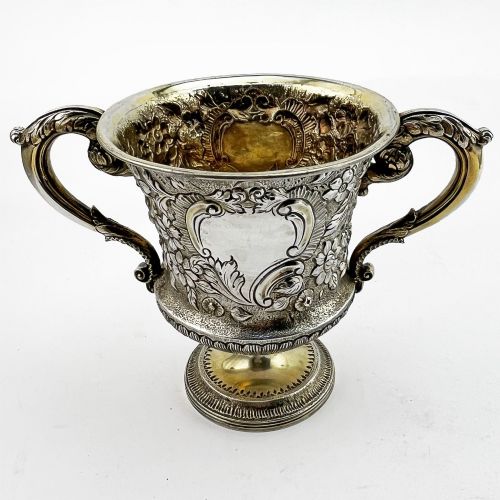
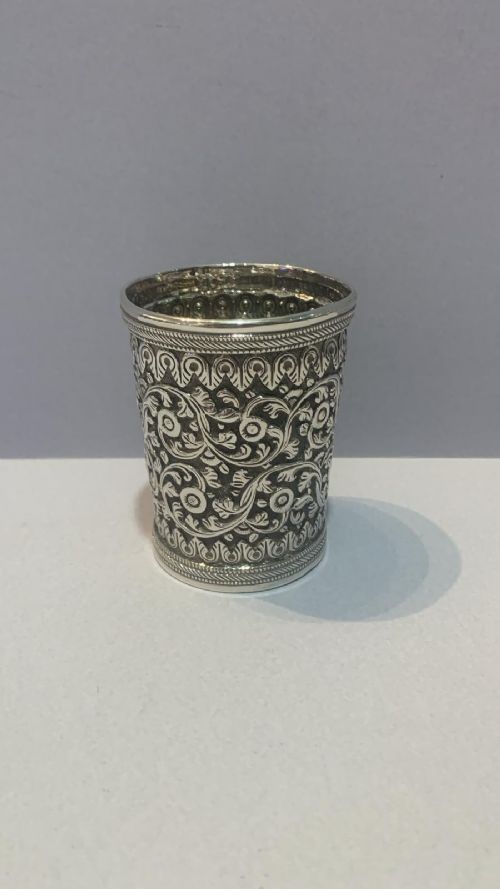
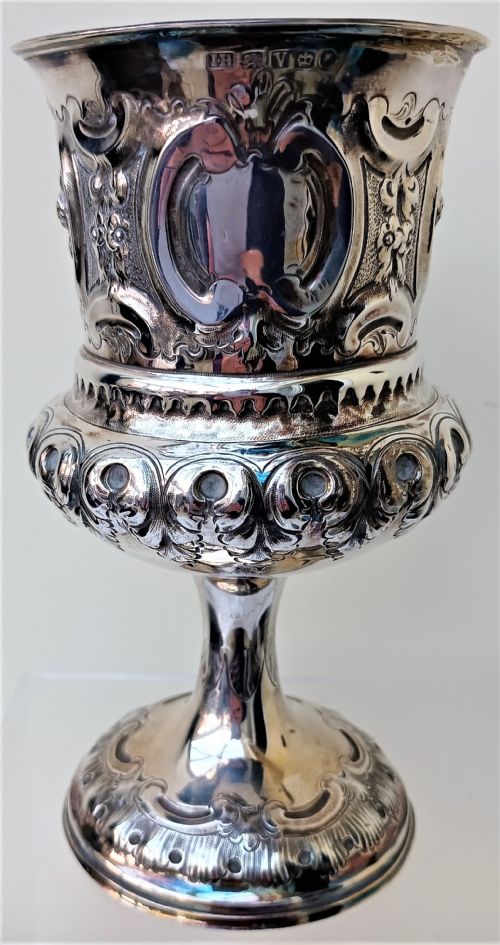
A chased silver goblet sits among various drinking vessels, trophy cups, and beakers found across the nineteenth century and earlier eras like the George III period. These items arrive in distinct regional styles such as Chinese Export, Anglo-Indian Kutch work, and Victorian Gothic or Renaissance Revival.
The version most commonly met on this page is the nineteenth-century Victorian example, often decorated with floral and scroll motifs or pineapple patterns upon the bowl. Alongside these standard goblets, buyers encounter two-handled campana cups, wager cups, and tall chalices produced in sterling silver, silver gilt, and silver plate.
How they were made
Silversmiths shaped these vessels from sterling silver or silver gilt, employing hammering techniques to raise the metal into beakers, mugs, and trophy cups. The distinct ornamentation relies on chasing, where punches and hammers displace the metal from the exterior to create low-relief floral and scroll designs.
Some pieces incorporate gilding or vermeil finishes to interior surfaces, while others originate from specialised workshops in regions such as Kutch or Hong Kong, demonstrating local interpretations of European forms.
Chased Silver Goblet Retail Price Guide 2026
Typical asking prices for chased silver goblet among the pieces listed under this phrase on Sellingantiques today, from the lower quarter to the upper quarter. They describe what is for sale here now, not the wider market.
Listings feature items from the eighteenth and nineteenth centuries, including George III, William IV, and Victorian eras.
What varies in quality
The distinction between ordinary and superior pieces rests on the crispness and depth of the chased decoration across the bowl. Finer examples display purposeful hand-work where floral and scroll patterns maintain sharp definition without thinning the surrounding metal walls.
Proportion and weight also dictate the standard of a vessel, separating heavy sterling silver presentation pieces from lighter plated wares or simpler domestic mugs.
Wang Hing And Co·D And J Wellby·George Unite
The Chased Silver Goblet Glossary
- Chasing
- The technique of ornamenting metal by indenting or hammering the surface from the exterior to push the design into relief. This method differs from repoussé, which works the metal from the reverse side.
- Silver Gilt
- Silver object that has been coated with a thin layer of gold on its surface. This finish protects the interior from tarnishing when holding liquids.
- Campana
- A bell-shaped vessel form typical of classical urns and large eighteenth-century cups. These items often feature two handles and a footed base.
- Wager Cup
- A jointed drinking vessel designed for use in historical drinking games, taking the form of a small figure holding a swinging cup. Participants attempted to drink from both vessels simultaneously without spilling.
Chased Silver Goblet: Frequently Asked Questions
What is a chased silver goblet used for?
These vessels served historically as presentation pieces, sporting trophies, or ceremonial drinking vessels rather than everyday tableware. Their decorative chased surfaces made them suitable for display on sideboards or mantelpieces.
Over time, many functioned as family heirlooms or commemorative gifts, marking significant events through engraved inscriptions and royal cyphers.
How do I care for chased silver?
Maintenance requires gentle cleaning with appropriate silver care products to prevent the buildup of tarnish within the recessed chased details. Soft cloths help preserve the original finish without abrading the low-relief patterns.
Avoiding harsh chemical dips ensures that silver gilt and vermeil surfaces remain intact across generations of handling.
How can I tell the period of a goblet?
Dating relies primarily upon hallmarks stamped into the metal, which indicate the assay office, year, and maker of the piece. Stylistic markers such as Victorian Gothic revival motifs or George III campana proportions also provide broad chronological clues.
Regional variations, including Anglo-Indian Kutch work or Chinese Export dragon designs, help identify specific manufacturing origins.
What is the difference between a goblet and a chalice?
A chalice typically relates to ecclesiastical use, featuring a deep bowl atop a knopped stem and a wide foot for liturgical services. Goblets function more broadly as secular drinking vessels or presentation cups.
Despite these traditional distinctions, historical makers and contemporary cataloguers sometimes use the terms interchangeably.