

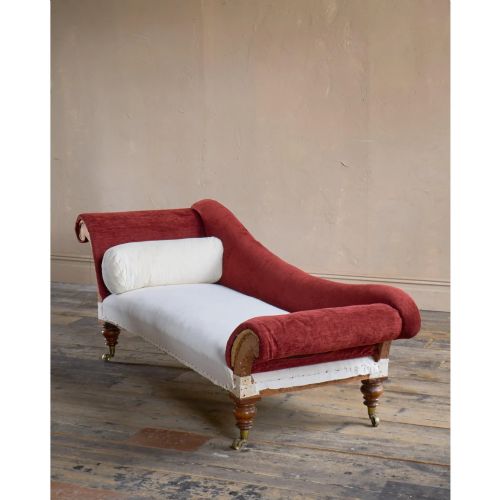
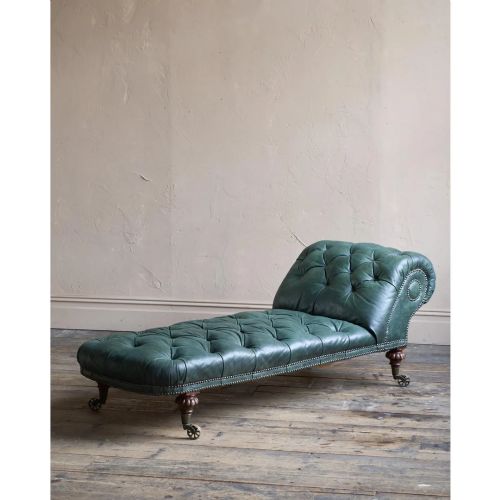
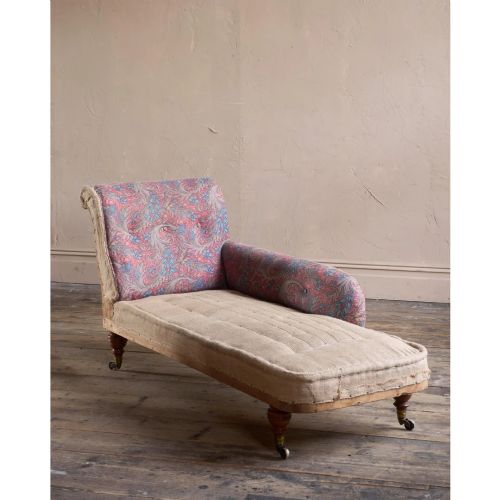
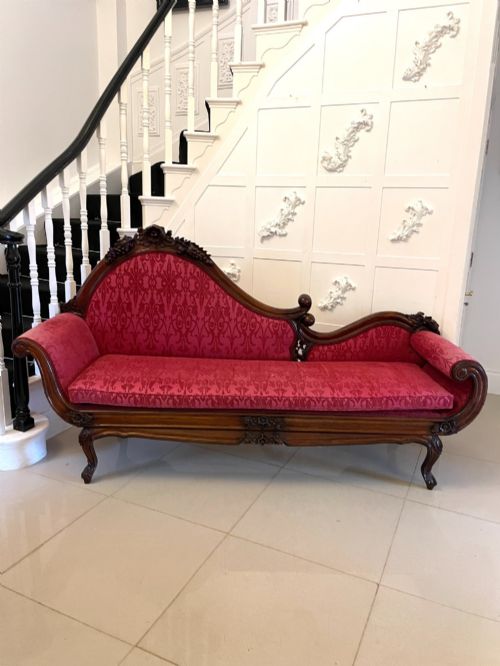
Chaise Longue Sofa
A chaise longue sofa is a long seated form designed for reclining, drawing on centuries of cabinet-making skill to furnish a room for rest.
Chaise Longue Sofa
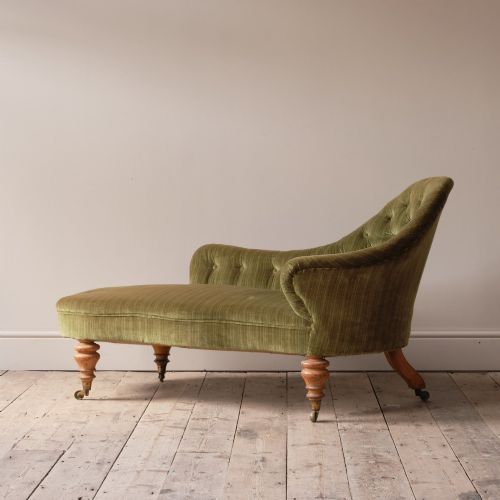
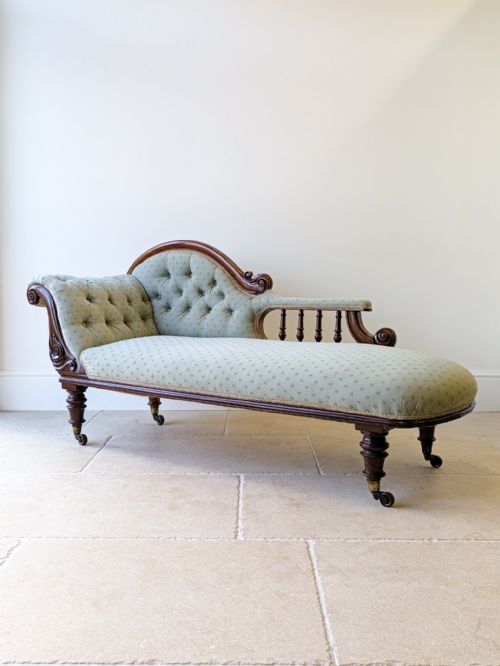
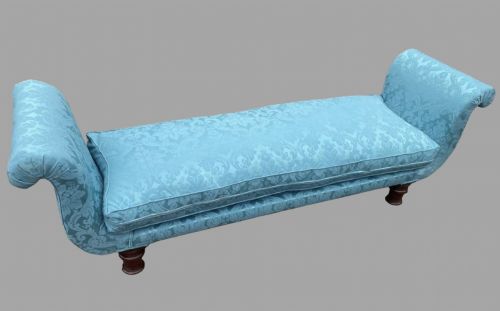
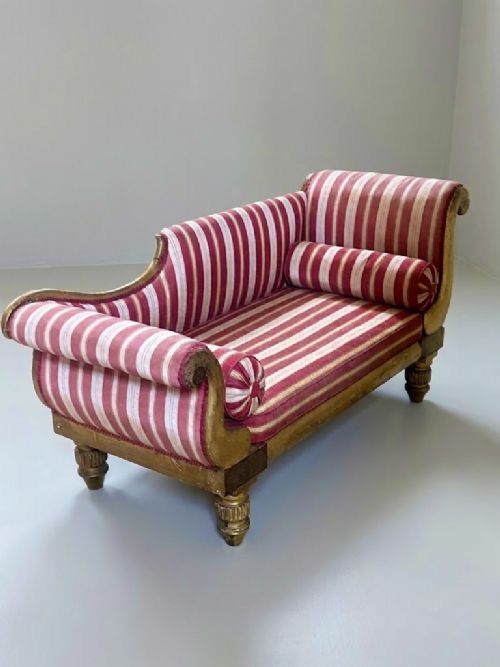
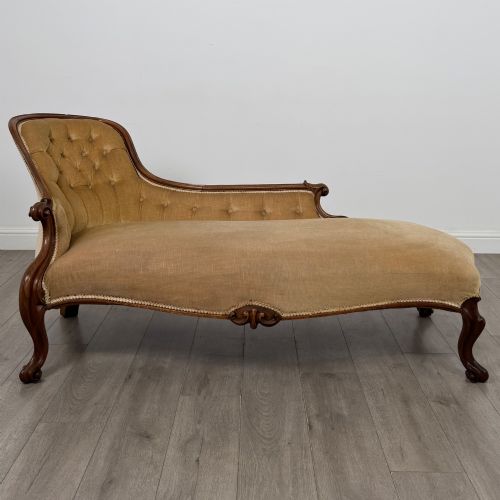
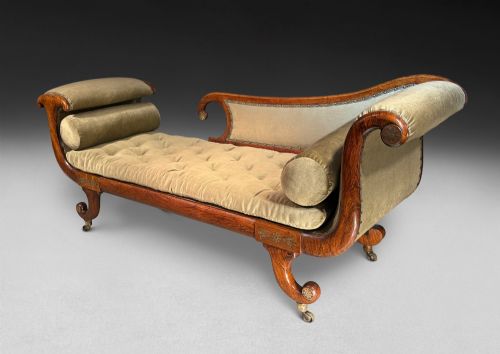
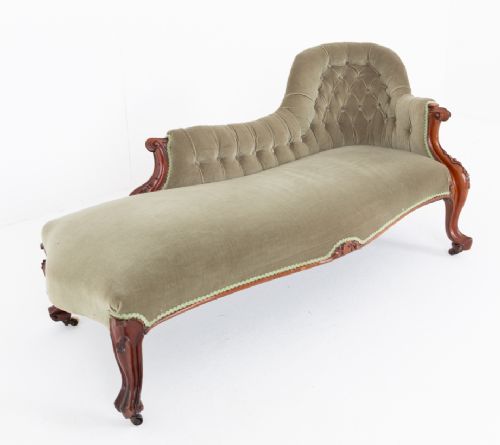
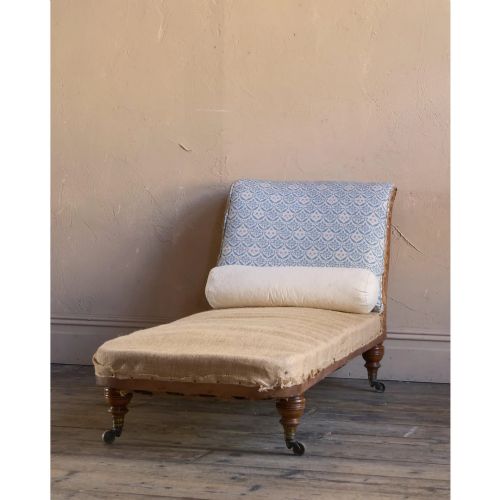
A chaise longue sofa brings together the seated comfort of a sofa with the extended proportions of a day bed, offering a single raised end for reclining. When searching for a chaise longue sofa, buyers encounter forms spanning from the Regency period through the Victorian era and into the early twentieth century.
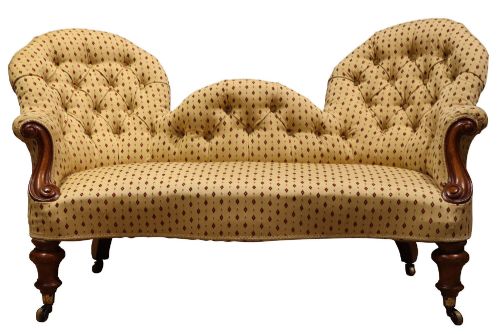
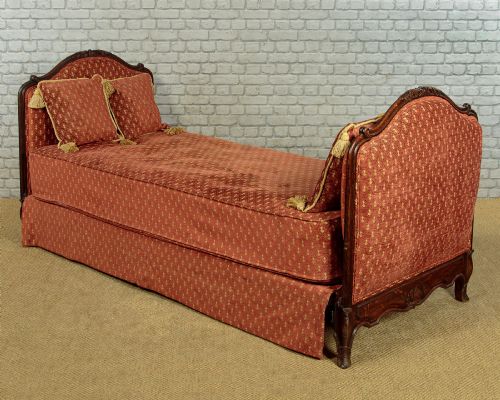
The selections on this page demonstrate varied regional origins, including English workshops and French influences such as Louis XVI style frames and the lit bateau. Makers and cabinet-makers utilised distinct forms like the double ended sofa, day beds, and conversation seats to serve domestic spaces.
Materials and Construction
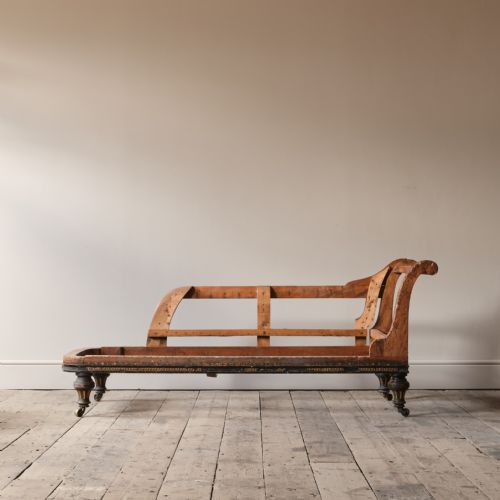
Frames rely upon solid timbers including mahogany, rosewood, walnut, and ebonised woods, providing the structural integrity required for curved scroll ends and carved details. Joinery techniques support complex shapes like ionic column legs, cast iron frames, and inlaid panels.
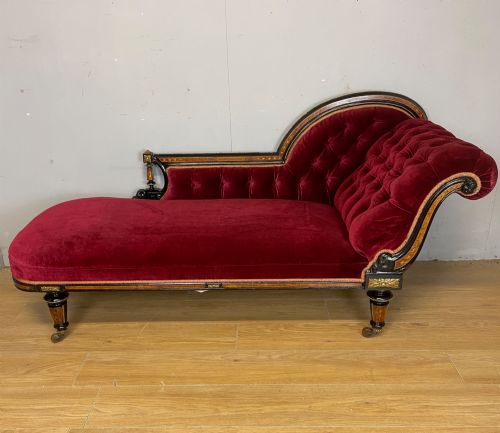
Upholstery methods incorporate sprung settee bases paired with fabrics such as antique striped silk, velvet, brocade, leather, damask, and cane work. Brass inlays, ormolu decoration, and button back finishing complete the decorative scheme of these pieces.
Chaise Longue Sofa Retail Price Guide 2026
Typical asking prices for chaise longue sofa among the pieces listed under this phrase on Sellingantiques today, from the lower quarter to the upper quarter. They describe what is for sale here now, not the wider market.
Listings feature woods including mahogany, rosewood, and walnut alongside metals like brass and cast iron across nineteenth-century periods.
Evaluating Quality
Quality rests upon the crispness of carved woodwork, the weight and choice of timbers such as rosewood or mahogany, and the integration of decorative elements like ormolu or brass inlay. Finer examples display meticulous attention to proportion in scroll arms and turned legs.
The integrity of the frame construction and the fidelity of the upholstery materials, whether deep pile brocade or antique silk, distinguish higher tiers of work. Attribution to notable makers adds a layer of documentary significance to the physical execution.
Holland and Sons·Howard and Sons·H Goodall and Sons
The Chaise Longue Sofa Glossary
- Chaise Longue
- A long chair for reclining, combining a seated backrest with an extended seat. It originated in France and evolved through various nineteenth-century British styles.
- Lit Bateau
- A boat bed shape featuring scrolled ends of equal or near-equal height. This French form influenced day bed designs during the nineteenth century.
- Ormolu
- Gilded bronze mounts applied to furniture for decoration. Artisans cast and chased these metal elements to accent timber frames.
- Button Back
- An upholstery technique where depressions are formed in the padding by pulling twine through to the frame, secured with buttons. This creates a tufted surface.
- Scroll End
- A curved wooden terminal on a sofa or day bed resembling a rolled scroll. It often defines the headrest or arm of a chaise longue.
Chaise Longue Sofa: Frequently Asked Questions
How were chaise longue sofas used originally?
These pieces served in drawing rooms and boudoirs for daytime resting and reading without retiring to a bedroom. Wealthy households placed them in reception rooms to display fine upholstery and cabinet work.
They provided a comfortable half-reclining posture suited to the fashion and clothing of the nineteenth century. Domestic life centered around such refined seating for informal entertaining.
Where should I place a day bed?
A day bed fits well in a study, large landing, or spacious bedroom where the elongated silhouette can be viewed from multiple angles. Placing one away from the wall highlights the carved back and scroll ends.
Ensure adequate clearance around the piece so the extended form does not crowd the room. Natural light often enhances the grain of rosewood or mahogany frames.
How do I care for antique upholstery?
Protect delicate fabrics like silk, brocade, and damask from direct sunlight to prevent fading and fibre degradation over time. Gentle vacuuming with a soft brush attachment removes dust from deep tufting and button backs.
Professional cleaning is recommended for antique textiles to avoid damaging internal sprung bases. Leather sections benefit from periodic conditioning to maintain suppleness.
How can I tell Regency from Victorian styles?
Regency pieces often display classical restraint, incorporating brass inlay, simulated rosewood, and giltwood with clean architectural lines. Mahogany and strict symmetry characterise this earlier aesthetic.
Victorian examples frequently introduce heavier carved rosewood or walnut, deep button backs, and more exuberant scroll arms. Proportions became bolder and wood carving grew more sculptural as the nineteenth century progressed.