


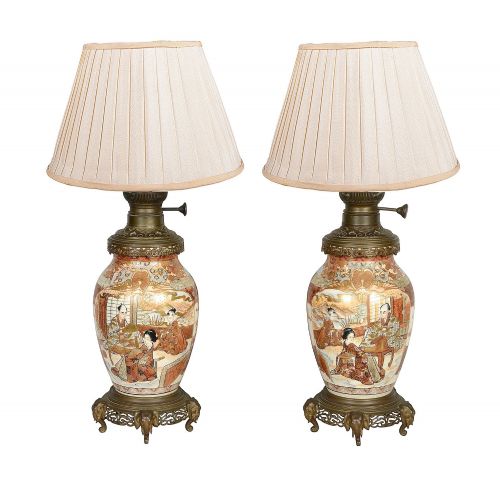
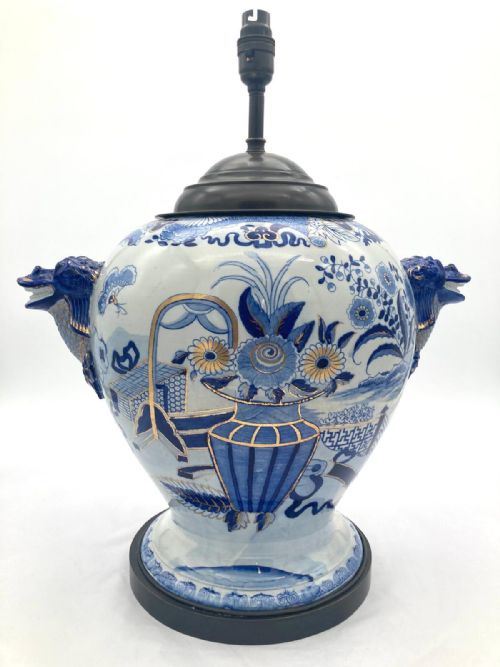


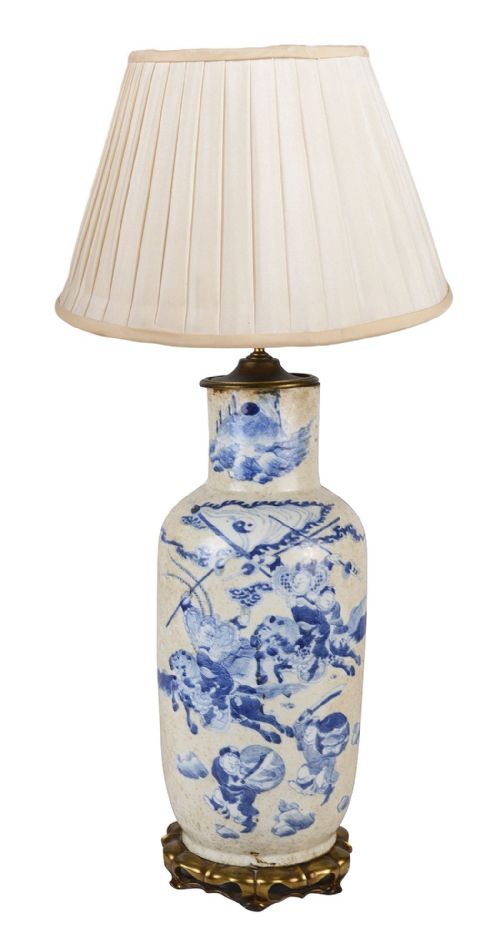
Ceramic Vase Desk Lamps
Ceramic vase desk lamps bring historic oriental and European vessels into working domestic lighting.
Ceramic Vase Desk Lamps
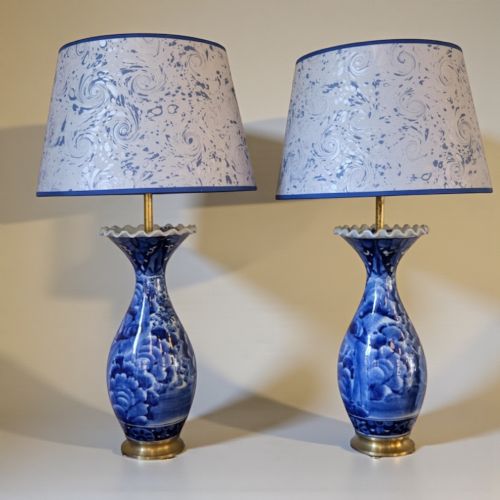
When you search for ceramic vase desk lamps, you encounter converted vessels ranging from seventeenth-century Japanese porcelain to nineteenth-century French and Chinese earthenware. These objects combine historical ceramic bodies with electrical fittings to serve as functional table lighting.
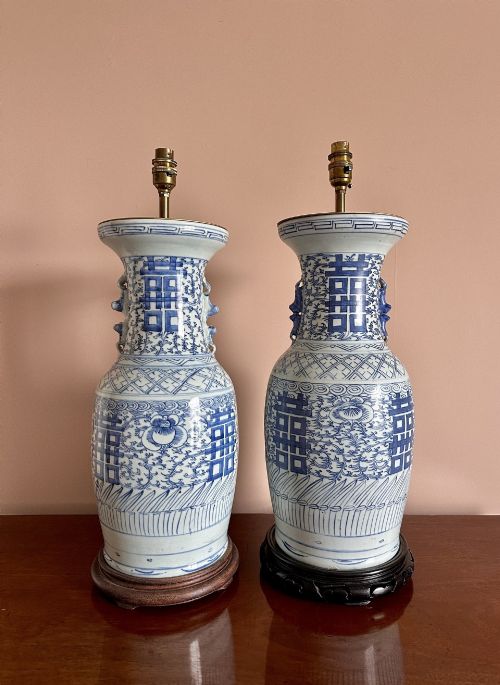
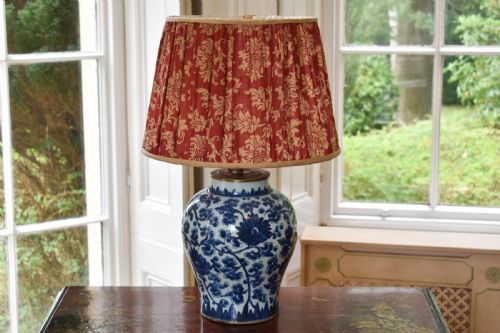
The most frequent examples on this page are nineteenth-century Chinese blue and white porcelain and Japanese Satsuma pieces, often found in pairs. Such lamps adapt ginger jars, spill vases, and decorative vessels into height-adjustable or standard desk illumination.
Earlier centuries appear through eighteenth-century Delft and Arita Imari wares, alongside seventeenth-century Japanese pieces. Each item retains its original painted or crackleware surface while incorporating modern wiring for practical use.
Materials and Conversion Techniques
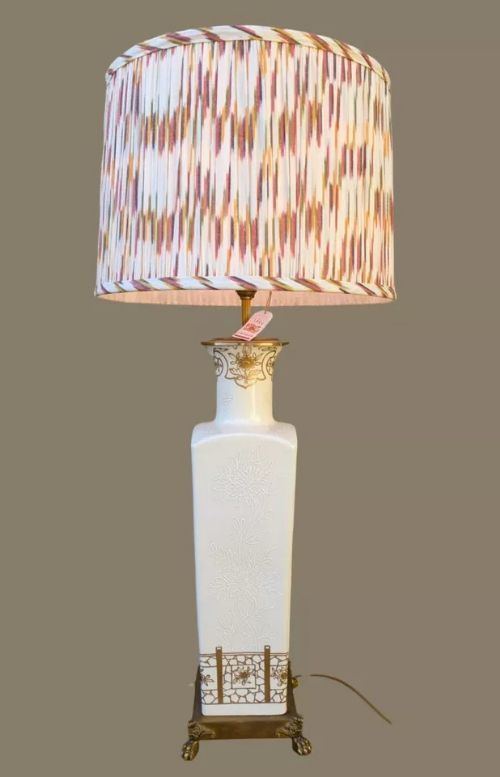
Makers utilised high-fired porcelain, ironstone, and earthenware as the primary structural bodies for these lamps. Artisans mounted these ceramic containers onto brass bases or topped them with ormolu fittings to secure the electrical components.
Conversion typically involved drilling the base or mounting the hardware through existing apertures without damaging the hand-painted glazes. Fabric and silk shades then completed the assembly, paired with wood or enamel structural accents.
Ceramic Vase Desk Lamps Retail Price Guide 2026
Typical asking prices for ceramic vase desk lamps among the pieces listed under this phrase on Sellingantiques today, from the lower quarter to the upper quarter. They describe what is for sale here now, not the wider market.
Several ginger jars spent centuries holding herbs before someone fitted them with a lightbulb.
Distinctions in Quality
Quality rests upon the preservation of the original ceramic glaze and the precision of the metal mounts. Superior examples maintain crisp hand-painted details on the porcelain without obscuring the historical character of the vessel.
The integration of the electrical hardware dictates daily utility. Finer pieces balance the heavy ceramic weight securely against the brass or ormolu mounts to ensure stability on a desk.
Hicks and Meigh·Samson
The Ceramic Vase Desk Lamps Glossary
- Famille Verte
- A porcelain enamel palette dominated by green hues, originating in China during the Qing dynasty. This style often depicts floral and figural scenes across nineteenth-century lamp bases.
- Imari
- A Japanese export porcelain style characterised by underglaze blue and iron red, with supplementary gold. Pieces from this tradition display dense patterns suited for decorative lighting.
- Ormolu
- Gilded bronze used for decorative mounts and fittings on nineteenth-century European and converted Asian vessels. This metalwork secures the ceramic body to the lamp base.
- Satsuma
- Earthenware pottery from Japan featuring a crackled ivory glaze and polychrome enamel decoration. These wares appear frequently in nineteenth-century table lighting.
- Celadon
- A pale green jade-like ceramic glaze applied to high-fired porcelain bodies. This monochrome finish provides a subtle surface texture for converted desk lamps.
Ceramic Vase Desk Lamps: Frequently Asked Questions
How do I clean a ceramic lamp base?
Dust the porcelain surface gently with a dry microfibre cloth to protect the painted glazes and any gilt mounts.
Avoid liquid cleaners or abrasive agents that might compromise historical finishes or seep into electrical components.
Are these lamps recently rewired?
Many historical conversions receive updated wiring to meet modern safety standards for desk use.
Check individual listings to confirm the current state of the electrical fittings and plugs.
Can I replace the lampshade safely?
Standard hardware fittings allow you to swap fabric or silk shades to match your interior decor.
Ensure the new shade matches the proportional height and weight distribution of the ceramic vase.
How are different periods identified?
Periods are determined through glaze characteristics, potting techniques, and historical art motifs such as Qing Dynasty designs.
Makers marks and regional stylistic traits further clarify the age of the porcelain.