


Ceramic Rose Vase
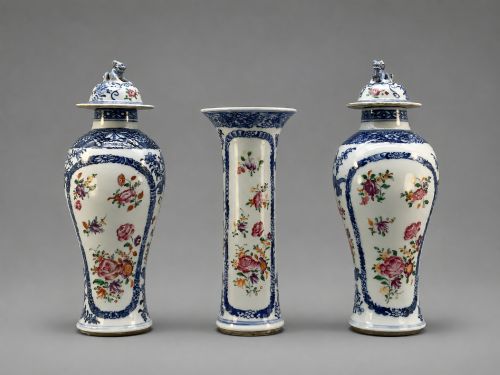
When you search for a ceramic rose vase, you uncover centuries of porcelain tradition spanning intricate Chinese famille rose and European interpretations.
Ceramic Rose Vase
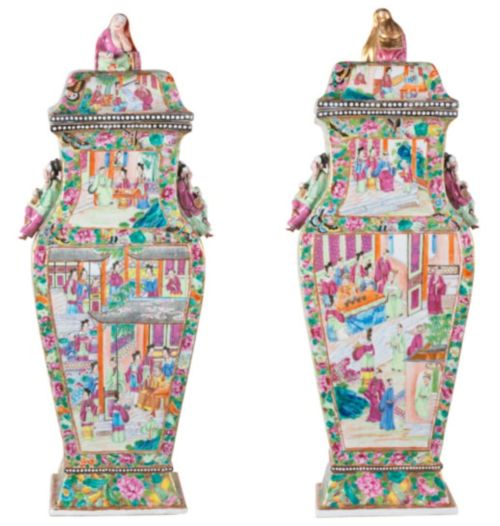
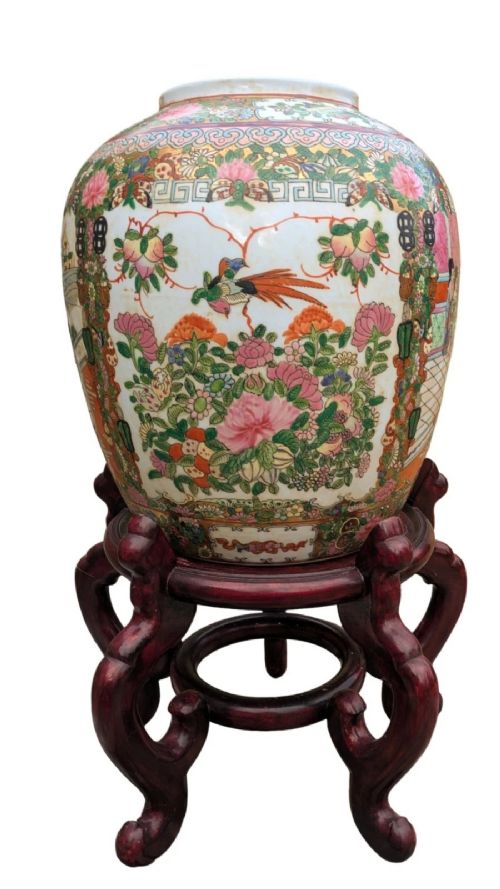
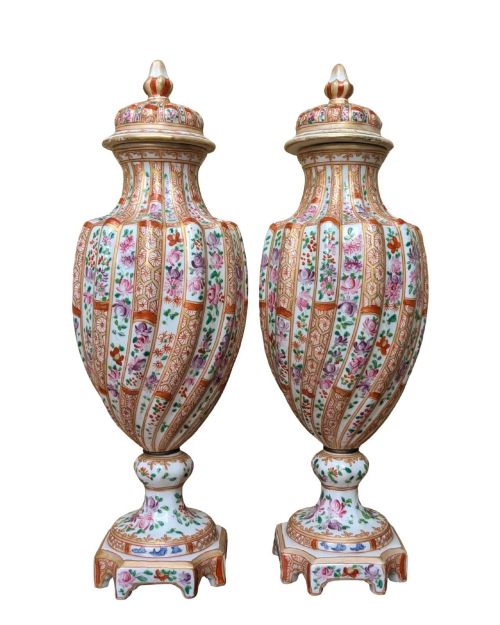
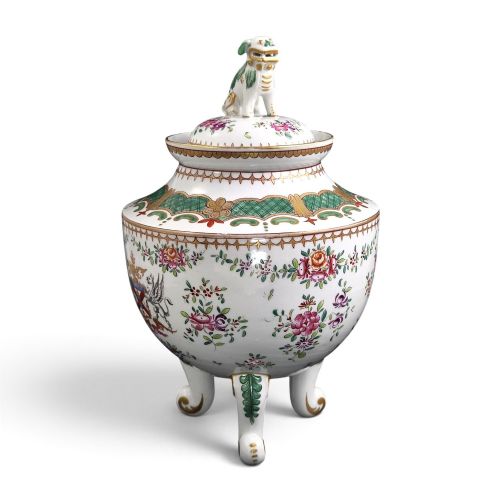
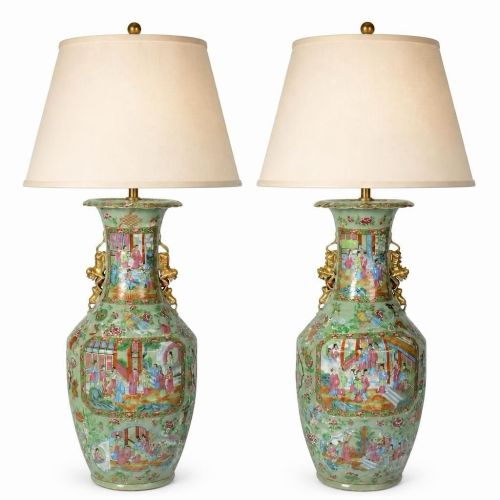
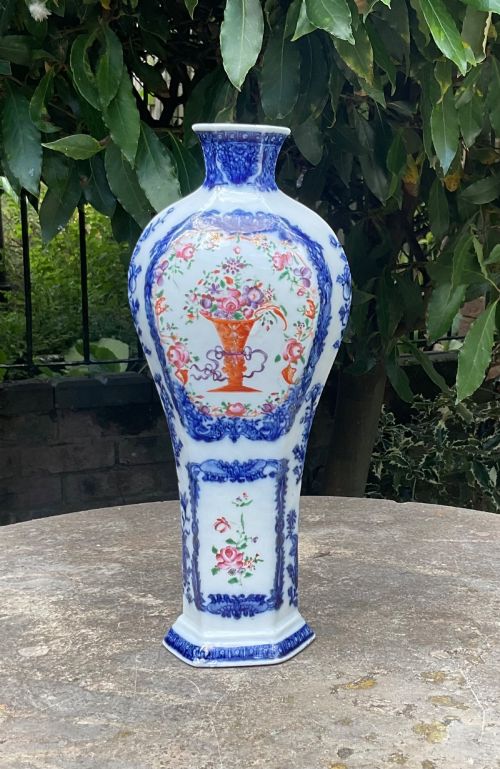
A ceramic rose vase brings together centuries of porcelain and stoneware traditions, focusing heavily on Chinese export pieces and Qing dynasty works alongside European variations. You encounter forms ranging from monumental floor vases and moon flasks to lidded urns and table lamps adapted from earlier vessels. These objects often display complex narrative scenes, floral arrangements, or armorial designs.
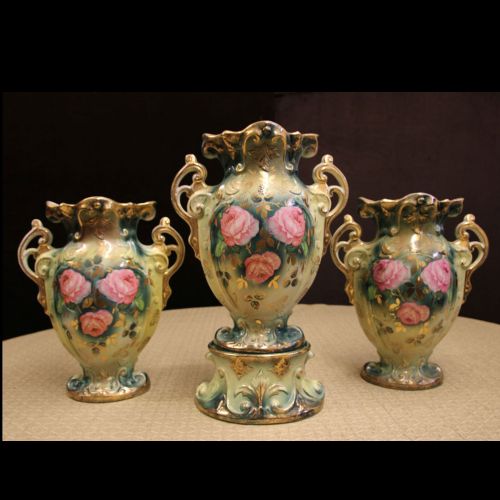
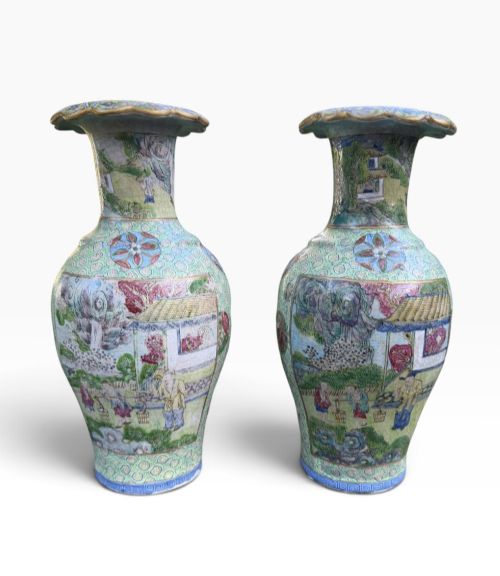
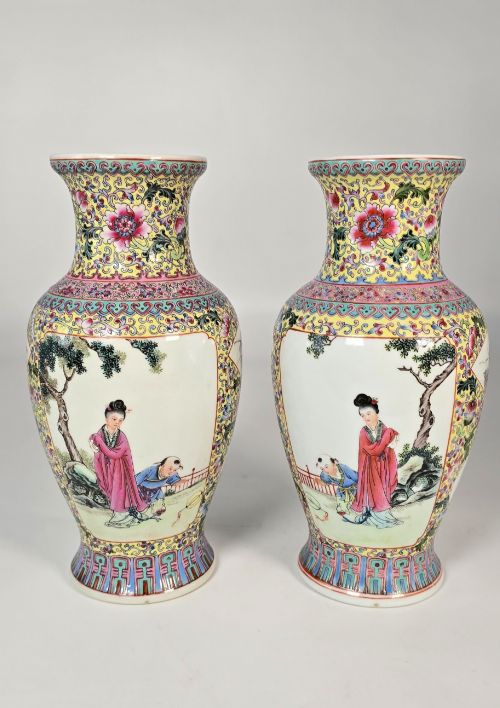
The pieces on this page lean heavily toward nineteenth-century production, incorporating Canton and Jingdezhen styles alongside French and English interpretations. Buyers find both individual statement vessels and matched pairs suitable for mantelpieces or larger decorative schemes. Each vessel reflects the specific aesthetic priorities of its period, whether that involves vibrant enamel palettes or restrained floral motifs.
Materials and techniques
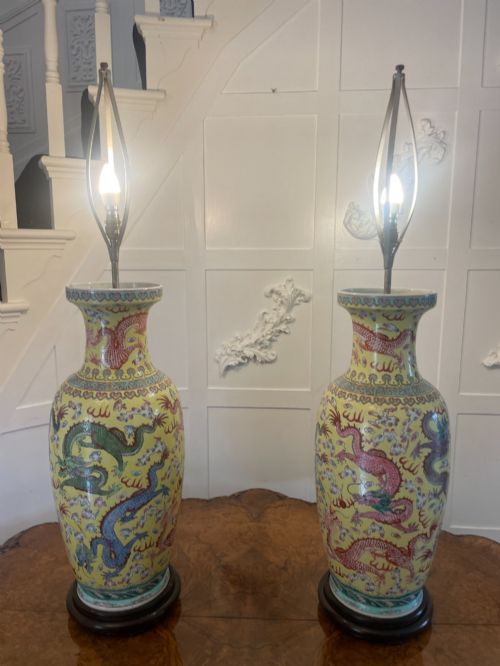
Potters relied on fine porcelain and stoneware bodies, shaped on the wheel or pressed into moulds to create baluster, garlic-head, and moon flask profiles. Artisans then applied complex overglaze enamels, often combining pink enamel fields with iron-red details, gilding, and finely painted figural scenes. Many nineteenth-century examples incorporate additional mounts in brass or ormolu, while others show conversion work into functional table lamps.
Firing techniques allowed for rich colour retention, particularly in the famille rose and rose medallion palettes that define this group. Hand-painting remains a constant feature across both Chinese export workshops and European factories like Samson of Paris or Royal Worcester. The physical weight and glaze depth reveal the deliberate care taken in the kiln.
Ceramic Rose Vase Retail Price Guide 2026
Typical asking prices for ceramic rose vase among the pieces listed under this phrase on Sellingantiques today, from the lower quarter to the upper quarter. They describe what is for sale here now, not the wider market.
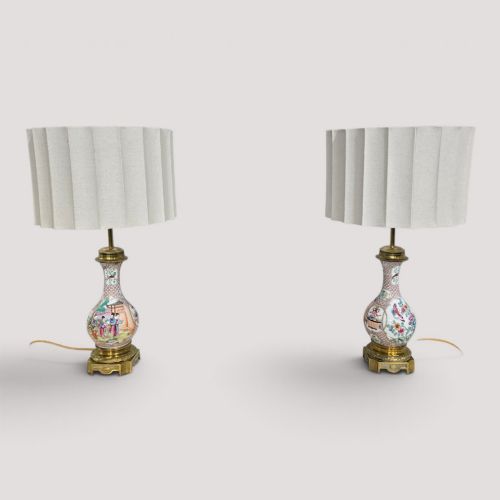
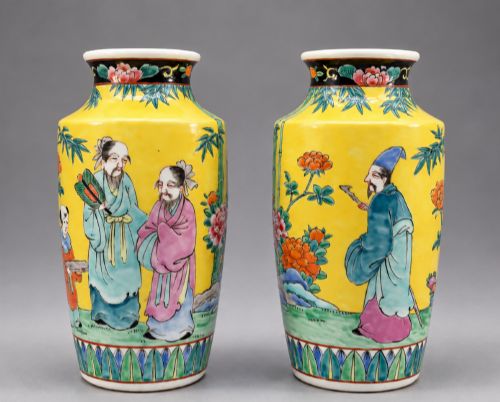
Even immortals need good lighting, judging by the number of scholars and deities sharing shelf space with electrical cords.
Quality variations
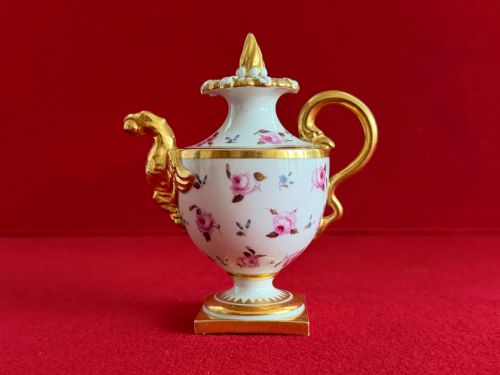
Execution of the hand-painted enamel work determines the upper tier of these pieces, where brushwork on figures, birds, and flowers displays exceptional control and minute detail. Superior vessels maintain crisp definition in their gilt highlights and possess well-balanced proportions across complex forms like garnitures and floor vases. Lesser examples often show repetitive stencilling or hurried application in secondary decorative borders.
The clarity of the porcelain body and the stability of the glaze further separate standard production from masterworks. Marks denoting specific reigns or maker signatures often correlate with superior material refinement and deeper historical provenance. Balance in paired items and originality of mounts also influence the standing of any given piece.
Edme Samson·Samson Paris·Flight Barr and Barr·Royal Worcester·Minton·Gao Hengsheng
The Ceramic Rose Vase Glossary
- Famille Rose
- A palette of opaque overglaze enamels dominated by pink or rose colours, introduced in Chinese porcelain during the Qing dynasty. It allowed artists to achieve subtle tonal gradations in floral and figural compositions.
- Canton Porcelain
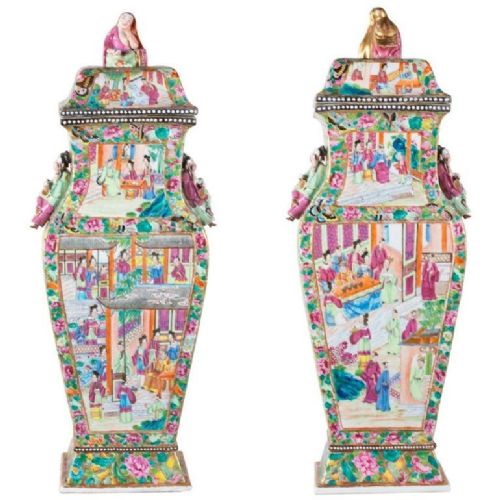
- Export porcelain decorated in Canton, featuring crowded panels of figures, birds, and flowers set against gilt backgrounds. This style became immensely popular in nineteenth-century trade.
- Moon Flask
- A flat-backed, circular flask with a short neck and two small handles, often standing on an oval foot. Potters used this distinctive shape for both display and ceremonial purposes.
- Rose Medallion
- A specific style of Canton porcelain decoration divided into alternating geometric and figural panels filled with pink roses and birds. It represents one of the most recognisable export patterns from the Victorian era.
- Ormolu
- Gilded bronze used for decorative mounts, handles, and bases on nineteenth-century porcelain vessels. It adds structural weight and a polished metallic contrast to the ceramic body.
Ceramic Rose Vase: Frequently Asked Questions
How do I identify a genuine nineteenth-century piece?
Examine the foot rim for signs of age, wear, and the specific texture of the unglazed paste. Nineteenth-century examples often exhibit hand-mixed enamels that sit slightly proud of the white porcelain surface.
Look closely at the hand-painted details under magnification to check for the irregularities typical of period brushwork rather than modern transfer printing. Weight, glaze depth, and any reign marks provide further context for dating.
Were these vases originally made as lamps?
Most of these vessels started life as decorative vases, urns, or ginger jars before being converted into table lamps in later decades. This adaptation was common during the late nineteenth and early twentieth centuries to suit contemporary domestic lighting needs.
Buyers should inspect the base and collar areas to see how the conversion was executed without damaging the original ceramic body. Many listings retain the option to appreciate the piece in its original vessel form or as a functional lamp.
What is the difference between famille rose and rose medallion?
Famille rose describes any Chinese porcelain decorated primarily with the opaque pink enamel introduced in the eighteenth century. It covers a vast range of single-subject paintings, landscapes, and scholar scenes.
Rose medallion is a specific subset of Canton export ware defined by its partitioned layout of alternating panels filled with figures and birds surrounded by rose blooms. Every rose medallion piece uses famille rose enamels, but not all famille rose pottery follows the medallion layout.