



Ceramic Portrait Sculpture
Ceramic portrait sculpture captures likenesses in clay, porcelain and terracotta, offering collectors enduring character studies and finely modelled historical figures.
Ceramic Portrait Sculpture
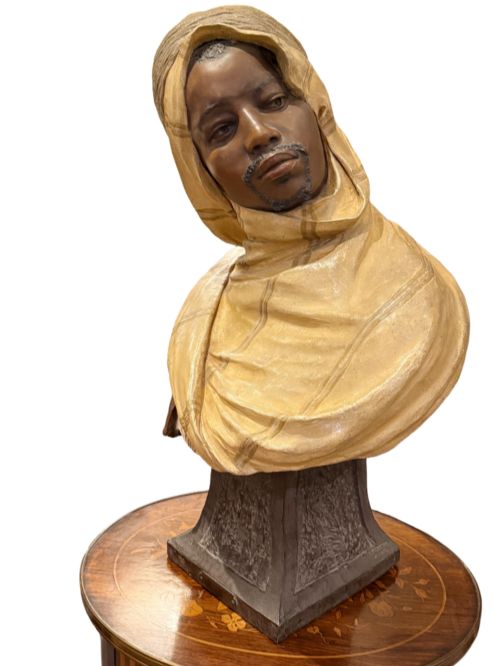
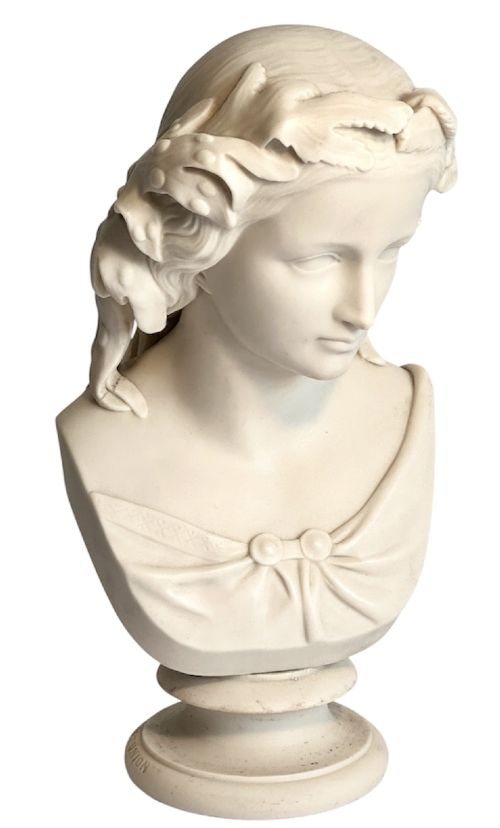
When you search for ceramic portrait sculpture, you encounter a diverse gathering of busts, wall plaques and sculptural figures spanning the nineteenth century through the mid-twentieth century. The selection leans heavily towards terracotta and parian porcelain busts, capturing literary heroes, royalty, classical figures and regional character studies. Makers across Britain, France, Austria and Italy utilised these mediums to render expressive human likenesses.
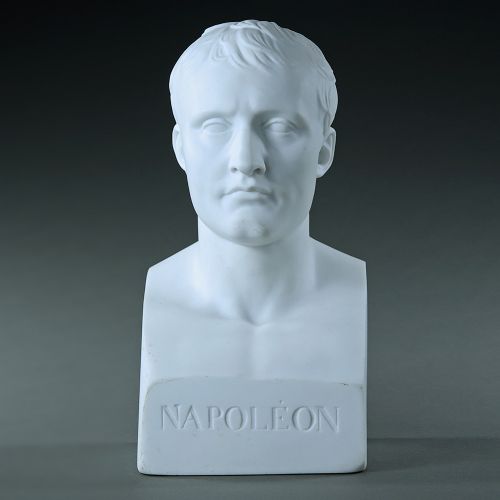
Most examples take the form of tabletop busts mounted on integrated plinths or separate stands, reflecting Victorian, Art Nouveau, Neoclassical and Art Deco aesthetics. Pieces range from classical women and historical monarchs like Napoleon and Marie Antoinette to Orientalist subjects and local beauties. This variety allows collectors to focus on specific stylistic movements or particular historical personas represented in clay and porcelain.
Materials and methods
Plaster also appears as a sculptural medium, capturing crisp details in works from the early twentieth century. Artisans combined traditional modelling techniques with industrial casting methods, particularly in major European factories and studios, to produce both unglazed matte surfaces and carefully painted finishes.
Ceramic Portrait Sculpture Retail Price Guide 2026
Typical asking prices for ceramic portrait sculpture among the pieces listed under this phrase on Sellingantiques today, from the lower quarter to the upper quarter. They describe what is for sale here now, not the wider market.
Listings feature terracotta, parian porcelain, bisque porcelain and plaster, reflecting sculptural traditions across the nineteenth and early twentieth centuries.
Assessing quality and execution
The reputation of the maker and the fidelity of the cast dictate distinction within the medium. Pieces produced by established manufactories or signed by named sculptors demonstrate superior material preparation and kiln control. An original finish, whether unglazed bisque, polychrome terracotta or patinated plaster, preserves the intended aesthetic of the period.
Goldscheider·Ernst Wahliss·Georges Morin·A.Gory·Bohumil Rezl
The Ceramic Portrait Sculpture Glossary
- Terracotta
- Fired clay used for sculptural works, ranging in colour from pale buff to deep reddish-brown. It allows for expressive modelling and accepts various painted or patinated finishes.
- Parian Porcelain
- A fine-grained, unglazed porcelain developed in the nineteenth century to imitate carved marble. Its smooth, matte surface handles neoclassical detail with exceptional clarity.
- Neoclassical
- A style drawing inspiration from classical antiquity, prominent in nineteenth-century portraiture. It emphasises restrained emotion, balanced proportions and classical dress.
- Art Nouveau
- A decorative style characterised by flowing, organic lines and natural forms, prevalent around nineteen hundred. Busts from this period often incorporate dynamic hair styling and floral motifs.
Ceramic Portrait Sculpture: Frequently Asked Questions
What periods do these sculptures represent?
The pieces span the nineteenth century through the mid-twentieth century, capturing the stylistic shifts from Neoclassical and Victorian aesthetics into Art Nouveau and Art Deco.
Key periods include the Victorian era, the Art Nouveau movement around nineteen hundred, and early twentieth-century modernism.
How were these busts displayed originally?
These sculptures were designed as interior decorative objects for libraries, studies and formal drawing rooms. They stood upon mantelpieces, pedestals, or dedicated brackets to display learning and taste.
Many incorporate integral bases or plinths specifically intended for tabletop placement.
What is the difference between terracotta and parian?
Terracotta is fired clay with a warm, earthy tone that takes paints, patinas and bronzed finishes readily. Parian is a specialised porcelain designed to mimic carved white marble with a smooth matte texture.
Both materials require different firing temperatures and production techniques.