




Ceramic Milk Creamer
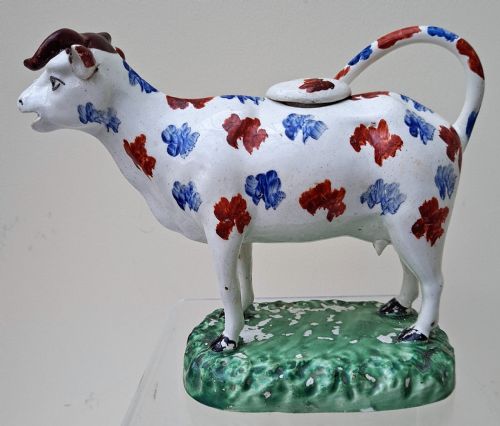
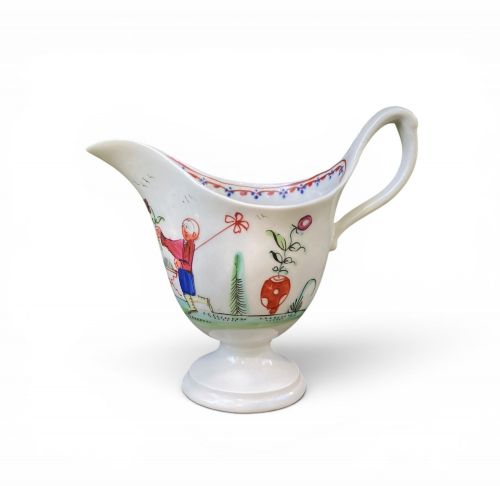
A ceramic milk creamer is a small vessel for table service, taking forms from Staffordshire cow figures to Worcester porcelain ewers.
Ceramic Milk Creamer
A ceramic milk creamer serves to hold and pour dairy at the tea or breakfast table, appearing in forms ranging from straightforward pitchers to figural cow creamers and low Chelsea ewers.
The pieces on this page span the eighteenth, nineteenth, and early twentieth centuries, covering Georgian, Regency, and Victorian periods alongside Art Nouveau and folk art expressions.
Makers and potteries from English, Welsh, and continental centres shaped these vessels in earthenware, porcelain, stoneware, and pearlware for daily domestic use or display.
Materials and methods of production
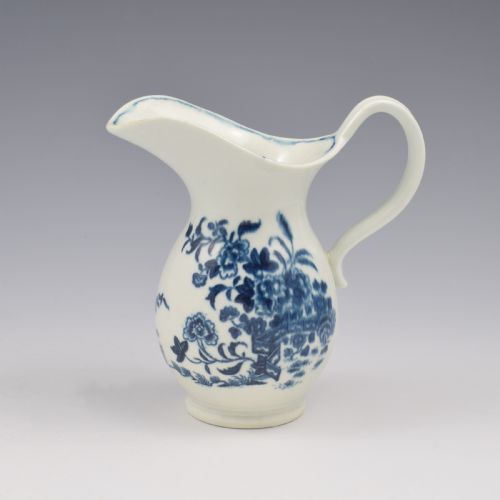
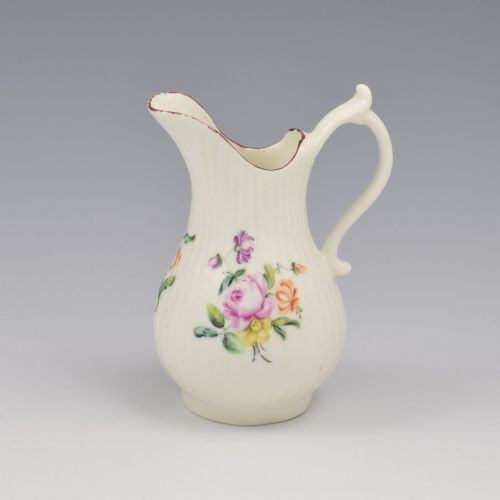
Potters shaped bodies from soft-paste porcelain, earthenware, and fine stoneware, often utilising moulds for figural cow creamers or fluted baluster profiles.
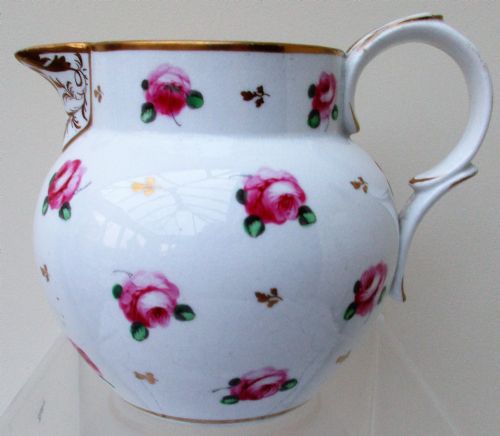
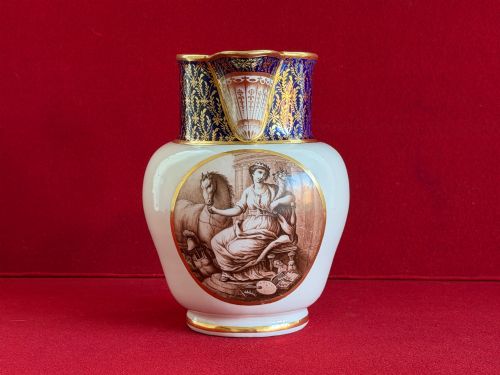
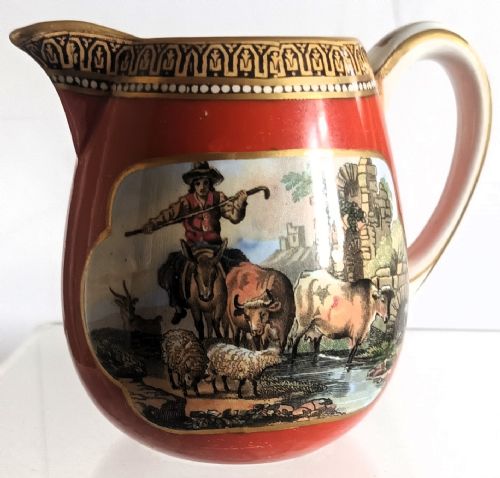
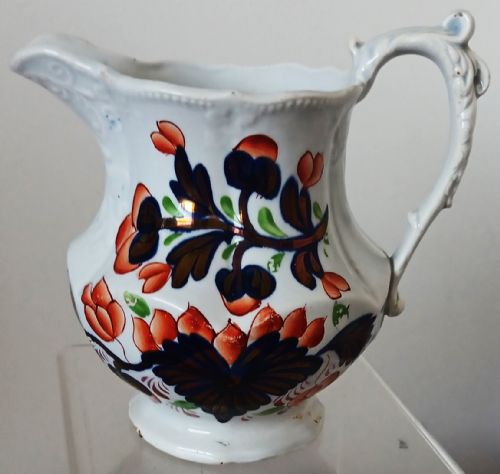
Surface decoration combined hand-painted floral panels, birds, and armorial crests with transfer printing, lustre accents, and gilt or gold leaf highlights over enamel glazes.
Ceramic Milk Creamer Retail Price Guide 2026
Typical asking prices for ceramic milk creamer among the pieces listed under this phrase on Sellingantiques today, from the lower quarter to the upper quarter. They describe what is for sale here now, not the wider market.
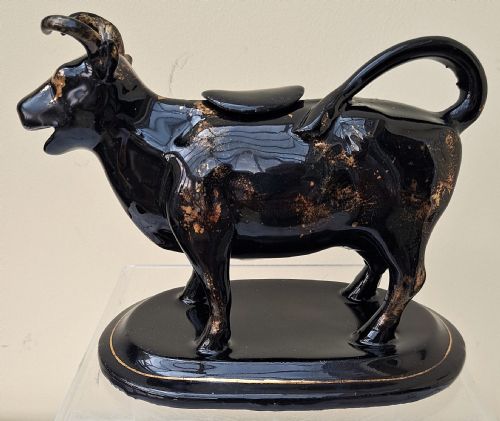
Several Staffordshire cows arrive complete with tiny milkmaid figures riding on their backs.
Assessing quality in early creamers
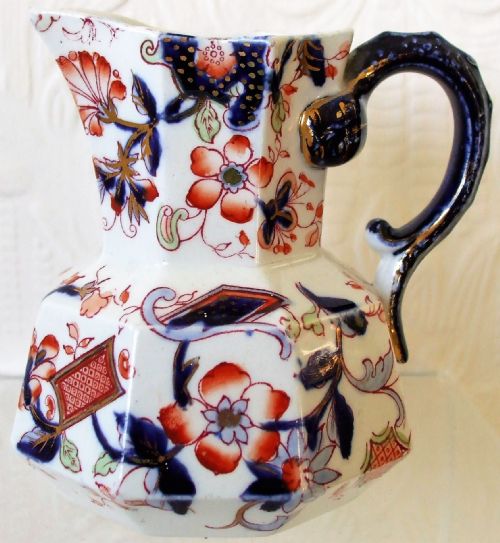
Quality rests upon the crispness of moulding, particularly in complex figural pieces like cow creamers or Hydra jugs, where sharper relief denotes better tooling.
Finishing separates standard production from superior output, seen in the precision of hand-painted enamels, the control of transfer printing, and the even application of gilding.
Dr Wall Worcester·Derby Porcelain·New Hall·Keeling and Co·Doulton Lambeth·Masons·H and R Daniel·Royal Worcester·Leeds Pottery·Royal Davenport·Chamberlain Worcester·John Rose Coalport·Meissen·Rockingham·Copeland Spode·Wedgwood·Keith Murray
The Ceramic Milk Creamer Glossary
- Pearlware
- A refined earthenware developed in the late eighteenth century, featuring a clear glaze with a faint blue tint pooling in crevices.
- Cow creamer
- A figural vessel shaped as a cow with a milk-pouring opening on its back, popular in Staffordshire and Welsh potteries.
- Hydra jug
- A vessel featuring a distinctive serpentine handle and wide spout, often associated with early English porcelain factories.
- Basalt
- A fine-grained, black vitrified stoneware developed in the eighteenth century, requiring no glaze to achieve its characteristic matte finish.
- Lustre
- A metallic pottery glaze imparting a copper, silver, or purple iridescent sheen derived from thin metallic films.
Ceramic Milk Creamer: Frequently Asked Questions
What is a cow creamer?
A cow creamer is a hollow ceramic figurine of a cow designed to hold milk or cream. Liquid is poured in through an opening on the back and poured out through the animal's mouth.
These pieces were made in Staffordshire and Wales during the Georgian and Victorian eras, functioning as both practical tableware and whimsical conversation pieces.
How do I date a porcelain creamer?
Dating relies on material characteristics, paste composition, and painted or printed motifs. Eighteenth-century pieces often show unglazed foot rims and distinct porcelain bodies associated with factories like Worcester or New Hall.
Later nineteenth-century items introduce industrial transfer printing, heavier bodies, and registration marks that narrow down the year of production.
Are these creamers safe to use?
While these vessels were originally made for dining and tea service, older ceramics with historical glazes and fine enamel work are generally reserved for display.
Historic glazes can contain lead, and antique porcelain or earthenware is vulnerable to thermal shock and modern detergents.