




Ceramic Leaf Dishes
Ceramic leaf dishes bring botanical forms to the table in porcelain, earthenware and majolica, offering a tactile piece of natural history for the home.
Ceramic Leaf Dishes
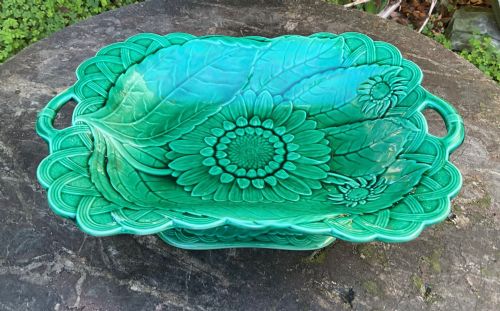
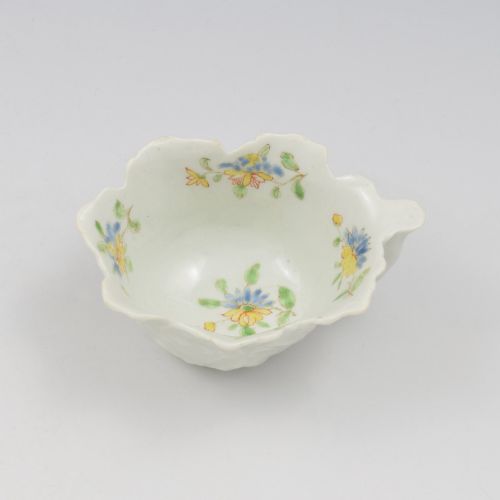
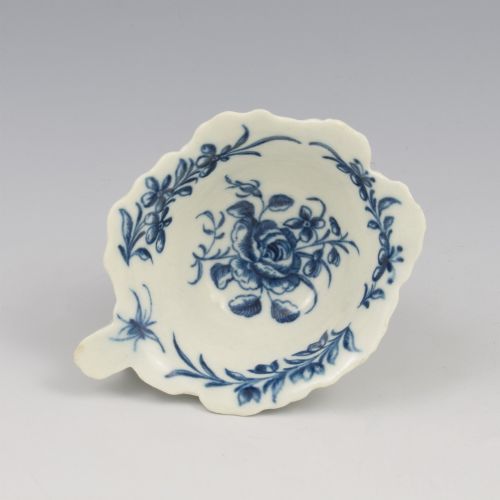
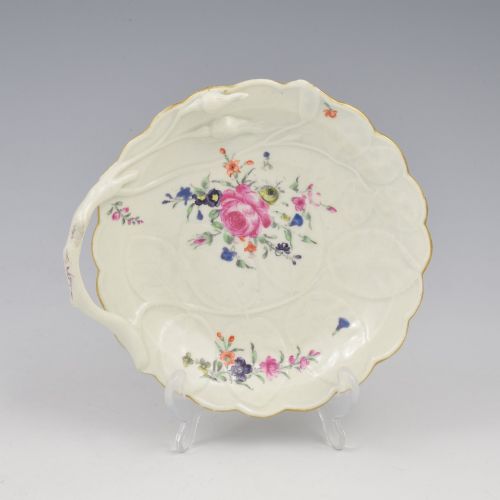
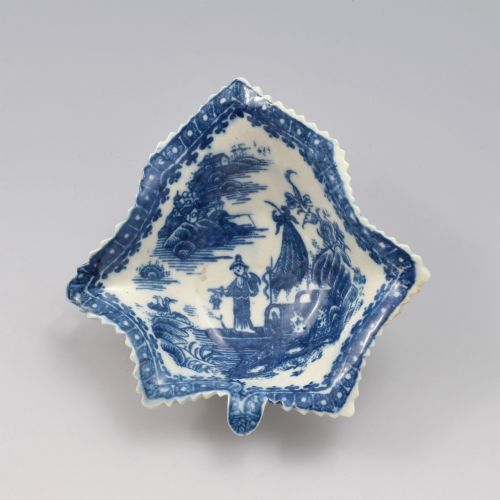
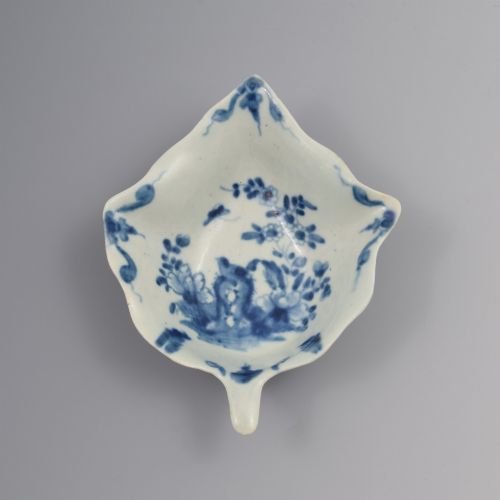
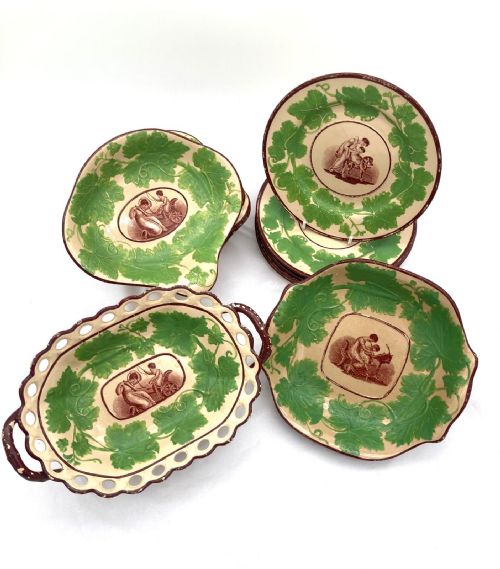
When you search for ceramic leaf dishes, you encounter plates, pickle dishes, and sweetmeat servers modelled directly on foliage from the 18th century onward. The most common examples on this page date from the Georgian and Victorian periods, taking the shape of vine, cabbage, or begonia leaves.
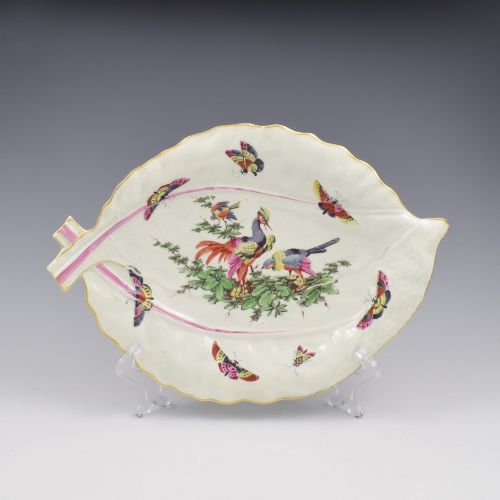
Makers shaped these vessels to mimic natural veins and serrated edges, often painting them with realistic green, yellow, or pink glazes. They function as both decorative plates and utilitarian serveware for pickles, fruit, or small courses.
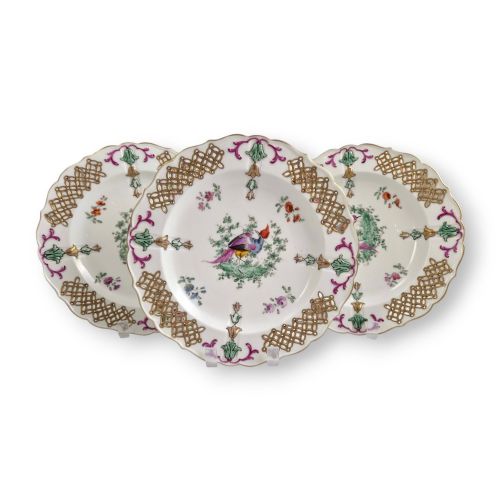
The selection ranges from early soft-paste porcelain leaf dishes produced at factories like Worcester to colourful majolica earthenware from the later Victorian era. Each piece captures a specific horticultural interest of its period, from naturalism to classical revival.
Materials and production
Potters utilised soft-paste porcelain, bone china, and earthenware, shaping the clay in moulds taken from actual leaves to capture precise botanical textures. Artisans then applied coloured enamel paints and underglaze blue transfers before firing the pieces in kilns.
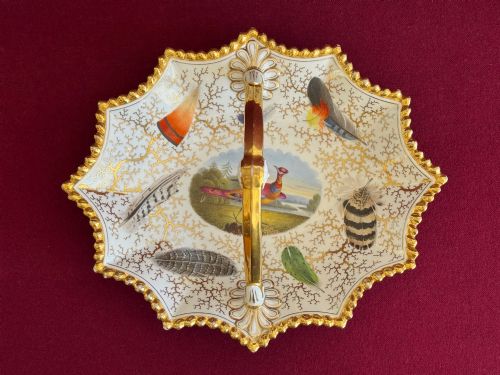
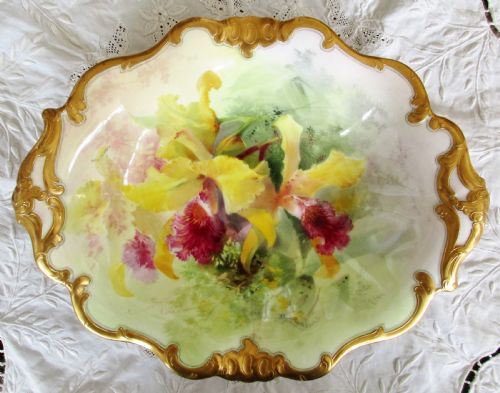
Majolica pieces relied on heavy moulded earthenware bodies coated in opaque coloured glazes that pooled in the recesses of the leaf veins to create depth. Gilt and gold leaf accents frequently highlighted the edges of high-status cabinet plates from porcelain manufactories.
Ceramic Leaf Dishes Retail Price Guide 2026
Typical asking prices for ceramic leaf dishes among the pieces listed under this phrase on Sellingantiques today, from the lower quarter to the upper quarter. They describe what is for sale here now, not the wider market.
Early potters pressed fresh leaves directly into wet clay to capture nature, leaving behind accidental botanical ghosts in the ceramic.
Judging quality in moulded ceramics
The crispness of the moulding dictates the success of a leaf dish, as inferior examples lose the sharp detail of natural veins through worn moulds. Hand-painted botanical precision separates standard production ware from superior cabinet pieces, where artists rendered insects, fruit, or shaded foliage with individual brushwork.
The translucency of the body and the smoothness of the glaze finish define the upper tier of porcelain items. Heavier earthenware pieces depend on the richness and uniformity of the coloured majolica glazes across the modelled surface.
Dr Wall Worcester·Royal Worcester·Caughley·Royal Doulton·Minton
The Ceramic Leaf Dishes Glossary
- Soft-paste porcelain
- A glassy ceramic composition fired at lower temperatures than hard paste, popular in 18th-century English factories. It produces a warm, slightly creamy body ideal for delicate painted decoration.
- Majolica
- A heavy earthenware pottery covered with lead glazes opacified with tin, widely utilised for brightly coloured Victorian leaf and animal tableware. The technique yields rich greens, browns, and purples.
- Pickle dish
- A small, specialised serving vessel shaped to hold condiments or pickles at the dining table. They frequently took organic forms such as leaves or shells.
- Sweetmeat dish
- A small dish designed for serving confectionery, nuts, or preserved fruits during formal meals. These often featured intricate moulded patterns like the Blind Earl design.
- Cabinet plate
- A decorative ceramic plate intended for display in a cabinet rather than for dining. They usually feature detailed hand-painted scenes or botanical studies by named artists.
Ceramic Leaf Dishes: Frequently Asked Questions
How do I clean an antique ceramic leaf dish?
Wash these items by hand using warm water and mild soap, avoiding dishwashers entirely to protect the historic glaze and any gilt edges.
Dry them immediately with a soft cloth to prevent moisture pooling in unglazed foot rings or older hairline fractures.
Were these dishes used for dining?
Many smaller pickle and sweetmeat dishes served practical functions on the 18th-century dining table for condiments and small delicacies.
Larger cabinet plates and majolica comports were often intended for display or dessert courses during formal Victorian meals.
How can I tell 18th-century porcelain from 19th-century earthenware?
Eighteenth-century porcelain pieces, such as those from Worcester, feel lighter, show greater translucency when held to the light, and often feature delicate hand-painted underglaze blue or polychrome enamels.
Nineteenth-century majolica and ironstone items are heavier, thicker, and use opaque coloured glazes over moulded earthenware bodies.
Can I display them on walls?
Certain plates and dishes feature pierced foot rings designed for hanging, though standard cabinet plates require specialist wire hangers.
Ensure any wall mount grips the rim securely without applying excessive pressure to the delicate moulded leaf edges.