



Ceramic Figure Candle Holder
These ceramic figure candle holders combine sculptural figures with functional sockets, offering period charm and decorative presence.
Ceramic Figure Candle Holder
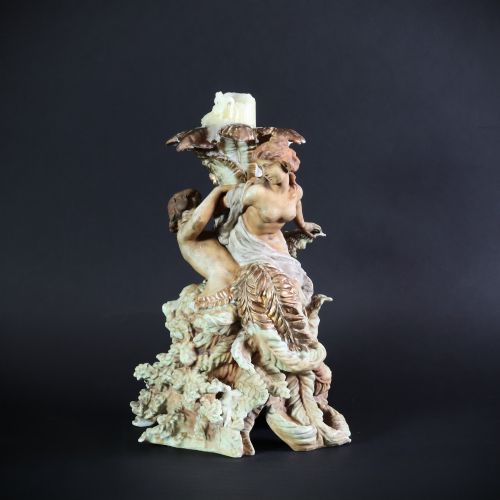
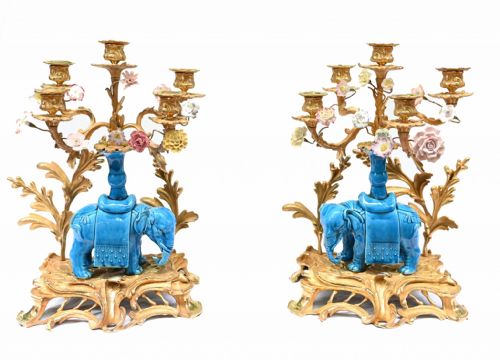
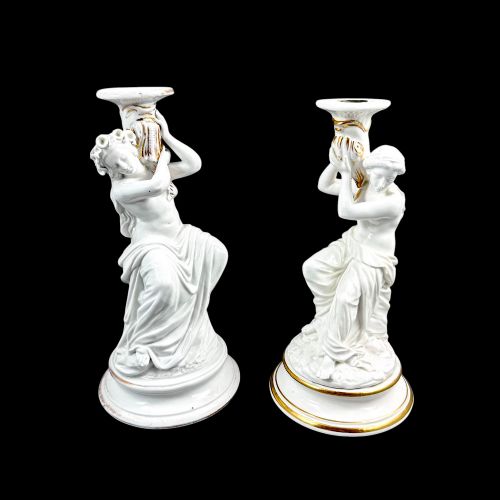
A ceramic figure candle holder merges figural sculpture with a functional lighting sconce, often depicting children, allegorical seasons, musicians or animals. These decorative objects date from the eighteenth and nineteenth centuries, spanning periods such as the Georgian, Victorian and Regency eras.
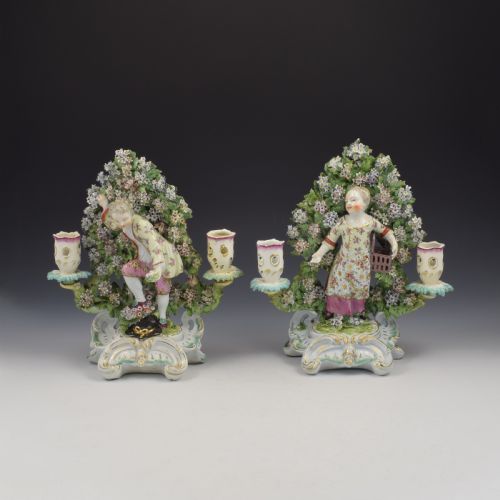
The pieces on this page appear predominantly as pairs, created by English and continental factories to flank mantlepieces and furniture. Prominent historical works include Derby bocage pieces, Royal Worcester Hadley designs and German porcelain manufactures.
How they were made
Potters utilised soft-paste and standard porcelain, earthenware, and delftware, shaping the figures through specialised moulding techniques. Artisans then applied enamel paints, gold leaf and gilding to enhance the ceramic surfaces.
Many eighteenth-century English examples incorporate delicate bocage work, featuring applied porcelain foliage and floral elements surrounding the central figures. German and English factories finished these pieces with detailed glazes before firing.
Ceramic Figure Candle Holder Retail Price Guide 2026
Typical asking prices for ceramic figure candle holder among the pieces listed under this phrase on Sellingantiques today, from the lower quarter to the upper quarter. They describe what is for sale here now, not the wider market.
Listings span the eighteenth and nineteenth centuries, featuring porcelain, earthenware and delftware across Georgian, Victorian and Regency styles.
What varies in quality
The survival of original sconces, delicate painted enamels and applied floral elements without extensive restoration separates finer examples from standard workshop output.
Derby Porcelain·Royal Worcester·James Hadley·Minton·Sitzendorf·Volkstedt·Bow·Chelsea·Wedgwood·Helena Wolfsohn
The Ceramic Figure Candle Holder Glossary
- Bocage
- Applied ceramic foliage and flowers forming a background arbour behind figures. This technique appears frequently on eighteenth-century English candlesticks.
- Sconce
- The socket or cup at the top of a candlestick that holds the candle in place. Many antique examples retain their matching paired sconces.
- Soft-paste porcelain
- An artificial porcelain composition fired at lower temperatures than hard paste, used extensively by early English factories like Derby and Chelsea.
- Polychrome
- Decoration executed in multiple colours. Artisans applied these mineral enamels by hand before secondary firing.
- Chamberstick
- A low-profile candle holder fitted with a handle and a drip pan, designed for carrying around a residence.
Ceramic Figure Candle Holder: Frequently Asked Questions
What are bocage candlesticks?
Bocage candlesticks feature applied ceramic leaves and flowers framing the central figures. This style was popular in eighteenth-century English porcelain.
The foliage creates an arbour effect behind subjects such as musicians, dancers or allegorical figures.
How do I identify a chamberstick?
A chamberstick incorporates a small saucer base and a loop handle for carrying. They were used to light pathways through rooms at night.
Most antique examples include a detachable nozzle to catch dripping wax.
Where were these candle holders made?
The pieces originate from major European ceramic centres in England and Germany. English factories like Derby, Bow, Chelsea and Minton produced distinct figural works.
Continental output includes pieces from German factories such as Sitzendorf, Volkstedt and Dresden.
How should I display them?
Display these candle holders on stable surfaces away from high traffic areas to protect delicate porcelain elements. Mantlepieces and sideboards provide traditional settings.
Keep them away from direct sunlight to preserve the hand-applied enamel colours.