



Ceramic Animal Sculpture
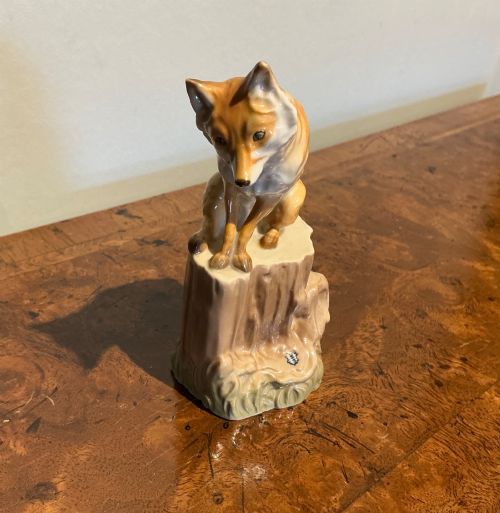
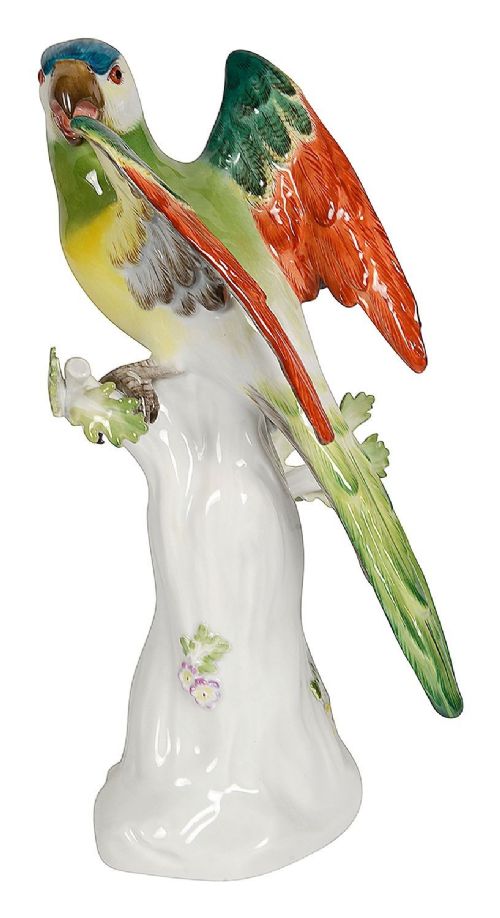
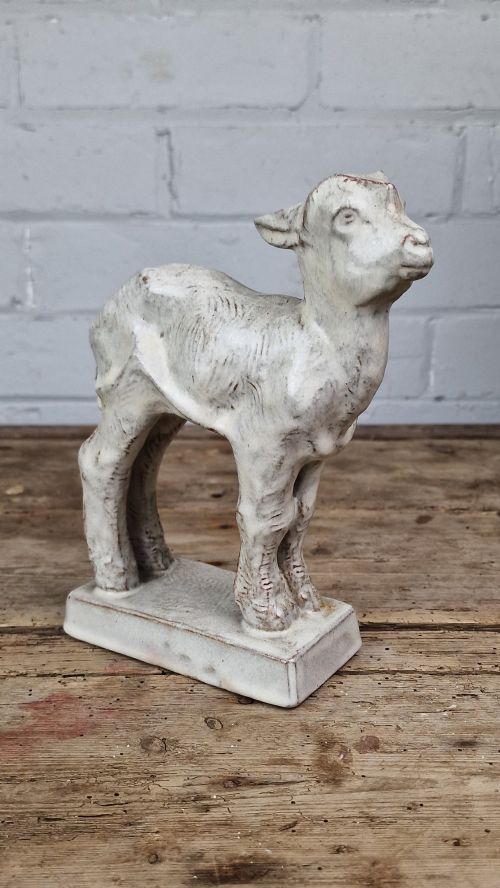
When you search for ceramic animal sculpture, you find figures and decorative objects shaped from clay, porcelain, and earthenware across several centuries.
Ceramic Animal Sculpture
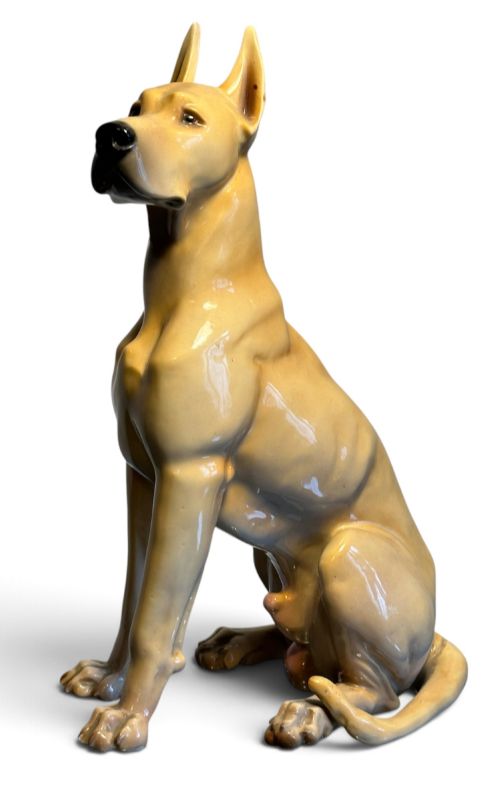
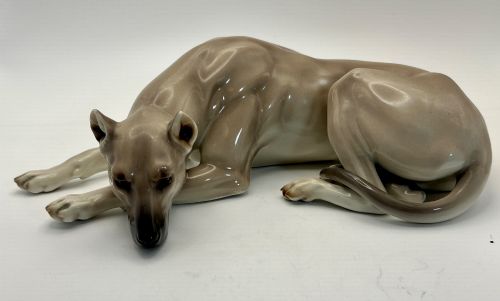
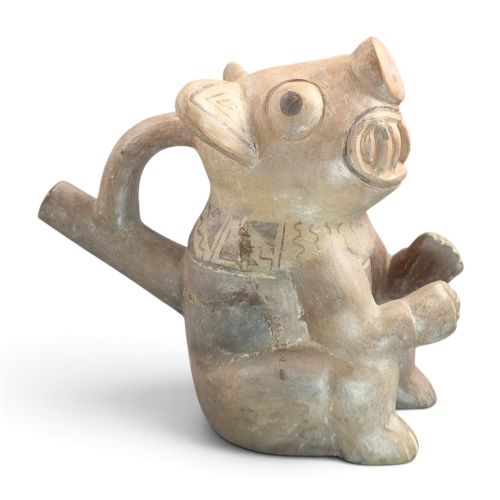
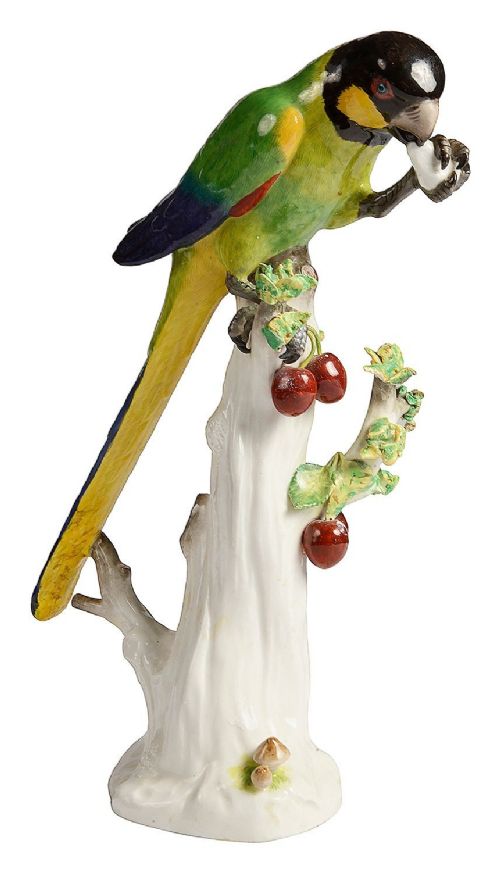
A ceramic animal sculpture encompasses figures, decorative objects, and pottery models depicting creatures from domestic dogs and farmyard birds to exotic beasts. You see these forms stretching from eighteenth-century European porcelain models to twentieth-century Art Deco earthenware studies.
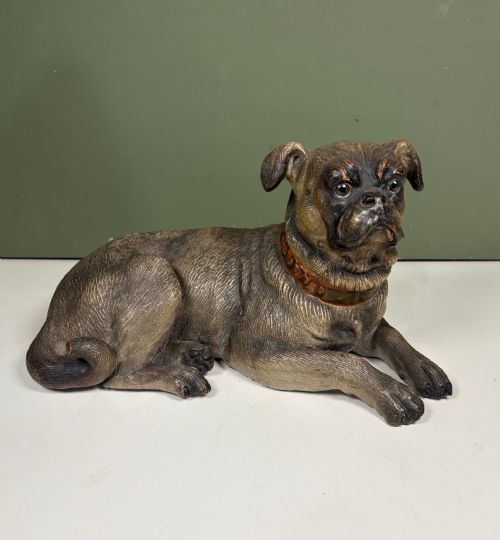
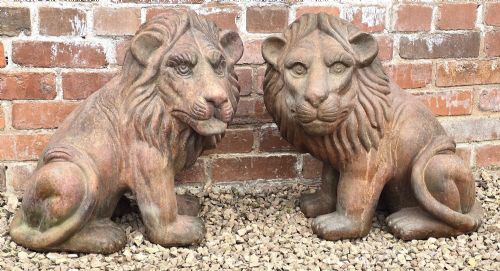
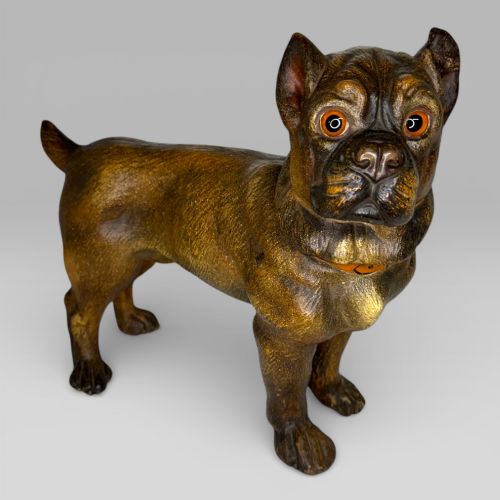
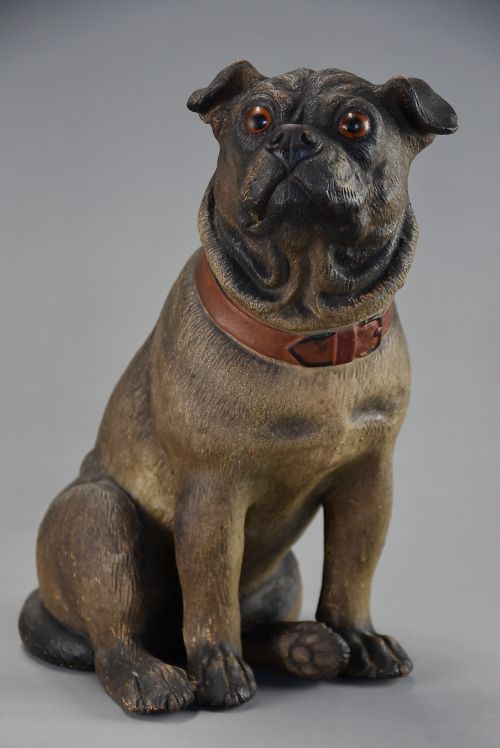
The versions you meet most frequently on this page belong to the nineteenth and twentieth centuries. These range from Austrian terracotta pugs and French pottery cats to English Victorian lions and Chinese turquoise-glazed figures.
Makers shaped these subjects to serve as mantel ornaments, bookends, centrepiece dishes, and table sculptures. Many pieces capture single animals resting or standing, while others portray pairs or dramatic predation scenes.
How they were made
Potters and sculptors shaped these works from materials including porcelain, earthenware, and terracotta, often applying coloured glazes or enamels before firing. Some factories utilised copper lustre glazes or added gilded highlights to accentuate the contours of the animal.
Workshops employed hand-modelling, pressing into moulds, and sculpting techniques to form the figures. Pieces like Chinese turquoise-glazed studies and French terracotta dogs show detailed surface carving and smoothing before the final kiln firing.
Ceramic Animal Sculpture Retail Price Guide 2026
Typical asking prices for ceramic animal sculpture among the pieces listed under this phrase on Sellingantiques today, from the lower quarter to the upper quarter. They describe what is for sale here now, not the wider market.
Glazes recorded across the items include sancai, turquoise, copper lustre, and plain unglazed finishes.
What varies in quality
Quality rests in the anatomical precision of the modelling and the sensitivity of the surface finish. Stronger pieces capture bone, muscle, and posture with conviction, avoiding stiffness or clumsy proportions in limbs and heads.
The handling of glaze and colour also defines the standard of a work. Subtle shading, clean application of enamel, and well-controlled firing temperatures separate ordinary production pieces from exceptional sculptural achievements.
Meissen·Royal Dux·Rosenthal·Guido Cacciapuoti·Nymphenburg
The Ceramic Animal Sculpture Glossary
- Terracotta
- A porous, brownish-red earthenware clay that is shaped and fired without a glossy glaze. It appears frequently in nineteenth-century continental figures and dogs.
- Celadon
- A transparent pale green glaze applied over porcelain or stoneware, originating in China. It creates a jade-like surface on vessels and animal carvings.
- Bocage
- An ornamental background of applied foliage and leaves made of porcelain or ceramic. It frames eighteenth-century and nineteenth-century animal figures such as stags.
- Majolica
- A type of earthenware coated with an opaque white tin glaze and painted with brightly coloured metal oxides. Italian workshops utilised this technique for decorative animals.
- Parian ware
- A fine-grained, unglazed white porcelain resembling carved marble developed in nineteenth-century England. It was often chosen for classical and naturalistic subjects.
Ceramic Animal Sculpture: Frequently Asked Questions
What animals appear most often?
Dogs, cats, lions, birds, and farm animals form the core of the selection. Figures range from pugs and setters to cockerels, ducks, and monkeys.
European factories frequently modelled dogs and predatory cats, while Asian kilns often produced turquoise-glazed horses, goats, and water birds.
How do I date a piece?
Dating relies on stylistic markers, materials, and factory marks stamped or painted on the base. Art Deco pieces from the 1920s and 1930s show distinct geometric or streamlined traits.
Earlier eighteenth-century and nineteenth-century examples often feature specific modelling styles, glaze compositions, and hand-painted numbering characteristic of period kilns.
Where were these sculptures displayed?
Owners placed these figures across domestic interiors on mantelpieces, side tables, and bookshelves. Larger terracotta examples sat directly on floors or within garden rooms.
Certain specialised forms, such as centrepiece dishes and bookends, served functional roles on dining tables and library desks.
How do porcelain and terracotta differ?
Porcelain is a vitrified, dense ceramic fired at high temperatures to produce a white, non-porous body that often receives a glossy glaze. Terracotta is a lower-fired, porous earthenware.
Terracotta pieces usually display a matte, earthy surface texture, whereas porcelain allows for fine detail and translucent painted decoration.