
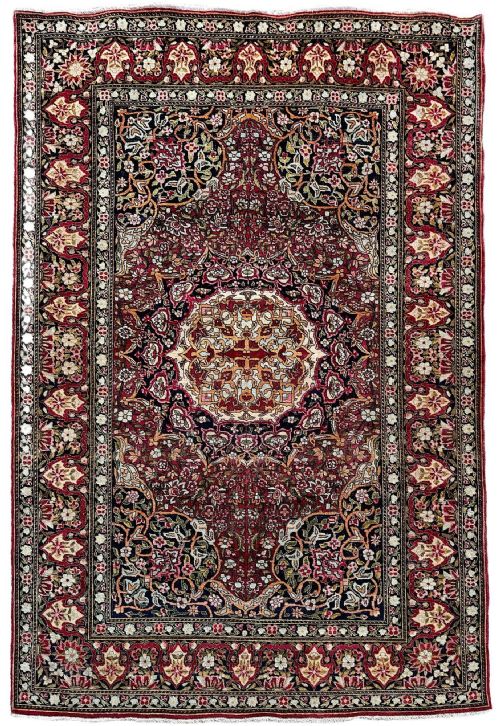
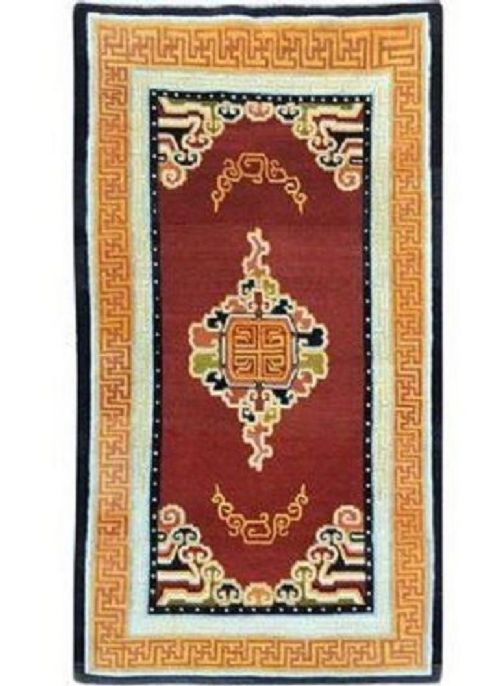
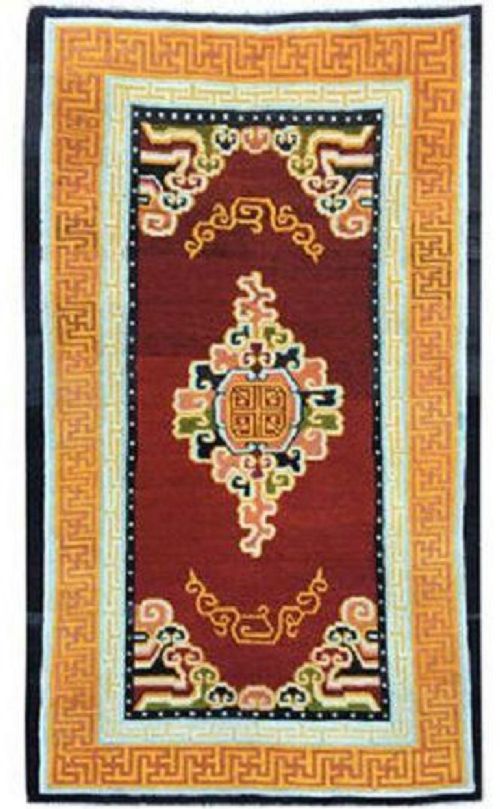
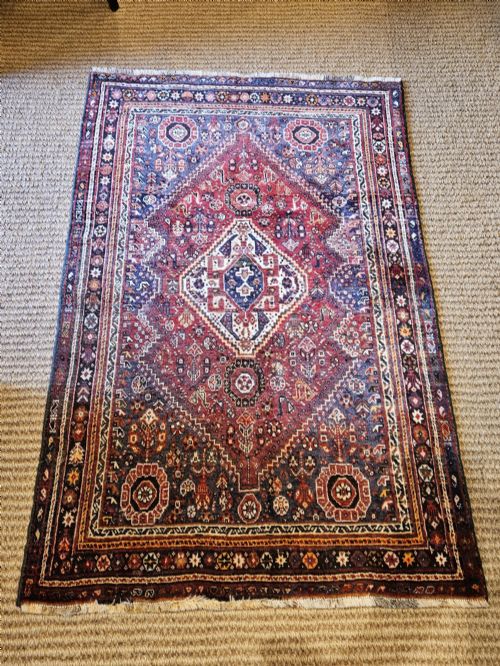
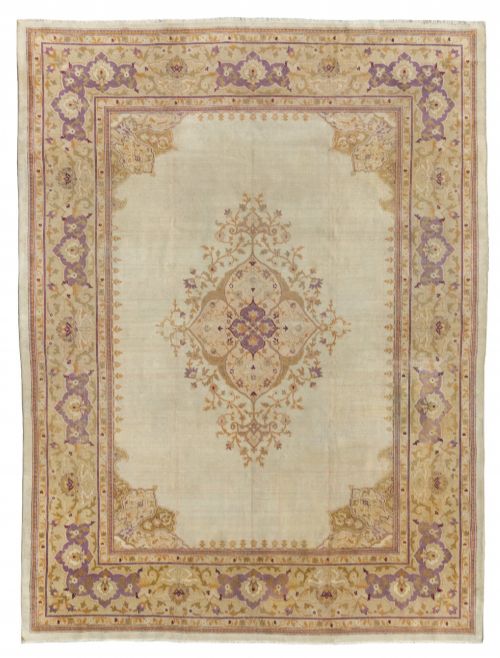
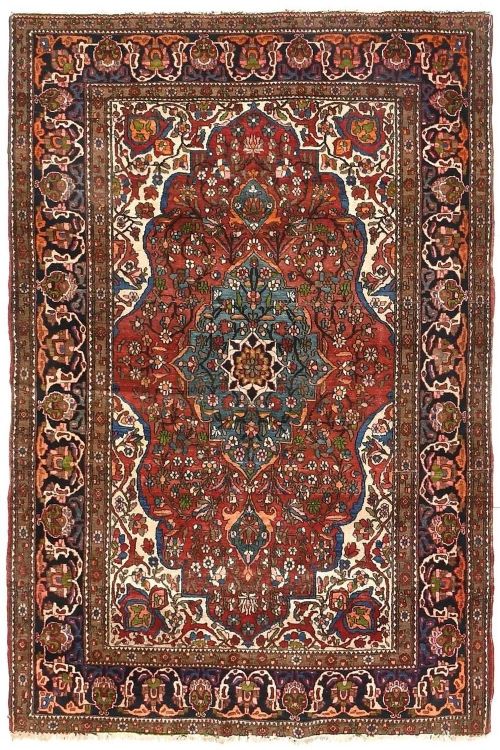
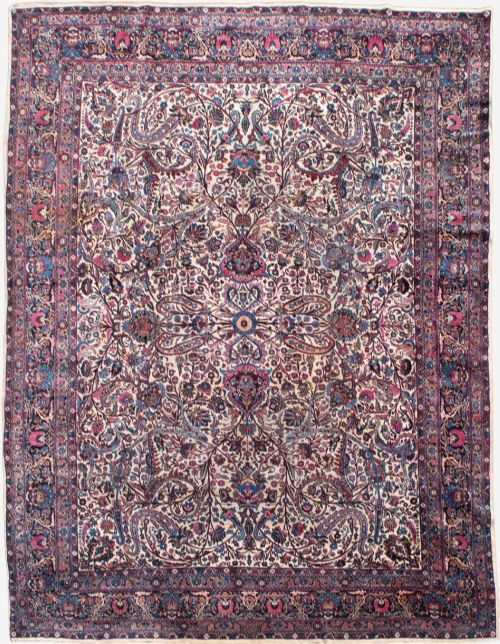
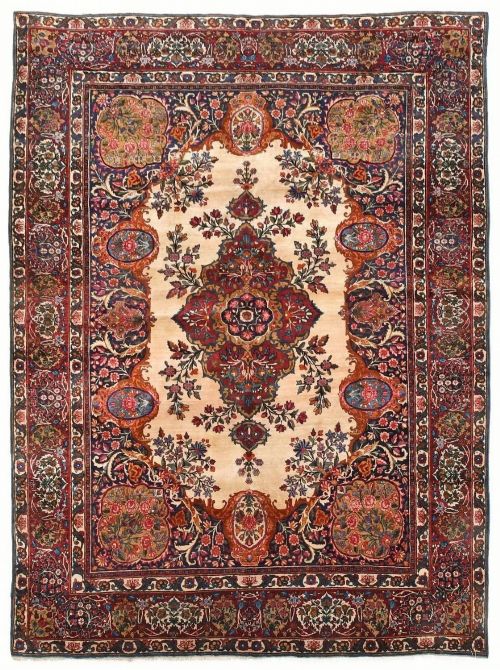
Central Medallion Wool Rug
A central medallion wool rug brings ground-anchoring symmetry and centuries-old design to a room.
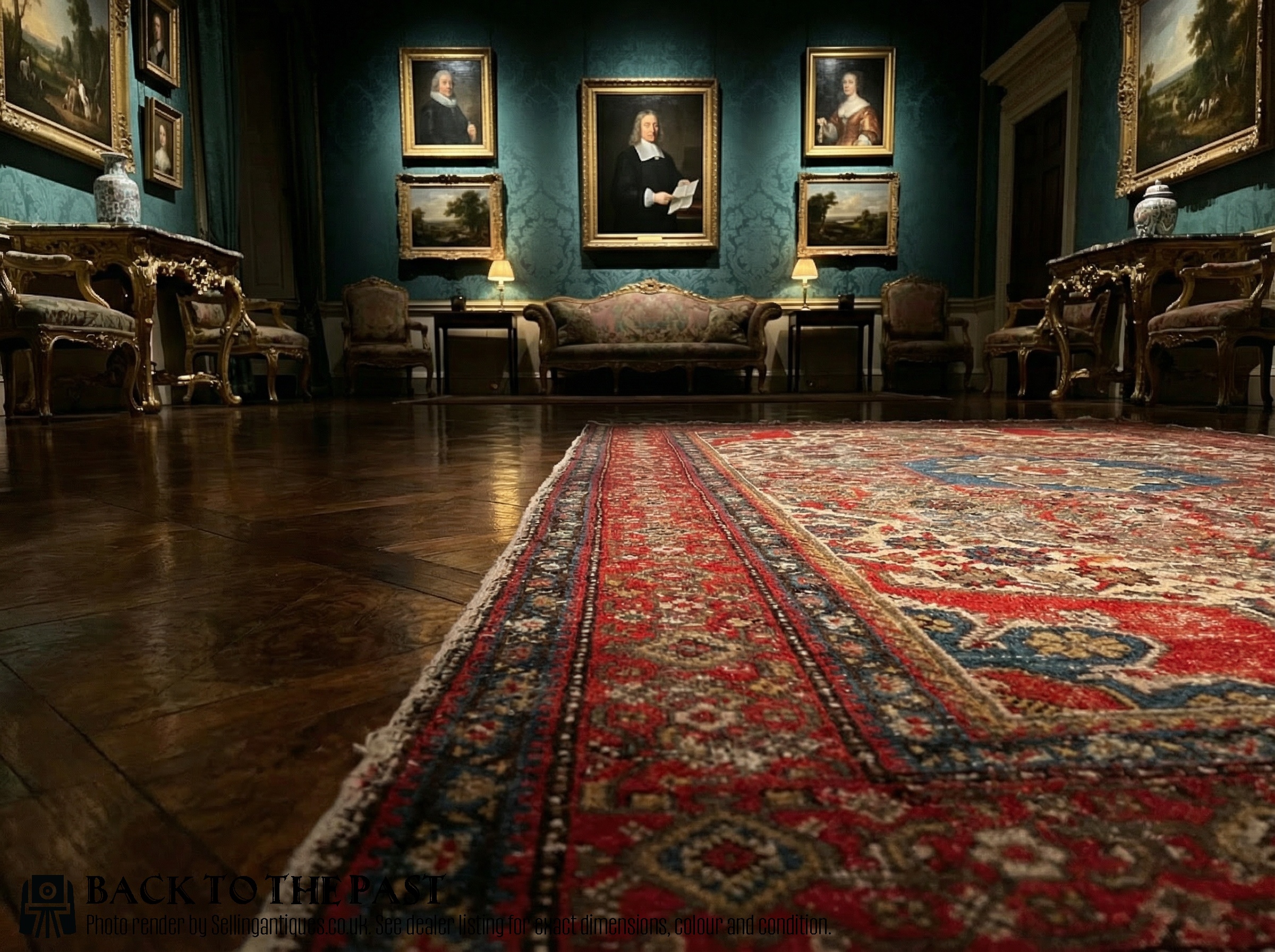
Central Medallion Wool Rug
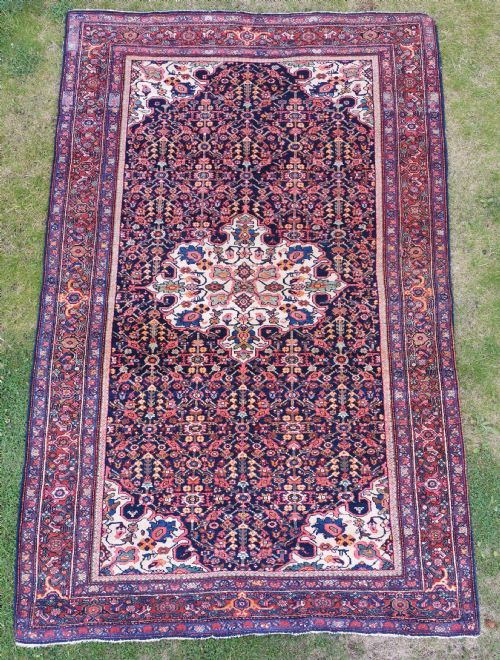
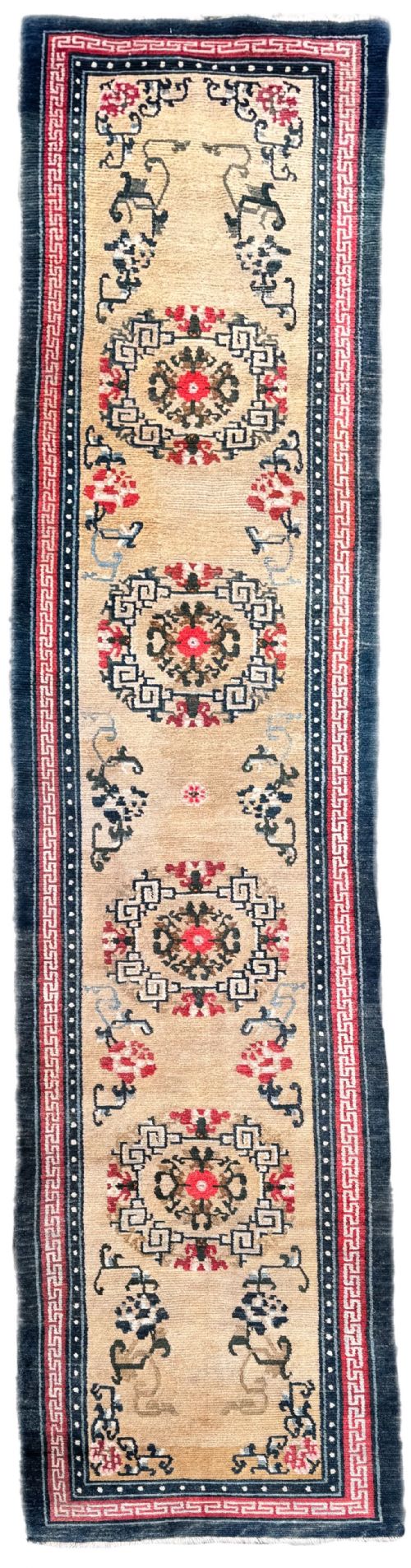
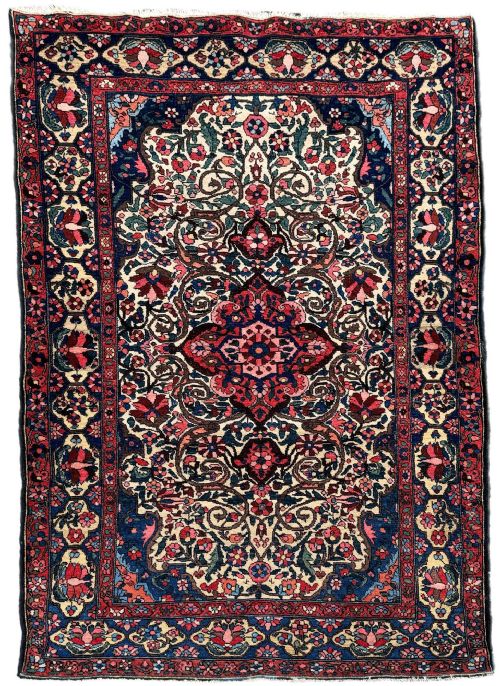
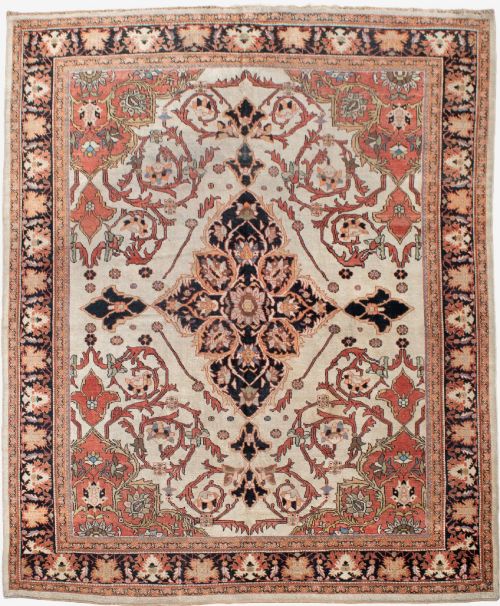
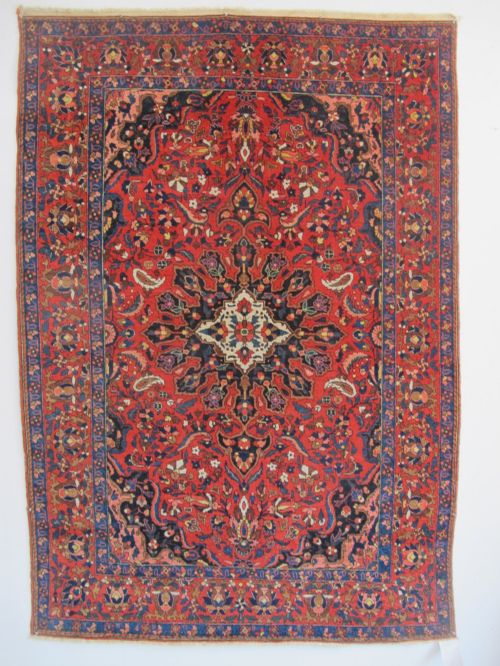
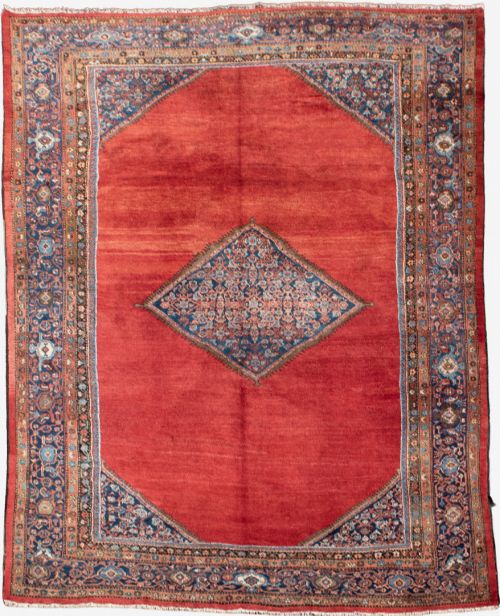
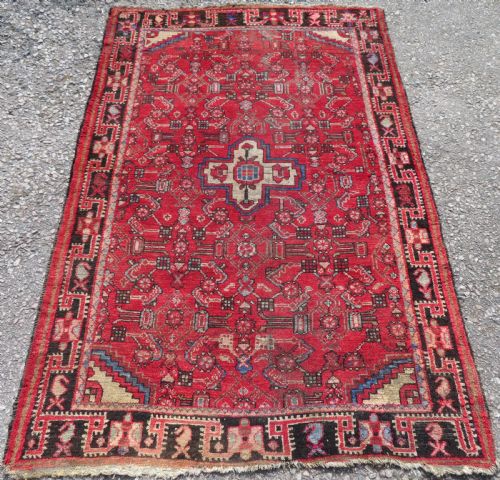
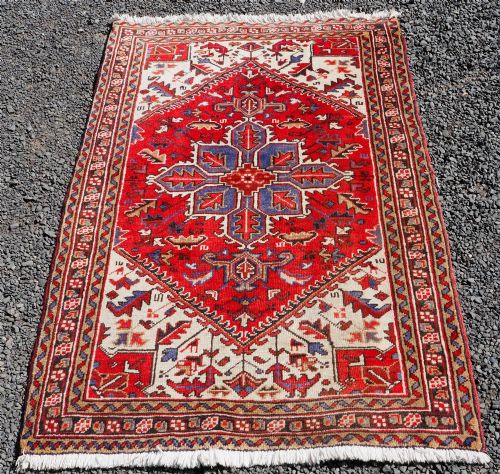
A central medallion wool rug centres its composition around a prominent middle motif, drawing the eye across the field. These pieces span production from eighteen-ninety through the nineteen-thirties, originating primarily from Persian, Tibetan, and Afghan workshops.
The format encompasses regional weaving traditions including Qashqai, Isfahan, and Bakhtiari Kurdish village styles. Buyers encounter both room-size carpets and smaller area rugs suited to various domestic settings.
How they were made
Weavers constructed these textiles using wool for the pile and foundation elements, frequently supported by cotton structures. Hand-knotting techniques allowed makers to build dense, resilient surfaces capable of enduring decades of foot traffic.
Regional workshops and village makers employed traditional dyes and hand-spun materials to render complex geometric and floral field patterns. Each rug reflects the specific spinning and knotting methods native to its region of production.
Central Medallion Wool Rug Retail Price Guide 2026
Typical asking prices for central medallion wool rug among the pieces listed under this phrase on Sellingantiques today, from the lower quarter to the upper quarter. They describe what is for sale here now, not the wider market.
One nineteenth-century Qashqai rug depicts the ancient pillars of Persepolis, bringing classical stone architecture right down to the floorboards.
What varies in quality
Knot density and precision of the central design separate standard village pieces from finer urban workshop productions. Tighter knots permit sharper delineation of intricate medallion motifs and secondary borders.
The integrity of the wool pile and the consistency of the foundation threads determine the structural longevity of an antique rug. Well-preserved edges and uniformly clipped wool indicate careful original execution and subsequent maintenance.
The Central Medallion Wool Rug Glossary
- Medallion
- The central ornamental motif positioned in the middle of the rug field. It serves as the primary focal point of the composition.
- Pile
- The vertical tufts of wool that form the soft surface of the rug. This upper layer absorbs wear and displays the woven colours.
- Foundation
- The underlying structure of warp and weft threads that supports the knotted wool pile. Cotton and wool are typical foundation materials.
- Warp
- The vertical foundation threads stretched tightly on the loom before knotting begins. Fringes are typically formed from the extended warp ends.
- Weft
- The horizontal threads passed between rows of knots to bind the structure together. Beating the weft down firmly ensures a compact fabric.
Central Medallion Wool Rug: Frequently Asked Questions
How do I date a rug?
Dating relies on stylistic markers, structural analysis, and material testing where appropriate. Comparing specific motif arrangements against documented regional examples helps establish an accurate period.
Changes in dye composition and weave tightness across different decades also provide reliable clues for chronology. Experts examine the reverse side to read knot structures characteristic of specific eras.
Where were these rugs made?
Production centres include Persia, Tibet, and Afghanistan, with distinct styles originating from areas like the Chahar Mahal Valley. Village weavers and urban workshops each developed recognizable local characteristics.
Isfahan and Qashqai pieces display the regional aesthetics and weaving techniques of their specific geographic origins.
Are wool rugs durable?
Natural wool fibres possess inherent resilience and lanolin content that resist daily wear and staining. These properties make antique wool textiles remarkably tough when given appropriate care.
Regular gentle vacuuming and proper placement away from continuous harsh sunlight preserve both the pile and the structural foundation.
What is a village rug?
Village rugs are woven by domestic makers working in rural communities rather than large urban manufactories. These pieces often feature spontaneous design variations and local tribal motifs.
Makers utilised available materials and traditional regional patterns passed down through generations.