
Central Medallion Wool Carpet
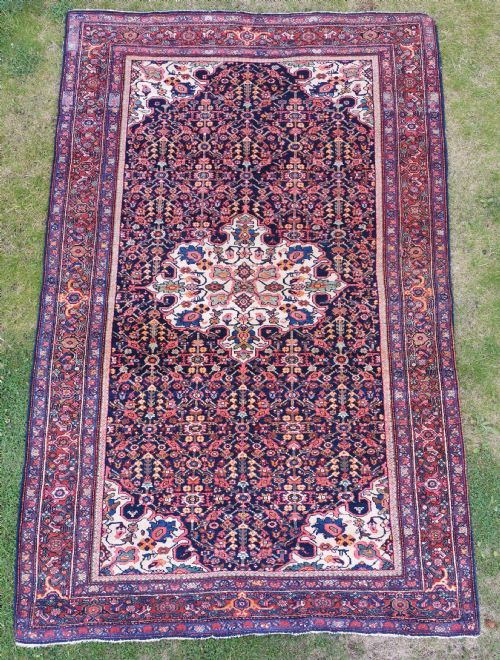
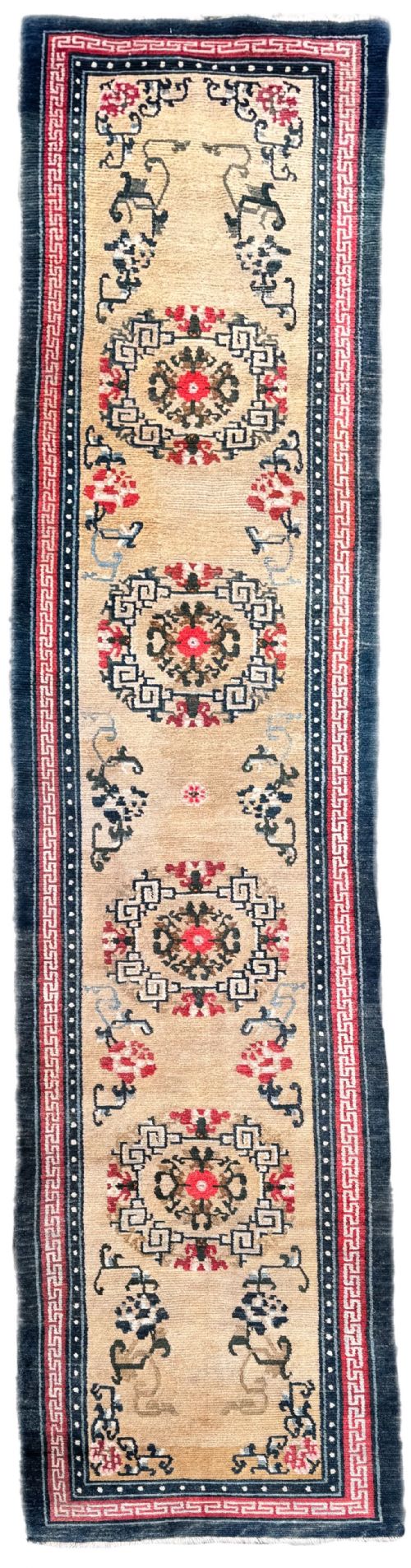
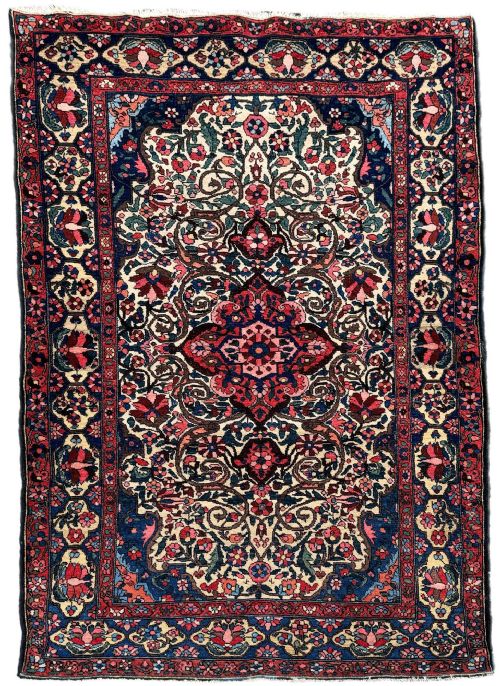
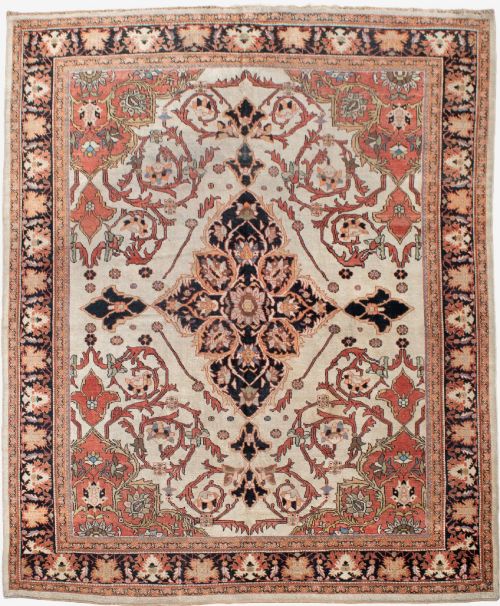
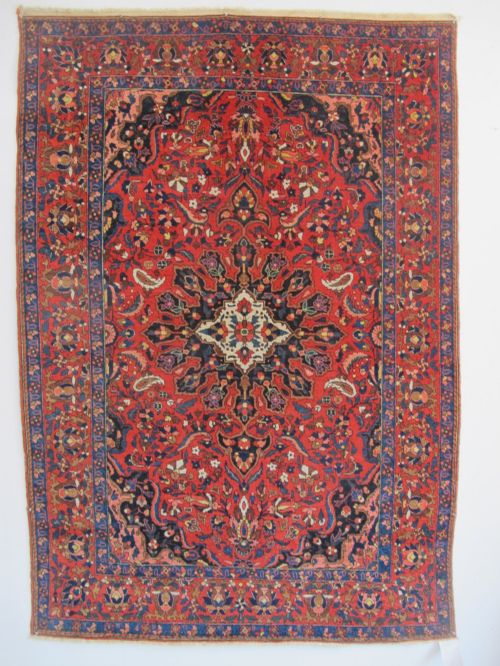
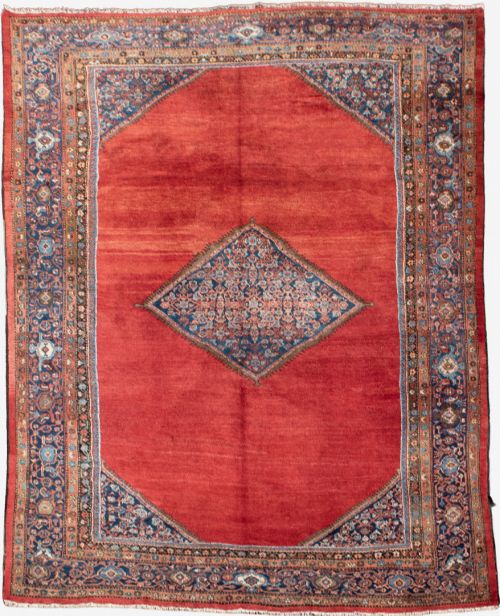
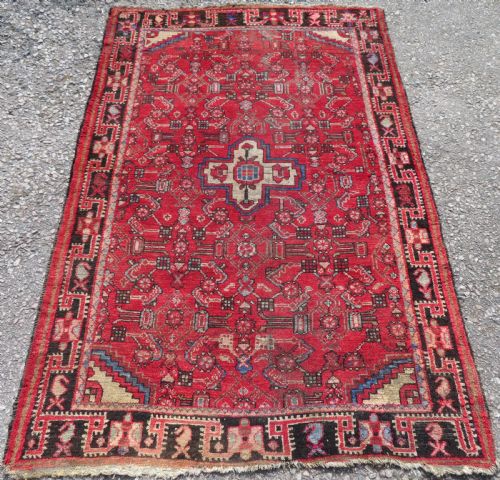
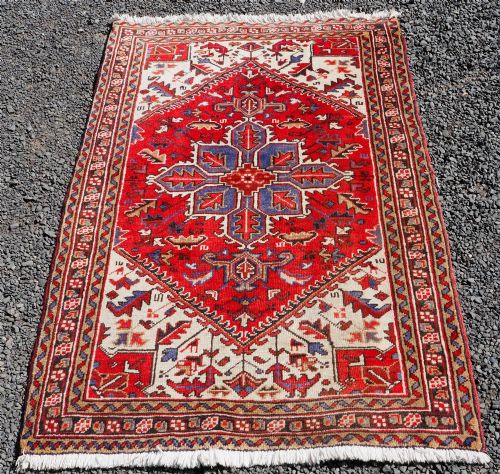
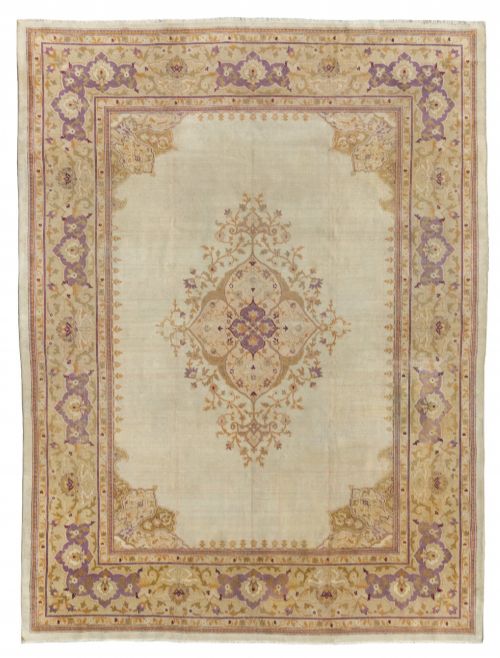
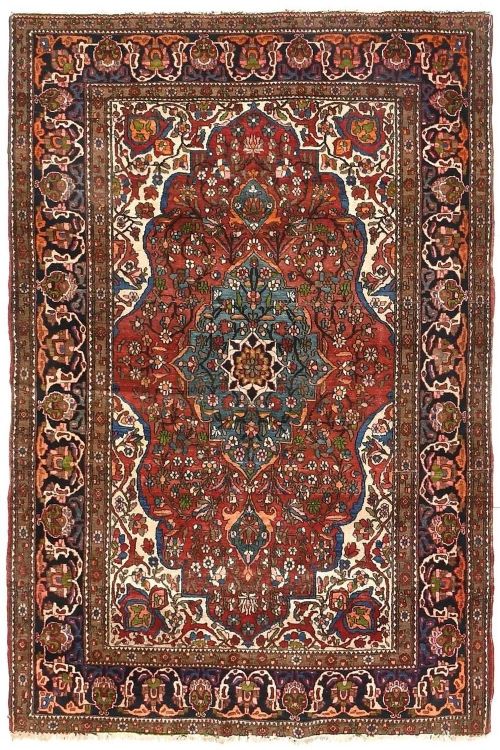
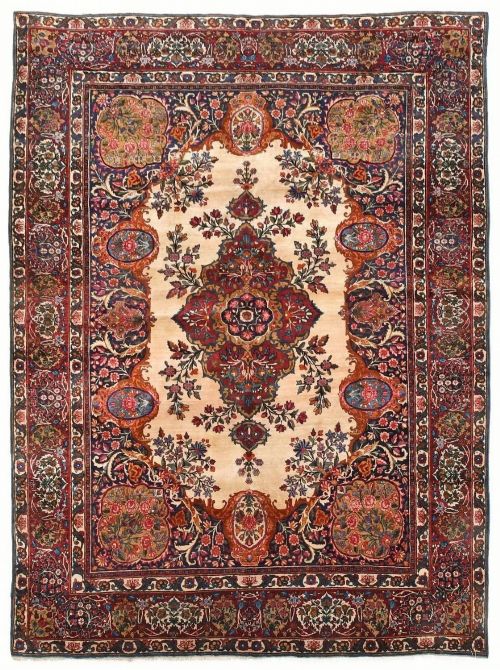
A central medallion wool carpet anchors a room with a distinct focal point drawn from traditional Persian, Ottoman, and Tibetan workshops.
Central Medallion Wool Carpet
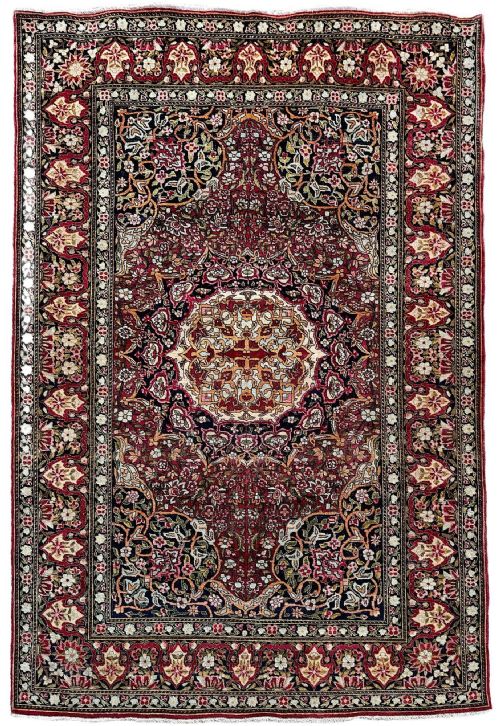
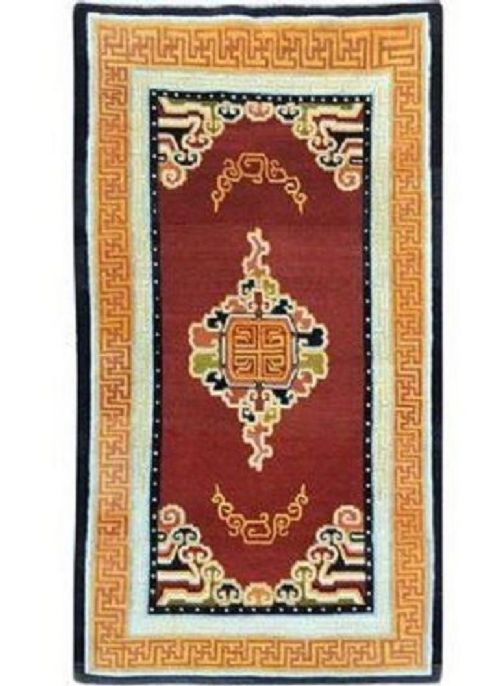
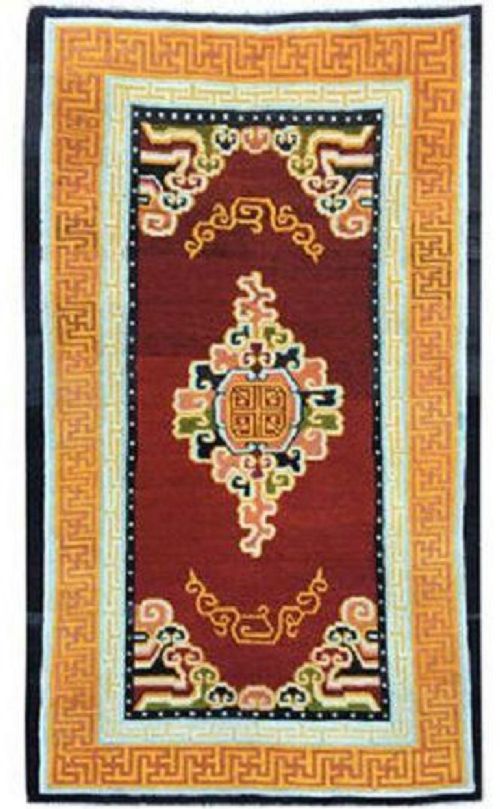
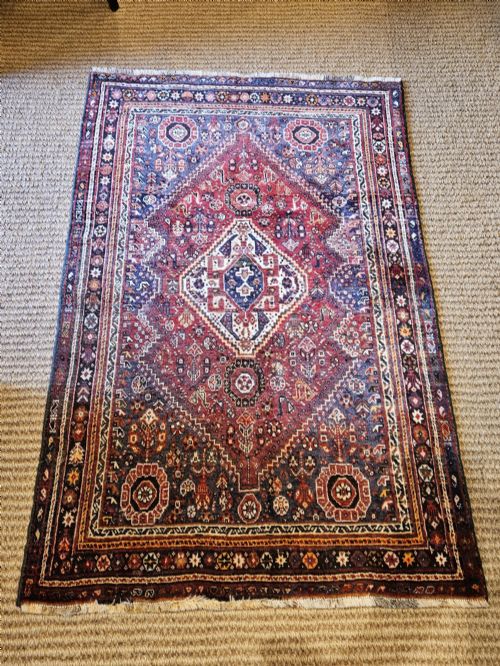
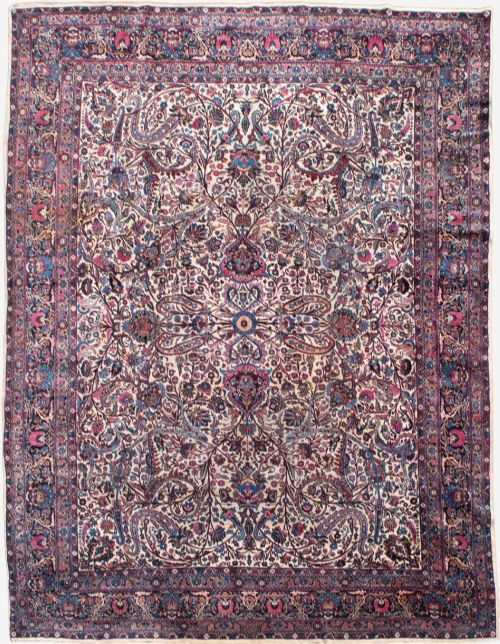
When you search for a central medallion wool carpet, you encounter room-size carpets, area rugs, and runners originating primarily from Persian, Tibetan, and Anatolian traditions. These pieces date across the nineteenth and early twentieth centuries, spanning periods from the eighteen-eighties to nineteen-thirty.
The format typically centres on a prominent geometric or floral motif set against a contrasting field. You will frequently meet regional variations named after weaving centres such as Isfahan, Kirman, Tabriz, and Bakhtiar.
Makers utilised traditional regional styles, including Oushak, Senneh, and Bidjar, producing both small scatter formats and large room-size dimensions suited to diverse interior layouts.
Materials and Construction
Weavers constructed these carpets predominantly using wool for the pile, paired with cotton foundations for structural stability. Certain regional pieces also incorporated camel hair or silk elements to delineate specific pattern details.
Dye techniques relied on natural sources to achieve deep colour saturation across the field and border. The density of the knotting varied by region, influencing the crispness of the central medallion design.
Current listings feature carpets and rugs spanning from the eighteen-eighties to nineteen-thirty, incorporating wool, cotton, silk, and camel hair.
Assessing Quality and Execution
Quality rests in the precision of the knotting and the balance of the central medallion relative to the surrounding field. Finer execution yields sharper botanical and geometric contours.
The choice of wool and the integrity of the foundation determine how well a carpet withstands foot traffic. Uniformity in pile height and the depth of the dye saturation further separate standard village output from workshop masterworks.
The Central Medallion Wool Carpet Glossary
- Medallion
- A central ornamental motif positioned in the middle of the carpet field. This design element often incorporates floral or geometric symmetry.
- Pile
- The upright yarn loops that form the usable surface of the carpet. This layer is traditionally knotted by hand from sheep wool.
- Warp
- The vertical foundation threads stretched tightly on the loom before knotting begins. Cotton is frequently utilised for this structural framework.
- Weft
- Horizontal threads passed between rows of knots to secure the pile in place. These threads bind the foundation together across the width of the rug.
- Kilim
- A flatweave textile produced without a pile, often sharing stylistic motifs with knotted carpets. These pieces function as versatile floor coverings or wall hangings.
Central Medallion Wool Carpet: Frequently Asked Questions
How do I place a central medallion carpet?
Position the carpet centrally in a room so the primary motif remains visible rather than obscured by heavy furniture. This allows the focal design to anchor the surrounding seating or dining arrangement.
Ensure adequate clearance around the border to let the proportions breathe within the space. Smaller runner formats suit hallways where the linear design guides movement effectively.
How do I clean an antique wool rug?
Vacuum gently with the suction attachment rather than a rotating brush roll to protect the wool pile from unnecessary friction. Lift the nozzle rather than dragging it across the edges and fringe.
Professional specialist cleaning is recommended for deep maintenance to preserve natural dye stability. Avoid harsh chemical spot treatments that can alter the colour balance.
How do I distinguish regional Persian styles?
Examine the density of the weave and the specific geometry of the central medallion to identify regional origins. Bidjar rugs display a notably dense foundation, whereas Kirman carpets often favour expansive floral fields.
Review the border patterns and secondary motifs for characteristic signatures of towns like Isfahan, Tabriz, or Bakhtiar. Regional palette choices also provide strong clues to provenance.
Are these carpets suitable for daily use?
Wool possesses natural resilience that helps the pile recover from regular foot traffic in domestic settings. Selecting an appropriate underlay prevents slipping and cushions the foundation against wear.
Rotate the rug periodically to distribute exposure to foot traffic and sunlight evenly across the surface. This practice maintains balanced pile wear and colour ageing over time.