



Central Medallion Floor Rug
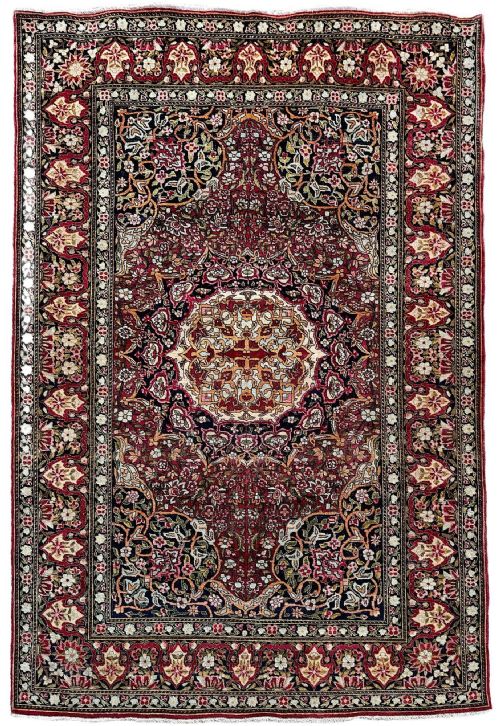
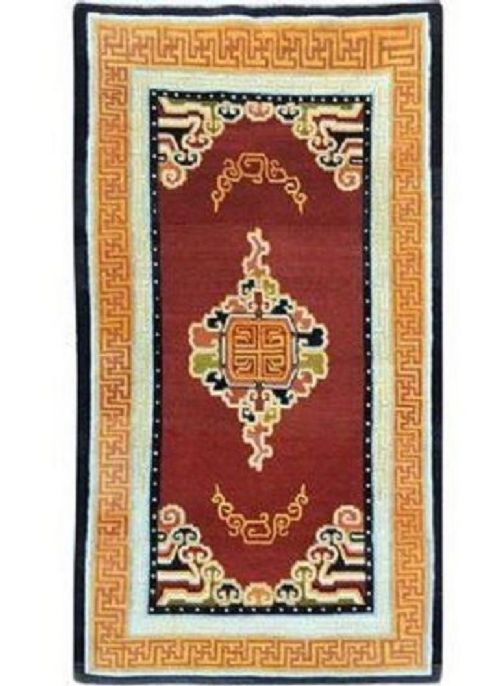
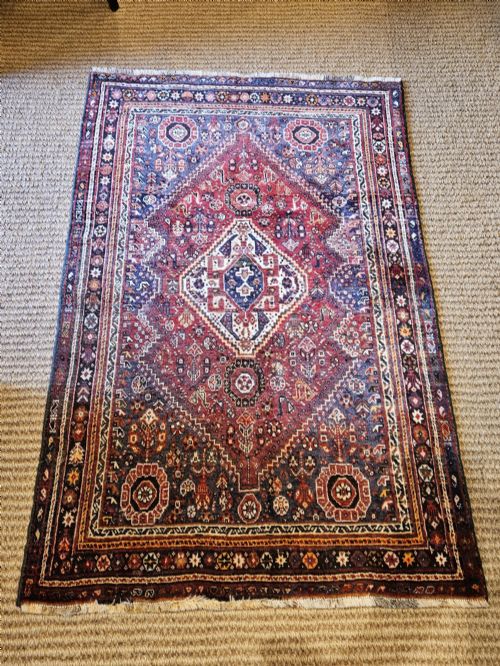
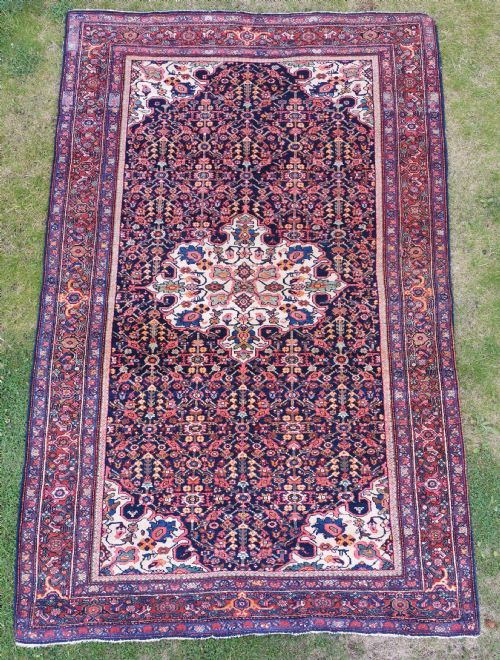
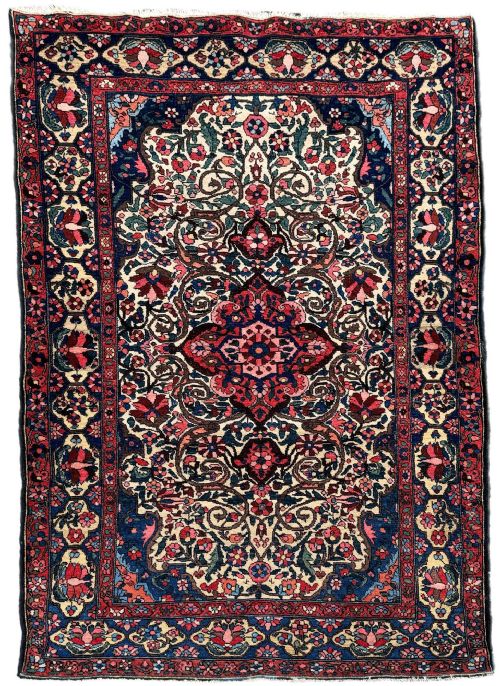
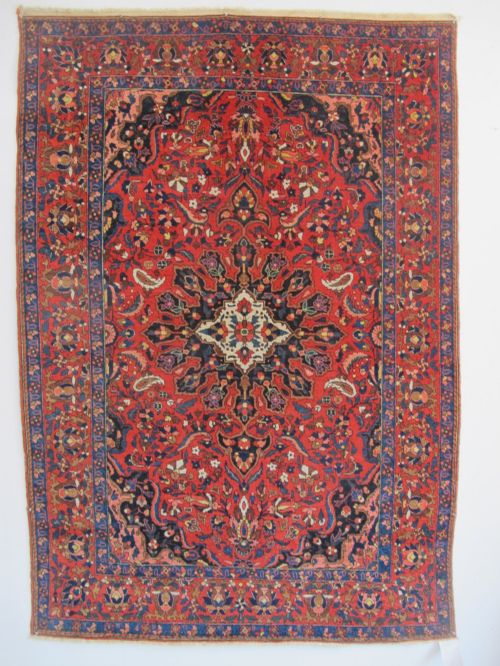
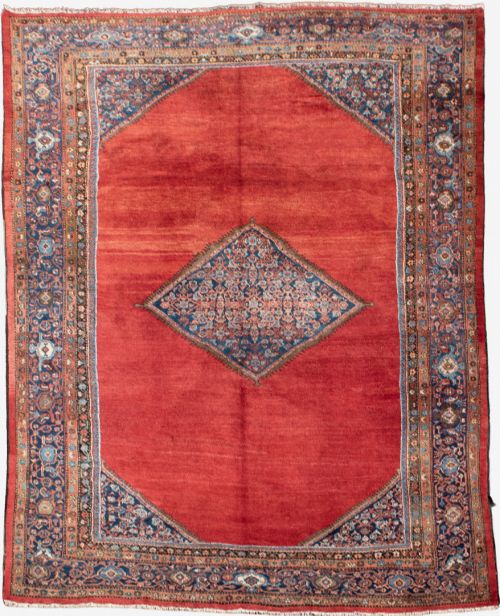
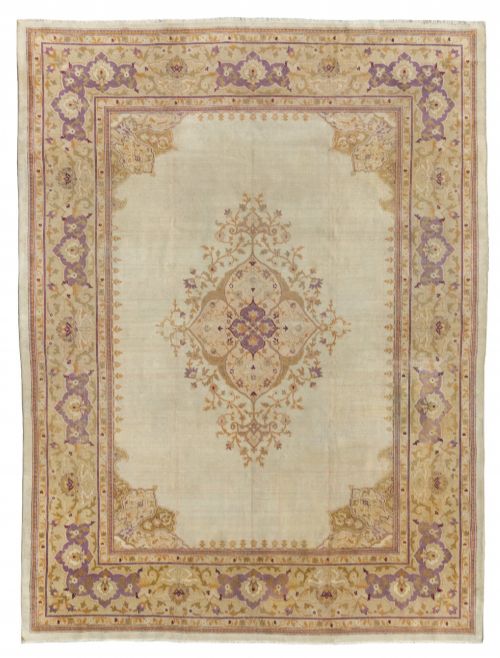
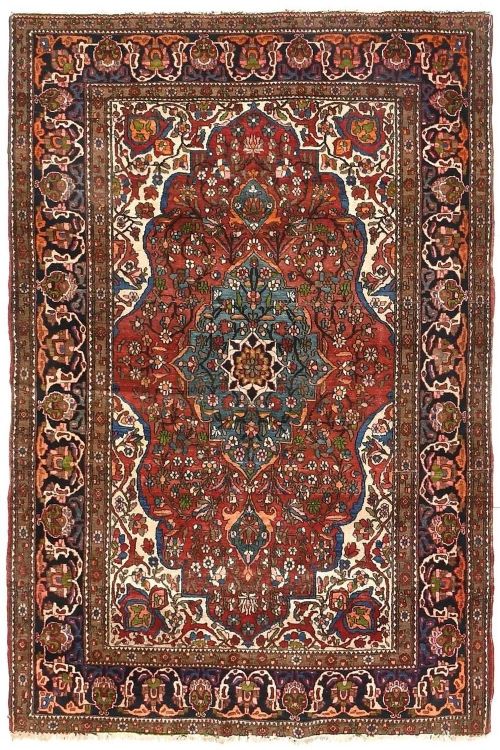
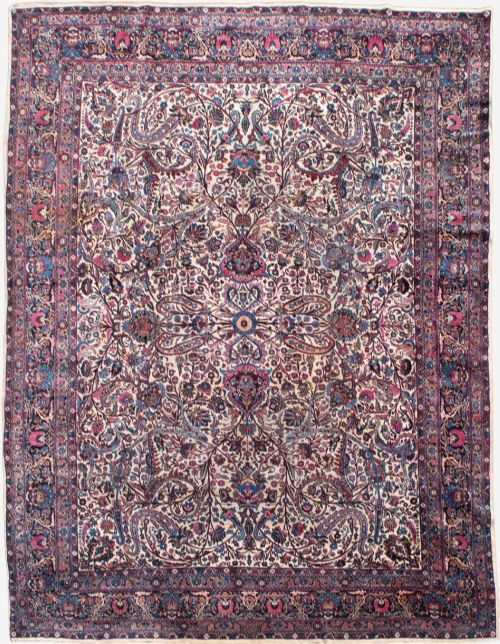
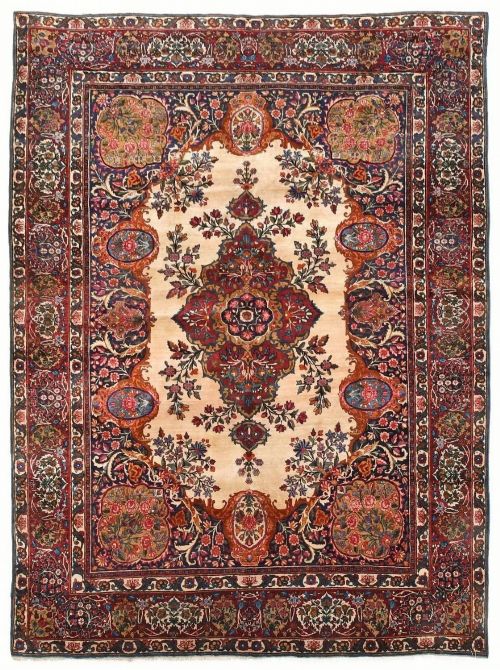
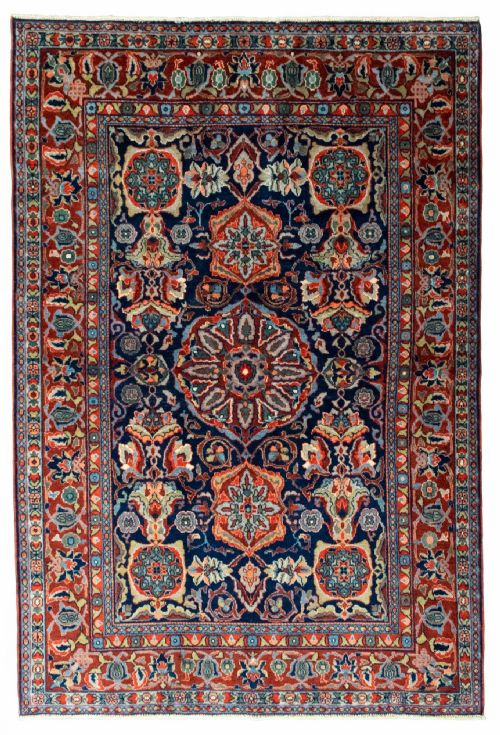
A central medallion floor rug anchors a room with a distinct focal point drawn from Persian and Anatolian weaving traditions.
Central Medallion Floor Rug
A central medallion floor rug centres its design on a prominent geometric or floral motif positioned precisely in the middle of the field. These textiles span periods from the late nineteenth century through to the mid-twentieth century.
The regional origins represented on this page include Persian centres such as Isfahan, Tabriz, Kirman, Bidjar, and Bakhtiar, alongside Ottoman and Anatolian traditions including Oushak and Kula.
Formats range from smaller scatter rugs measuring around two metres in length to room-sized carpets exceeding four metres, providing options for both intimate spaces and large reception rooms.
Materials and construction
Weavers utilised natural materials such as wool, cotton, and silk, often dyed with natural colourants to achieve rich hues like the characteristic rust background seen in Saroq pieces.
Foundation structures typically rely on cotton warps and wefts, providing stability to the dense pile hand-knotted from sheep wool, angora wool, or occasionally silk and mercerised cotton.
Some nineteenth-century weavers smuggled secret geometric signatures into the corners of their rugs just to confuse future collectors.
Evaluating design and execution
Knot density and precision of line dictate the fineness of the execution, separating standard room-sized carpets from intricately detailed silk or fine wool pieces.
The harmony of the natural dyes and the crispness of the central medallion against the surrounding field determine the visual success of the composition.
The Central Medallion Floor Rug Glossary
- Medallion
- A central ornamental motif, often circular, oval, or polygonal, placed directly in the middle of the rug field.
- Warp
- The vertical threads stretched lengthwise on the loom before the weaving begins, forming the foundation of the rug.
- Weft
- The horizontal threads passed alternately over and under the warp threads to bind the knots in place.
- Pile
- The vertical cut loops of wool, silk, or cotton that form the soft upper surface of the carpet.
- Natural Dyes
- Colourants derived from plant, insect, and mineral sources rather than synthetic chemical processes.
Central Medallion Floor Rug: Frequently Asked Questions
Where should I place a central medallion floor rug?
These pieces work best where the middle pattern can remain visible, such as in the centre of a sitting room or beneath a dining table.
Allow enough surrounding floor space to frame the composition properly without heavy furniture obscuring the main motif.
How do I identify a Persian carpet style?
Look for specific regional characteristics, such as the curved floral schemes of Tabriz or the robust geometric structures found in Bidjar and Heriz pieces.
Weavers from different towns utilised distinct palettes and border arrangements that reveal their geographical origin.
Are these rugs suitable for high traffic areas?
Wool and cotton constructions from the late nineteenth and early twentieth centuries offer substantial durability for everyday use.
Heavier room-sized carpets handle foot traffic well, while delicate silk examples require more protected placement.
How do I care for an antique floor rug?
Regular gentle vacuuming without a beater bar removes trapped dust from the wool pile without damaging the foundation threads.
Professional cleaning tailored to handmade textiles maintains the natural dyes and prevents fibre degradation over time.