

Central Asian Woven Textile
A central asian woven textile brings the rich tribal heritage of nomadic weavers into your home through enduring wool and silk handiwork.
Central Asian Woven Textile
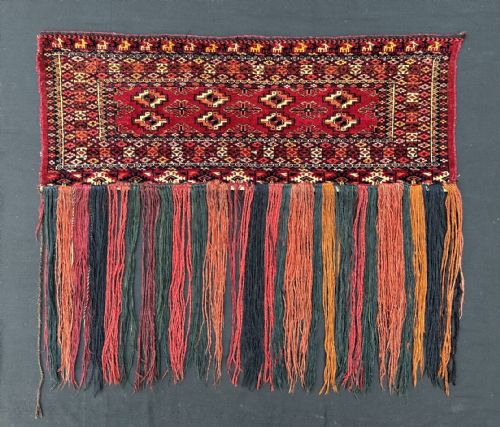
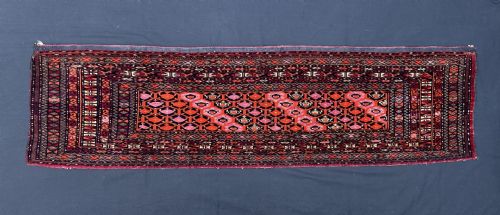
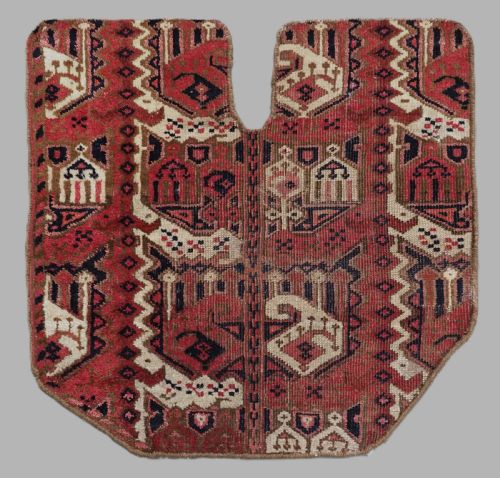
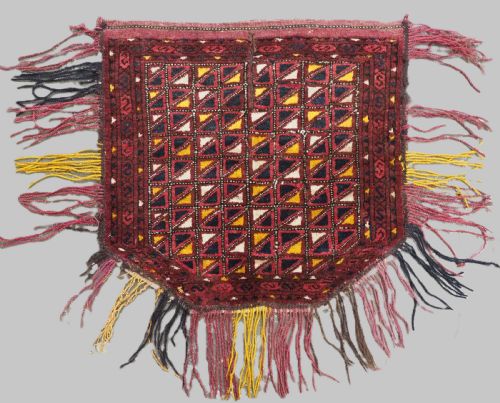
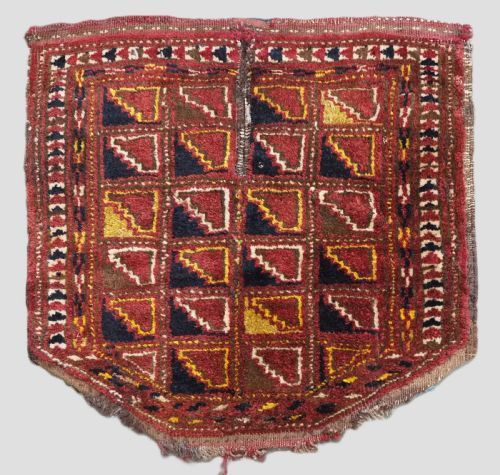
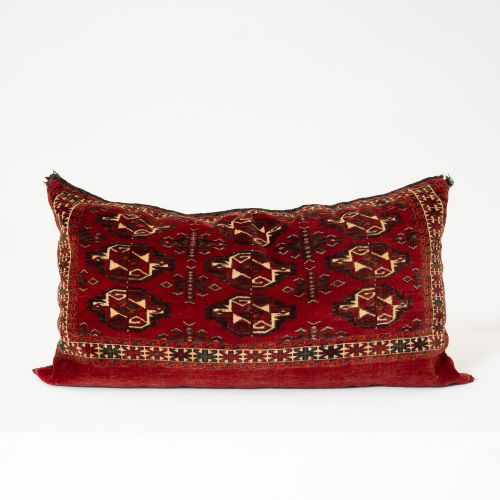
The objects on this page span the mid-nineteenth century to the early twentieth century, reflecting traditional tribal patterns passed down through generations. Most examples represent work by specific groups such as the Yomut, Tekke, Saryk, and Ersari tribes.
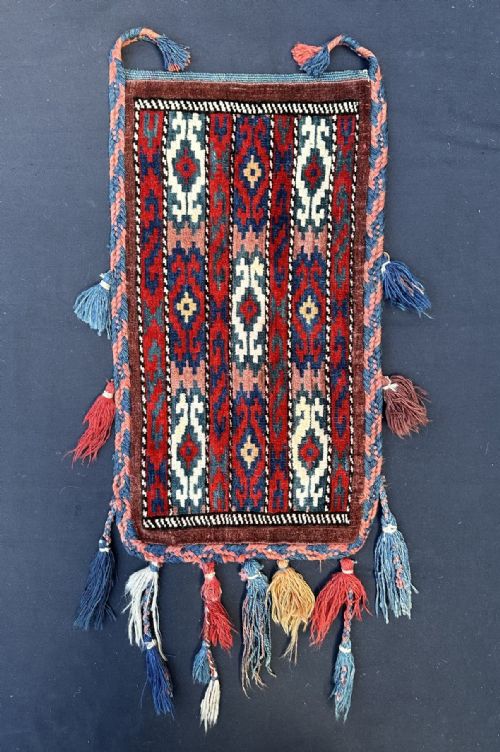
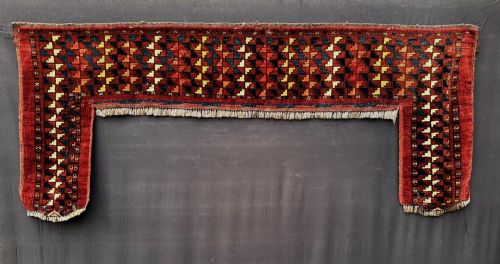
Forms range from small spindle bags and tent bands to large saddle rugs and wall hangings. Each piece serves as a tangible record of tribal identity and nomadic culture.
What Varies in Quality
The fineness of the weave distinguishes standard utility items from exceptional ceremonial examples. Denser knot counts allow for sharper definition within complex tribal patterns like the salor gul or kedjebe design.
Condition and completeness also alter the standing of a piece, with surviving original elements such as tassels, complete backs, and intact borders elevating the work. The depth and clarity of natural dyes preserved across the wool and silk fibres further separate ordinary textiles from masterworks.
Listings span periods from the mid-nineteenth century through the early twentieth century, utilising wool, cotton, silk, and natural dyes.
The Central Asian Woven Textile Glossary
- Gul
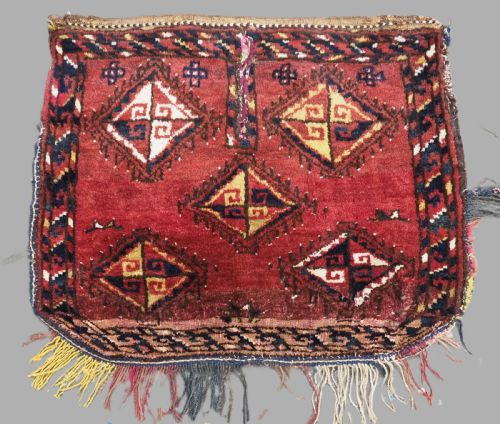
- A medallion motif repeated across tribal rugs and bags. Each shape typically identifies the specific tribe or clan that wove the textile.
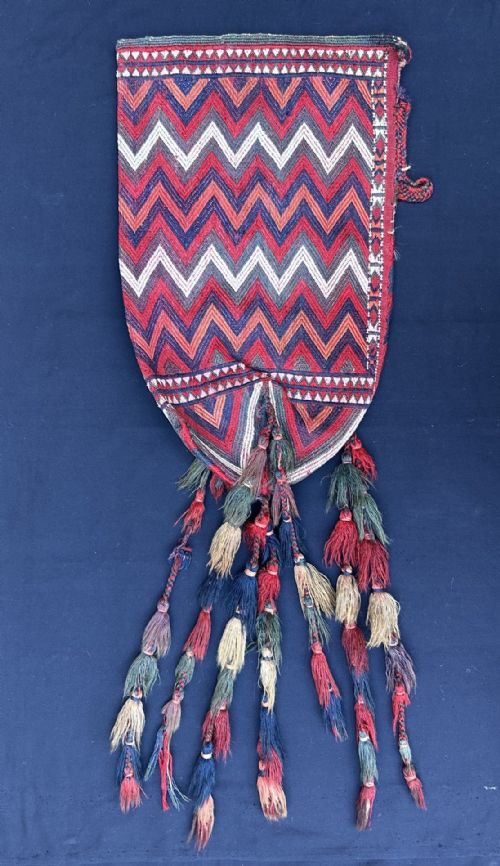
- Torba
- A small utilitarian wall bag used inside nomadic tents for storage. These items often feature elaborate face designs and flatweave backs.
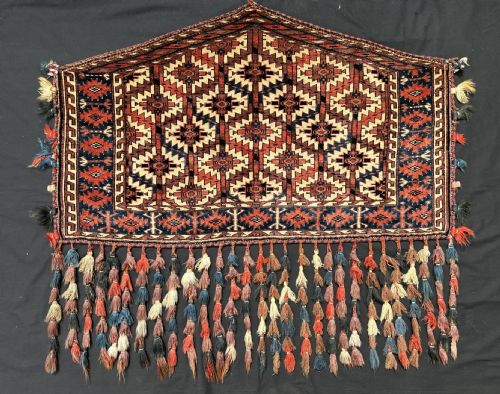
- Asmalyk
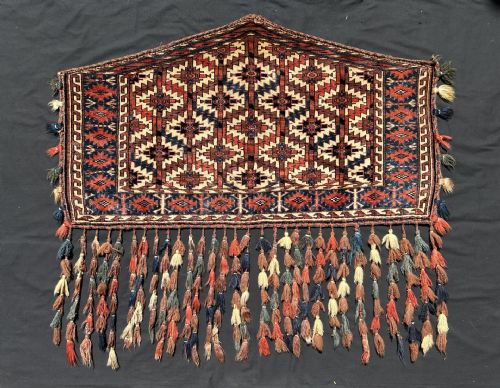
- A ceremonial pentagonal trapping hung on camel flanks during wedding processions. They represent some of the most decorative textile art from the region.
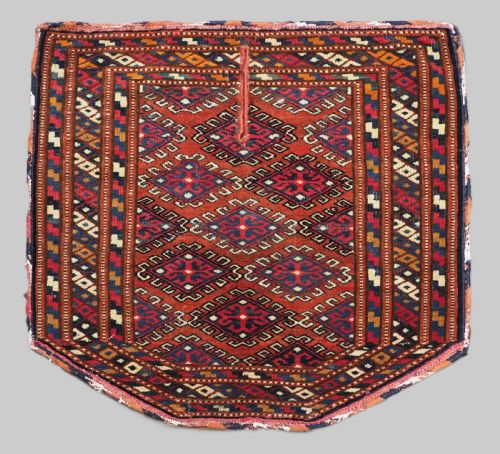
- Chuval
- A large storage bag utilised within the yurt. They frequently display multiple rows of guls across their woven faces.
- Mafrash
- A rectangular storage bale used in pairs for transit on pack animals. Their decorative faces remain popular collector items.
Central Asian Woven Textile: Frequently Asked Questions
What is a central asian woven textile?
These items are hand-woven wool and silk pieces created by nomadic tribes across Turkmenistan and surrounding steppes. They served practical functions in daily nomadic life as storage bags, tent decorations, and animal trappings.
Today, collectors prize them for their rich natural dyes, geometric tribal patterns, and historical craftsmanship.
How were these textiles used originally?
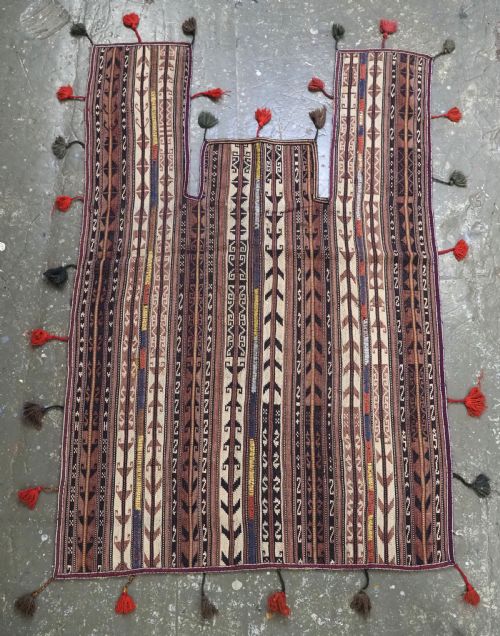
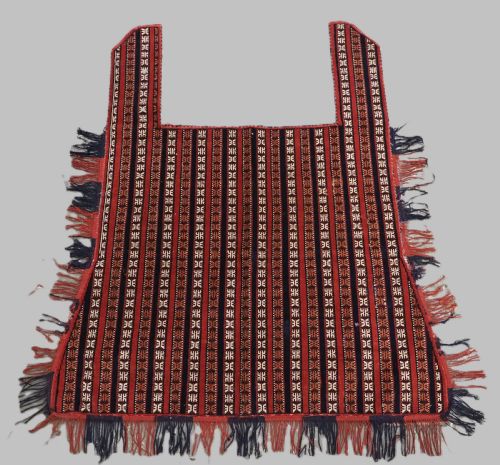
Nomadic families used these woven pieces to organise belongings inside yurts and transport goods during migrations. Specialised items like asmalyks and horse blankets were reserved for festive occasions and weddings.
Every object fulfilled a distinct role within the portable architecture and ceremonial traditions of tribal groups.
How do I care for an antique textile?
Keep your textile out of direct sunlight to protect the natural dyes from fading over time. Gentle vacuuming through a mesh screen helps remove dust without damaging fragile wool or silk fibres.
Avoid hanging heavy pieces by single points to prevent strain on the historical weave structure.
How do I identify different tribal styles?
Tribal attribution relies heavily on the specific repeating motifs, known as guls, and the overall colour palette used by the weaver. Yomut, Tekke, Saryk, and Ersari groups each utilised distinct geometric vocabularies and structural techniques.
Examining the borders, secondary ornaments, and wool preparation provides further clues to the origin of a piece.