
Central Asian Wool Textile
When choosing a central asian wool textile, you select nomadic tribal weaving and vibrant dowry embroidery that once decorated desert yurts and horses.
Central Asian Wool Textile
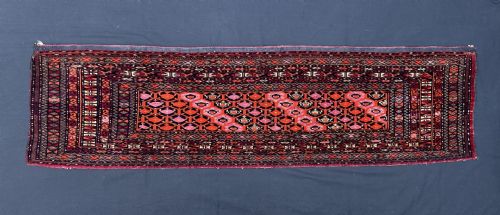
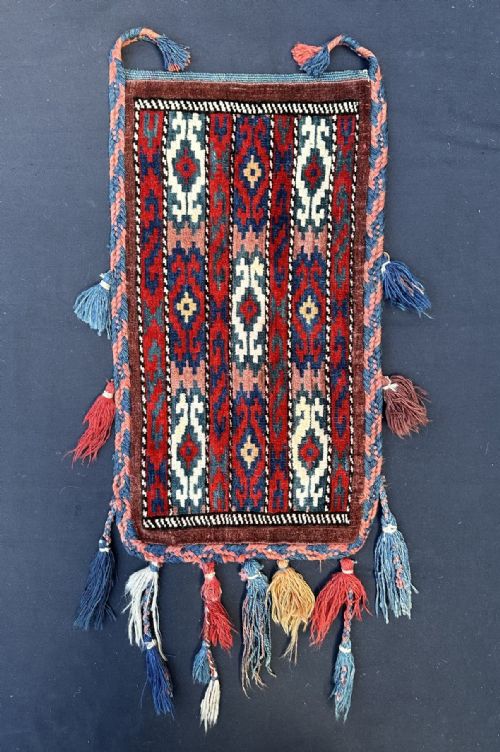
A central asian wool textile encompasses functional tribal weavings and ceremonial embroideries originating from nomadic and settled groups across the region. Buyers frequently encounter utilitarian bag faces, storage sacks, and wall hangings created for domestic utility.
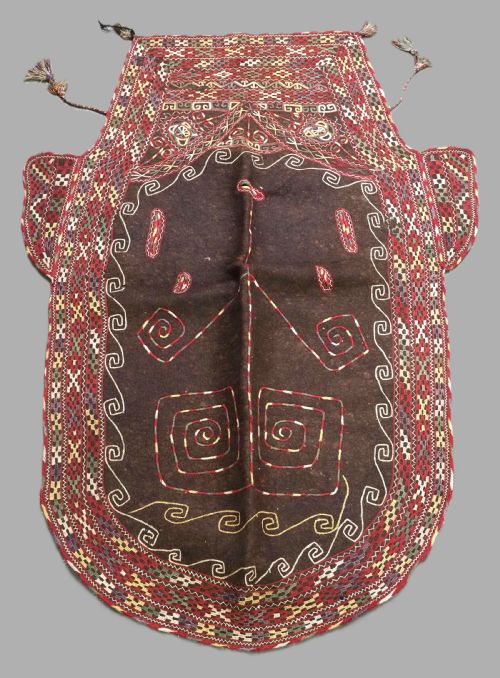
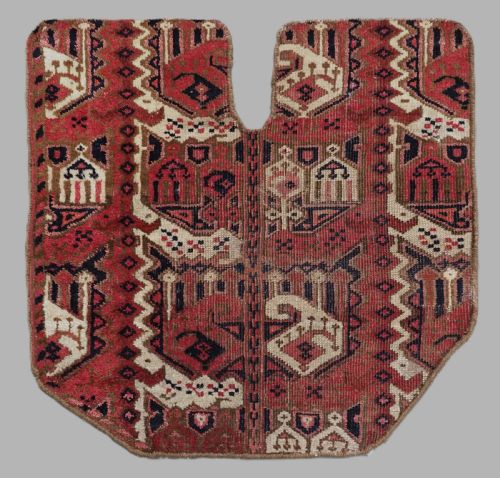
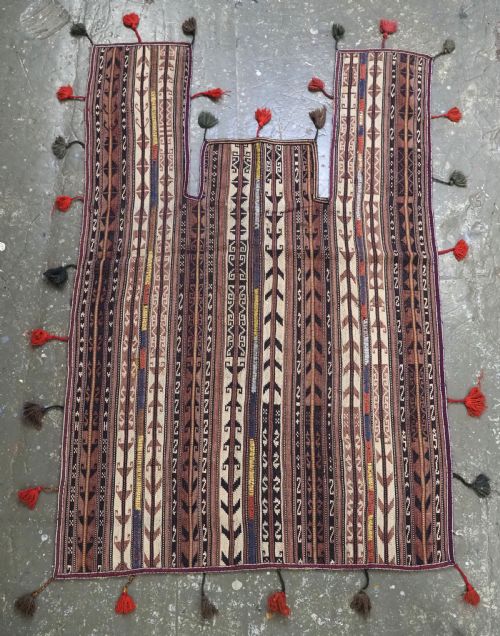
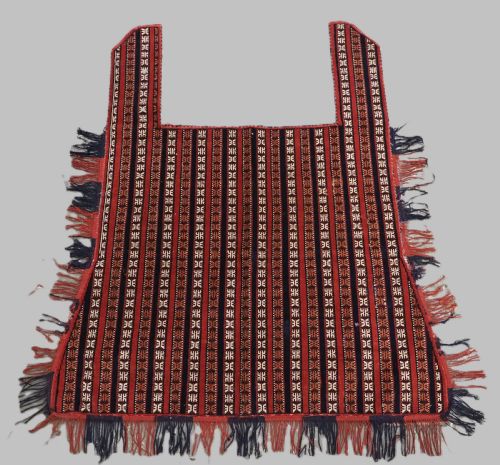
The selections span distinct tribal groups including the Yomut, Tekke, Ersari, Saryk, and Uzbek Lakai. Many examples serve specific traditional functions, such as saddle covers, horse blankets, and dowry items.
Forms range from pile-woven rugs and chuval cushions to felted wool hangings and embroidered ilgiches. These pieces reflect the specific utilitarian and ceremonial traditions of their makers.
Materials and Construction
Makers utilised hand-spun wool as the primary medium, frequently combining it with cotton foundations and silk highlights. Natural dyes provided the rich palette seen across the tribal weavings and embroideries.
Construction techniques divide into pile weaving, flat weaving, and feltmaking, alongside intricate surface embroidery. Artisans shaped felted wool and wool thread into durable horse covers and wall decorations.
Materials documented across the inventory include hand-spun wool, felt, cotton thread, and natural dyes applied to wall hangings and saddle covers.
Assessing the Standard
Quality rests upon the fineness of the weave and the complexity of the tribal guls or embroidery motifs. Tightly packed knots and precise geometric execution separate standard utilitarian items from exceptional examples.
The saturation and depth of natural dyes influence visual appeal significantly. Intact original details, such as tassels and plain weave backs, elevate the integrity of a textile.
The Central Asian Wool Textile Glossary
- Gul
- A primary medallion or repeating octagonal motif used in tribal rug design. These tribal emblems often identify specific weaving groups.
- Asmalyk
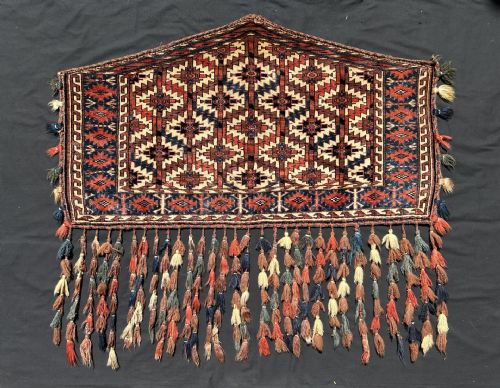
- A pentagonal trapping traditionally hung on the flank of a camel during wedding processions. Yomut weavers produced notable examples of these decorative covers.
- Chuval
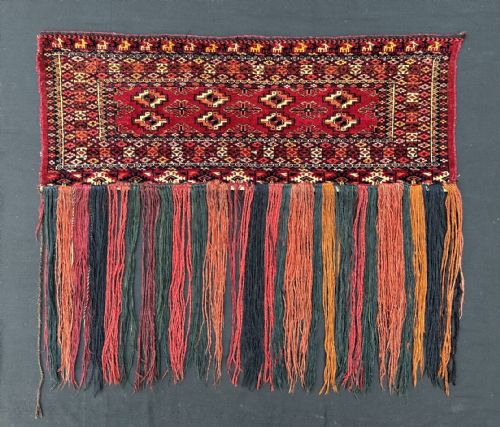
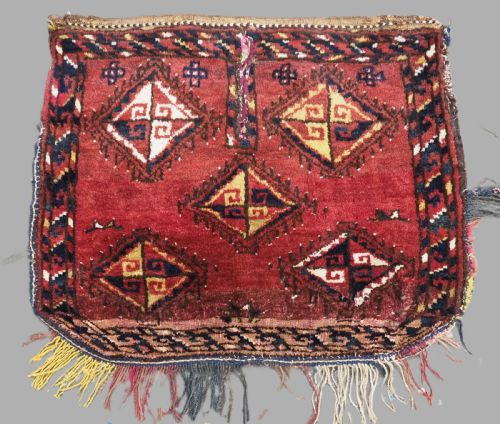
- A large storage bag face produced by nomadic tribes for domestic organisation inside the tent. They typically display rows of guls.
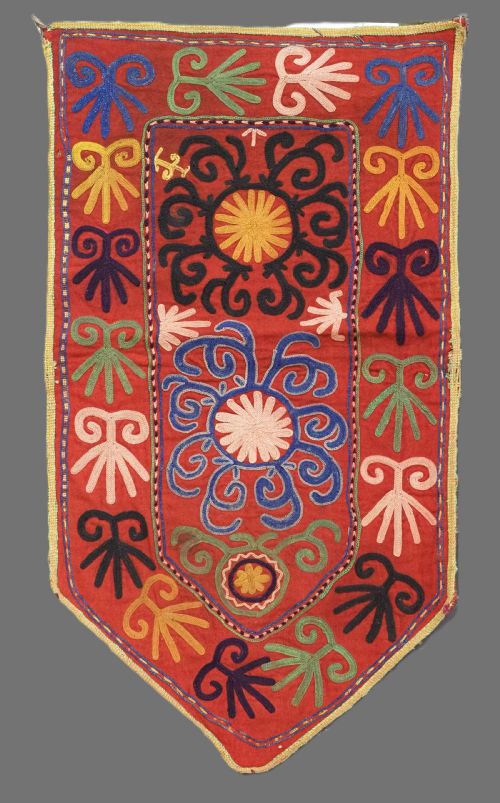
- Ilgich
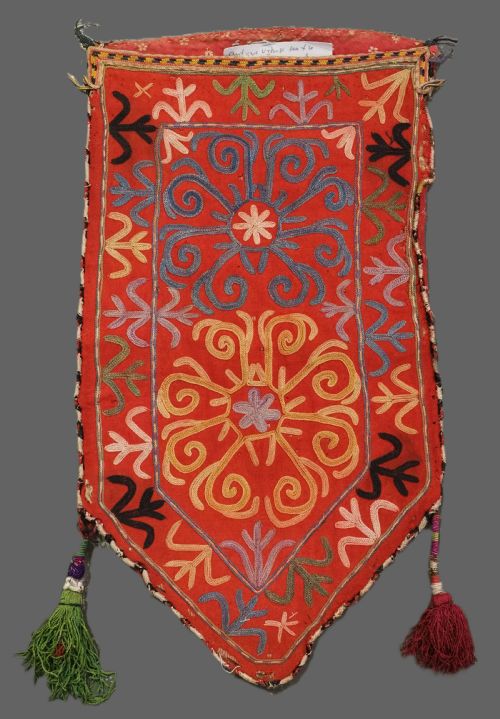
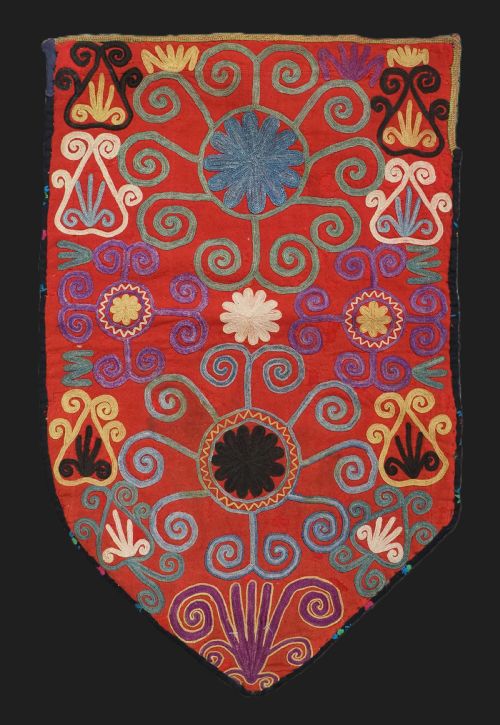
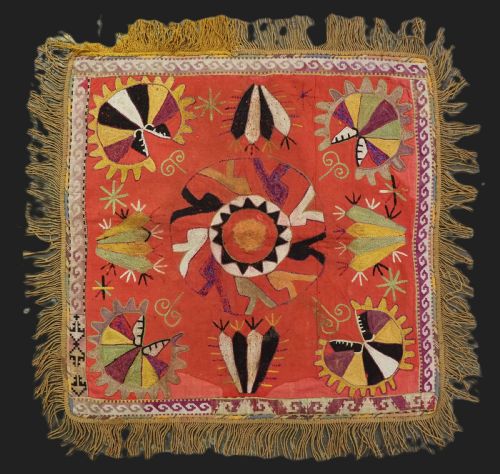
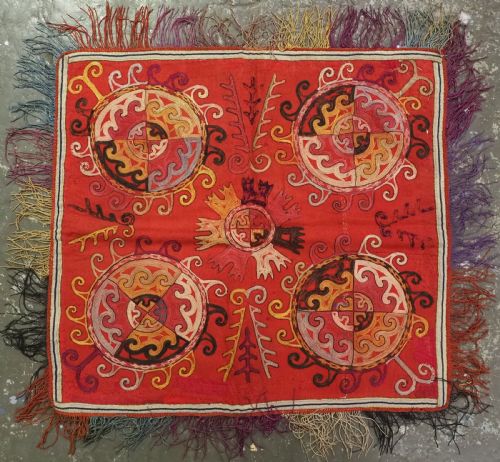
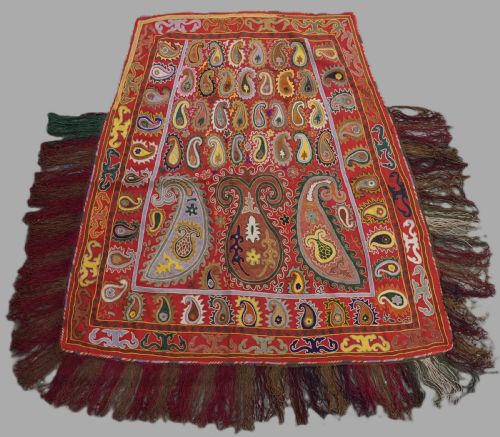
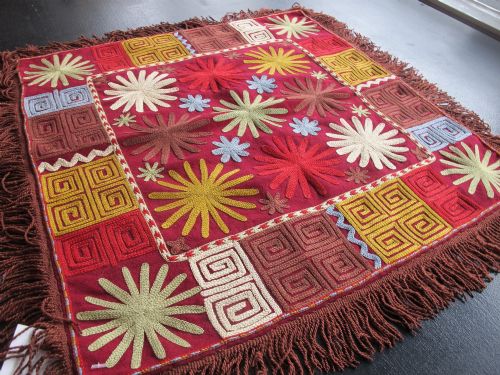
- An embroidered dowry hanging created by the Uzbek Lakai tribe. These textiles utilise dynamic needlework for wall decoration.
- Torba
- A smaller utility bag used for storage within nomadic dwellings. They frequently feature detailed face designs complete with original backs.
Central Asian Wool Textile: Frequently Asked Questions
What is a central asian wool textile used for?
These textiles served practical nomadic functions, ranging from storage bags and tent furnishings to ceremonial horse blankets for weddings. Tribes utilised them inside yurts for daily domestic organisation.
Today, collectors repurpose these durable wool and embroidered items as wall hangings, decorative floor rugs, and accent pieces within modern interiors.
How do I identify different tribal designs?
Tribal identity is often revealed through repeating geometric motifs known as guls and the specific structure of the weave. Yomut, Tekke, and Ersari weavers each employed distinct colour palettes and structural patterns.
Embroideries from the Uzbek Lakai tribe display entirely different techniques, featuring curved needlework rather than knotted pile.
Are these textiles made from natural materials?
Traditional pieces rely on hand-spun wool, cotton foundations, and occasionally silk highlights for decorative contrast. Artisans coloured these fibres using natural dyes derived from regional plants and minerals.
Felted wool also appears frequently, particularly in ceremonial horse blankets and felt rugs produced by nomadic groups.
How should I care for a textile?
Protect wool and silk textiles from direct sunlight to prevent natural dye fading over time. Gentle vacuuming without a beater bar removes surface dust safely.
Professional textile conservators should handle any deep cleaning or structural repairs to preserve the original fibres and stitching.