

Central Asian Textile Art
Central asian textile art brings together historic tribal embroideries, woven bags, and silk hangings from nomadic and settled communities.
Central Asian Textile Art
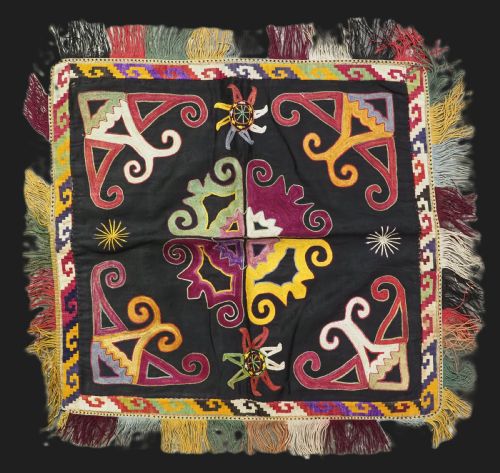
Central asian textile art encompasses a diverse range of historic items, from large ceremonial wall hangings and domestic embroideries to utilitarian storage bags and garments. Buyers exploring this category encounter pieces originating from nomadic and settled communities across regions such as Uzbekistan and Turkmenistan.
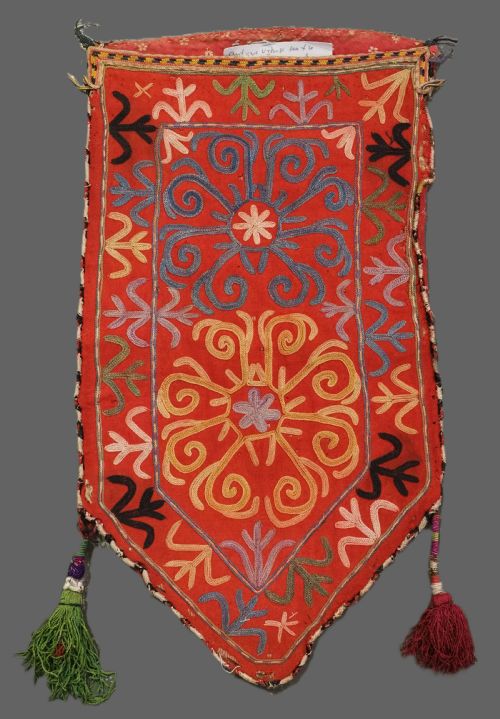
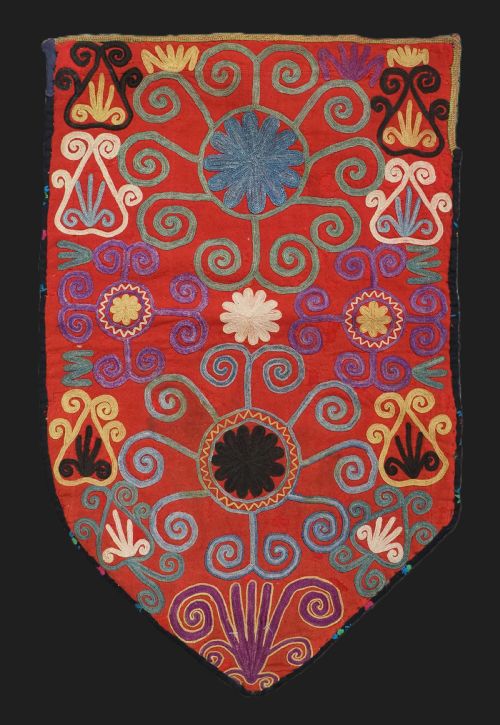
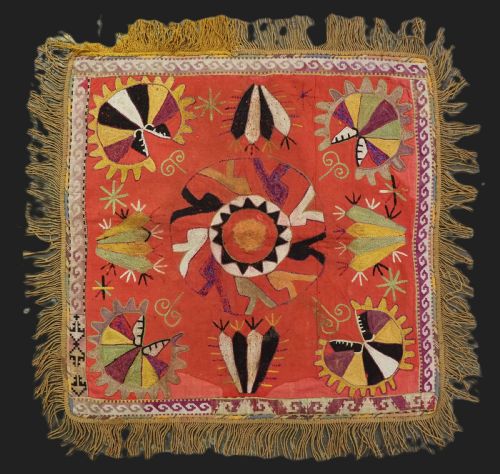
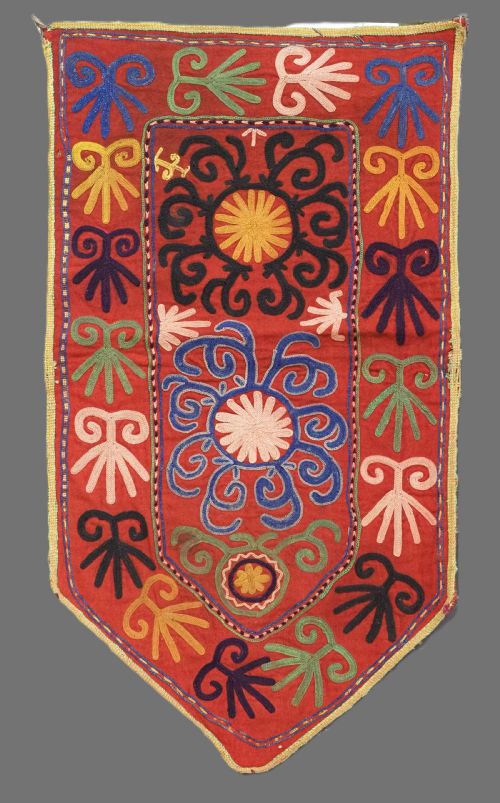
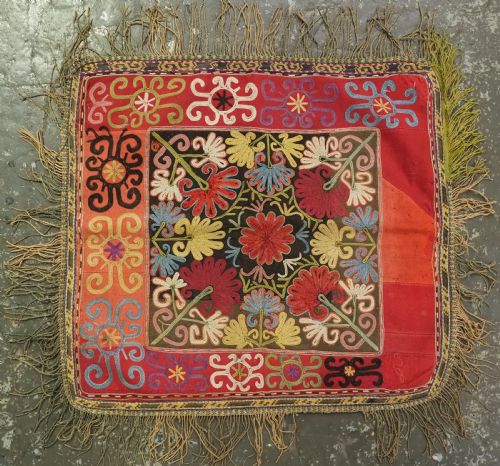
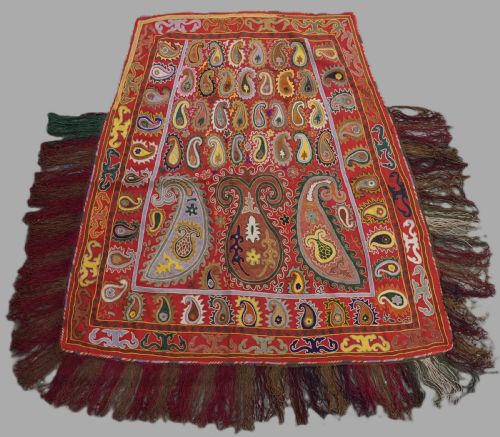
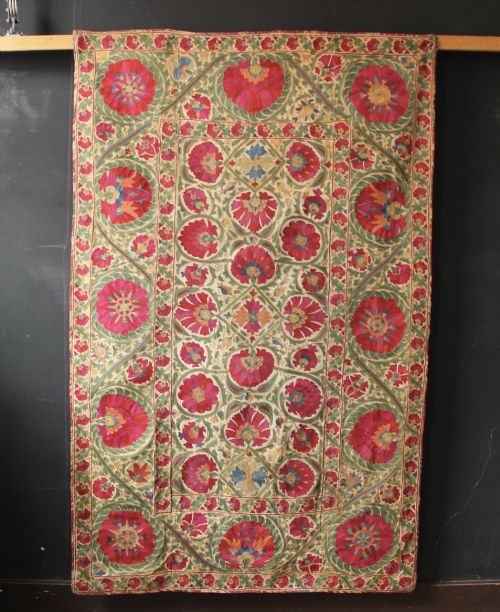
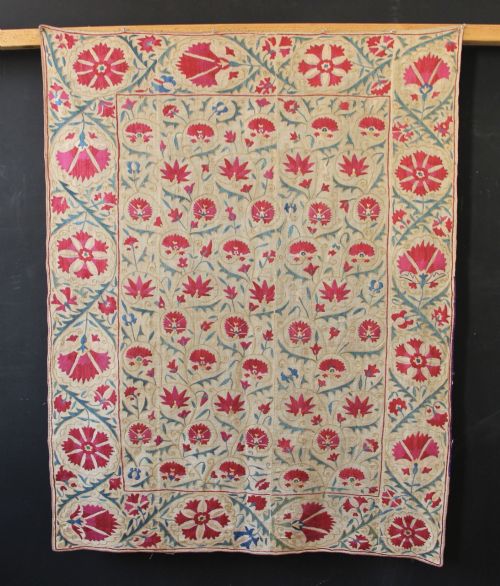
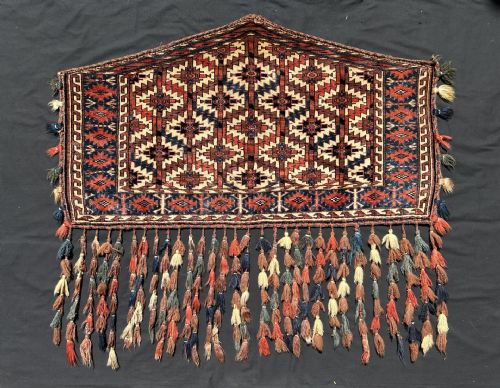
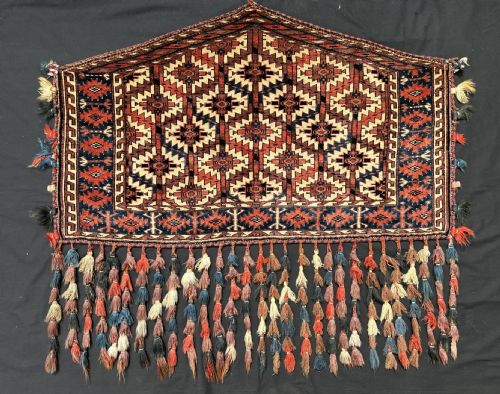
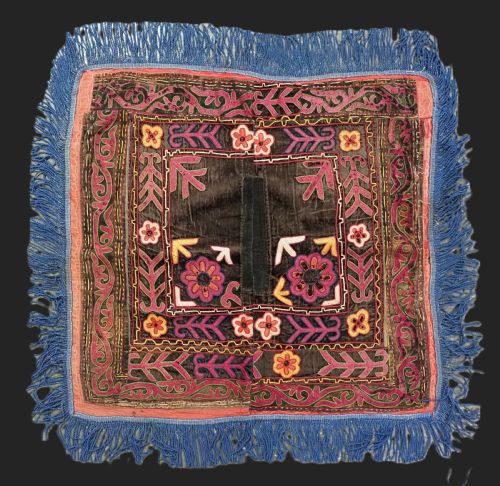
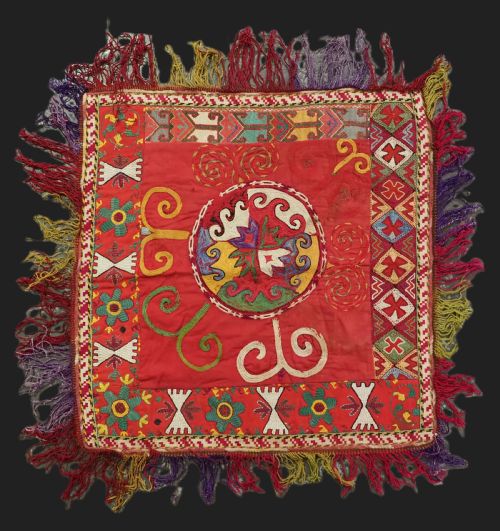
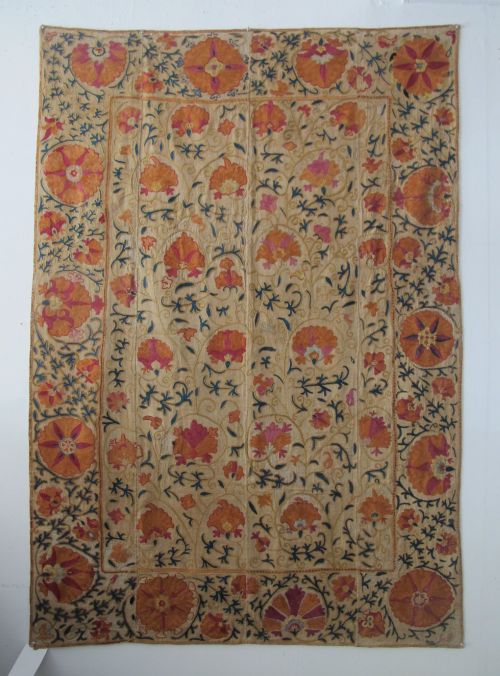
The selection frequently includes Suzani panels, Yomut and Ersari Turkmen torbas, and Lakai tribal ilgiches created for dowries and domestic use. These objects reflect specific regional traditions and tribal identities spanning the nineteenth and early twentieth centuries.
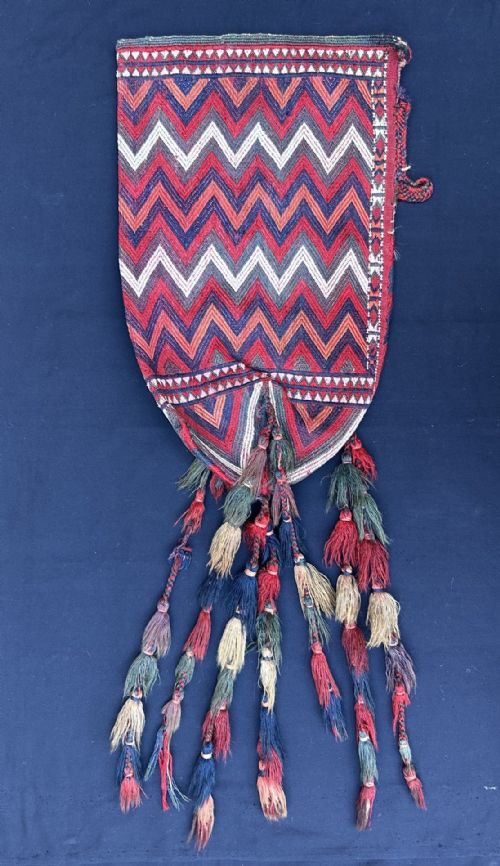
Forms vary from horse covers and spindle bags to coats and yurt wall hangings, demonstrating the breadth of material culture produced in the region. Each piece carries distinct motifs rooted in tribal heritage and everyday nomadic life.
Evaluating the range of pieces
Quality differences emerge in the fineness of the embroidery work, the complexity of the design layout, and the vibrancy of the natural dyes utilised. Superior examples display meticulous stitch density and harmonious colour palettes that reflect high technical skill.
The integrity of the ground fabric and the preservation of original borders or backing materials also influence the standing of an item. Greater intricacy in tribal motifs and superior handling of silk highlights set finer workshop and nomadic pieces apart from simpler domestic items.
Ceremonial camel trappings and horse covers remind us that horses once wore finer dowry embroidery than most humans.
The Central Asian Textile Art Glossary
- Suzani
- A large, embroidered wall hanging originating from Uzbekistan and Tajikistan, typically worked in silk on a cotton or linen ground.
- Torba
- A small, envelope-shaped bag used by Turkmen tribes for domestic storage inside the tent, often displaying intricate geometric patterns.
- Ikat
- A dyeing technique where yarns are resist-dyed before weaving to create characteristic blurred pattern edges on silk or semi-silk fabrics.
- Asmalyk
- A large, pentagonal trapping produced by Yomut and other Turkmen tribes, traditionally used to decorate wedding camels.
- Ilgich
- An embroidered hanging or dowry piece produced by Lakai and Uzbek groups, frequently featuring distinctive dynamic tribal motifs.
- Khalat
- A traditional long coat or robe worn in Central Asia, often fashioned from brightly patterned silk ikat fabric.
Central Asian Textile Art: Frequently Asked Questions
What is a suzani?
A suzani is a large embroidered textile panel traditionally made in Central Asia as part of a bride's dowry. These pieces were worked in silk thread on cotton or linen foundations.
Families used them as wall hangings, bed covers, or ceremonial wraps during traditional wedding celebrations.
How were tribal bags used?
Torbas and spindle bags served practical storage functions within nomadic tents and yurt dwellings. Tribes utilised them to hold household goods, personal items, or spinning equipment.
These functional items were woven or embroidered with protective tribal motifs that identified the maker's clan.
What are ikat coats?
Ikat coats, known as khalats or chapans, are traditional garments tailored from richly patterned silk or mixed-silk fabrics. Artisans dyed the yarns using resist methods before weaving them into vibrant cloths.
Wealthier individuals wore these padded or quilted coats as status garments during the cooler months.
Where did these textiles originate?
These items originated across the historic regions of Uzbekistan, Turkmenistan, and surrounding Central Asian territories. Nomadic groups like the Yomut and Ersari, alongside settled communities in Bukhara and Shakrisabz, produced them.
Each area developed distinct styles, materials, and iconographic traditions reflecting local lifestyles.
How do I care for antique textiles?
Antique textiles require protection from direct sunlight to prevent natural dye fading and fibre degradation. Displaying them away from moisture and heat sources preserves the historic wool, silk, and cotton materials.
Professional mounting helps distribute weight evenly when hanging large panels or heavy embroidered covers.