

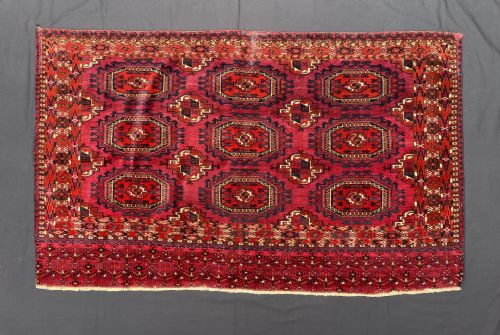


Central Asian Rug Bag
Central asian rug bag examples are nomadic woven containers used for household storage, prized by collectors for their rich tribal patterns.
Central Asian Rug Bag
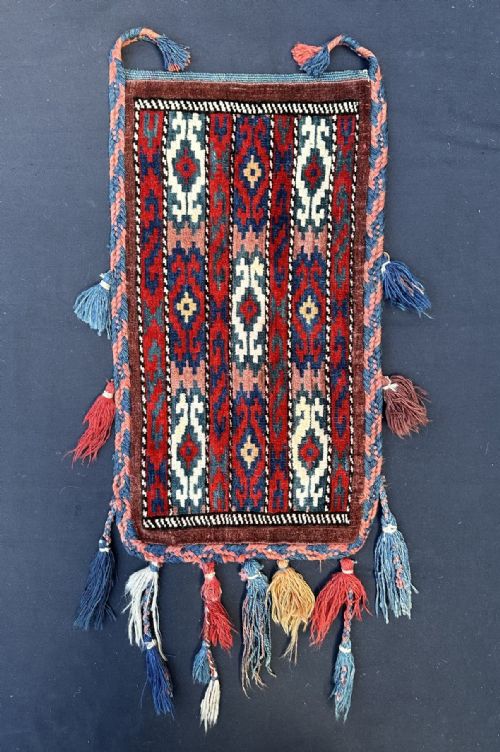
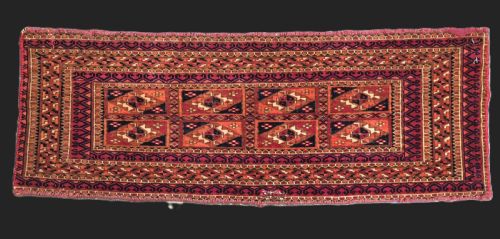
A central asian rug bag represents portable nomadic storage created by tribal groups across Turkmenistan and Uzbekistan during the nineteenth and early twentieth centuries. These woven containers served practical domestic functions inside yurts and tents, holding bedding, household goods, or spindle equipment.
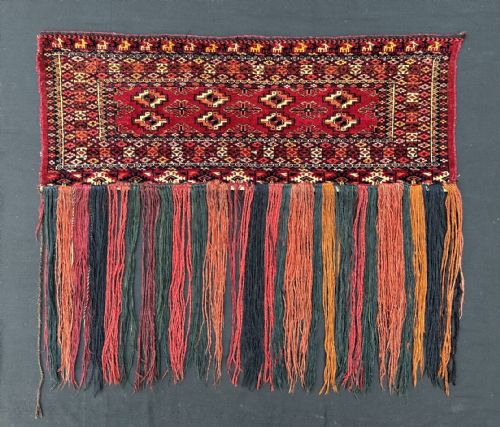
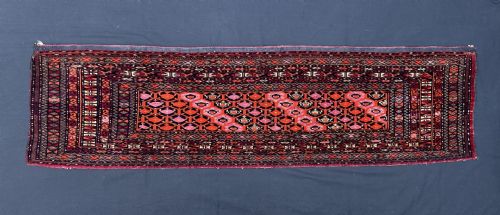
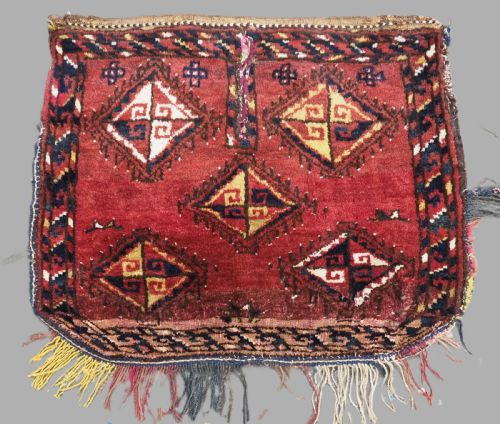
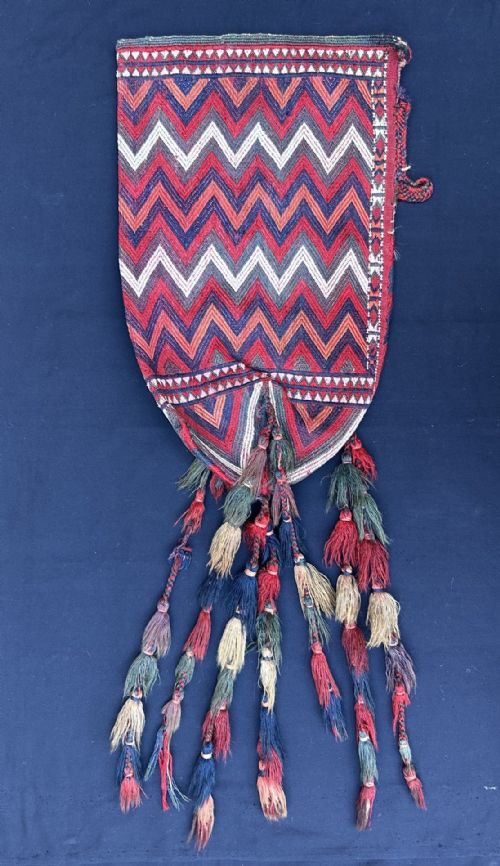
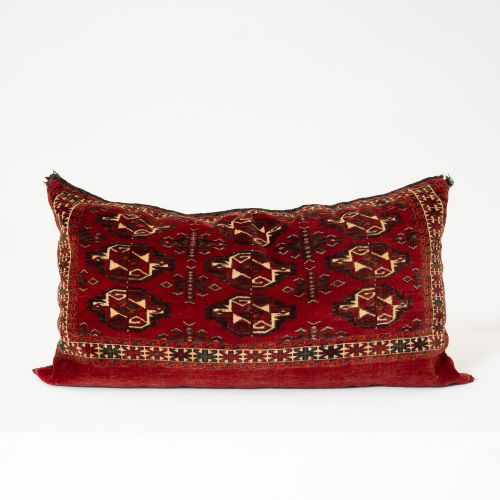
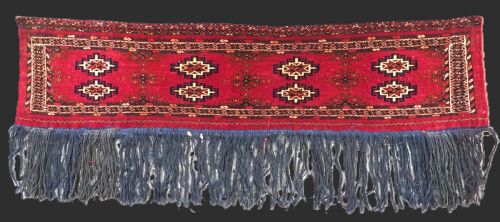
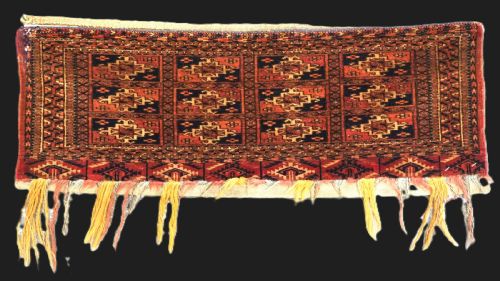
The most common formats encountered on this page include torba storage bags, chuval tent bags, and specialised hanging containers like the uut kap or igsalyk. Turkmen tribal groups such as the Tekke, Yomut, Saryk, and Ersari produced the majority of these pieces, alongside Uzbek Lakai tribal examples.
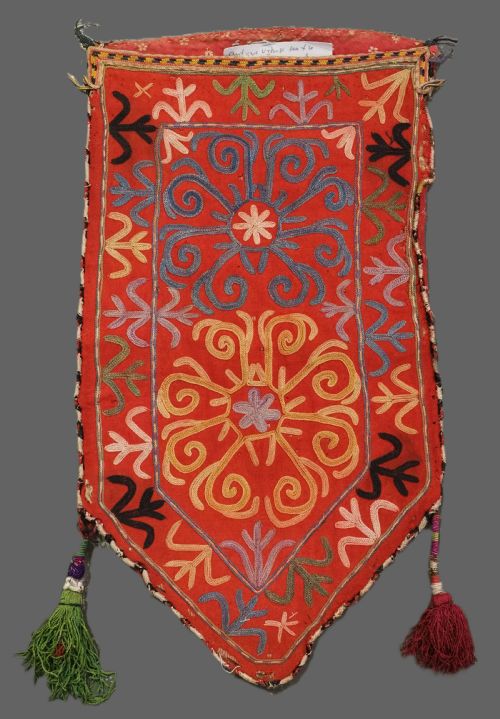
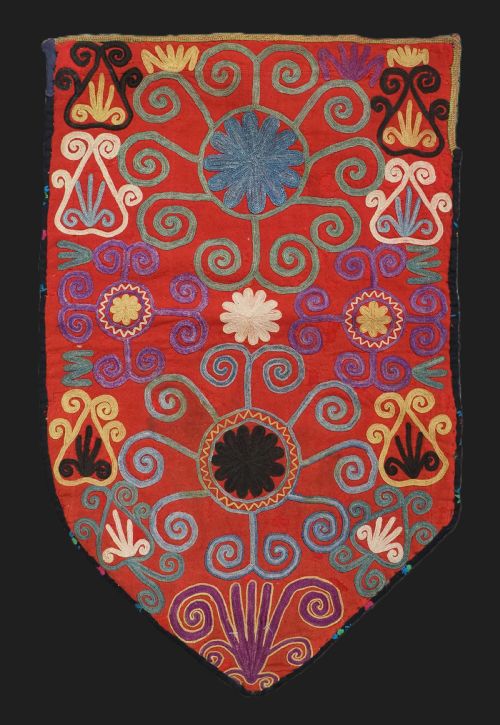
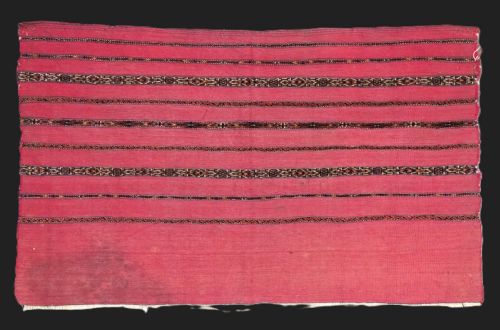
Makers utilised traditional formats defined by tribal weaving traditions, structured either as complete bags with plain weave backs or as surviving decorative face panels. Collectors encounter these textiles in various structural states, from complete household containers to fragments and paired faces.
Materials and Construction
Weavers relied primarily on hand-spun wool for the dense pile and structural foundations of these storage pieces, occasionally incorporating cotton for supplementary foundation elements. Natural dyes provided the characteristic deep palette dominated by madder reds, while select examples integrated silk highlights or embroidery.
The structural technique combined pile-woven sections with plain weave flatweaving for the backs, creating durable containers designed to withstand heavy daily handling in nomadic encampments. Finer pieces employed tightly packed knots and intricate supplementary weft-wrapping to form crisp geometric motifs.
Listings span nineteenth- and early twentieth-century periods, showcasing wool, natural dyes, and hand-spun materials across tribal formats.
Assessing Quality and Execution
Quality separates ordinary utility pieces from exceptional tribal weaving through the density of the knotting and the precision of the drawing. Superior examples exhibit high knot counts per square inch that allow complex secondary ornaments to remain sharp and legible.
The depth and saturation of natural dye colours contribute significantly to visual standing, alongside the presence of complete structural elements like original plain weave backs or closure systems. Scarcity of specific tribal designs, such as unusual gul arrangements or ivory grounds, elevates particular pieces above standard production.
Tekke Turkmen·Yomut Turkmen·Saryk Turkmen·Ersari Turkmen·Lakai Tribe
The Central Asian Rug Bag Glossary
- Gul
- A medallion motif used repeatedly across Turkmen tribal weaving to identify specific clans and lineages. These primary octagonal emblems form the structural backbone of most tent bag designs.
- Torba
- A medium-sized horizontal storage bag utilised inside the nomadic tent for general household goods. They often display elaborate face designs framed by distinctive borders.
- Chuval
- A large tent bag traditionally used for storing bedding and heavy blankets. These pieces frequently feature multiple rows of major guls.
- Igsalyk
- A specialised narrow spindle bag made by Yomut weavers to hold spinning tools and wool preparations. They display compact vertical formats.
- Mafrash
- A rectangular storage container or travel bag used for packing possessions during nomadic migrations. They commonly incorporate banded flatweave or pile structures.
Central Asian Rug Bag: Frequently Asked Questions
What were central asian rug bags used for?
Nomadic families utilised these woven containers for organising bedding, clothing, and household possessions inside traditional dwellings. Their sturdy construction allowed them to hang from tent lattices or serve as pack bags during seasonal migrations.
Different shapes corresponded to specific storage duties, ranging from wide bedding containers to narrow cylindrical holders for spinning tools.
How do you distinguish between Yomut and Tekke bags?
Yomut weavings often display hooked kepse guls and stepped minor ornaments, accompanied by distinctive hooked border patterns. Their colour palette tends to incorporate more aubergine and brown tones.
Tekke examples typically showcase precise octagonal gul layouts set against deep madder red grounds, finished with refined elem panels at the lower skirts.
Why do some bag faces lack backs?
Many surviving examples circulated as bag faces because the plain weave wool backs wore out faster through daily friction and ground contact. Owners often separated the durable pile fronts to preserve the decorative artwork when the utility container retired.
Complete pieces featuring original flatweave backs represent a greater degree of original survival.
How should antique bag fragments be displayed?
Collectors frequently mount textile fragments onto neutral backing fabrics for safe exhibition as wall hangings or display them flat on low-traffic surfaces. Proper support prevents distortion along the edges where structural warps terminate.
Keeping textiles away from direct sunlight protects natural wool dyes from fading over time.