

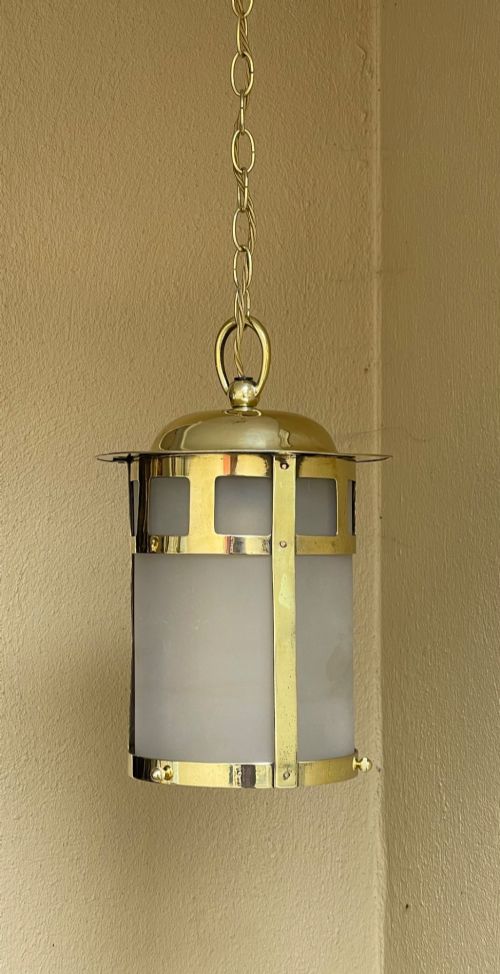
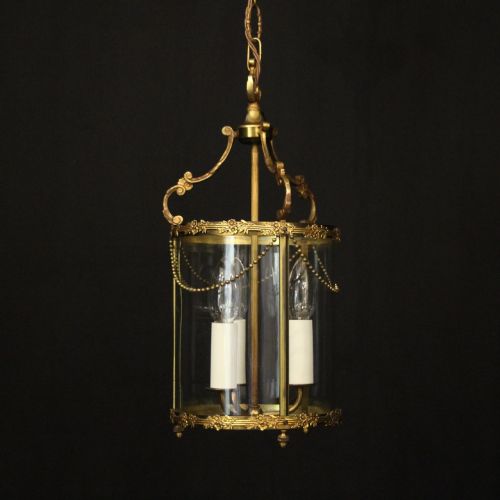
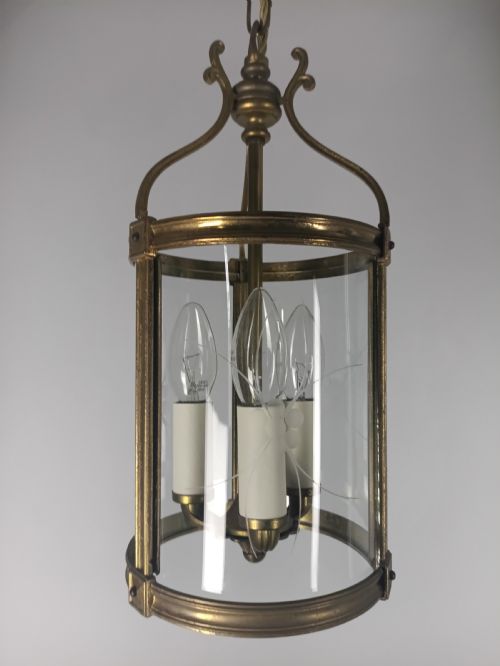
Ceiling Hall Lantern
A ceiling hall lantern lights an entryway with brass and glass, bringing period character and warm illumination to a historic home.
Ceiling Hall Lantern
A ceiling hall lantern is a hanging light fixture designed specifically for entranceways, corridors, and vestibules. When you search for this phrase, you encounter pieces that originate primarily from the Victorian and Edwardian eras, alongside later examples from the 1920s and 1930s.
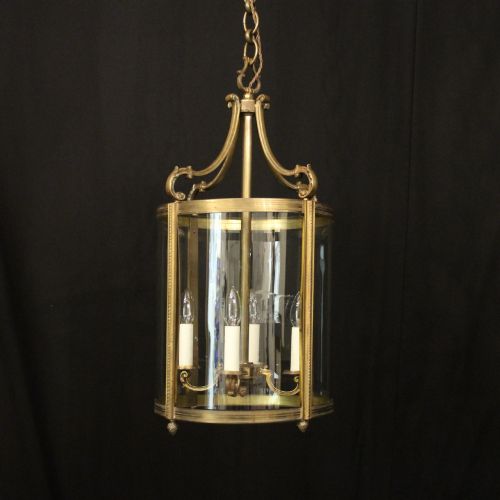
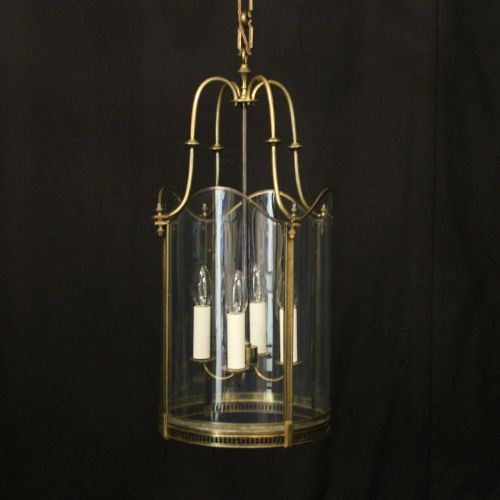
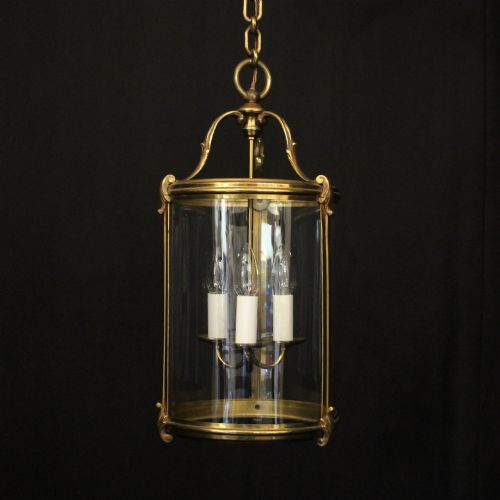
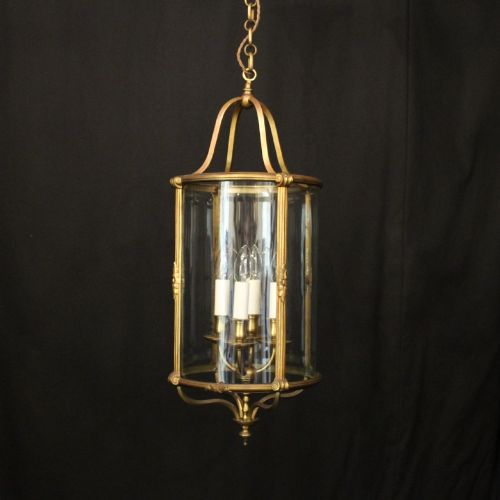
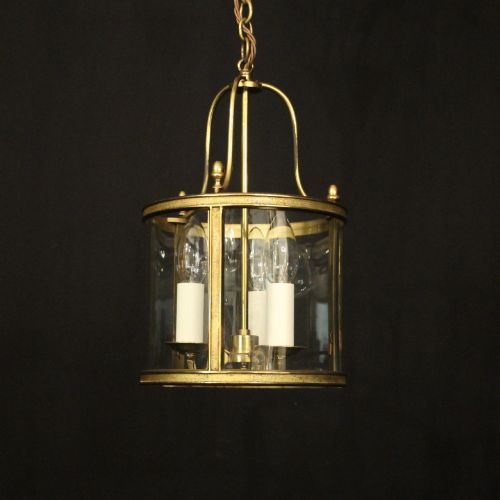
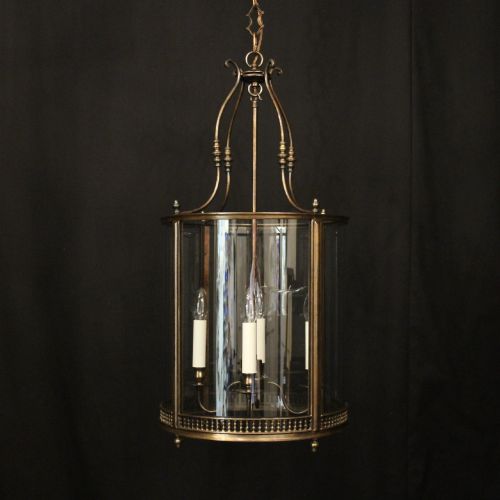
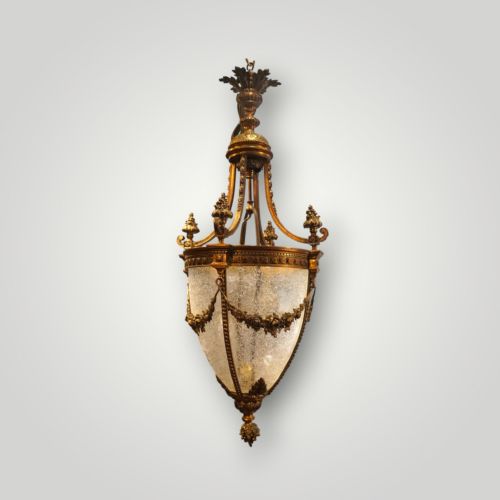
The most common versions met on this page are French and English designs, frequently rendered in brass or gilded bronze with glass panels. These fixtures vary in scale from compact single-light pendants to grand multi-light configurations suited for high ceilings.
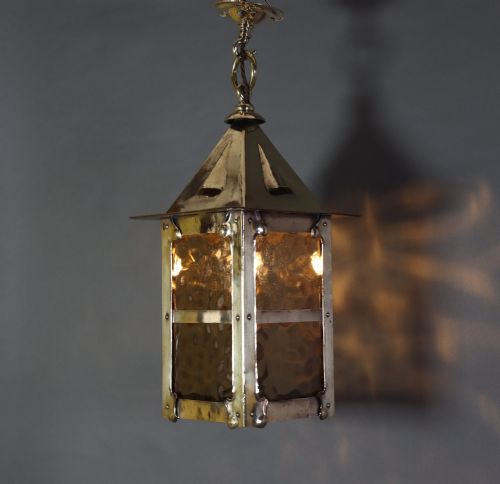
Makers and designers from movements such as Arts and Crafts and Art Nouveau contributed distinctive interpretations to the form. Buyers select these lights to establish an authentic period ambiance right at the threshold of a property.
How they were made
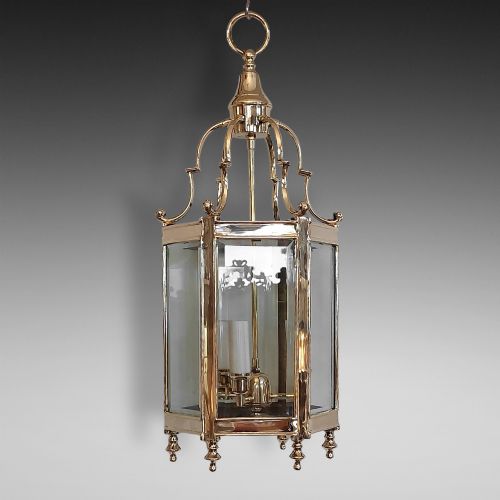
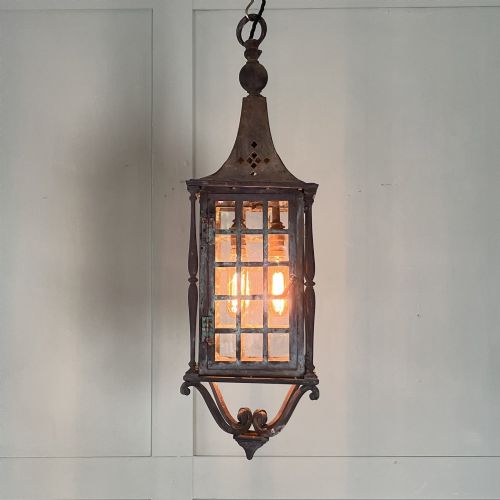
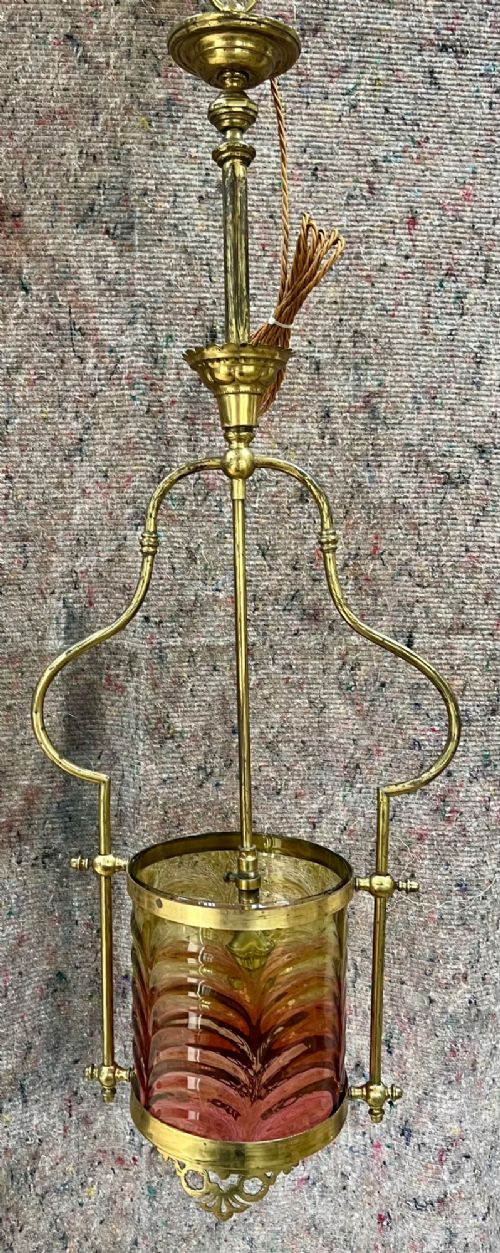
The primary structural framework relies on cast and sheet brass, bronze, copper, or lead, often finished with a gilt surface. Metalworkers constructed frames in hexagonal, square, or cylindrical geometries, sometimes incorporating hinged doors for access.
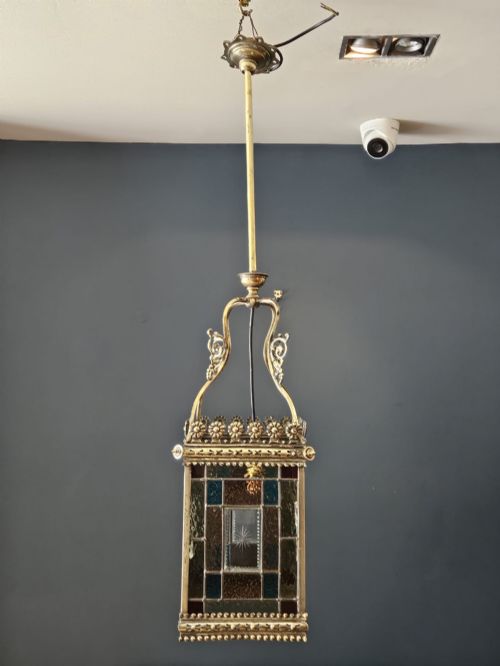
Glazing techniques define the visual character of these fixtures, utilising clear glass, leaded panes, stained glass, etched glass, or convex bullseye lenses. Craftspeople joined individual glass panels into metal cames or secured them within sturdy brass collars.
Listings feature brass, copper, and bronze materials spanning the 19th century through the 1930s.
What varies in quality
Quality rests upon the weight and thickness of the metal frame and the fineness of its casting or beating. Heavier bronze and thick brass maintain structural integrity and support complex multi-light arrangements better than lighter stamped alternatives.
The sophistication of the glazing elevates a piece, particularly when it employs hand-blown bullseye lenses, intricate stained glass, or delicate etched decoration. Subtlety in the gilt finish and the retention of original components further separate standard utilitarian hall lights from superior examples.
The Ceiling Hall Lantern Glossary
- Convex glass
- Curved glass panels that project outward, frequently seen on French hall lanterns to diffuse light more broadly across an entrance.
- Bulls eye glass
- Thick, circular hand-blown glass lenses featuring a central pontil mark, creating distorted optical patterns when illuminated.
- Leaded glass
- Individual pieces of glass joined together by strips of lead came, common in Arts and Crafts and Victorian fixtures.
- Gilt bronze
- Bronze metal treated with a thin layer of gold or gold-coloured wash to provide a rich, enduring metallic sheen.
- Hexagonal form
- A six-sided geometric shape frequently utilised for the frame and glass panels of traditional hall lanterns.
Ceiling Hall Lantern: Frequently Asked Questions
Where should a hall lantern hang?
These fixtures suit entrance halls, vestibules, and stairwells where overhead illumination is necessary. They require sufficient ceiling height to allow clearance beneath the hanging drop.
Positioning the lantern centrally ensures balanced light distribution across the passageway. Grand multi-light versions demand larger proportions to complement the surrounding architectural scale.
How do I date a brass lantern?
Dating relies upon stylistic cues, construction methods, and material choices present in the frame. Victorian and Edwardian pieces often display heavier cast brass components and specific decorative motifs.
Later 1920s and 1930s examples frequently introduce French neoclassical or streamlined influences alongside convex glass panels. Comparing the assembly techniques against known period pieces clarifies the chronology.
Are these lights suitable for modern wiring?
Many historic lanterns arrive ready for contemporary electrical installation while retaining their original aesthetic appeal. Qualified electricians can easily adapt older fittings to meet current safety standards.
Rewired fixtures ensure seamless integration into domestic electrical circuits without compromising the historical integrity of the metalwork.
What styles are available?
The selection encompasses diverse aesthetic movements including Arts and Crafts, Art Nouveau, Gothic Revival, and French Rococo. Each style brings distinct decorative vocabulary to the metal frames and glass panels.
English and French regional variations further diversify the options, ranging from austere copper designs to ornate gilded bronze models.