


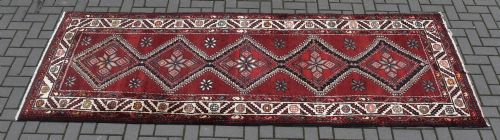

Caucasian Wool Hallway Runner
A Caucasian wool hallway runner brings geometric clarity and rich historical depth to a long interior space.
Caucasian Wool Hallway Runner
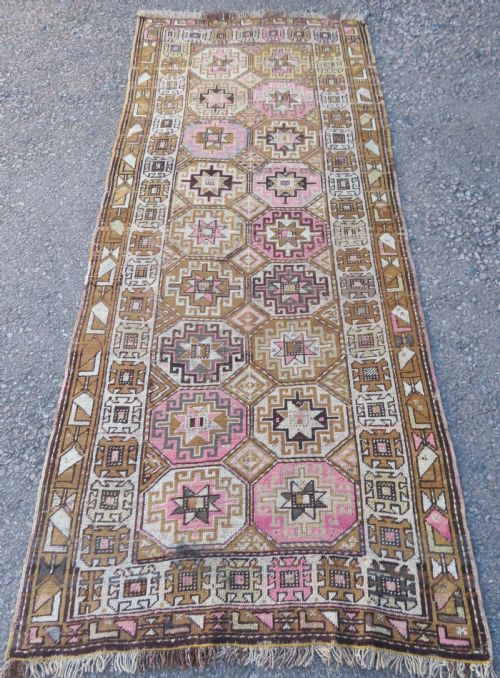
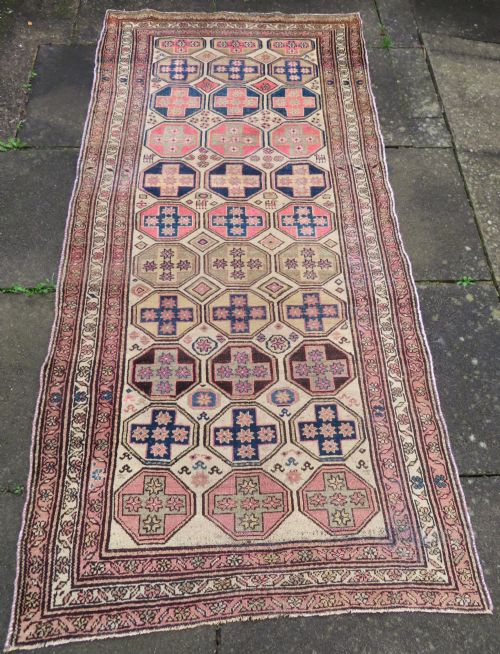
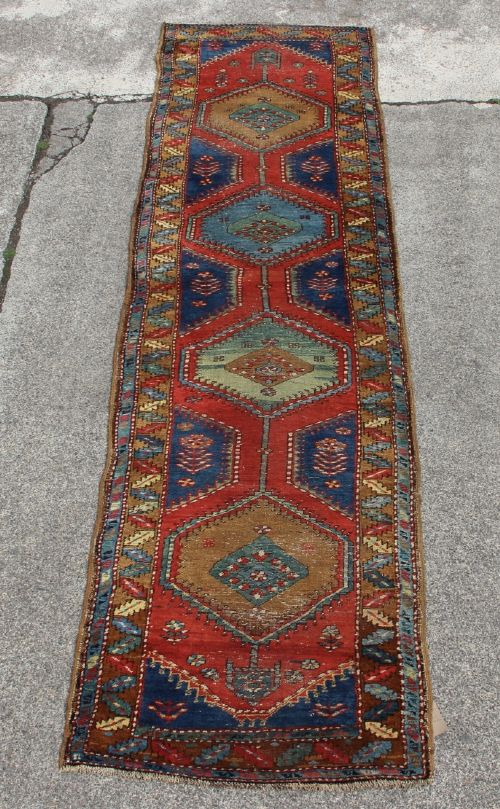
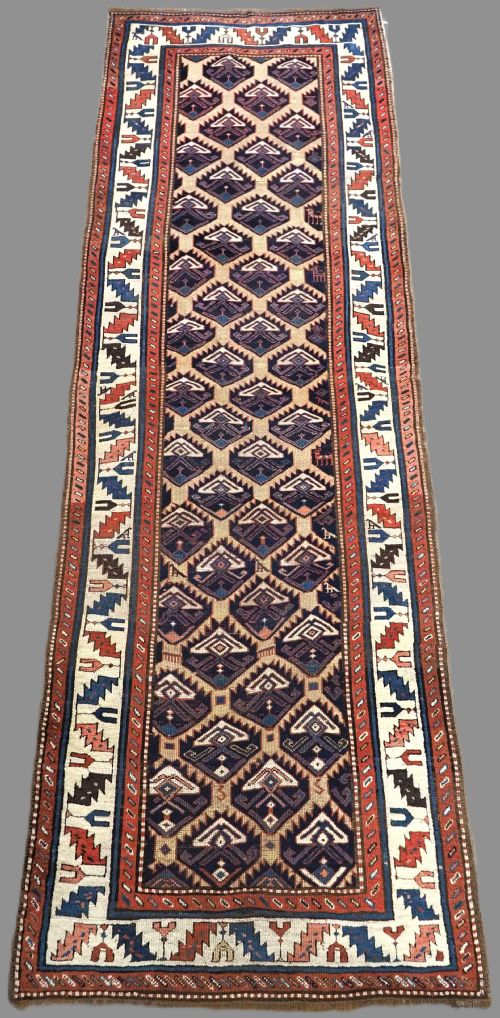
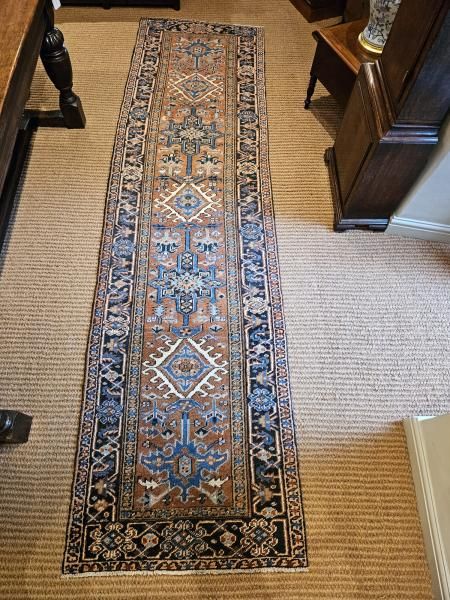
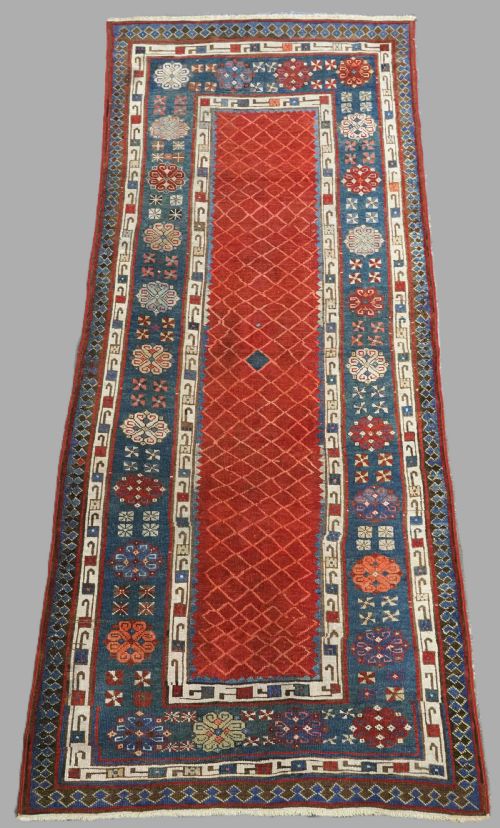
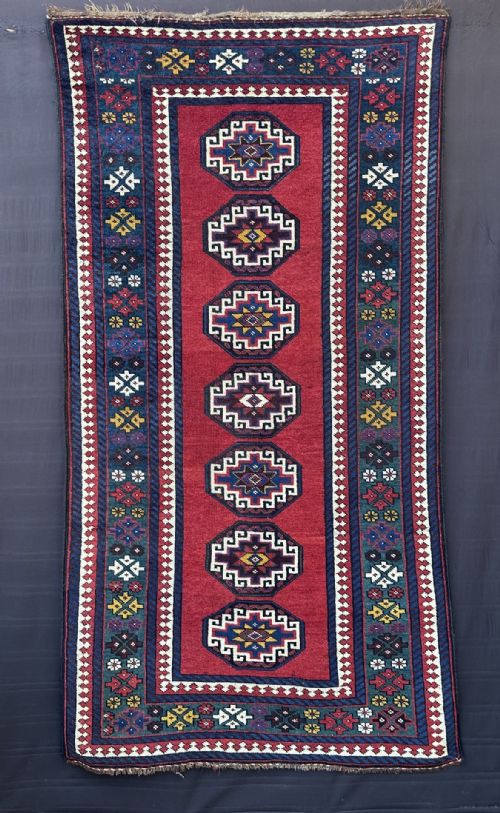
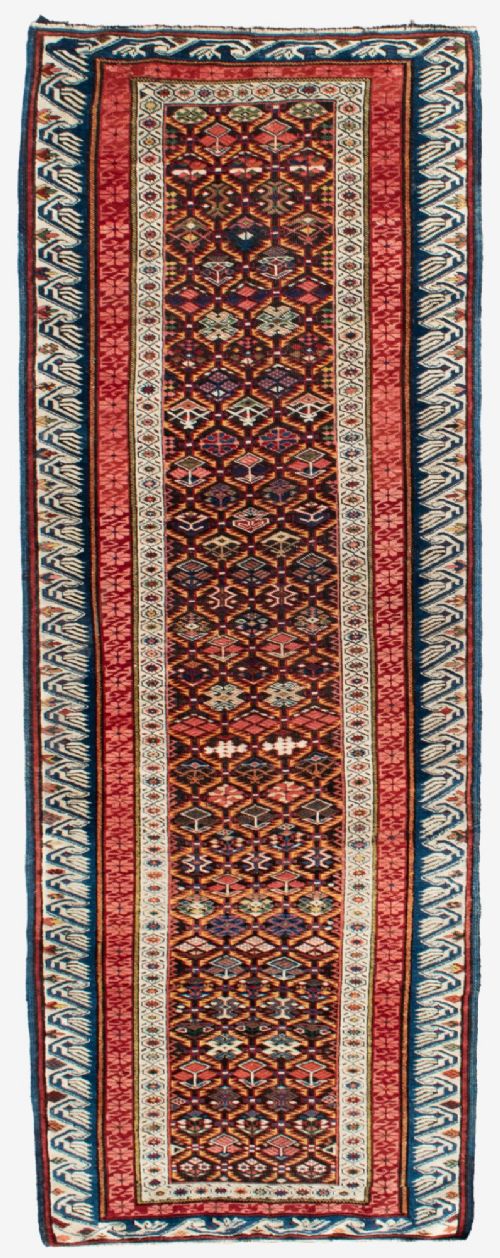
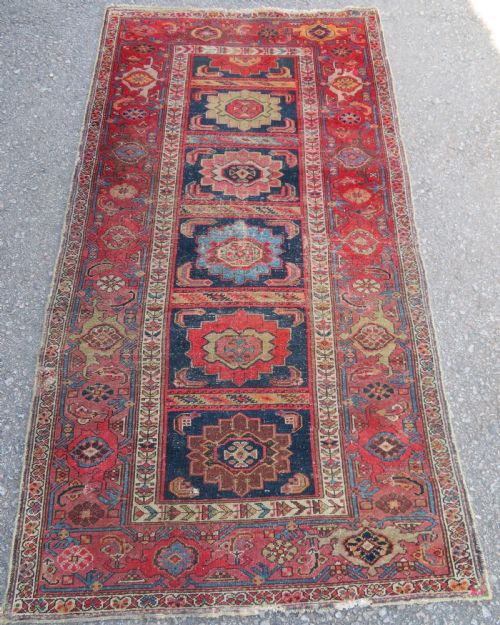
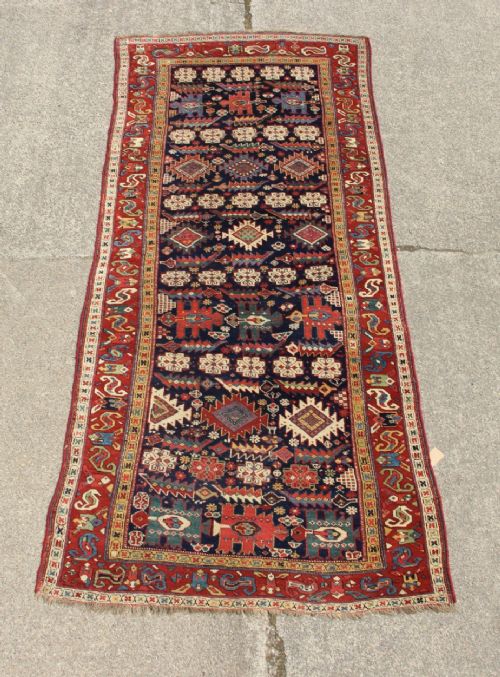
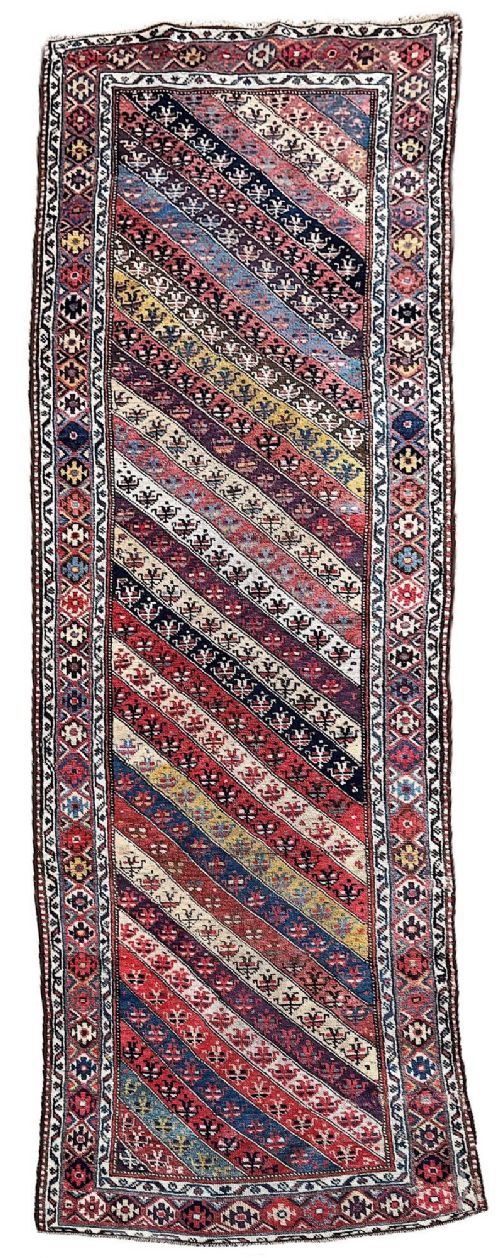
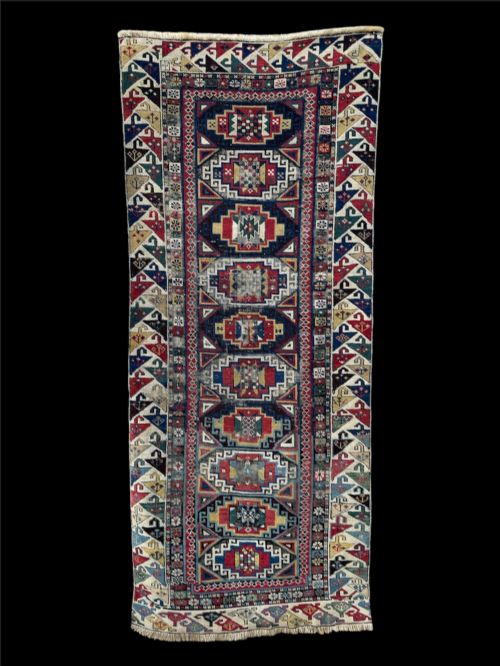
A Caucasian wool hallway runner is a narrow, elongated floor covering originating from the Caucasus region and neighbouring Persian territories during the nineteenth and early twentieth centuries. These pieces span periods from the 1860s through to the 1920s, reflecting traditional tribal weaving practices across various locales such as Shirvan, Gendje, Talish, and Seychour.
Buyers seeking a Caucasian wool hallway runner encounter formats designed specifically for corridors and extended spaces, often displaying bold geometric medallions, lattice patterns, or repeating boteh motifs. The selection includes distinctive regional styles ranging from Kazak and Karabagh to Kurdish and Shahsavan productions.
Materials and construction
These runners are constructed primarily from wool and hand-spun wool, frequently utilising cotton foundations to provide structural stability for the pile. The employment of natural dyes imparts a depth and variation of colour that develops character over decades of use.
Weavers utilised traditional handweaving techniques to create flat-weave kilims and knotted-pile carpets designed for durability in high-traffic domestic environments.
The inventory records pieces spanning the 1860s through to the 1920s, utilising hand-spun wool and natural dyes.
Assessing quality and craftsmanship
Quality in these runners rests on the crispness of the geometric drawing, the saturation and source of the natural dyes, and the density of the wool pile. Pieces retaining high pile integrity and precise tribal motifs command attention for their visual preservation.
Structural preservation also dictates distinction, as early fragments and runners maintaining their original borders demonstrate the authentic output of regional weaving communities without modern restoration.
Shahsavan·Kurdish·Karabagh·Shirvan
The Caucasian Wool Hallway Runner Glossary
- Boteh
- A swirling almond-shaped or paisley motif representing a floral spray or cypress tree, frequently seen in Caucasian and Persian weaving. This ancient symbol appears repeatedly across nineteenth-century runners.
- Talish
- A specific regional designation from the Caucasus known for producing long rugs and runners with open fields and detailed borders. Talish pieces often feature calm blue grounds flanked by intricate guard stripes.
- Shirvan
- A style originating from the eastern Caucasus, characterised by finely woven geometric designs and balanced colour palettes. Shirvan runners typically exhibit crisp execution and controlled repeating patterns.
- Kazak
- A robust style associated with West Caucasian weaving groups, notable for large geometric medallions and primary colours. These runners offer strong graphic presence and sturdy wool construction.
Caucasian Wool Hallway Runner: Frequently Asked Questions
Where should I place a runner?
These long formats suit narrow entryways, corridors, and galleys where linear geometry enhances architectural length.
Positioning them away from excessive direct sunlight preserves the natural dyes used in their creation.
How do I clean an antique runner?
Gentle surface brushing and professional rug cleaning suitable for natural wool maintain the pile without disturbing the foundation.
Avoid chemical washing agents that strip the lanolin from hand-spun wool fibres.
Are these runners durable for everyday use?
Constructed with dense wool pile and sturdy foundations, these pieces were originally made for demanding domestic environments.
Using a quality underlay prevents slipping and cushions the weave against hard flooring.
How can I identify the regional style?
Examining the specific geometry, border arrangements, and colour combinations reveals distinct characteristics of Caucasian or Persian origins.
Comparing motif repetitions helps separate Shirvan and Gendje productions from neighbouring tribal styles.