




Caucasian Kuba Carpet
A caucasian kuba carpet brings geometric mastery and rich regional wool into an interior through centuries of eastern Caucasian weaving tradition.
Caucasian Kuba Carpet
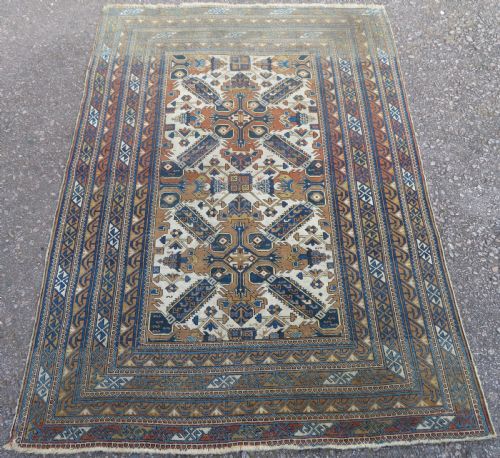
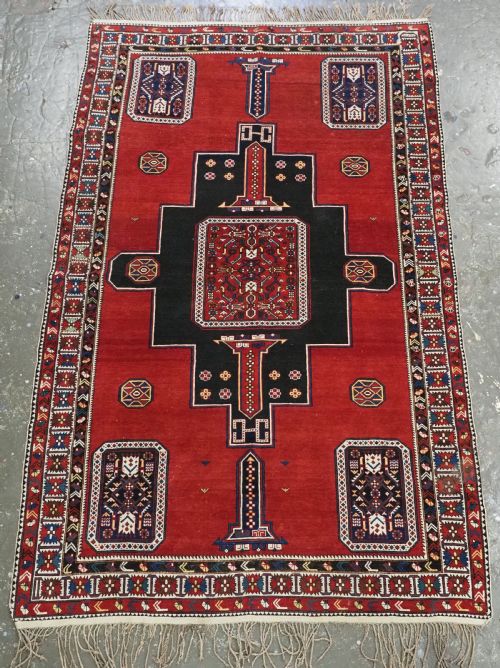
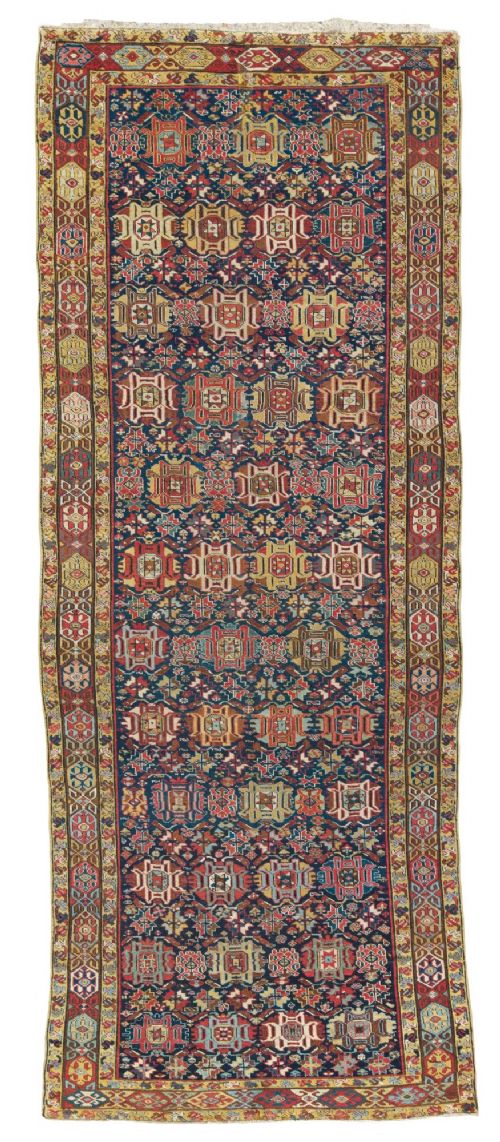
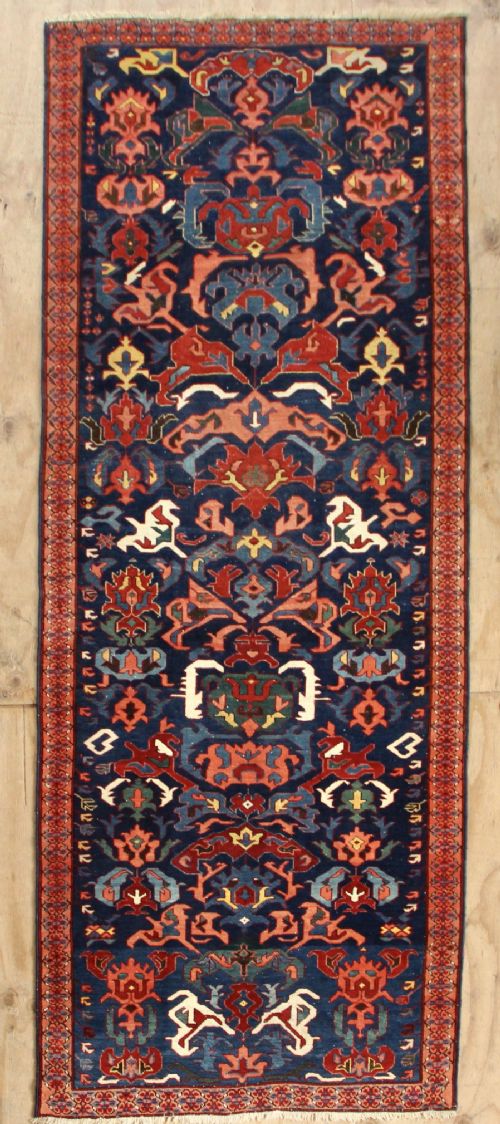
A caucasian kuba carpet draws the eye with distinct regional designs like cruciform medallions, Alpan patterns, Perepedil motifs, and shield patterns. These woven works range from intimate scatter rugs and narrow runners to expansive carpet formats.
The pieces appearing here span from the mid-nineteenth century through to the early twentieth century, alongside select eighteenth-century examples. Buyers frequently encounter formats such as prayer rugs, kelleh carpets, and flatwoven kilims originating from the Kuba region.
Rooted in Caucasian tribal aesthetics, these rugs present varied structural layouts from precise geometric arrangements to softer faded palettes. Each format reflects the specific weaving villages and workshops of the eastern Caucasus.
Materials and construction
Every piece in this tradition is built from wool, utilising animal fibres for both the foundation warp and weft threads as well as the dense pile. Artisans knot the wool by hand to create durable floor coverings designed for lasting use.
Certain examples employ flatweaving techniques rather than a knotted pile, producing Soumak and kilim structures without traditional loops. These varied techniques allow for both textured pile carpets and flat geometric surfaces.
Assessing quality in weaving
Quality rests in the precision of the weave and the crispness of the geometric motifs. Finer knotting allows intricate patterns like the Perepedil or cruciform medallion to maintain sharp definition across the field.
The vitality and harmony of the palette distinguish superior examples. Natural dyes develop depth and character over time, creating balanced visual weight between the central field and the surrounding borders.
The Caucasian Kuba Carpet Glossary
- Kelleh
- A large rectangular carpet format, longer than a standard room rug but narrower than a full palace carpet. These pieces serve traditional corridor and hall spaces.
- Soumak
- A flatweaving technique that wraps weft threads around the warp to create a textured surface without a cut pile. This method produces sturdy rugs with distinct ribbed backs.
- Prayer rug
- A specialised rug format featuring a central mihrab or niche design oriented in one direction. Historically used for daily devotion, these pieces focus pattern towards a single point.
- Kilim
- A tapestry-woven flat rug made without a pile. These textiles rely on interlocking weft threads to build sharp geometric patterns.
- Afshan
- A traditional repeating floral and geometric pattern layout found across eastern Caucasian weaving. This design connects palmettes and blossoms in a continuous lattice network.
Caucasian Kuba Carpet: Frequently Asked Questions
How do I care for a wool rug?
Vacuum gently without a rotating brush roll to protect the wool pile from unnecessary friction and fibre loss.
Rotate the rug periodically to ensure even wear patterns from foot traffic and sunlight exposure across the room.
What defines a Caucasian tribal design?
These designs rely on bold geometric structures, angular medallions, and stylised motifs rather than curving floral botanicals. Each design communicates specific regional weaving traditions from the Caucasus mountains.
Palettes often combine contrasting primary tones with ivory grounds to make the geometric symbols stand out sharply.
How can I tell the age of a rug?
Age assessment depends on examining the natural wear of the wool pile, the composition of the dyes, and structural evidence within the foundation. Earlier pieces often display hand-spun wool irregularities and softer vegetable dye hues.
Structural characteristics like side cord construction and end finishes also provide clues to the period of production.
Where were these carpets made?
Production centred on the Kuba region situated in the eastern Caucasus near the Caspian Sea. Local weaving villages developed distinct signatures in their borders and central medallions.
Nearby areas like Konagkend and Perepedil contributed specialised local variations to the broader regional output.