


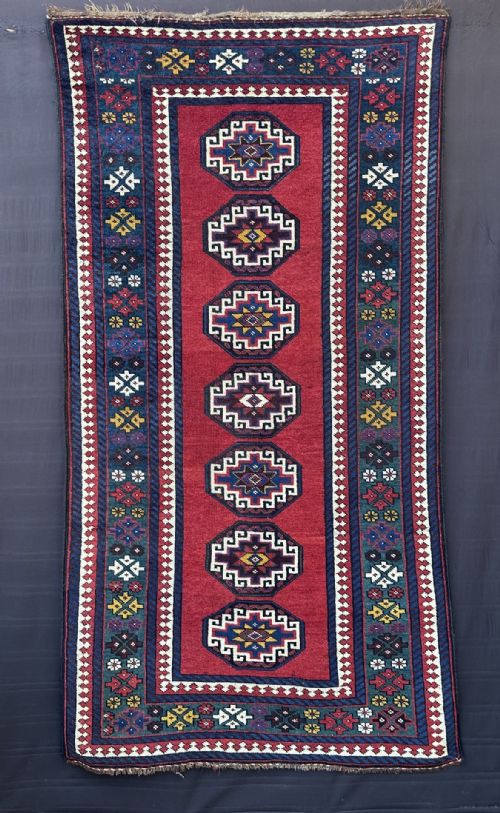
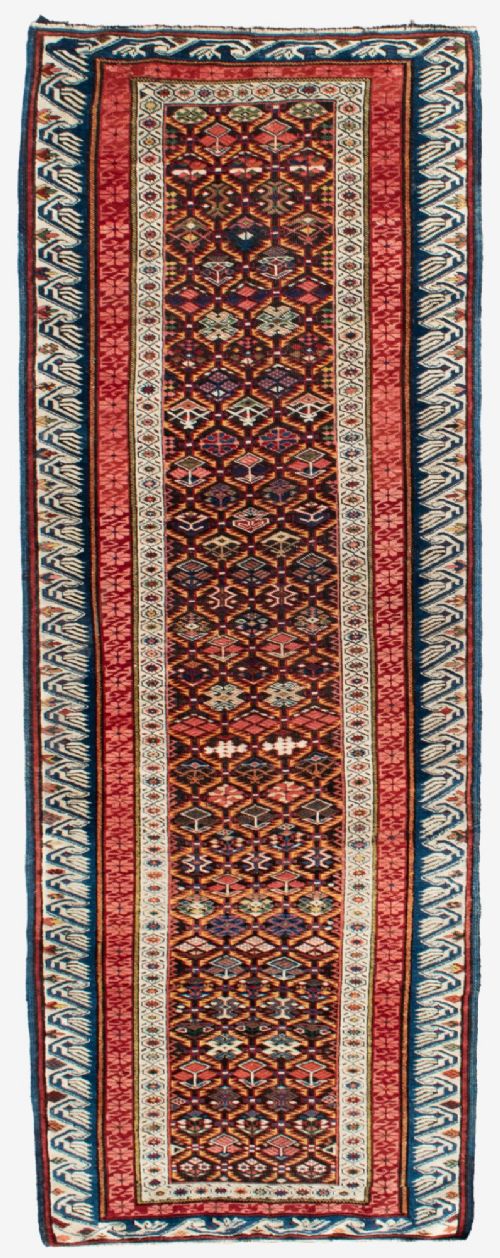
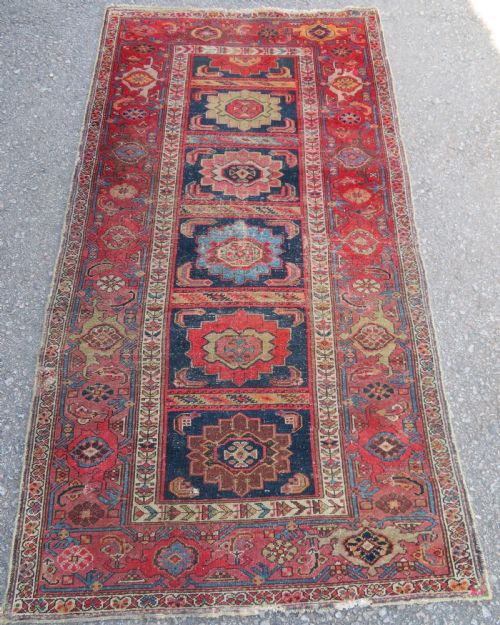
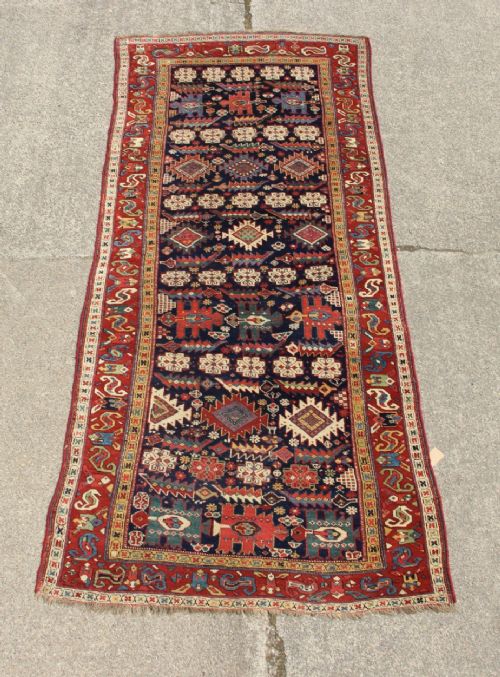


Caucasian Hallway Carpet
A caucasian hallway carpet brings bold geometry and rich regional hues to a passage, offering hardwearing floor coverings rooted in centuries of weaving tradition.
Caucasian Hallway Carpet
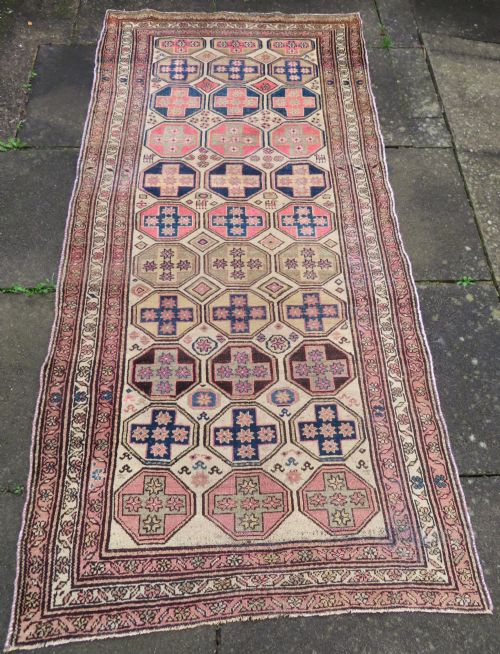
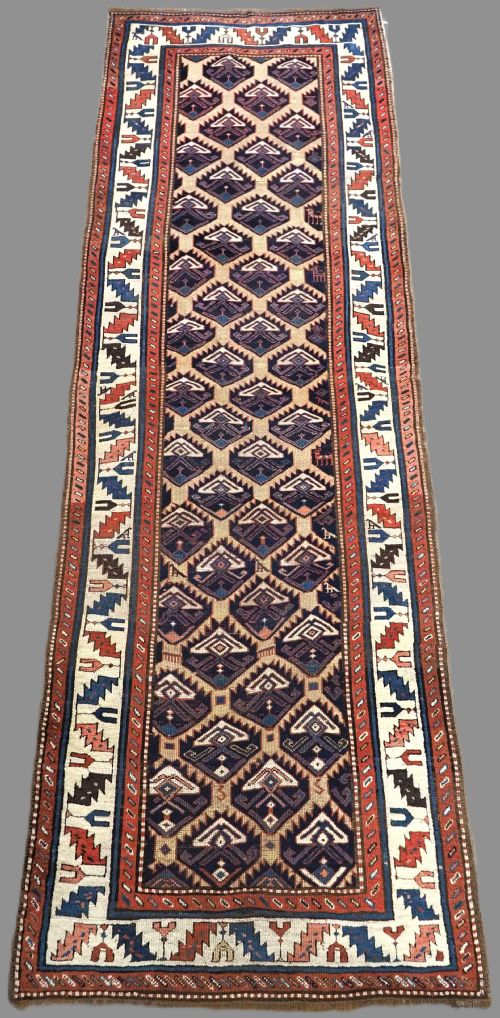
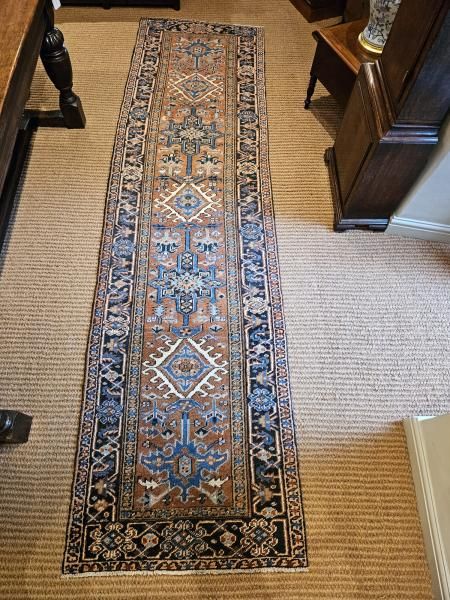
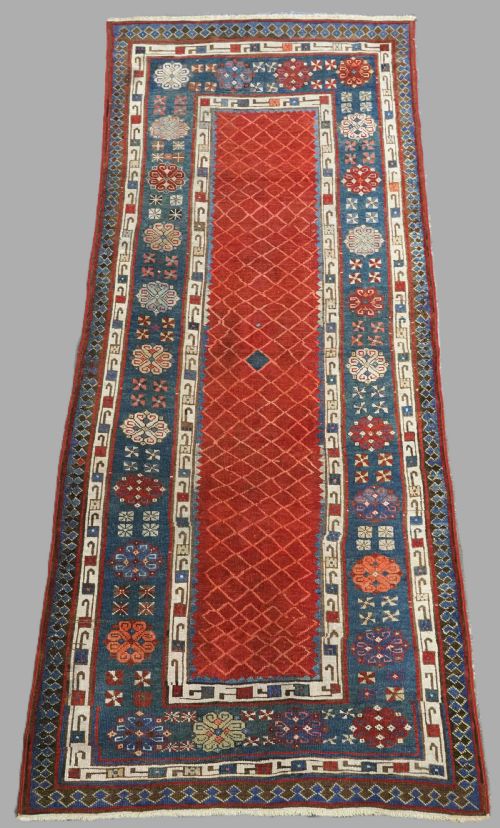
A caucasian hallway carpet encompasses long, narrow formats designed for corridors, passages and galleries. Buyers searching this phrase encounter elongated formats including runner rugs, hallway runners and long rugs.
The selections originate primarily from the Caucasus and north-west Persia, spanning periods from the nineteenth century through the early twentieth century. Common regional styles include Kazak, Gendje, Talish, Shirvan and Kurdish traditions.
Makers utilised characteristic geometric motifs, repeat medallions, lattice patterns and boteh designs. These pieces function practically as durable floor runners while displaying distinct tribal artistry.
Evaluating the standard
Quality rests upon the fineness of the weave, the clarity of the geometric design and the precision of the knotting. Finer examples display tightly packed piles that preserve crisp lines in medallions and lattice work.
The choice and stability of natural dyes influence visual depth and lasting appeal. Intact borders and minimal structural loss distinguish superior survivals from heavily worn fragments.
Several examples embrace delightfully crooked lines, reminding every buyer that human hands made them without rigid machinery.
The Caucasian Hallway Carpet Glossary
- Boteh
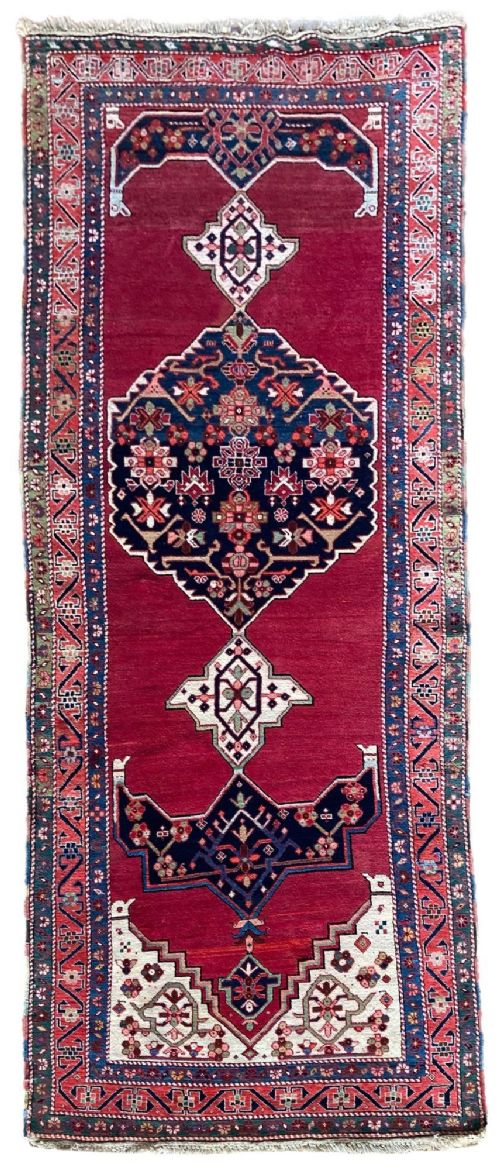
- A stylised almond or pear-shaped motif representing a floral shoot or cypress tree. It appears frequently in traditional regional weaving.
- Talish
- A specific Caucasian weaving style known for elongated formats, open fields and narrow decorative borders. These rugs often feature crisp geometric arrangements.
- Gendje
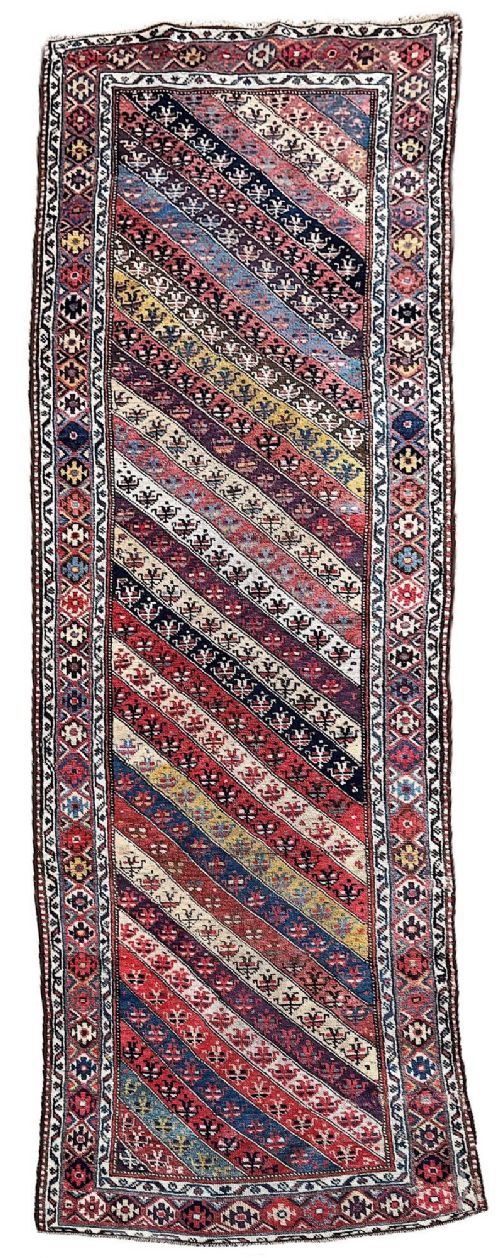
- A type of Caucasian rug characterised by bold diagonal stripes, geometric patterns and colourful small motifs. They originate from the town and region of Ganja.
- Kazak
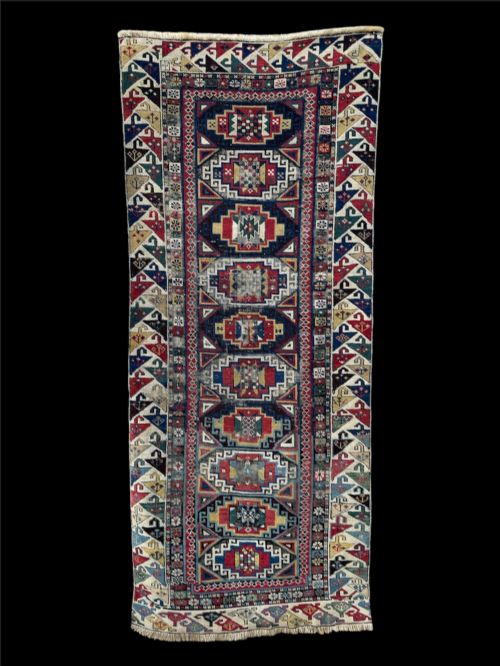
- A bold and colourful style of Caucasian rug featuring large geometric medallions and striking primary colours. Weavers produced these with robust wool piles.
- Runner
- A long and narrow carpet format specifically proportioned for corridors, staircases and hallways. This shape accommodates restricted spatial widths.
Caucasian Hallway Carpet: Frequently Asked Questions
What is a caucasian hallway carpet?
A caucasian hallway carpet is an elongated, hand-knotted textile created in the Caucasus region or nearby tribal areas. These pieces utilise wool and natural dyes to form durable runners tailored for narrow spaces.
They display traditional geometric patterns, repeating medallions and distinct regional motifs passed down through generations of weavers.
How do I place a runner in a hallway?
Measure your corridor carefully to leave an even margin of exposed flooring on all sides of the carpet. Ensure doors can swing freely over the thickness of the wool pile without catching.
Use a suitable underlay beneath the textile to prevent slipping and protect the historic foundation from unnecessary friction against hard floors.
How do I identify a Talish runner?
A Talish runner is distinguished by a notably narrow, elongated proportion and an open central field, often in blue or neutral tones. The field frequently lacks large medallions, focusing instead on stark vertical emphasis.
Intricate guard borders frame the central axis, displaying crisp geometric stars or small hooked motifs typical of Caucasian production.
Are these carpets suitable for heavy daily use?
Traditional hand-knotted wool runners were built for robust domestic utility in high-traffic areas like corridors and entrance halls. The dense pile of hand-spun wool absorbs wear effectively while remaining resilient.
Periodic gentle cleaning and careful placement help preserve the historic fibres and natural dye integrity for daily enjoyment.