
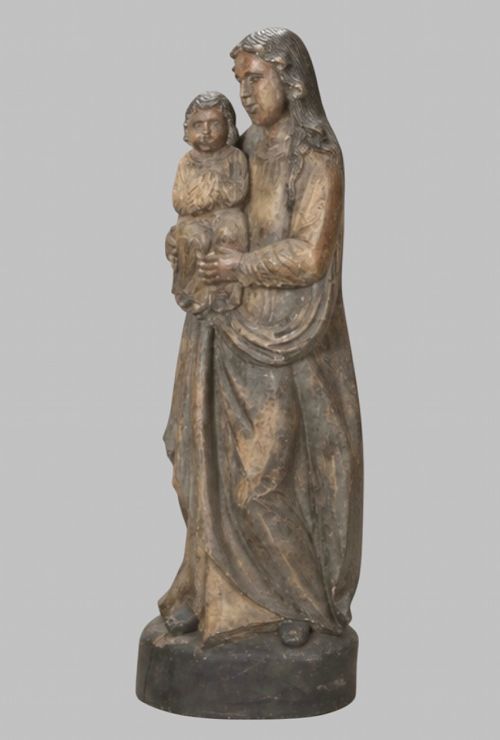
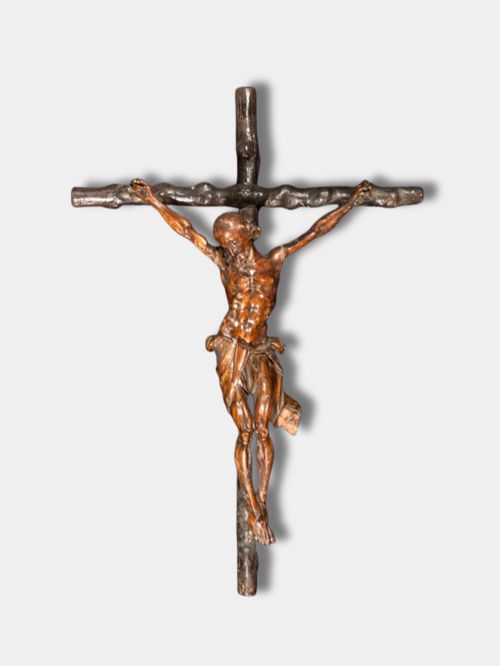


Catholic Wood Carved Figure
A catholic wood carved figure brings centuries of devotion, craftsmanship, and sacred presence straight into a domestic interior.
Catholic Wood Carved Figure
Buyers encounter subjects such as the Madonna and Christ Child, Saint Anthony of Padua, Saint Barbara, Saint Roche, Joseph, and the Christ Child holding the orb. Materials range from plain hardwood and olive wood to complex surfaces finished with polychrome paint, gesso, and gold leaf.
Origins stretch across European traditions including Spanish, Italian, and German workshops. These pieces vary from large architectural figures designed for altars to intimate devotional carvings meant for domestic shrines.
Materials and construction methods
Carvers shaped these figures from solid timber including hardwood and olive wood, utilising traditional hand-cutting tools to establish the primary forms and drapery folds. The underlying wood provided a stable, durable foundation for subsequent decorative treatments.
Many surfaces received a preparation of gesso before painters applied polychrome pigments and gold leaf. This combination of carved wood, paint, and gilding created rich, lifelike textures and illuminated sacred garments.
The listings span multiple centuries, ranging from pre-16th century late medieval pieces up to works created around nineteen hundred.
Distinctions in quality and execution
The preservation of original surface finishes, such as early polychrome paint and gold leaf, distinguishes finer examples. Subtle polychrome detailing and well-preserved gilding elevate the artistic and historical merit of a carving.
Bohumil Kafka
The Catholic Wood Carved Figure Glossary
- Polychrome
- Decorated in multiple colours. This term describes wooden sculptures painted to render garments and flesh tones realistically.
- Gesso
- A plaster-like mixture applied to wood. It served as a smooth base for painting and gilding.
- Corpus Christi
- Latin for body of Christ. It refers specifically to the figure of Christ on a cross.
- Santos
- Traditional wooden religious figures. These devotional sculptures originated in Spanish and Latin American folk art traditions.
- Giltwood
- Wood coated with gold leaf. This luxurious finish highlights significant ecclesiastical figures and altarpieces.
Catholic Wood Carved Figure: Frequently Asked Questions
How do I identify the age of a carved figure?
Age is determined by tool marks, wood shrinkage, style of carving, and the composition of surface layers like gesso and paint.
Earlier pieces from the medieval and seventeenth-century periods often display heavier tool work and distinct regional stylistic traits compared to nineteenth-century Gothic Revival pieces.
Where were these figures originally placed?
These sculptures stood in churches, monastic chapels, roadside shrines, and domestic altars for private prayer.
Smaller figures were housed in homes, while larger statues formed part of significant ecclesiastical altarpieces.
How should I care for a wooden sculpture?
Keep the piece away from direct sunlight, heating vents, and rapid humidity changes to prevent the wood from splitting.
Dust gently with a dry, soft brush and avoid applying liquid cleaners or polishes to historic painted and gilded surfaces.
What is the difference between a corpus christi and a devotional statue?
A corpus christi specifically depicts the crucified Christ mounted on a cross. Devotional statues portray saints, the Virgin Mary, or the Christ Child standing independently.
Both forms served distinct liturgical and meditative functions within Catholic practice.