







Catholic Portrait Painting
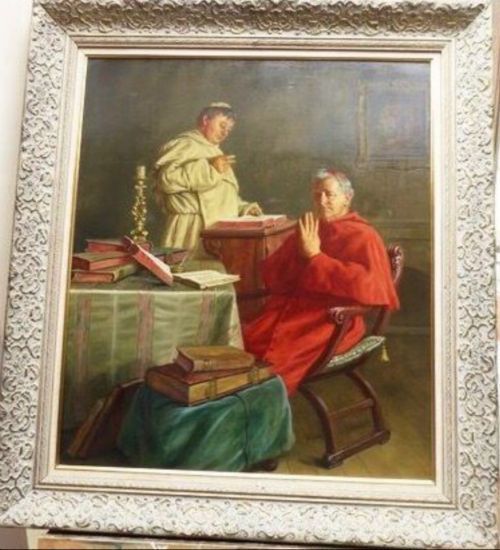
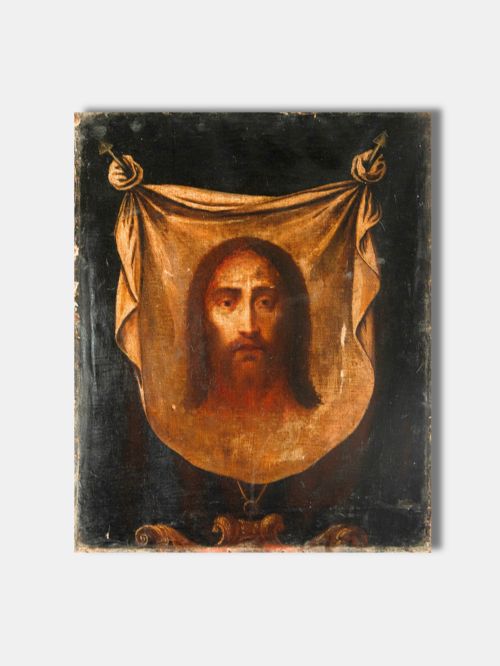
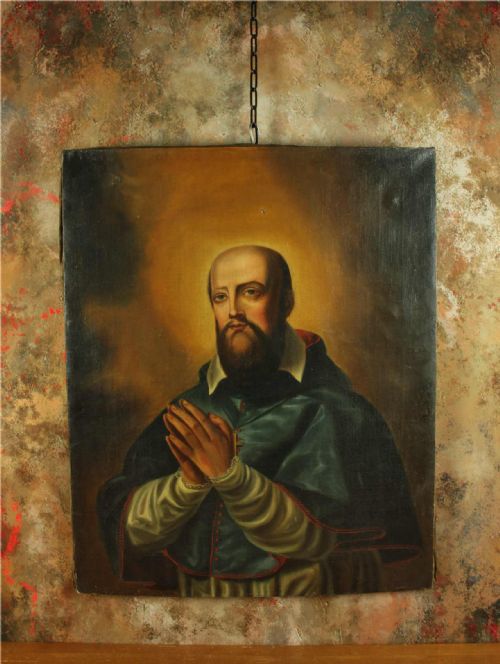
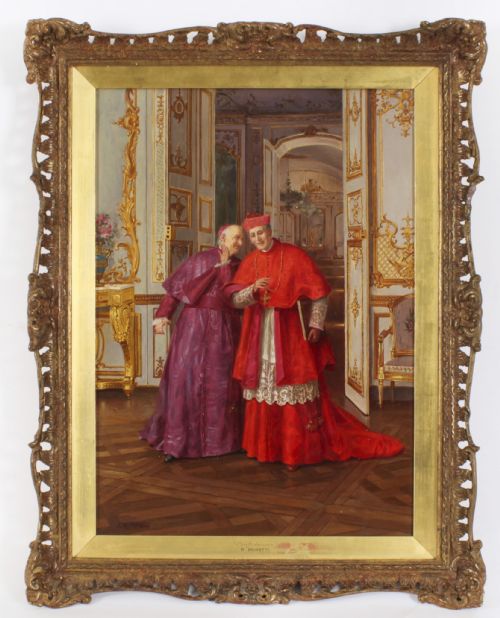
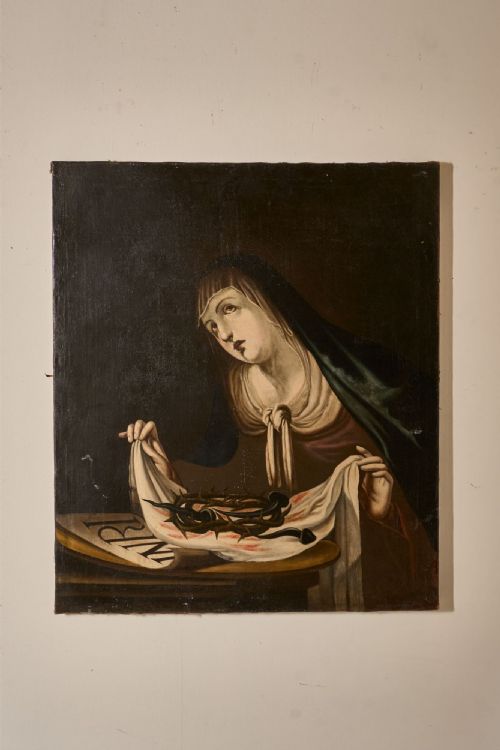
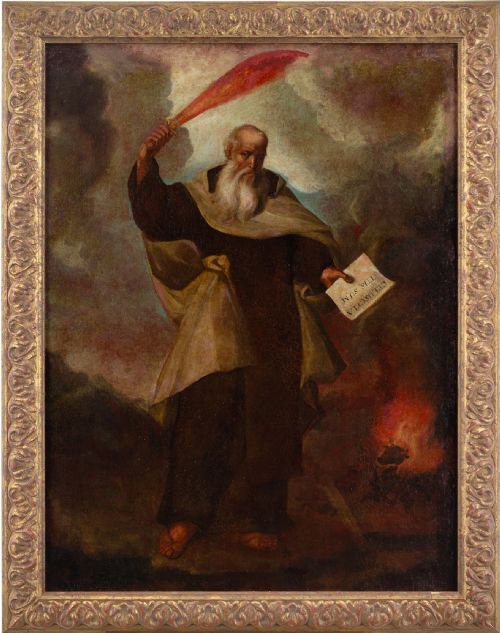
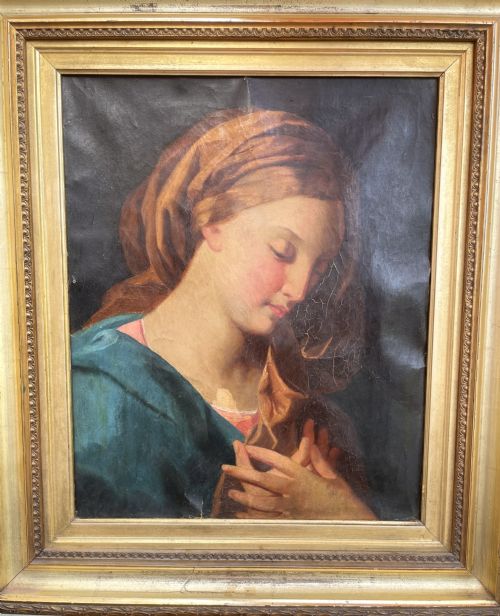
These catholic portrait painting examples capture centuries of devotion through oils on canvas, wood, and gold leaf.
Catholic Portrait Painting
When searching for a catholic portrait painting, you encounter devotional imagery spanning from the sixteenth century into the twentieth. These works depict saints, cardinals, popes, and sacred figures rendered by regional European and colonial schools.
The most common examples on this page are oil paintings on canvas, framed in period materials such as gesso and giltwood. Pieces range from intimate seventeenth-century depictions of Mary to larger Italian and Spanish baroque compositions.
Regional variations appear across Spanish, Italian, and French schools, alongside Spanish Colonial works. Subjects include recognizable saints, holy faces, and ecclesiastical dignitaries rather than secular sitters.
Materials and Technique
These works are executed primarily in oil paint applied to canvas or wood panels. Artists built up depth using traditional ground layers, occasionally incorporating gold leaf to highlight sacred motifs and halos.
Surviving frames frequently utilise gesso over timber bases, finished with hand-applied gilding. The physical structure relies on period stretchers and panels consistent with sixteenth- to nineteenth-century workshop practices.
Listings feature works created across three centuries, employing oil paint on canvas and wood with giltwood frames.
Distinctions in Quality
The integrity of the original canvas support and the preservation of the pigment layer dictate the overall standing of a piece. Finer examples retain their original layering without heavy later interventions, allowing the hand of the school or master to remain clear.
Bernardino Luini·Renato Moretti·Frank Moss Bennett·Costantino Frixione·Gaspar de Figueroa·Pompeo Batoni·Guido Reni·Ernst Stierhof·Alfred L Grace
The Catholic Portrait Painting Glossary
- Oil on Canvas
- Pigments suspended in a drying oil medium applied to a woven fabric support. This surface became the standard medium for European easel painting from the Renaissance onward.
- Gesso
- A traditional paint mixture consisting of a binder mixed with chalk, gypsum, or pigment. It was applied to wood panels or frames to prepare a smooth surface for gilding and painting.
- Old Master
- A term for a European artist of high skill working before the nineteenth century. It also describes a painting produced by such an artist.
- Giltwood
- Wood carved and coated with gold leaf or gold paint. It forms the decorative surface of traditional picture frames accompanying historical portraits.
- Ex-Voto
- A votive offering presented to a saint or divinity in fulfillment of a vow. In painting, these often depict the donor alongside sacred figures in gratitude for a miracle or survival.
Catholic Portrait Painting: Frequently Asked Questions
What periods do these paintings cover?
The inventory spans from the sixteenth century through the nineteenth century and into the early twentieth. Pieces include Renaissance and Baroque examples alongside later academic interpretations.
Dates are attributed based on stylistic evidence, canvas preparation, and framing techniques typical of specific historical decades and regional workshops.
What supports were used for these portraits?
Artists utilised woven canvas and wooden panels as the primary physical foundations for their compositions. Canvas supports became dominant during the Renaissance and remained standard for subsequent centuries.
Wooden panels appear more frequently in earlier or smaller devotional pieces, providing a rigid base for detailed oil application and gilding.
How should I care for an antique oil painting?
Keep the artwork away from direct sunlight, heating vents, and damp environments to protect the canvas and wood from warping or fading. Stable indoor humidity and temperature prevent the oil paint and gesso from cracking.
Dust the surface and frame gently with a soft, dry brush without applying pressure or cleaning solutions to the paint layer.