


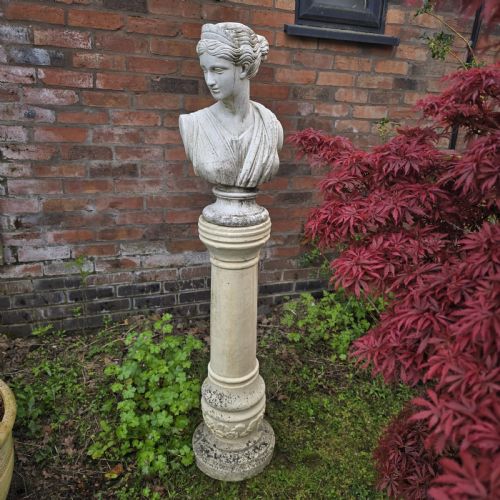


Cast Stone Garden Plinth
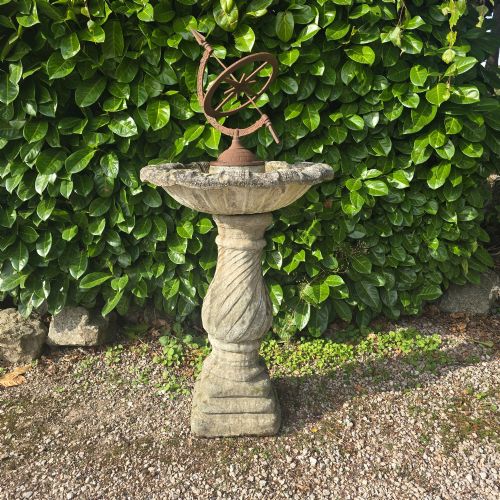
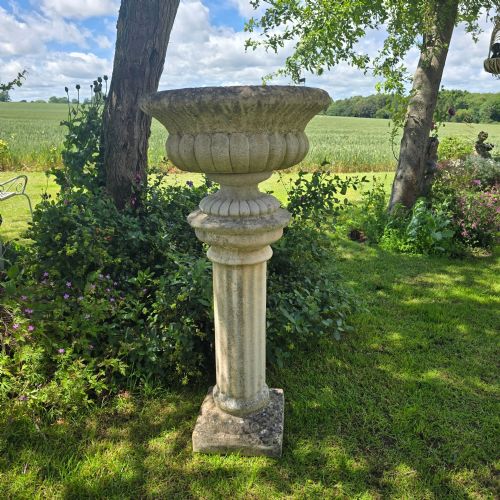
These cast stone garden plinth pieces elevate statuary and urns above garden soil, and you want one to create strong focal height in outdoor borders.
Cast Stone Garden Plinth
A cast stone garden plinth acts as the architectural base for garden statuary, urns, and busts, lifting ornaments into view above planting schemes. When you search for a cast stone garden plinth, you encounter sturdy architectural supports designed to carry heavy sculptural weight in outdoor spaces.
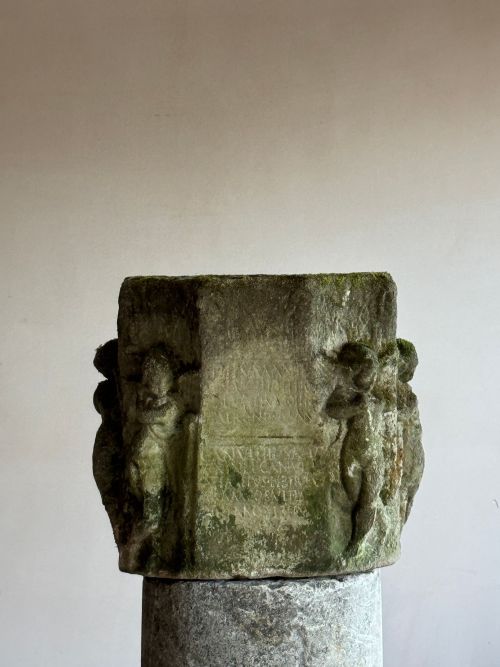
The selections span from nineteenth century French figures and Victorian classical acanthus leaf designs to twentieth century pieces dated through the nineteen twenties, thirties, and fifties. Forms include simple pedestals, roman funerary altars, and corinthian columns that pair with garden urns and statues.
Most examples on this page date to the mid twentieth century alongside nineteenth century works and Edwardian pieces. These sturdy bases accommodate garden ornaments, bringing formal classical presence to terraces and lawns.
Materials and construction
Makers produced these architectural elements primarily using reconstituted stone, cast stone, and concrete, pouring aggregate mixtures into moulds to achieve durable garden ornaments. Some pieces incorporate painted finishes or combine stone structures with cast iron and bronze components.
Artisans also worked with traditional carved stone and plaster, building substantial pedestals capable of supporting heavy garden statues and urns through changing weather. The manufacturing methods prioritised structural weight and outdoor resilience, using robust mineral mixes.
Cast Stone Garden Plinth Retail Price Guide 2026
Typical asking prices for cast stone garden plinth among the pieces listed under this phrase on Sellingantiques today, from the lower quarter to the upper quarter. They describe what is for sale here now, not the wider market.
Materials across the selection include reconstituted stone, cast iron, concrete, and bronze sun dial components.
Variations in quality
Quality rests in the crispness of classical moulding, where sharp acanthus leaf detail and well defined architectural proportions distinguish superior pedestals from softer, worn castings. The density of the aggregate and the uniformity of the surface texture determine how gracefully the material weathers outdoors.
Weight and structural stability separate standard garden supports from masterworks, as heavier, denser mixes provide the necessary foundation for large urns and busts. The integration of classical detailing, such as corinthian capitals or crisp relief work, dictates the visual authority of the piece.
Andrew Handyside
The Cast Stone Garden Plinth Glossary
- Cast stone
- Manufactured stone building material made from aggregate and cement binder, used to replicate natural carved stone architectural details. It provides a durable and uniform medium for garden ornaments.
- Campana urn
- Bell shaped garden vessel often mounted on a pedestal base, originating from classical antiquity. Victorian and later makers frequently paired these urns with matching plinths.
- Corinthian column
- Classical column style characterised by ornate capitals decorated with acanthus leaves. These architectural supports appear as pedestals and columns in garden settings.
- Plinth
- Heavy base or pedestal supporting a statue, urn, or column. It raises garden sculptures above ground level to create architectural focus.
Cast Stone Garden Plinth: Frequently Asked Questions
What supports a heavy garden plinth?
A cast stone garden plinth requires a level, firm foundation such as a stone patio, concrete slab, or compacted gravel to prevent sinking into soil over time. Heavy stone pedestals rely on their own substantial weight for stability once positioned.
Ensuring the ground is completely flat prevents the plinth and any mounted statue or urn from shifting during seasonal freezing and thawing cycles.
How do I clean cast stone?
Cleaning cast stone garden plinths involves using water and a soft bristle brush to remove accumulated dirt, moss, and atmospheric grime without damaging the surface. Avoid harsh chemical cleaners or abrasive pressure washing, which can erode the outer layer of the reconstituted stone.
Allowing natural weathering to persist often enhances the antique character of nineteenth and twentieth century garden pieces.
Can plinths stay outside in winter?
Cast stone and reconstituted stone materials are manufactured for outdoor display and withstand winter weather if drainage is adequate. Water must not pool on top surfaces where freezing could cause cracking within the stone matrix.
Placing small feet or shims beneath the base prevents moisture from wicking up from frozen ground into the plinth structure.
How do I choose the right height?
Selecting the correct height depends on the scale of the garden ornament and its intended viewing distance within the landscape. Taller pedestals and columns elevate busts and urns above surrounding foliage to create strong vertical focal points.
Shorter plinths suit intimate garden corners where statuary interacts more closely with low growing box hedges and flower beds.