
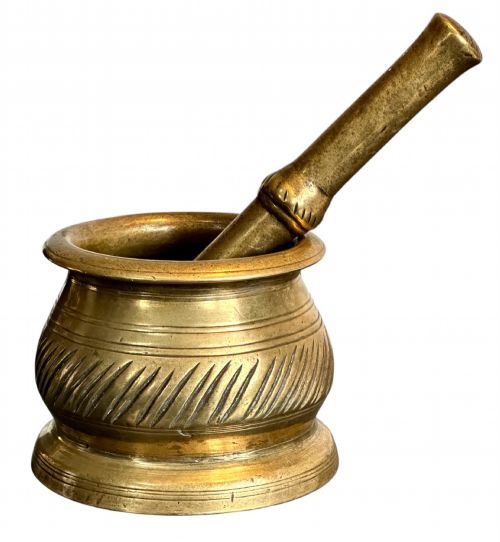
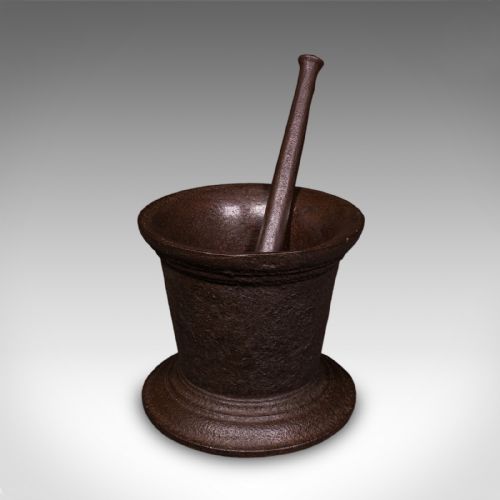


Cast Metal Apothecary Mortar
A cast metal apothecary mortar is a heavy vessel used for grinding and compounding, prized for its tactile weight and utility.
Cast Metal Apothecary Mortar
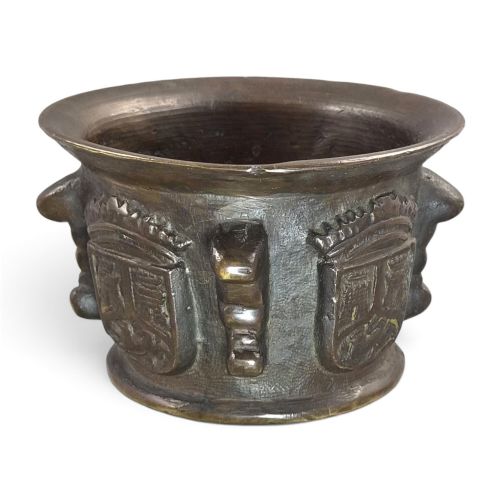
When you search for a cast metal apothecary mortar, you encounter robust vessels designed for pounding medicinal and kitchen ingredients. These objects span periods from the seventeenth century through the Victorian era, encompassing styles such as Spanish Baroque, French Chateau, and Gothic Revival.
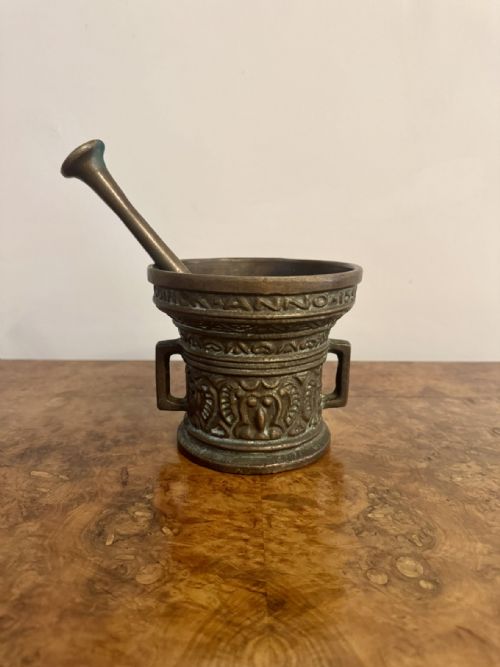
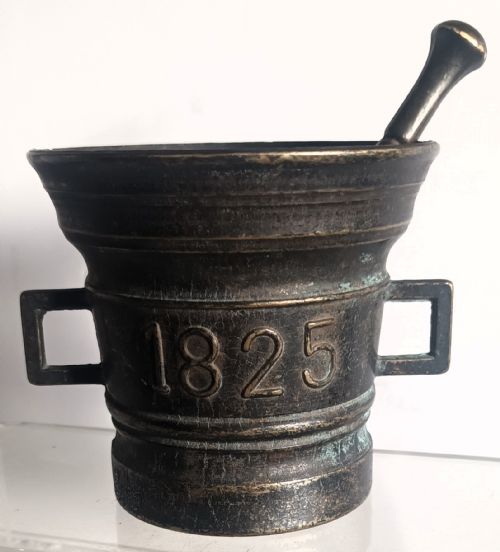
The version you are most likely to meet on this page is an English or continental bronze example accompanied by its pestle, dating from the seventeenth or eighteenth century. Forms range from domestic kitchen implements to large industrial dyemaker vessels.
Moulders cast these pieces in heavy metals, creating thick walls designed to withstand repeated impact from a pestle. Many examples feature decorative ribs, heraldic motifs, or flared rims.
Materials and Casting Techniques
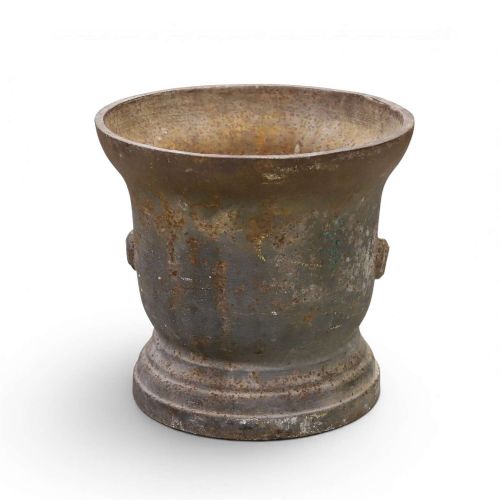
Foundries produced these vessels primarily in bronze, bell metal, brass, and cast iron using traditional sand or loam casting methods. The molten metal filled moulds formed around patterns, yielding thick-walled containers with textured surfaces.
Makers often incorporated copper alloys rich in tin or zinc to achieve resonance and durability in bell metal and bronze compositions. Cast iron variants relied on pig iron melted and poured into moulds for heavier utilitarian service.
Distinctions in Quality
Quality rests in the crispness of the cast detail, the integrity of the metal walls, and the presence of original matching pestles. Pieces featuring sharp heraldic arms, Tudor roses, or well-defined moulded ribs stand apart from plain utilitarian iterations.
The weight and balance of the vessel relative to its size indicate the deliberate skill of the foundry. Surface patination achieved through age distinguishes well-preserved examples from those with excessive wear or modern alterations.
The Cast Metal Apothecary Mortar Glossary
- Mortar and Pestle
- A bowl and club-shaped tool used together for crushing and grinding substances.
- Bell Metal
- A hard alloy containing copper and tin, traditionally used for bells and high-quality mortars.
- Cast Bronze
- An alloy of copper and other metals, principally tin, shaped by pouring into a mould.
- Apothecary
- A practitioner who prepared and sold medicines and drugs to physicians and patients.
- Tudor Rose
- The traditional floral heraldic emblem of England, often found cast in relief on seventeenth-century vessels.
Cast Metal Apothecary Mortar: Frequently Asked Questions
What is a cast metal apothecary mortar?
A cast metal apothecary mortar is a heavy bowl-shaped vessel designed for crushing, grinding, and mixing dry ingredients or medicines with a pestle.
These pieces were utilised in apothecary shops, domestic kitchens, and industrial settings to break down raw materials into fine powders.
How do I date an antique mortar?
Dating relies on examining the metal composition, casting marks, stylistic motifs, and overall form of the vessel. Seventeenth-century examples often display distinctive ribbed patterns and Tudor rose motifs.
Later Victorian and nineteenth-century pieces tend to show different alloy treatments and industrial finishing techniques compared to earlier handcrafted items.
Were these mortars used only for medicine?
While many served apothecaries and chemists for compounding remedies, others functioned in large chateau kitchens for preparing culinary spices.
Heavier industrial examples handled tasks such as dye making, requiring immense weight and durable cast iron construction.
How should I display a mortar at home?
Mortars suit placement on open shelving, sideboards, or kitchen counters where their sculptural form and patinated metal surfaces remain visible.
Keeping the vessel paired with its original pestle enhances the visual presentation as a complete antique object.