



Cast Iron Headboard Footboard
These cast iron headboard footboard pieces combine robust metal frames with decorative brass and ceramic details, offering enduring charm for period bedrooms.
Cast Iron Headboard Footboard
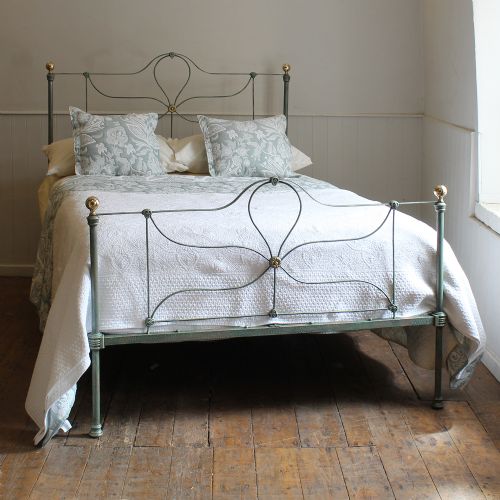
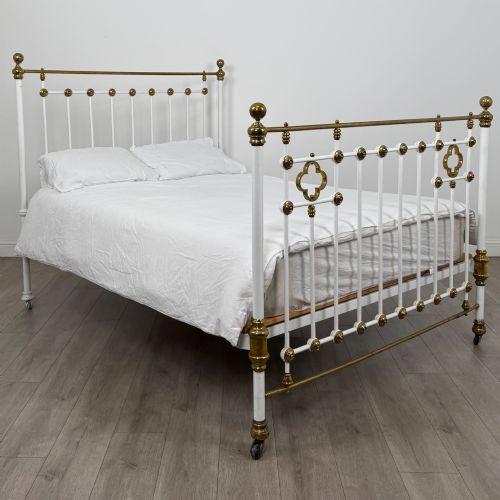
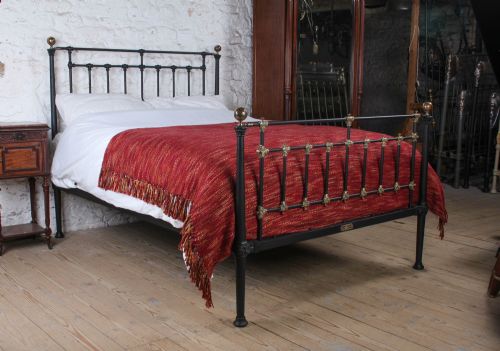
When you search for a cast iron headboard footboard, you encounter robust bed frames designed to anchor a traditional bedroom scheme. The selection encompasses complete double, king and super king size bedsteads rather than isolated ends, representing the robust sleeping furniture of the nineteenth century.
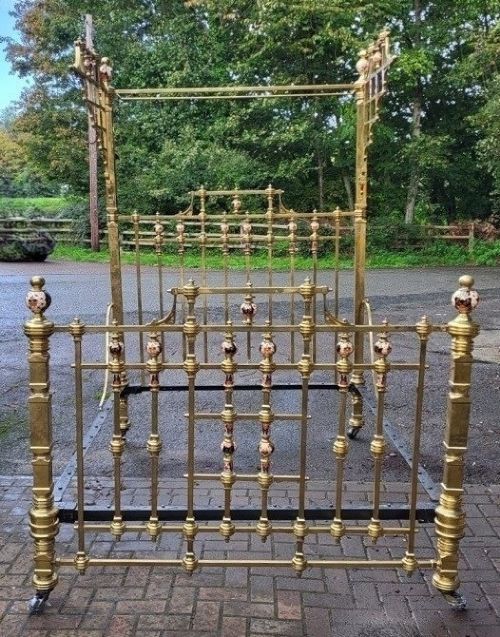
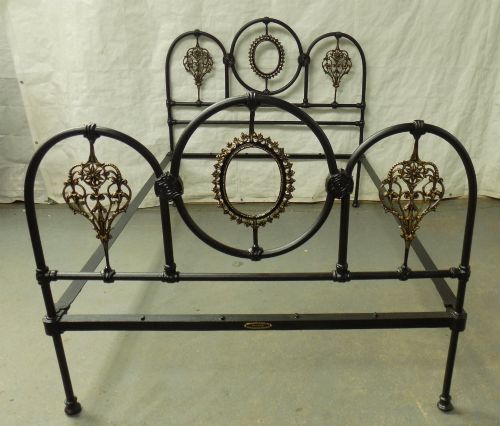
You meet Victorian designs alongside French country and Aesthetic Movement examples, spanning dates from the mid-nineteenth century up to nineteen hundred. These pieces range from ornate curly frames to simple straight rail formats, occasionally incorporating no-end configurations or half tester canopies.
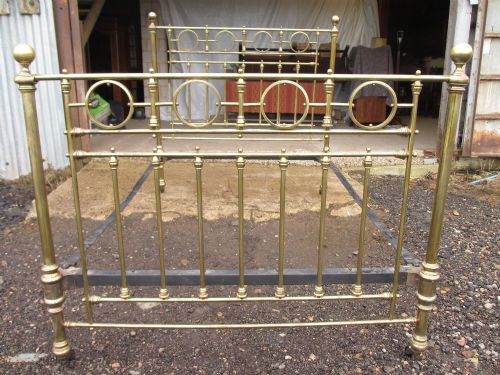
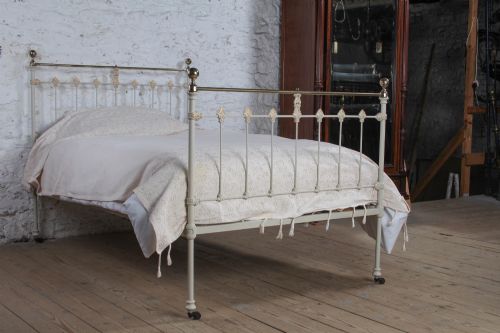
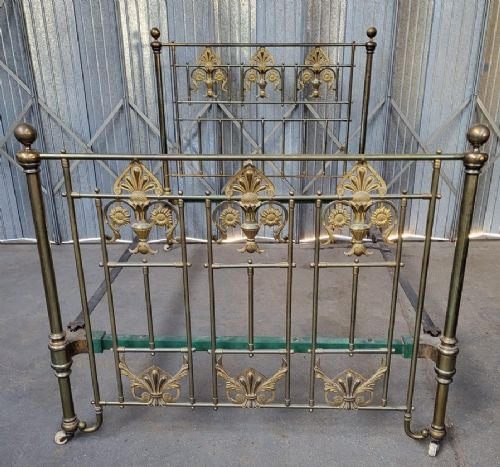
The primary forms documented here utilise durable iron and cast iron structures paired with polished brass fittings. Many examples feature slot-in frames set on castors, combining structural permanence with the mobility required for domestic use.
What varies in quality
The distinction between standard domestic production and exhibition quality work lies in the intricacy of the metal casting and the refinement of the brass detailing. Superior examples display crisper surface ornamentation, more complex directional joints and higher grade brass components.
Construction methods also differentiate the range, with better pieces employing sophisticated slot-in frames and robust castor attachments that maintain structural integrity over generations of use. The harmony between the iron structure and supplementary brass or ceramic embellishments determines the overall visual balance.
Materials recorded across the current inventory include cast iron, wrought iron, brass, ceramic, and painted surfaces featuring green verdigris.
Maple & Co.·R W Winfield·Winfield
The Cast Iron Headboard Footboard Glossary
- Cast iron
- A strong, hard alloy of iron and carbon poured into moulds to create intricate bedstead components. It forms the heavy structural core of many nineteenth-century bed frames.
- Brass
- A yellow alloy of copper and zinc utilised for decorative tubing, finials and mounts on iron bedsteads. It provides a bright contrast against the dark iron framework.
- Half tester bedstead
- A bed featuring a partial canopy projecting from the headboard rather than covering the entire length of the frame. This style creates a pronounced architectural focal point in a bedroom.
- Verdigris
- A green patina formed naturally or applied artificially on copper, brass or iron surfaces through oxidation. It appears on selected antique green finishes.
- Aesthetic Movement
- A late nineteenth-century design style emphasising visual beauty over narrative subject matter. Pieces from this movement often display refined proportions and stylized decorative motifs.
Cast Iron Headboard Footboard: Frequently Asked Questions
How do I choose the right size?
Review the dimensions provided in the individual listings to match standard mattress sizes such as double, king or super king. Consider the footprint of the frame, particularly if the design includes prominent brass finials or tapered posts.
Account for the height of the headboard and footboard within your room's proportions. No-end options offer a more open visual profile for compact spaces.
Are these beds suitable for daily use?
These historical bedsteads are constructed from durable cast iron and iron, making them structurally sound for regular sleeping arrangements. Modern mattress supports can typically be integrated within the antique frames.
Ensure that slot-in joints and castors are checked periodically for stability. The robust materials ensure long-term durability when properly maintained.
How do I date an iron bed?
Dating relies on stylistic markers, construction techniques, and documented maker names found within the listings. Mid-nineteenth-century examples often display different casting complexities compared to later nineteen-hundred productions.
Stylistic shifts, such as the emergence of Aesthetic Movement details around eighteen seventy, provide clear chronological indicators. Material combinations like brass and iron span multiple decades.
Can I mix iron beds with modern decor?
The contrasting textures of dark iron and polished brass bridge traditional and contemporary interior aesthetics. Simple straight rail designs integrate easily into minimalist spaces.
More ornate Victorian or French country frames serve as strong focal points in neutral rooms. The neutral metallic tones complement various wood finishes and wall colours.