



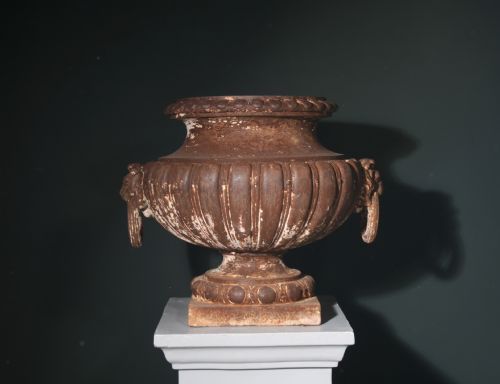
Cast Iron Garden Planters
Cast iron garden planters bring weight and formal architecture to a terrace, and you are looking at substantial vessels built to endure the elements.

What these pieces are
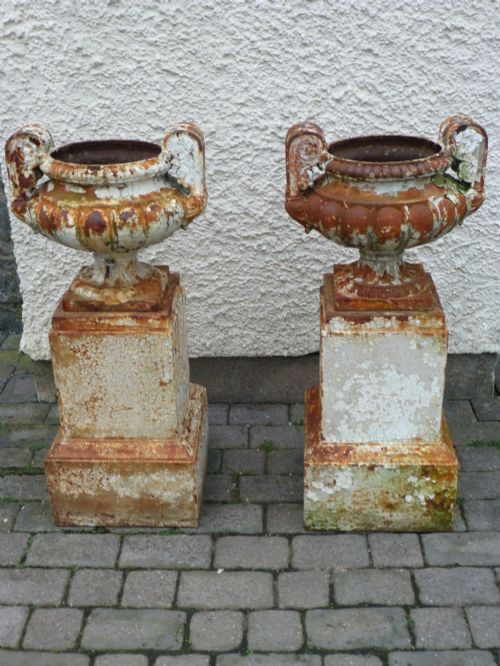
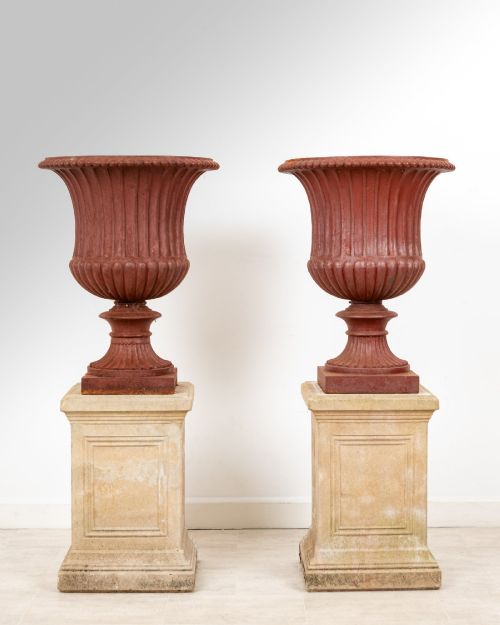
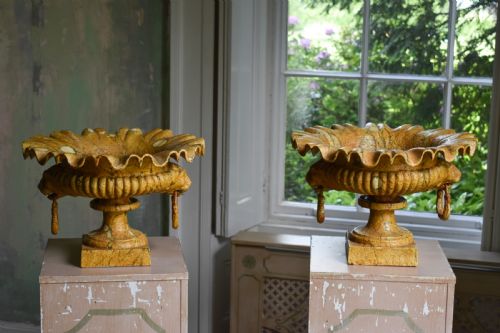
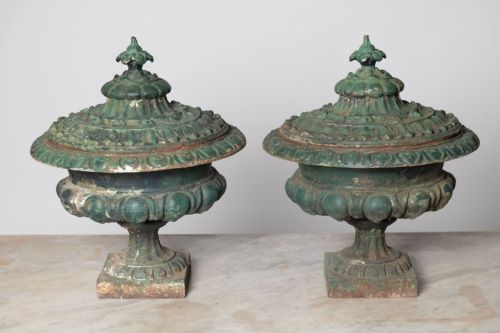
When you search for cast iron garden planters, you encounter robust vessels designed for landscape and terrace display. The pieces recorded here span the 19th century, Victorian period, Regency era, and later dates including 1920 and 1950. They appear frequently in matched pairs, often elevated on stone or cast iron plinths and pedestals to command attention in a garden setting.
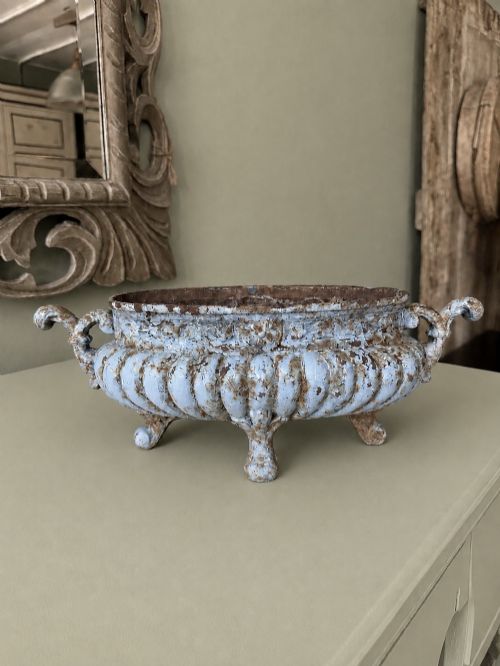
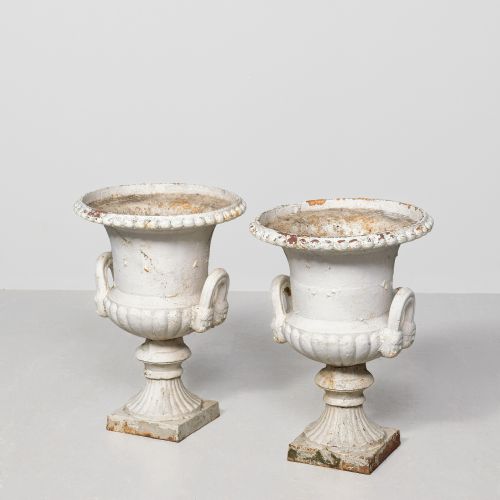
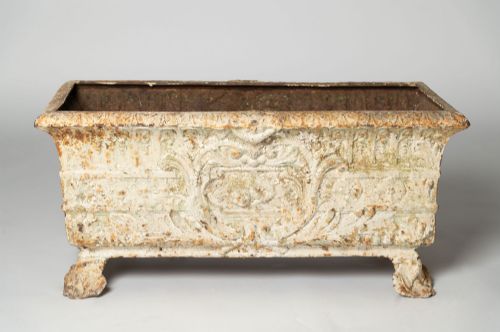
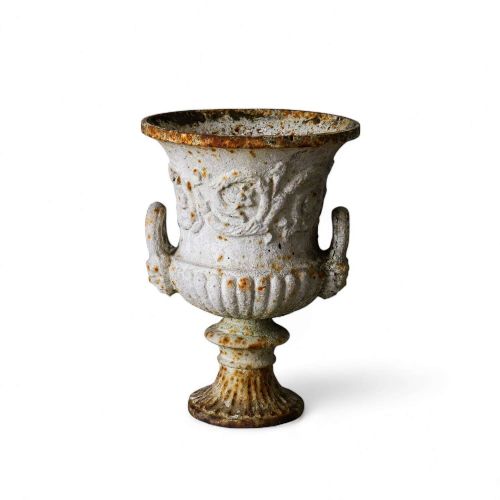
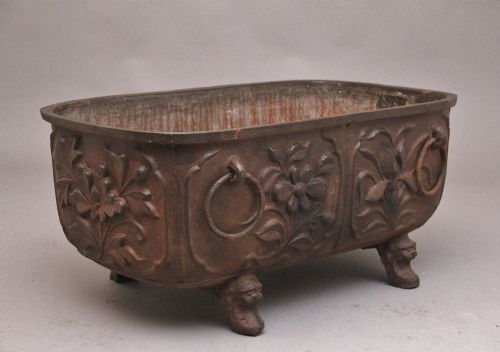
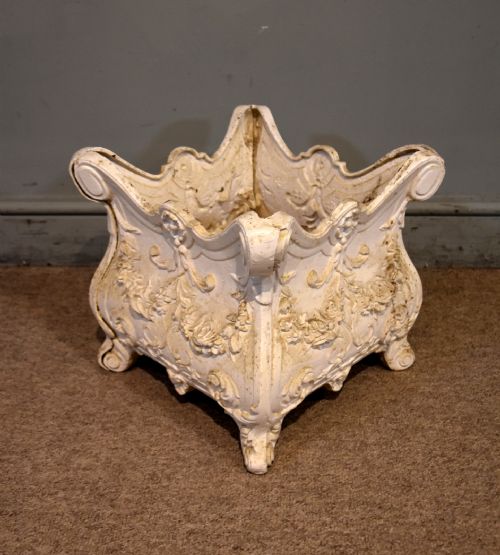
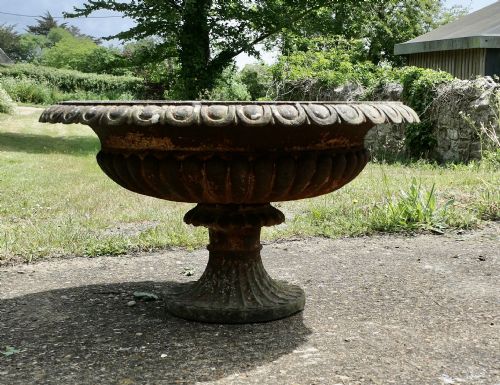
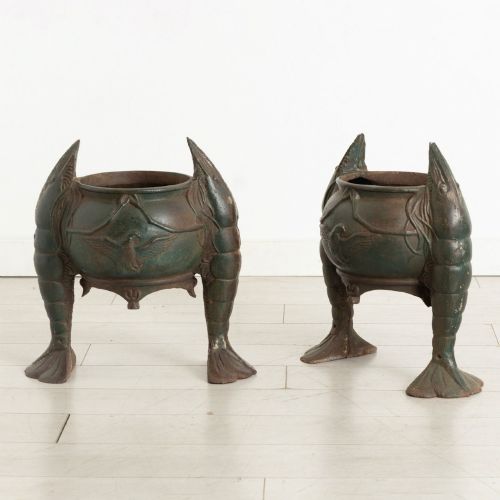
The dominant forms are garden urns, campana shapes, and conical jardiniere bodies. Styles range from classical Neoclassical and Victorian Classical Revival to French 19th-century designs and Art Deco interpretations. You also find specialised decorative details such as lattice patterns and lion paw feet on Edwardian examples.

How they were made
The primary material is cast iron, poured into moulds to create heavy, rigid bodies with crisp architectural detail. Many examples are paired with stone pedestals or plinths that provide a solid foundation for the metal vessels above. Paint finishes are also recorded, applied to protect the iron from weathering or to alter the visual tone of the surface.
Moulding techniques allowed makers to cast repeating classical motifs, fluting, and handles directly into the body of the urn. The sheer weight of the material dictated a static construction, relying on mass and gravity rather than structural joinery to remain stable outdoors.
Retail Price Guide 2026
Typical UK retail prices for cast iron garden planters, calculated from the Sellingantiques database of over a million retail prices indexed since 2003. This retail price guide relies exclusively on Sellingantiques data; no external sources or auction records are used, so the figures do not describe the wider market.
Recorded styles include Victorian, Neoclassical, and French 19th-century designs.
What varies in quality
Quality in these vessels rests upon the crispness of the casting and the proportions of the classical form. Finer pieces display sharply rendered foliage, clean fluting, and balanced handles that integrate seamlessly with the body. Lesser examples may exhibit blurred surface details or clumsy proportions that lack the architectural conviction of the best 19th-century work.
The scale and ambition of the design also separate the ordinary from the exceptional. Very large urns and those featuring complex structural elements like lion paw feet or matched stone pedestals represent a more substantial investment of foundry skill. The integration between the planter and its plinth determines the overall visual success of the pair.
The Cast Iron Garden Planters Glossary
- Campana urn
- A bell-shaped garden vessel with a flared rim and a narrow base, popular in classical and 19th-century landscape design. This profile forms the basis for many traditional garden planters.
- Plinth
- A heavy rectangular or square block supporting a statue, urn, or planter. These bases raise the vessel off the ground to improve drainage and visual presence.
- Jardiniere
- An ornamental pot or stand designed to hold growing plants or flowers. In ironwork, it often describes a deep, straight-sided or conical planter body.
- Neoclassical
- A style reviving the architectural and decorative forms of ancient Greece and Rome. It accounts for much of the formal ornament seen on Victorian cast iron urns.
Frequently Asked Questions
How do I clean cast iron planters?
Brush away loose dirt and debris using a soft bristle brush. Avoid harsh chemical cleaners that might strip protective painted finishes.
Inspect the surface periodically for signs of oxidation. A fresh coat of exterior paint helps preserve the metal.
Can these planters stay outside in winter?
Cast iron handles frost well, but trapped water expanding inside the bowl can crack the material. Ensure proper drainage holes remain clear before winter arrives.
Elevating the base slightly off the ground prevents moisture from drawing up into the bottom of the vessel.
How do I date a cast iron urn?
Examine the style of the casting, noting whether it follows Regency, Victorian, or Art Deco design conventions. Heavier, crisper surface ornament often points to 19th-century production.
Check for construction seams and the type of finish applied to the metal. Archival records and historical markers on similar pieces help narrow down the decade.
Are these urns heavy to move?
Cast iron is extremely dense, making these vessels very heavy. Moving them usually requires multiple people or lifting equipment.
Position them carefully in their permanent garden location to avoid repeated shifting across delicate lawns or paving.