

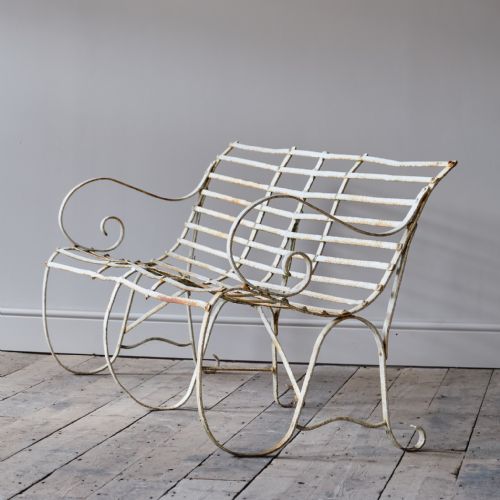
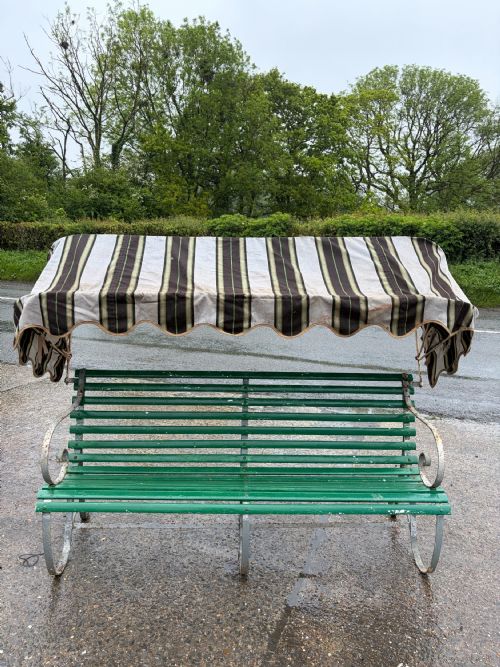
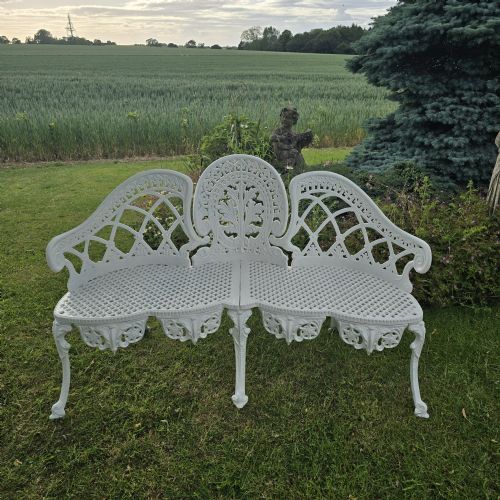
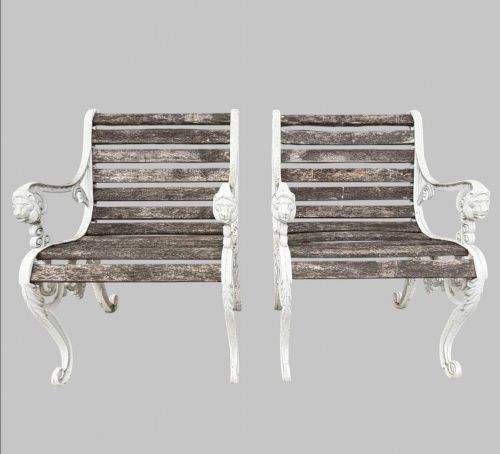
Cast Iron Garden Bench
When you search for a cast iron garden bench, you are looking at heavy nineteenth-century metalwork designed to outlast the weather.
Cast Iron Garden Bench
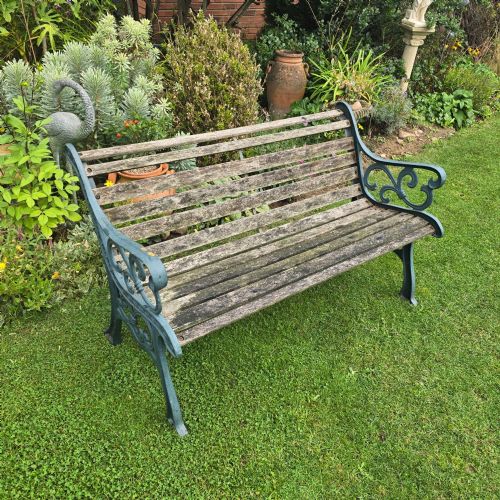
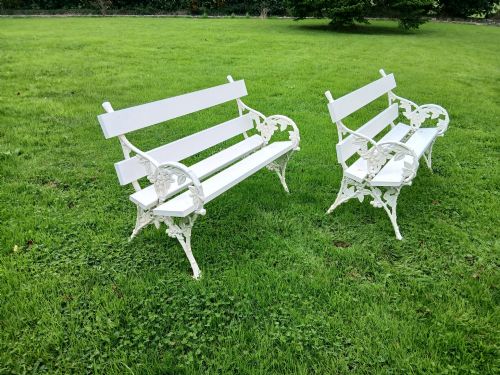
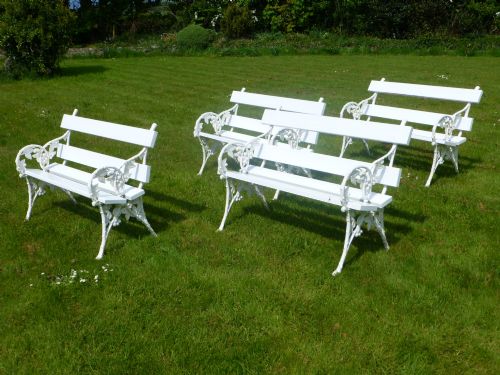
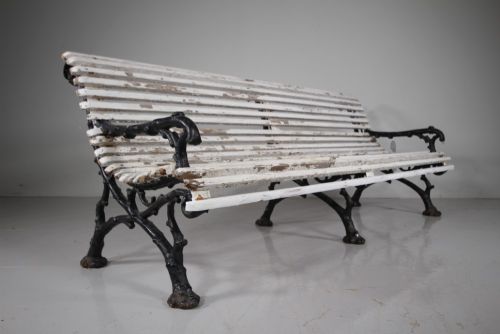
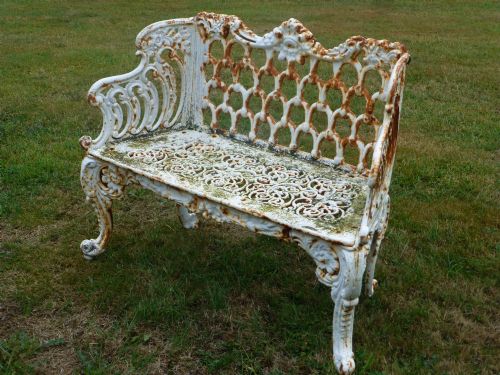
A cast iron garden bench brings enduring weight and botanical motifs to lawns, terraces, and conservatories, drawing on nineteenth-century British and French design. You will most frequently encounter Victorian examples featuring openwork patterns of blackberry, fern, or rustic branches.
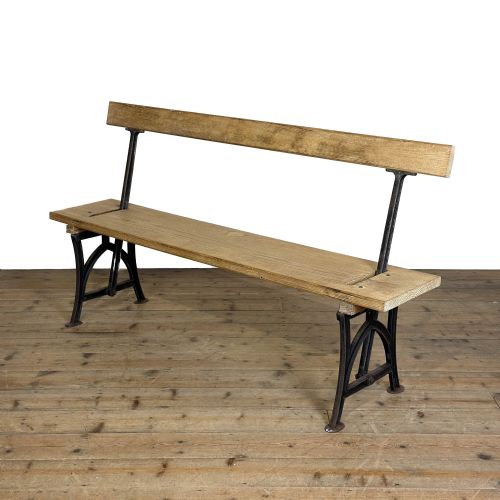
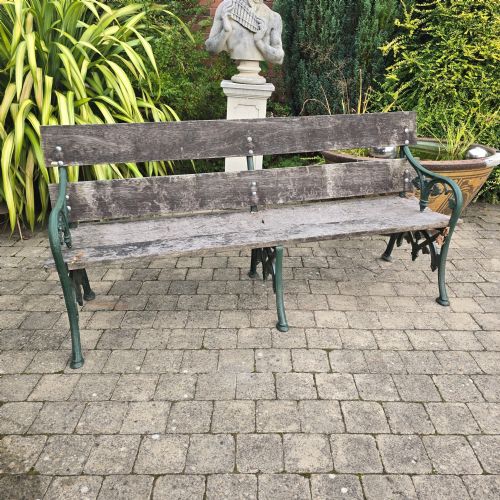
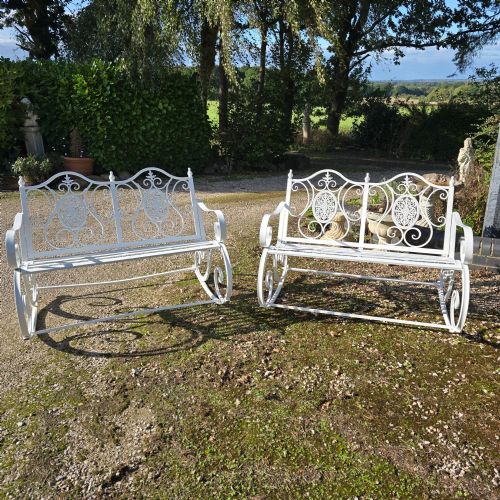
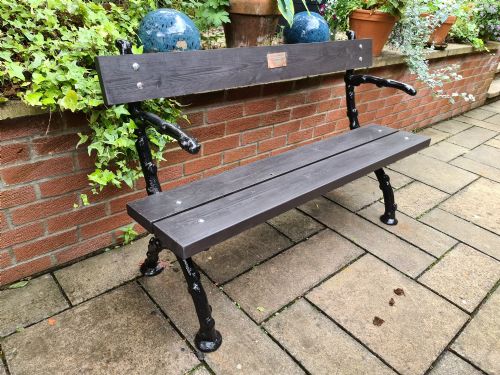
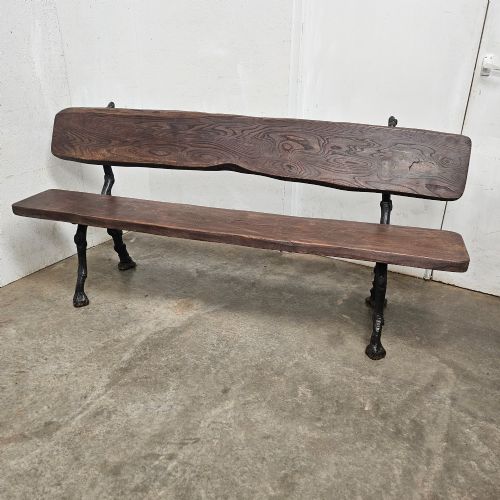
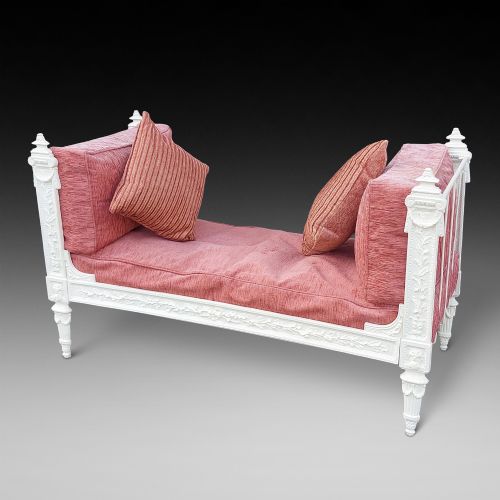
Makers integrated structural cast iron ends with slatted timber seats in oak, teak, or elm, while others utilised entirely cast iron construction for armchairs, daybeds, and settees. These functional objects served country estates, railway stations, and suburban gardens alike.
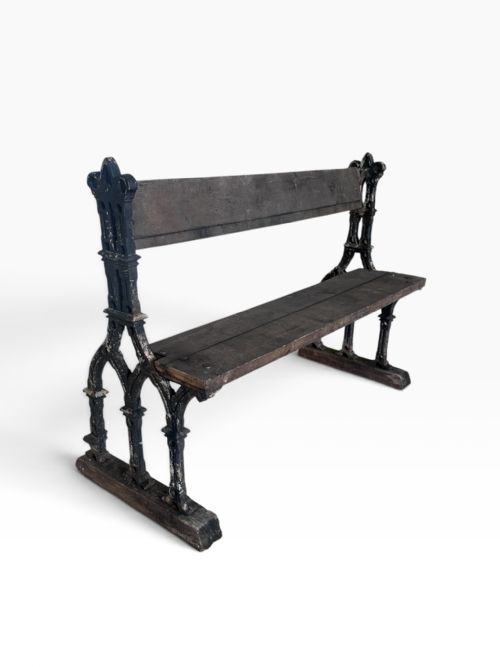
The inventory ranges from sturdy commercial railway benches to highly decorative Gothic and rustic designs produced by celebrated foundries. Whether configured as a standard two-seater or a long park seat, each piece reflects the industrial confidence of the era.
How They Were Made
Foundries poured molten iron into sand moulds to create intricate panels, bench ends, and structural supports featuring ferns, leaves, and animal motifs. These heavy metal components were then bolted together to timber slats of oak, teak, or elm.
Manufacturers finished the metal with protective paint, often layered over time, to withstand outdoor exposure while highlighting the crisp relief of the casting. Wrought iron strap work and fabric elements occasionally complemented the primary cast iron framework.
Cast Iron Garden Bench Retail Price Guide 2026
Typical asking prices for cast iron garden bench among the pieces listed under this phrase on Sellingantiques today, from the lower quarter to the upper quarter. They describe what is for sale here now, not the wider market.
Listings feature nineteenth century periods alongside wood, paint, and cast iron materials in various garden bench configurations.
What Varies in Quality
The distinction lies in the sharpness of the casting and the ambition of the design, moving from plain utility forms to heavily detailed naturalistic or Gothic patterns. Crisp relief work on blackberry leaves and animal masks indicates superior foundry skill.
Completeness dictates desirability, with matching sets and original timber slats commanding greater regard than replacement components or mismatched parts. The presence of identifiable foundry marks elevates the standing of a piece considerably.
Falkirk Carron Foundry·Coalbrookdale·Val D'osne·John Finch·Phoenix Foundry
The Cast Iron Garden Bench Glossary
- Cast Iron
- An iron-carbon alloy poured into moulds while molten to form rigid, ornate shapes. It provides the heavy structural framework for these outdoor seats.
- Faux Bois
- A decorative technique mimicking natural wood or branches in metal or concrete. This style appears frequently on nineteenth-century rustic garden seats.
- Bench Ends
- The heavy cast iron side panels that support the seat and backrest. They carry the primary decorative motifs of the design.
- Strap Work
- Flat strips of iron riveted or patterned across a frame for reinforcement and decoration. It provides a geometric contrast to floral castings.
- Orangery
- A protected glass structure used for growing exotic plants. Garden furniture often sat inside these light-filled spaces during colder months.
Cast Iron Garden Bench: Frequently Asked Questions
Can I leave my cast iron garden bench outside all year?
These pieces were built for permanent outdoor placement and handle exposure to the elements quite naturally.
However, maintaining a protective coat of paint prevents moisture from causing rust over decades of changing weather.
How do I identify a Coalbrookdale bench?
Look for crisp naturalistic casting, such as ferns or blackberry patterns, combined with robust proportions and occasional registry marks.
Many pieces also feature specific foundry numbers or stylistic markers associated with their nineteenth-century pattern books.
Are the wooden slats original?
Original timber slats from the nineteenth century are uncommon because wood naturally decays outdoors over long periods.
Many surviving pieces have been fitted with replacement oak or teak timbers that match the historical gauge of the seat.
How heavy is a typical nineteenth century garden bench?
The substantial weight comes from the dense iron frame, which often requires multiple people to lift safely.
This heaviness served a practical purpose, keeping the furniture stable on lawns and preventing movement in high winds.