


Cast Iron Finials
Cast iron finials are heavy metal ornaments found capping architectural elements, hitching posts, and beds.
Cast Iron Finials
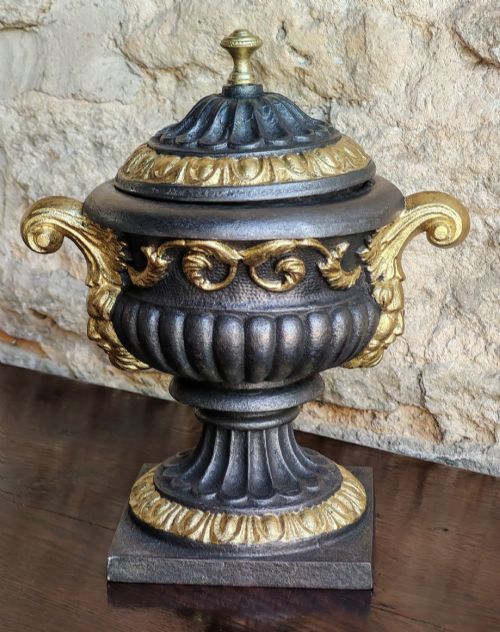
Cast iron finials are solid metal terminal ornaments used to cap architectural structures, furniture pieces, and gate posts. When you search for cast iron finials, you encounter pieces designed to provide structural termination and decorative punctuation to ironwork. The pieces listed originate across the nineteenth and twentieth centuries, spanning periods from the Victorian era to the nineteen-twenties.
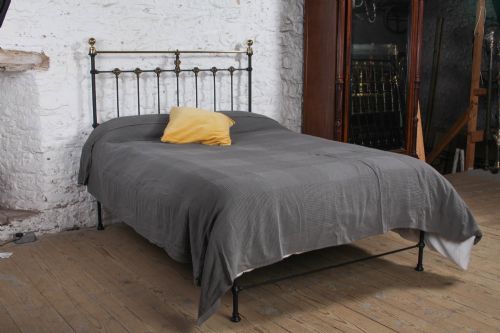
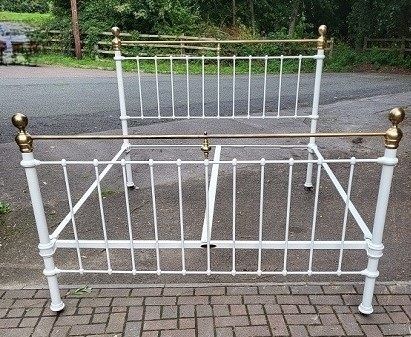
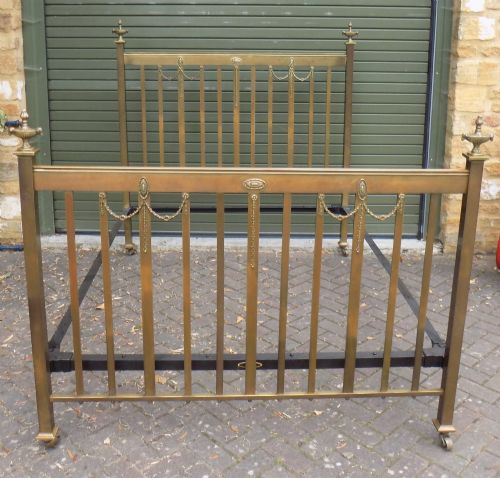
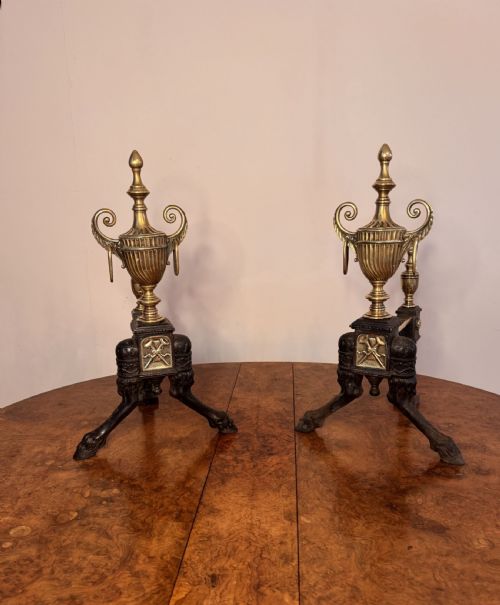
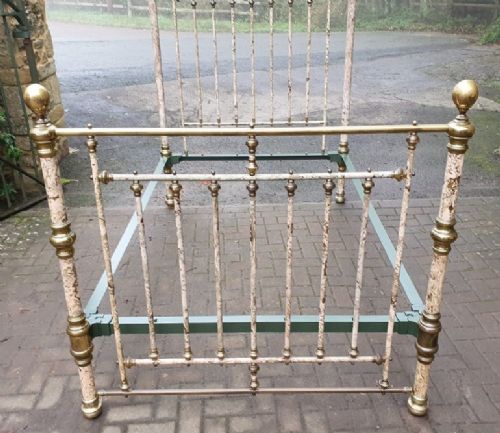
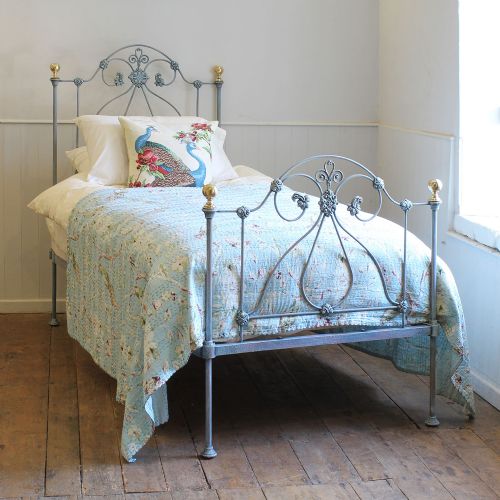
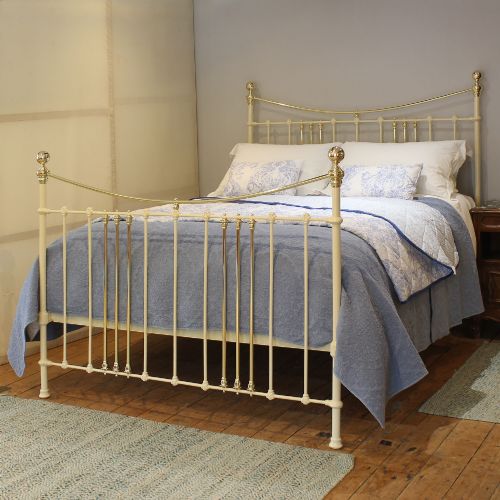
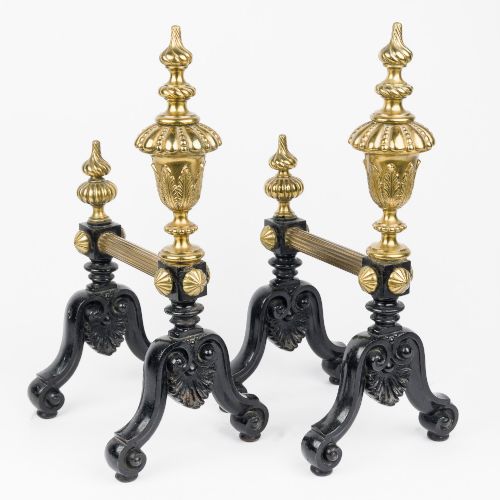
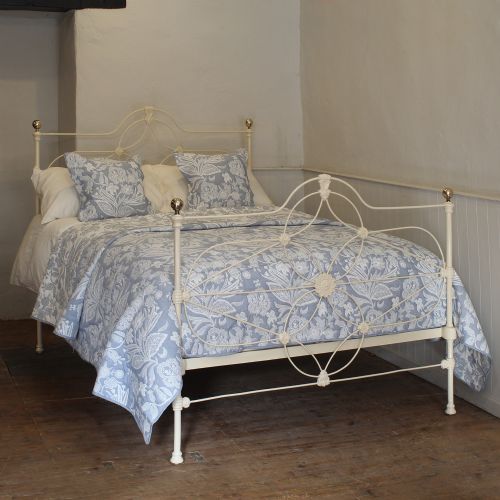
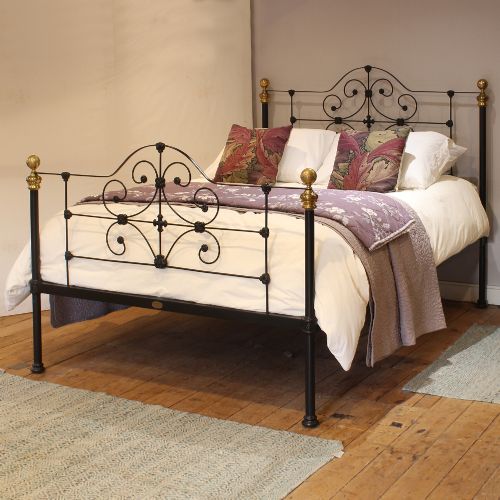
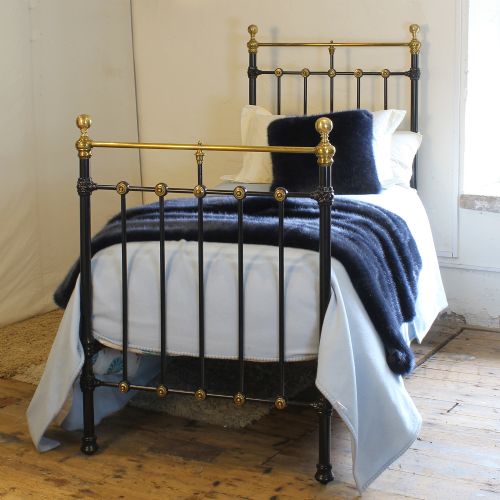
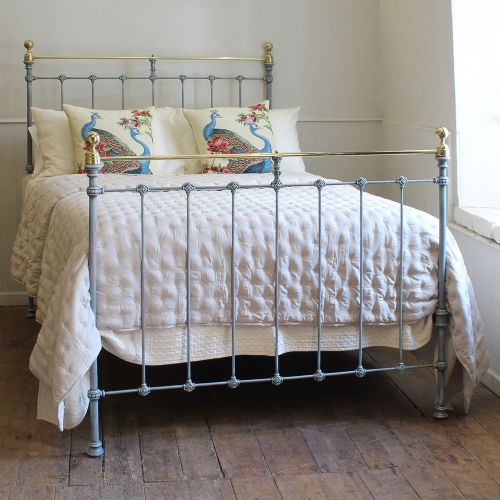
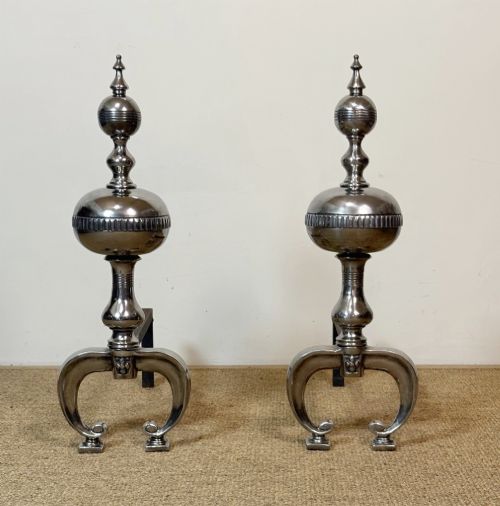
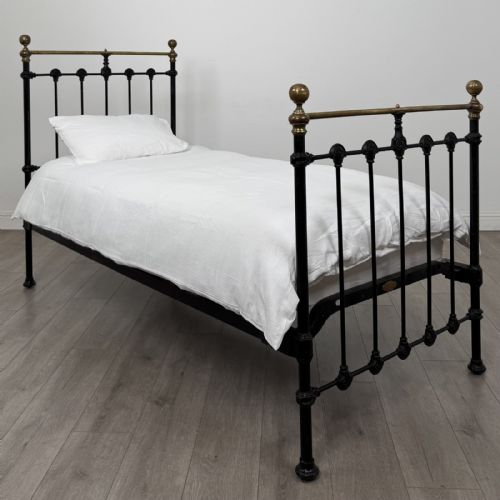
The selections on this page appear primarily attached to larger iron objects such as beds, fire dogs, and hitching posts. A buyer finds these decorative elements integrated into bed frames or functioning as standalone architectural salvage components. The forms reflect stylistic influences ranging from Victorian Gothic Revival and Neoclassical to Georgian and Regency designs.
Materials and construction methods
Cast iron production involves pouring molten metal into sand or loam moulds to create durable, rigid components with precise surface detail. Makers frequently paired this cast iron work with brass elements, wrought iron, and polished steel. Finished items often received protective surface treatments including paint, black finishes, or verdigris.
The fabrication techniques yield robust structural elements capable of supporting intricate ornamentation such as ball tops, horse heads, and floral motifs. Foundry work from the nineteenth and twentieth centuries relies on skilled pattern-making to achieve crisp relief on structural ironwork and smaller decorative terminals.
Cast Iron Finials Retail Price Guide 2026
Typical asking prices for cast iron finials among the pieces listed under this phrase on Sellingantiques today, from the lower quarter to the upper quarter. They describe what is for sale here now, not the wider market.
Listings incorporate items from the Victorian, Edwardian, and Regency periods, utilising cast iron, brass, steel, and painted finishes.
Evaluating the standard of execution
Quality in these metal components resides in the crispness of the casting and the integrity of the original surface. Finer examples display sharp, well-defined details without the blurring common in worn or secondary mouldings. The weight and density of the metal also indicate the solidity of the piece.
The relationship between the iron component and any paired brass or steel elements determines the visual balance of the object. Original surface treatments, whether japanned finishes or painted coats, hold greater merit than later repainting that obscures the definition of the underlying cast metal.
Maple & Co.·R W Winfield·Winfield
The Cast Iron Finials Glossary
- Finial
- A decorative terminal ornament that tops a post, spire, or furniture piece. These elements provide a formal conclusion to vertical architectural lines.
- Cast iron
- An iron-carbon alloy poured into a mould while molten. This material allows for mass production of detailed architectural and domestic items.
- Verdigris
- A green patina formed naturally on copper, brass, or bronze surfaces through atmospheric oxidation. It offers a distinct chromatic variation on older metalwork.
- Japanning
- A type of durable European varnish finish resembling East Asian lacquer. This treatment yields a glossy black surface on iron furniture.
- Andiron
- A horizontal metal support used in pairs inside an open fireplace to hold logs. These fire dogs often incorporate decorative finials and brass mounts.
Cast Iron Finials: Frequently Asked Questions
What periods do these pieces represent?
The inventory spans the nineteenth and early twentieth centuries, with significant representation from the Victorian and Edwardian eras. Pieces reflect design movements including Neoclassical, Gothic Revival, and Regency styles.
Dates range from the eighteen-fifties through the nineteen-twenties, incorporating both domestic furniture and architectural salvage.
How were cast iron finials used historically?
These decorative terminals capped vertical posts on beds, architectural structures, and outdoor hitching posts. They combined structural utility with ornamentation.
Similar metal elements also appeared on fireplace accessories, shop display stands, and structural ironwork.
What materials accompany the cast iron?
Listings frequently combine cast iron with brass, wrought iron, and polished steel. These mixed-metal constructions are typical of nineteenth-century manufacturing.
Surface treatments include original paint, japanned finishes, and verdigris patination.