


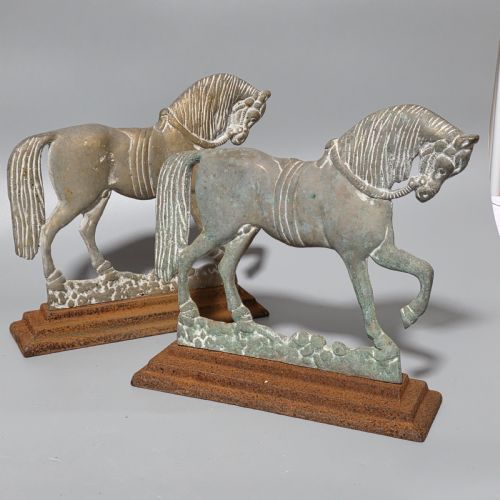


Cast Iron Door Porter
A cast iron door porter is a heavy metal weight designed to hold heavy interior doors open against drafts, combining utilitarian heft with striking nineteenth-century figurative design.
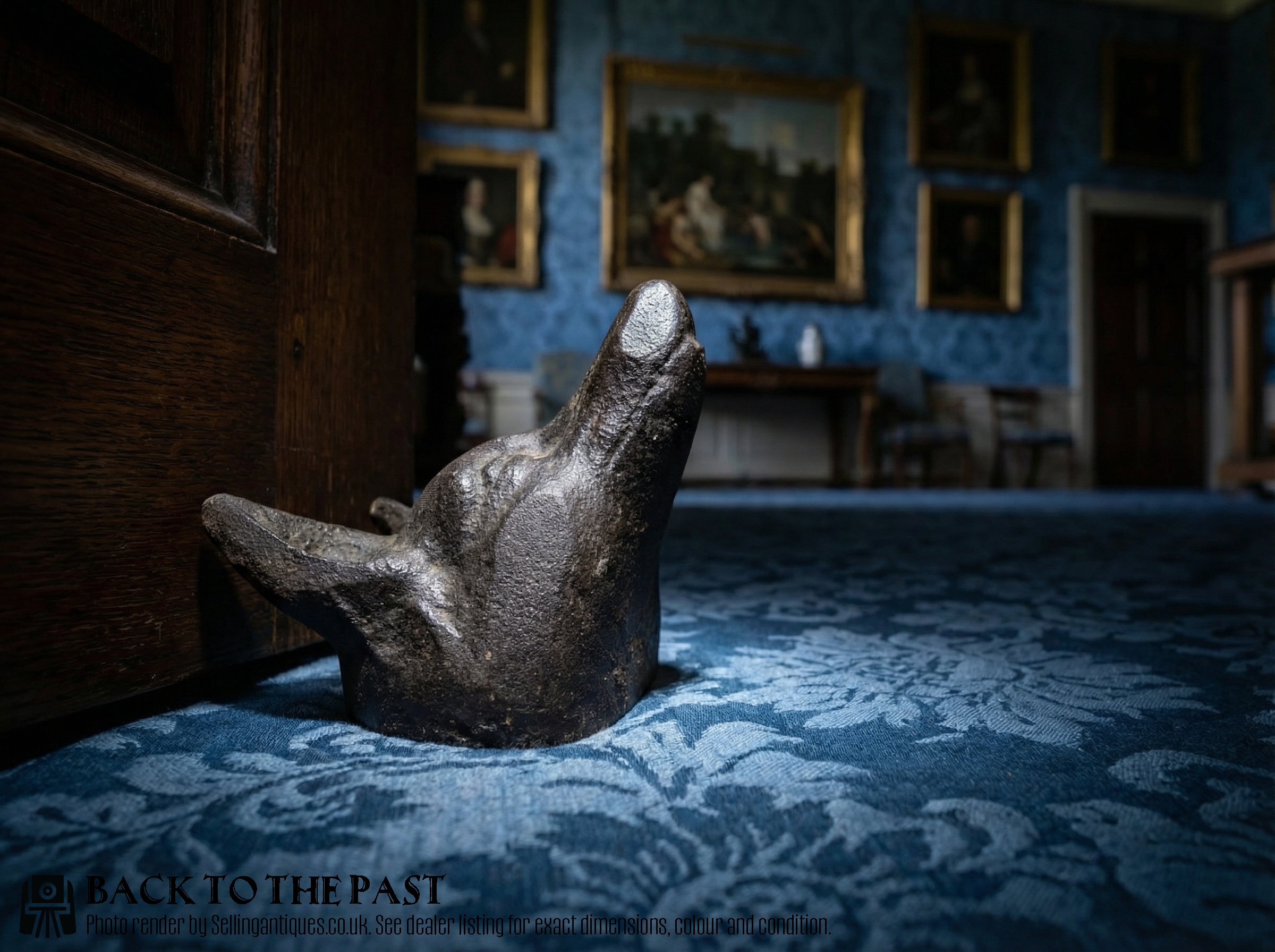
Cast Iron Door Porter
When searching for a cast iron door porter, a buyer looks at sturdy functional weights designed to keep interior doors from slamming. These heavy items double as sculptural ornaments for the hallway or hearth.
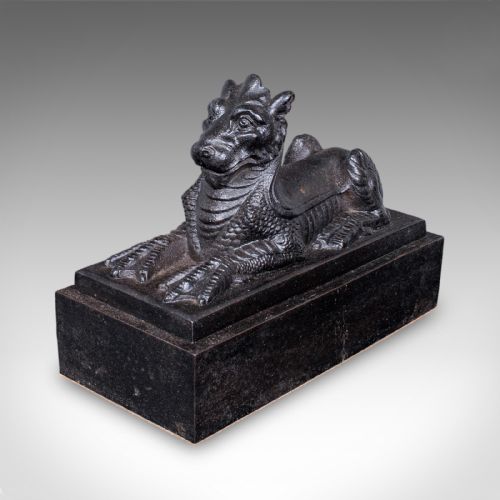
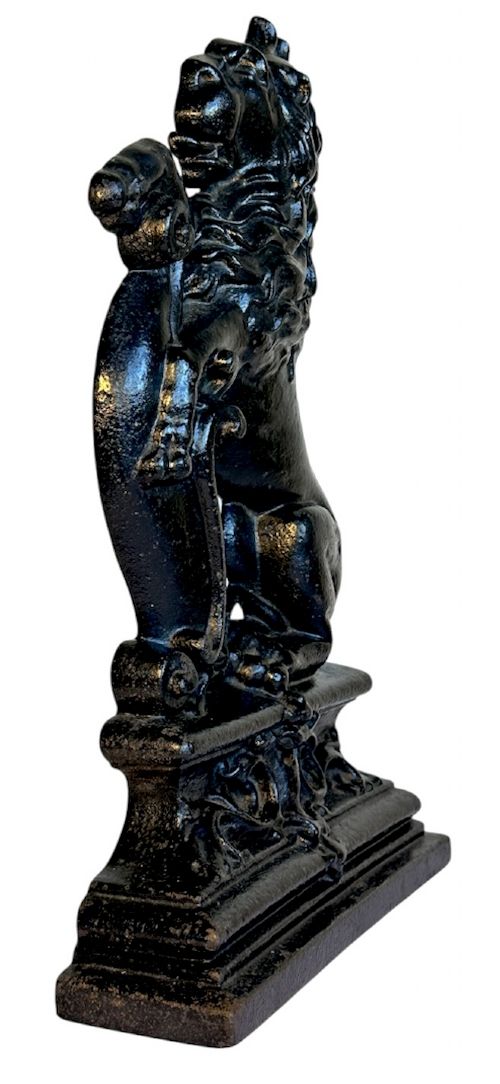
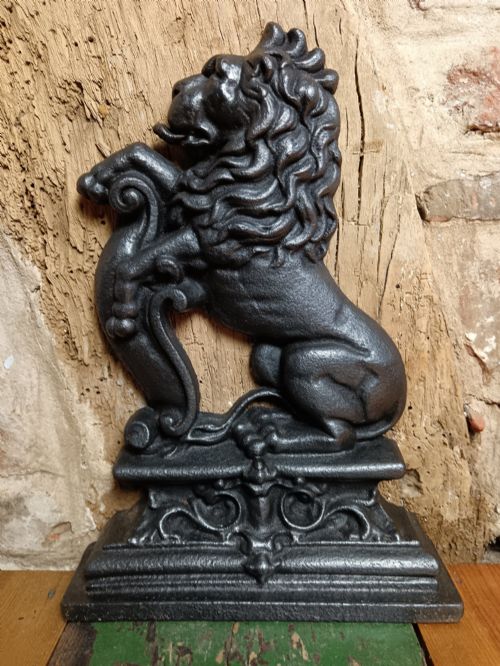
The pieces available span multiple nineteenth-century periods, with Victorian examples dominating the selection. Common forms include heraldic lions, domestic animals, mythical creatures, and popular cultural figures like Mr Punch.
Many of these door keepers originate from English country houses and farmhouses. Alongside traditional doorstops, buyers will also encounter related fireplace ornaments sharing the same heavy metal construction.
How they were made
Foundries produced these items primarily through sand casting, pouring molten iron into moulds to achieve crisp detail and substantial weight. This robust technique ensured the pieces could withstand daily domestic use in busy corridors.
Cast Iron Door Porter Retail Price Guide 2026
Typical asking prices for cast iron door porter among the pieces listed under this phrase on Sellingantiques today, from the lower quarter to the upper quarter. They describe what is for sale here now, not the wider market.
Listings feature robust cast iron construction alongside mixed materials including brass, wood, and painted finishes.
What varies in quality
The preservation of original painted surfaces also dictates the standing of a piece. Retaining honest historical pigment without heavy overpainting distinguishes superior survivals from standard workshop output.
Coalbrookdale
The Cast Iron Door Porter Glossary
- Door porter
- A heavy weight used to keep a door propped open. These utilitarian objects doubled as decorative sculptures in nineteenth-century hallways.
- Figurative
- Art representing human or animal forms rather than abstract patterns. Animal motifs like lions, dogs, and dolphins are especially common in this category.
- Plinth
- A heavy base supporting a statue or ornament. Many doorstops utilise an integrated iron base to provide extra stability.
- Foundry
- A workshop or factory where metal is melted and cast into moulds. Nineteenth-century ironfoundries produced both utilitarian hardware and decorative domestic items.
- Patina
- The surface appearance developed through age, wear, and original finishing. Retaining untouched paint surfaces enhances the historical character of a piece.
Cast Iron Door Porter: Frequently Asked Questions
How were door porters used?
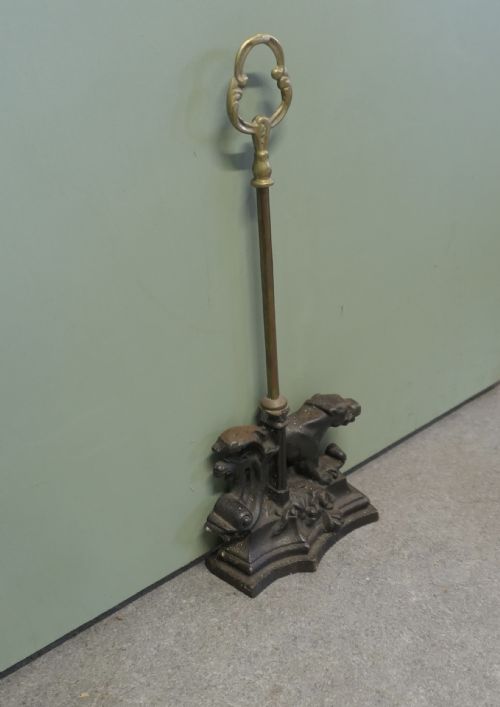
Door porters were positioned directly against heavy interior doors to keep them stationary. They remained on the floor of hallways, drawing rooms, and studies for daily convenience.
Beyond holding doors, similar heavy iron items occasionally served as fireplace ornaments. Their weight made them reliable tools for managing airflow in large houses.
Are these doorstops antique?
The majority of pieces date from the Victorian era and the wider nineteenth century. Common periods found in the selection include Regency, Victorian, and Edwardian eras.
Authentic examples exhibit the casting techniques and material patination characteristic of nineteenth-century British foundries. Their construction reflects the heavy domestic hardware standards of the period.
What subjects are most common?
Animal subjects are widely represented, featuring rampant lions, domestic dogs, horses, and various fish or dolphins. Heraldic and mythological designs also appear frequently across the selection.
Figurative pieces depicting historical personalities, literary characters like Mr Punch, and Egyptian Revival motifs offer additional variety for collectors.