

Cast Iron Accessory
Cast iron accessory finds span heavy hearthware and desktop pieces designed for daily endurance.
Cast Iron Accessory
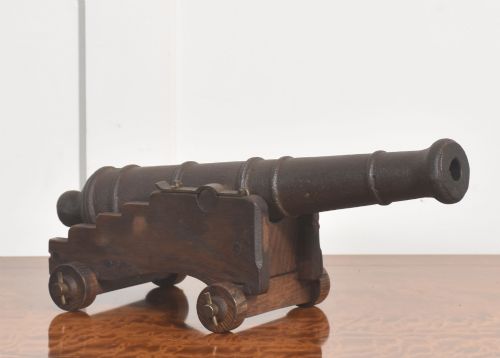
A cast iron accessory encompasses utilitarian items forged or poured for domestic service, most frequently encountered here as fireplace equipment, boot scrapers, and desk items. These objects date across the Georgian, Victorian, and Edwardian eras, reflecting heavy industrial utility combined with decorative moulding.
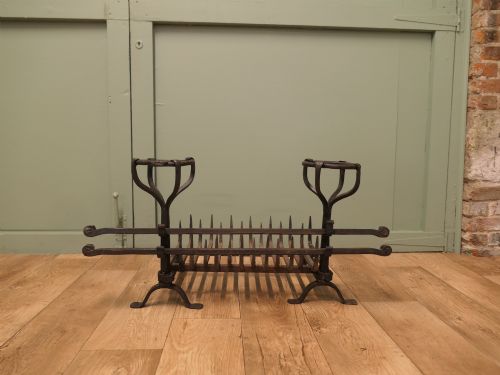
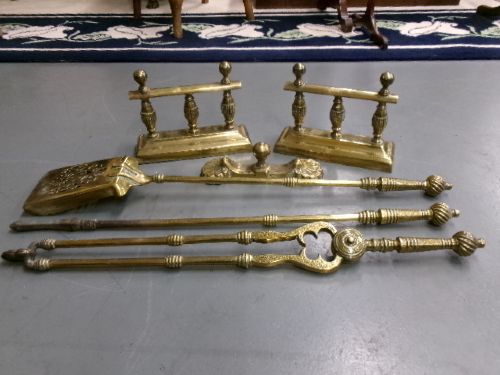
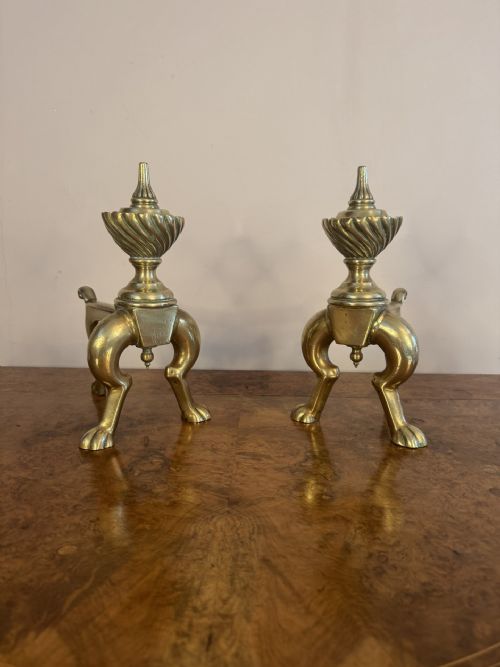
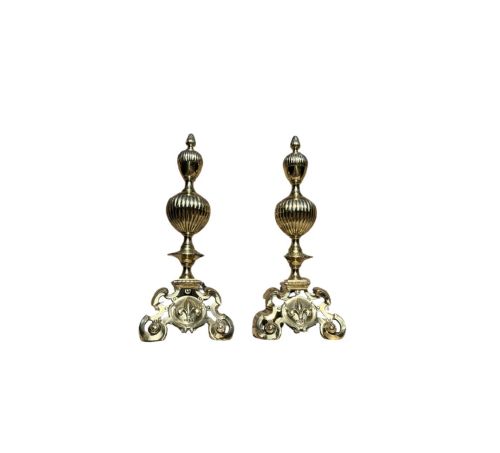
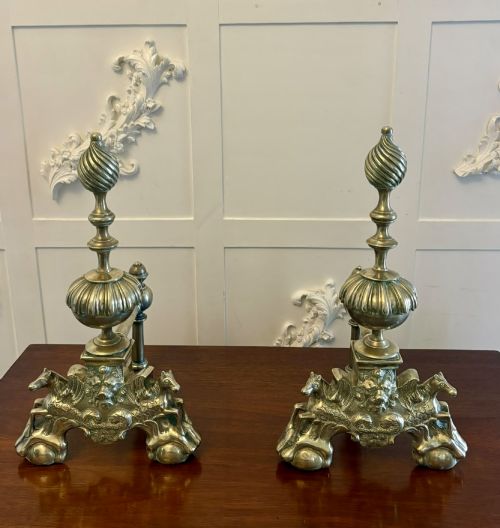
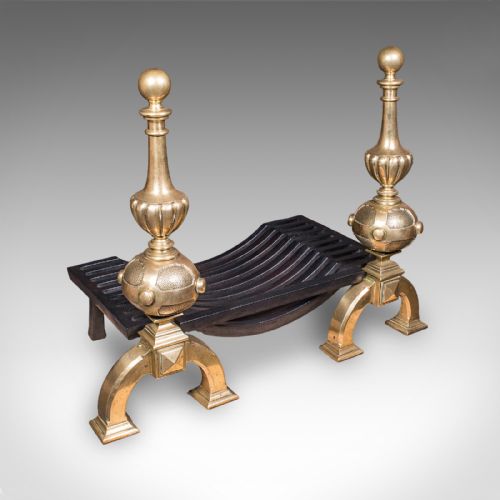
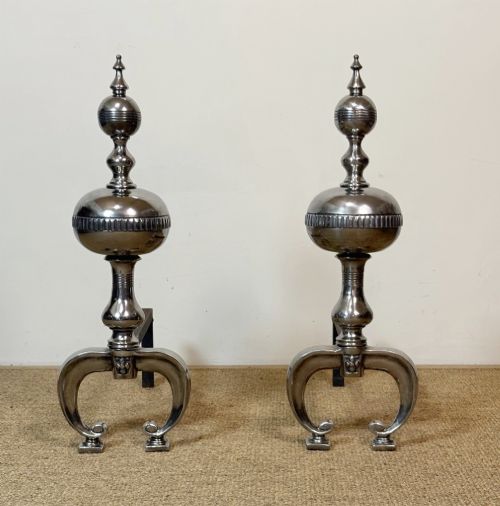
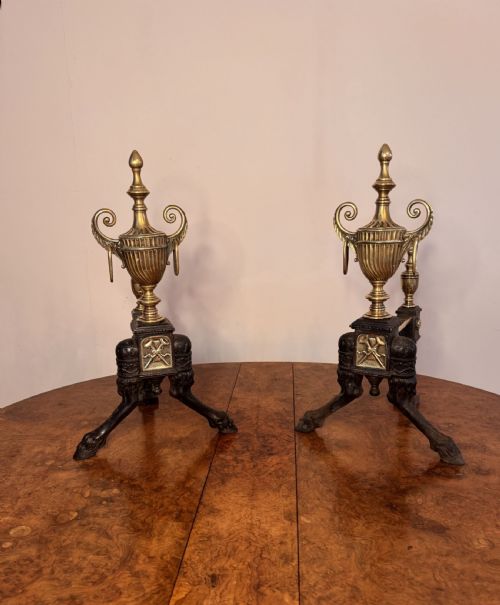
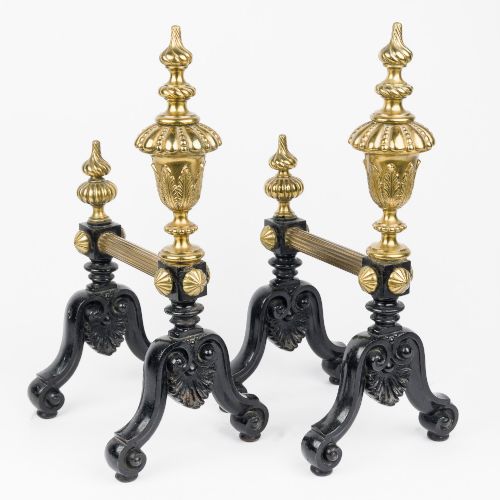
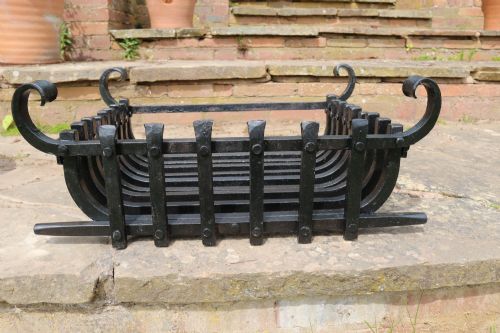
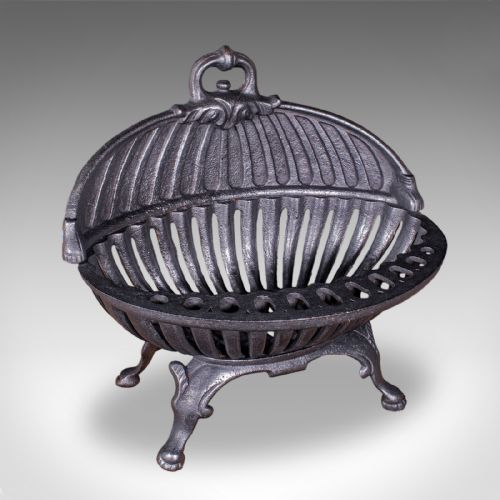
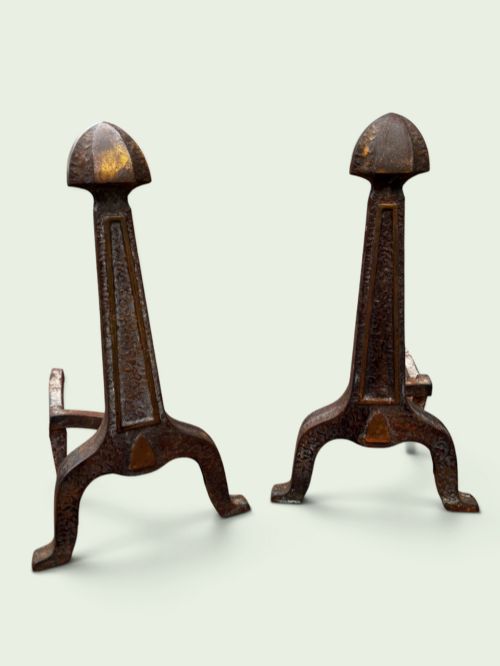
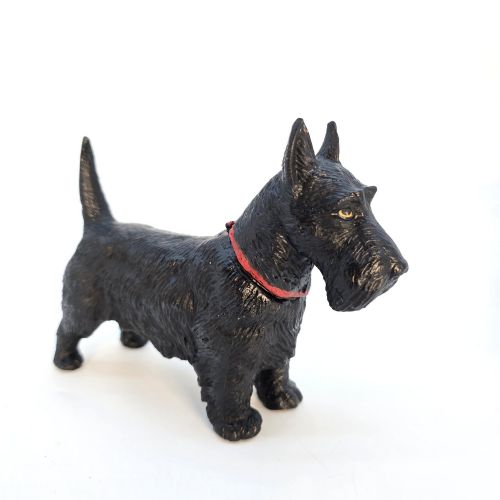
Fireplace gear dominates the selection, ranging from fire dogs and andirons to firebacks, hearth footmen, and companion sets. Buyers also encounter smaller desk objects such as paperweights and table lighters executed in cast metal.
Originating largely from English and French workshops, these items served central roles in heating and household management. The surviving pieces display styles spanning Gothic Revival, Neoclassical, and Arts and Crafts.
What varies in quality
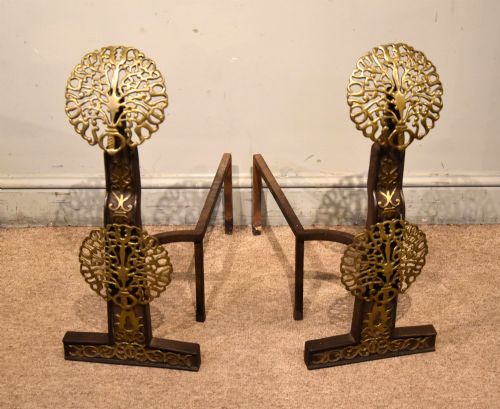
Distinction in these pieces lies in the crispness of the cast relief and the integrity of assembled parts, such as brass and iron joints on andirons. Heavier gauges of metal and well-defined mouldings separate utilitarian foundry work from finer decorative commissions.
The degree of original surface preservation, whether through patination, retained hand paint, or polished steel integrity, dictates the visual authority of the object.
Cast Iron Accessory Retail Price Guide 2026
Typical asking prices for cast iron accessory among the pieces listed under this phrase on Sellingantiques today, from the lower quarter to the upper quarter. They describe what is for sale here now, not the wider market.
A cast iron paperweight honours the nineteenth-century figure Rev Joshua Brooks, known locally as The Manchester Man.
Coalbrookdale
The Cast Iron Accessory Glossary
- Andiron
- A horizontal iron bar raised on legs, used to support logs in an open fireplace. Pairs of these often feature decorative brass finials.
- Fireback
- A heavy cast iron plate placed at the back of an open fireplace to reflect heat and protect the masonry. They frequently display relief moulded scenes.
- Boot scraper
- A stationary iron blade fixed near a doorway for scraping mud from footwear. These range from simple utilitarian designs to ornate Victorian castings.
- Hearth footman
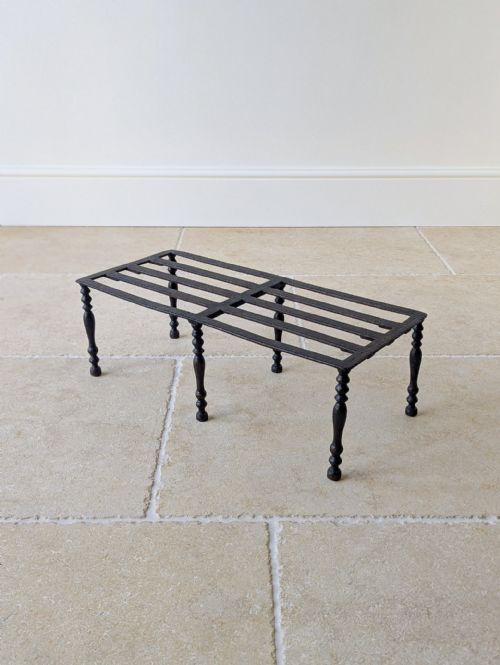
- A low metal stand placed by the fire to keep dishes warm. Georgian examples typically feature wrought iron frames.
Cast Iron Accessory: Frequently Asked Questions
What is a cast iron accessory?
These items comprise utilitarian and decorative objects poured or forged from iron and related metals for household use. They are predominantly found in hearth settings and studies.
Most surviving examples date from the nineteenth century, reflecting industrial manufacturing techniques combined with period decorative styles.
How were fireplace tools used?
Tongs, pokers, and shovels managed coal and wood fires within domestic hearths. They stood in companion sets or rested upon dedicated tool stands.
Andirons supported larger logs while firebacks protected the brickwork and radiated warmth back into the room.
How do I date a cast iron piece?
Dating relies upon stylistic markers such as Victorian Gothic revival motifs or Georgian restraint, alongside manufacturing evidence. Heavier casting techniques and material combinations like iron paired with brass offer further clues.
Reference to specific periods in the evidence helps anchor the manufacturing era.
Are these items suitable for daily use?
Many hearth pieces, including fire baskets, andirons, and companion sets, remain robust enough for active fireplace service. Solid construction in cast iron and brass ensures lasting durability.
Smaller items like paperweights and table lighters function effectively on modern desks.