

Cast Bronze Table
These cast bronze table pieces bring substantial metalwork and rich patination to a room, offering both decorative presence and utilitarian function.
Cast Bronze Table
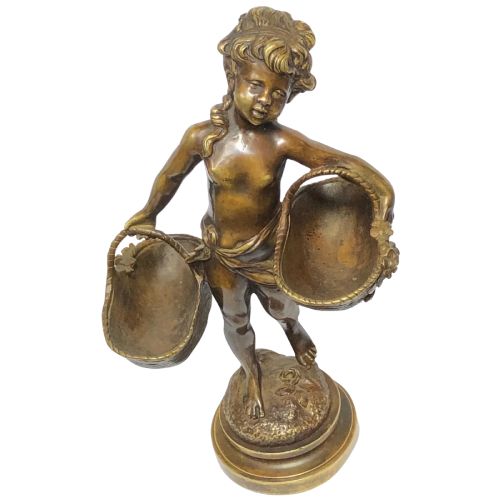
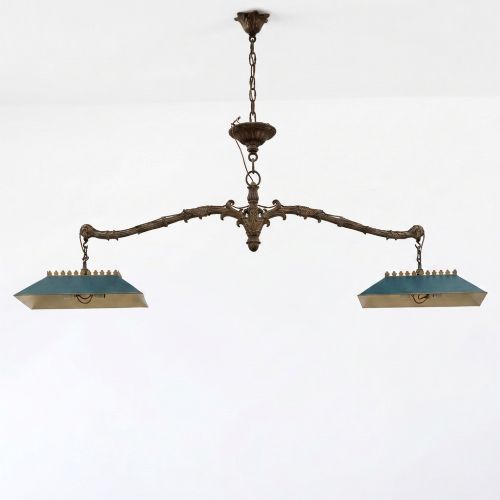
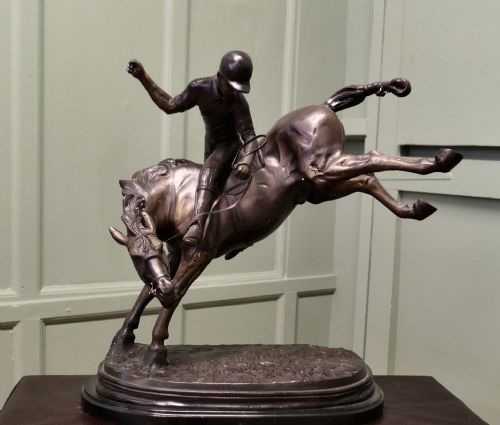
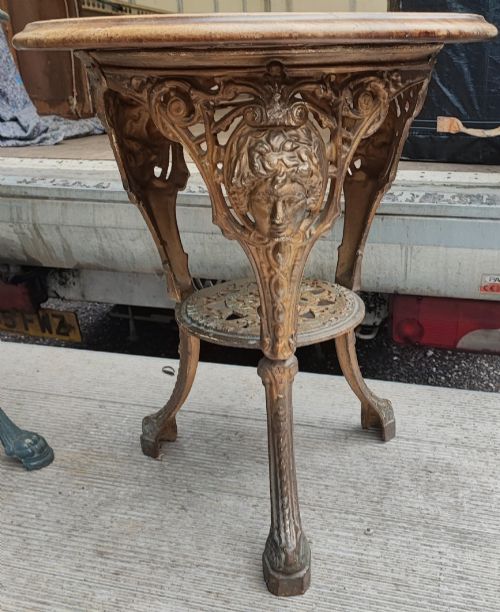
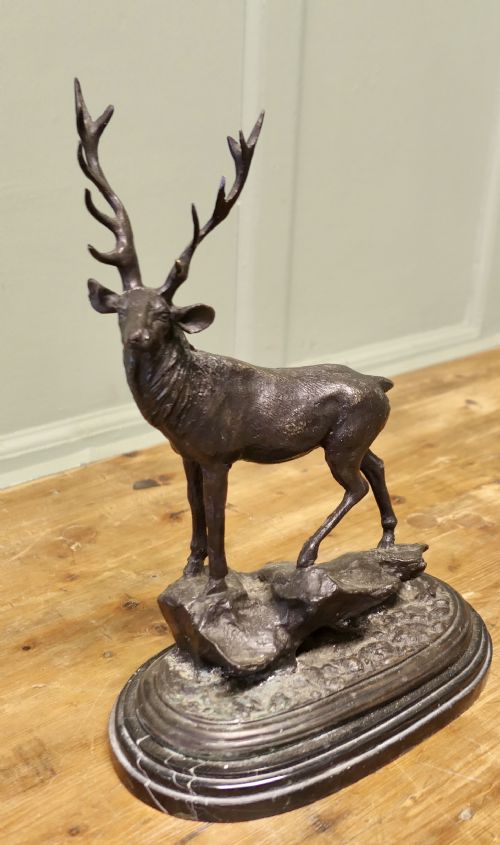
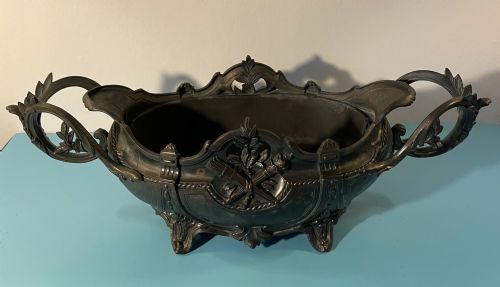
A cast bronze table search brings up a diverse array of metalwork objects designed for tabletop use, spanning the nineteenth and early twentieth centuries. Buyers frequently encounter figural sculptures, decorative urns, and functional lighting adapted from various stylistic traditions.
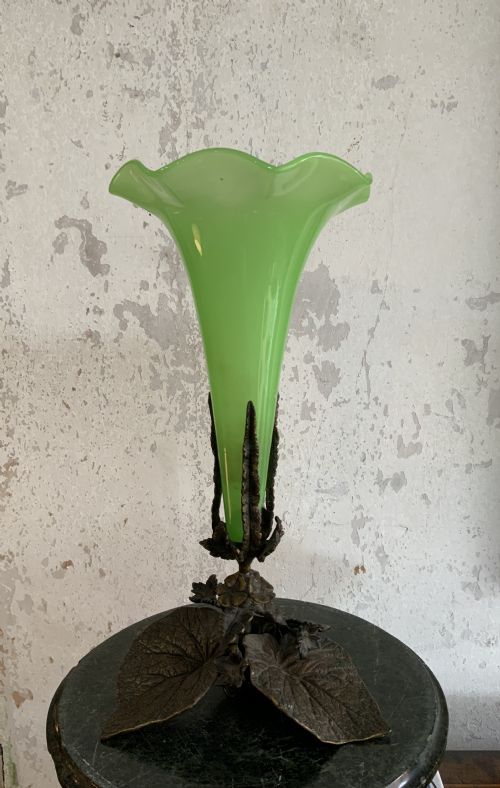
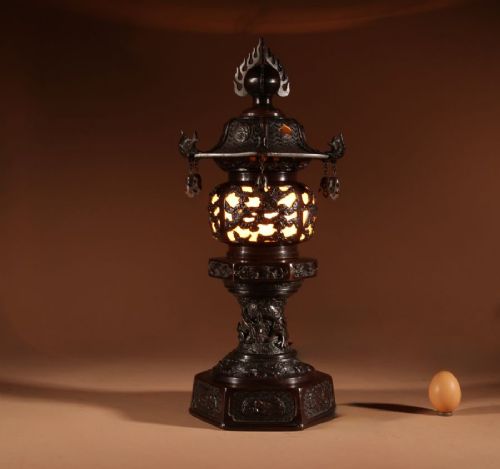
The selection ranges from French Animalier groups and Art Nouveau figures to Japanese Meiji period bronzes and Chinoiserie designs. Many examples incorporate mixed media, combining metalwork with marble bases, glass shades, or fabric elements.
Victorian and Edwardian pieces dominate the domestic lighting and accessory categories, often featuring patinated or gilt surfaces. These items reflect both European foundry traditions and export craftsmanship from East Asia.
Materials and Technique
Foundries utilised traditional casting methods to shape molten metal into intricate figural and ornamental forms, often employing the lost-wax technique for detailed sculptures. Artisans then refined the raw castings through chasing, filing, and assembling multiple components.
Surface treatments define the visual character of these items, with makers applying chemical patination to create dark brown or green tones, or employing fire-gilding to deposit gold on bronze surfaces. Stonework bases in marble and structural elements in brass, wood, or glass frequently support the main metal bodies.
Cast Bronze Table Retail Price Guide 2026
Typical asking prices for cast bronze table among the pieces listed under this phrase on Sellingantiques today, from the lower quarter to the upper quarter. They describe what is for sale here now, not the wider market.
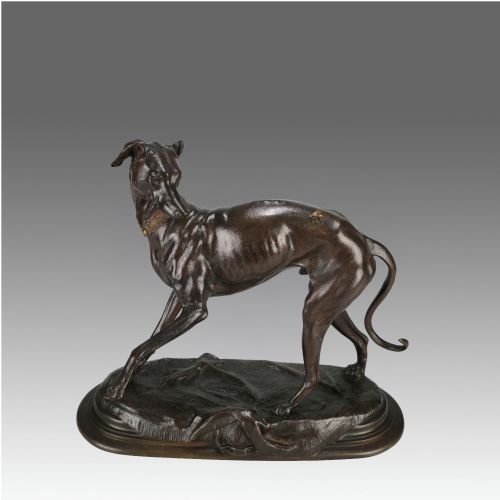
Some nineteenth-century French dogs are immortalised in bronze while mid-chase, permanently pausing a hunt upon a sideboard.
Evaluating Quality
The crispness of the casting and the depth of the subsequent hand-chasing separate standard production pieces from superior works. Skilled chiselling restores fine details such as feathers, fur, and facial expressions after the casting process.
The quality of the patination and the integrity of the materials, from dense marbles to heavy cast bronze, determine the overall execution. Signed works by established sculptors or documented foundries typically demonstrate superior finishing and proportions.
Auguste Moreau·Frederic Remington·L and F Moreau·P J Mene·Alfred Barye·Friedrich Goldscheider·Joseph Hinks
The Cast Bronze Table Glossary
- Animalier
- A nineteenth-century artistic movement focused on the realistic depiction of animals, particularly horses, dogs, and wild beasts in action. Sculptors in this tradition captured muscular tension and natural movement.
- Champlevé
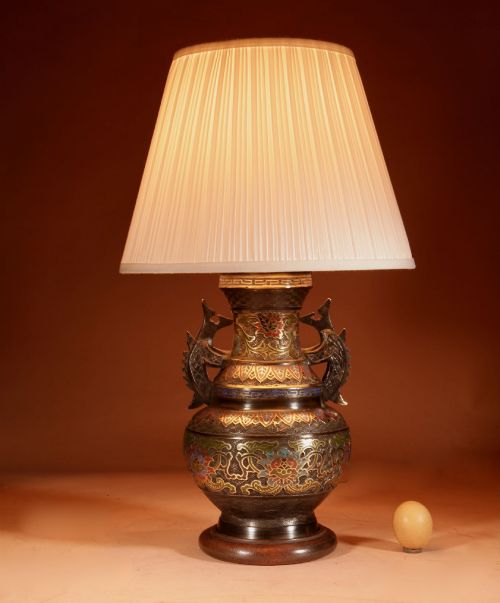
- An enamelling technique where troughs or cells are sunk into the surface of the metal and filled with vitreous enamel before firing. This method creates colourful decorative patterns across bronze vessels and lamp bases.
- Gilt Bronze
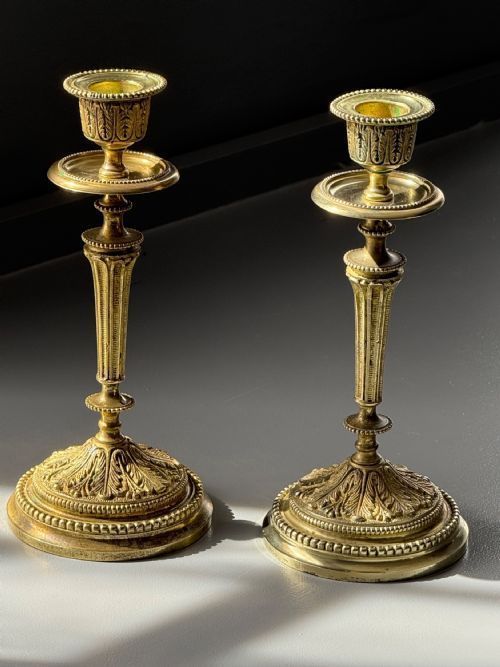
- Bronze that has been coated with a thin layer of gold or gold amalgam to produce a bright, durable metallic finish. Also known by the French term ormolu, it appears frequently on decorative mounts and candelabra.
- Meiji Period
- The era in Japanese history from 1868 to 1912 characterised by the modernization of industry and the export of high-grade metalwork. Bronzes from this period often display complex dragons, flora, and patinated finishes.
- Patinated Bronze
- Metal that has undergone controlled oxidation through chemical treatment to produce a specific surface colour. This ageing process protects the underlying alloy and adds visual depth to sculptures and lamps.
Cast Bronze Table: Frequently Asked Questions
How do I identify a cast bronze table lamp?
Examine the weight, the construction seams, and the base material to distinguish solid cast bronze from lighter spelter or white metal alternatives. Look for threaded components and wiring channels that indicate a later conversion for electrical use.
Inspect the surface for hand-chased details and natural patination rather than uniform painted finishes. Signature stamps near the base often point to specific European foundries or makers.
What is Japanese Meiji bronze?
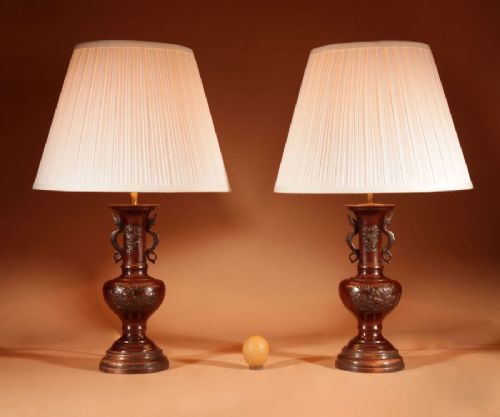
Meiji bronze refers to metalwork produced in Japan between 1868 and 1912 during a time of increased international trade. These pieces frequently incorporate detailed flora, fauna, and mythological creatures rendered with high technical skill.
Many of these objects were later adapted in the West to serve as table lamps or decorative vases while retaining their original patination and cast motifs.
How should I clean antique bronze?
Dust the surface regularly with a soft, dry cloth to prevent the accumulation of dirt within recessed chasing. Avoid abrasive cleaners or chemical polishes that can strip away historical patination.
Professional conservation may be required for pieces with active corrosion or damaged structural joints. Keeping the bronze away from direct moisture preserves the finish.
What is French Animalier bronze?
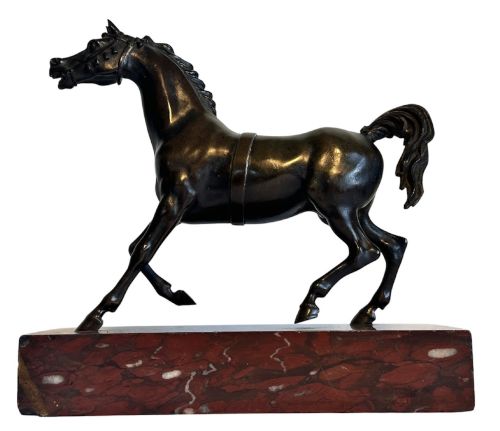
Animalier bronze represents nineteenth-century sculptural works dedicated to realistic animal subjects, particularly horses, hounds, and wildlife. French ateliers produced numerous small-scale table bronzes capturing these subjects in dynamic poses.
These sculptures often sit on fitted marble plinths and bear the signature of the modeller or the foundry mark. They reflect a nineteenth-century scientific interest in animal anatomy.