

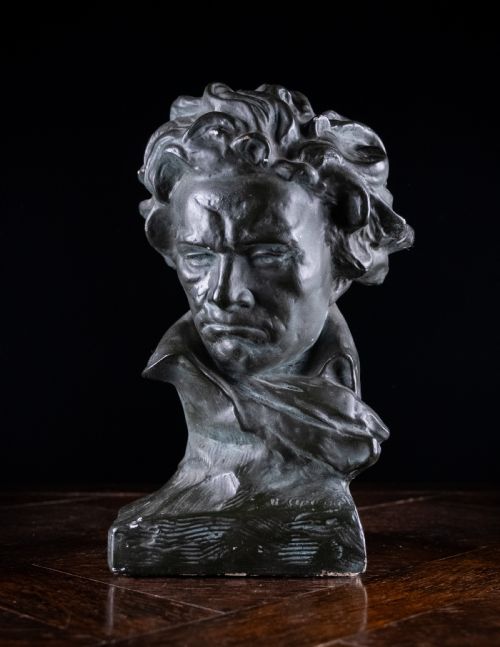


Cast Bronze Portrait
These cast bronze portrait pieces capture historical figures and literary icons with striking presence, bringing tangible depth to any room.
Cast Bronze Portrait
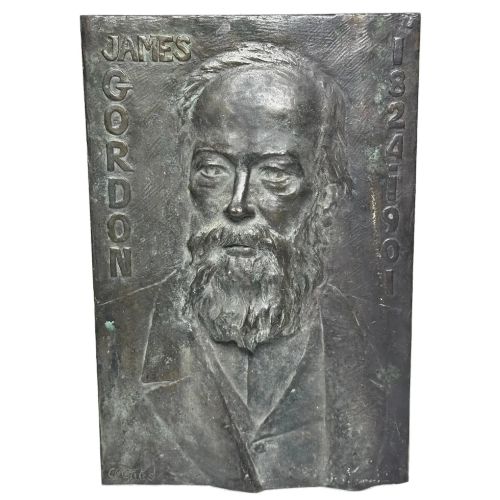
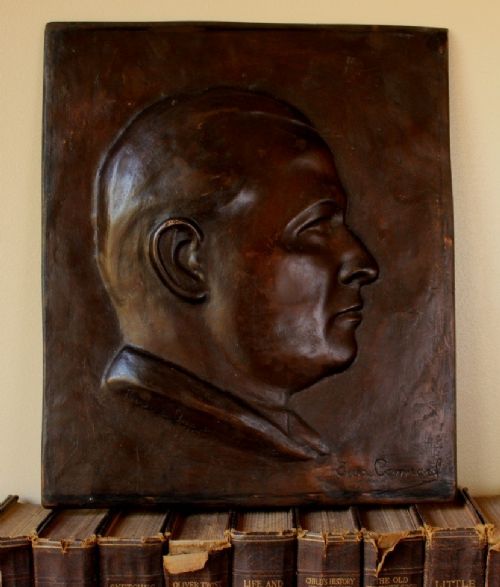
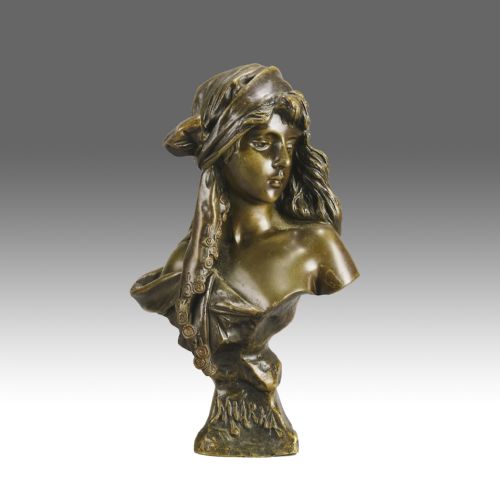
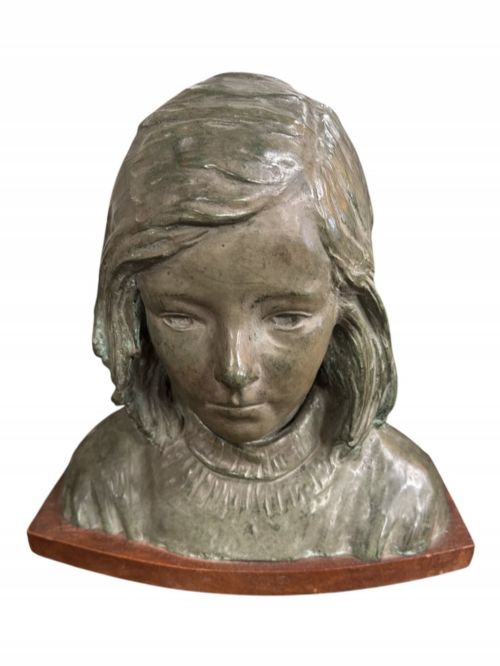
A cast bronze portrait represents notable figures, poets, and young subjects through enduring metalwork. When you search for a cast bronze portrait, you encounter standalone busts, wall plaques, and relief roundels originating from the nineteenth and early twentieth centuries.
The selection ranges from Victorian studies of literary greats like Shakespeare and Byron to Art Nouveau portrayals of young women. These works frequently combine heavy metal casting with fitted marble bases or wooden frames.
Makers utilised traditional casting methods to immortalise historical leaders, artists, and literary subjects in three dimensions. Most examples found here date across the Victorian, Edwardian, and Art Deco eras.
How they were made
Foundries produced these pieces using molten bronze, brass, cast iron, and patinated metal poured into specialised moulds. Skilled artisans then applied chemical patination or painted finishes to accentuate facial contours and drapery.
Many heavier sculptures integrate weighted marble plinths or slate bases to stabilise the cast metal above. Wall plaques and roundels often incorporated hanging loops or sat within turned wooden picture frames.
Listings feature works spanning the nineteenth century through the Art Deco era, encompassing bronze, cast iron, and marble.
What varies in quality
The integration of the subject with its base, whether veined marble or turned wood, signals the care taken by the foundry. Depth of patina and surface preservation further separate standard production pieces from master-signed works.
Eugene Canneel·Emmanuel Villanis·Georges-Charles Coudray·Sir Thomas Brock·Alajos Strobl·Georges Van Der Straeten·Leonhard Posch·J C De Blezer·Feridah Francis Forbes Taylor
The Cast Bronze Portrait Glossary
- Patina
- The surface coloration and chemical sheen developed naturally over time or applied deliberately by the foundry. This finish protects the underlying metal and highlights sculptural depth.
- Bust
- A sculpted representation of a person from the chest or shoulders up. This format focuses attention entirely on facial expression and character.
- Plakette
- A flat or low-relief decorative metal plaque intended for wall mounting. These often depict historical profiles or commemorative subjects.
- Relief
- Sculptural elements that project from a flat background surface rather than standing free in the round. Low relief requires precise casting control to convey depth.
- Roundel
- A circular panel or frame containing a portrait profile. These are frequently paired as matched sets.
Cast Bronze Portrait: Frequently Asked Questions
What subjects do these portraits show?
The pieces depict historical leaders, literary figures such as William Shakespeare and Lord Byron, and unidentified young women or children. Sculptors also portrayed classical thinkers like Dante Alighieri alongside contemporary figures from the nineteenth and early twentieth centuries.
Many subjects reflect the cultural interests of the Victorian and Edwardian periods, celebrating poets, scientists, and monarchs through enduring metal.
How were these busts displayed?
Most heavier busts stand independently on fitted marble plinths or heavy metal bases designed to anchor their weight on furniture. Wall plaques and roundels feature integrated hanging loops or sit within wooden frames for wall mounting.
Smaller reliefs often served as desk accessories or bookends, integrating functional utility with portraiture.
Are all pieces made of solid bronze?
While traditional bronze is common, the listings include patinated cast iron, brass, bronzed metal, and painted plaster or lead. Foundries often utilised alternative metals to achieve specific surface patinas or weight distributions.
Base materials such as marble and turned wood frequently accompany the metal portrait elements to provide structural support.
How do I identify the period?
Stylistic cues such as Art Nouveau floral lines or Victorian gravitas point directly to the era of manufacture. Foundries and sculptors frequently inscribed signatures, dates, or titles directly into the metal surface.
Associated materials like black marble plinths or turned mahogany frames also help determine the period of origin.