

Cast Bronze Lighting
When you search for cast bronze lighting, you find solid metal pieces shaped for oil, candles, and electricity across centuries of design.
Cast Bronze Lighting
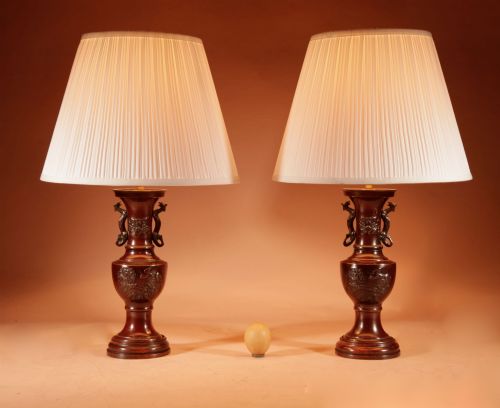
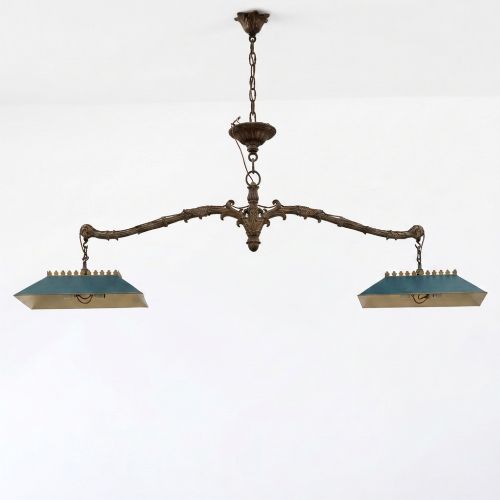
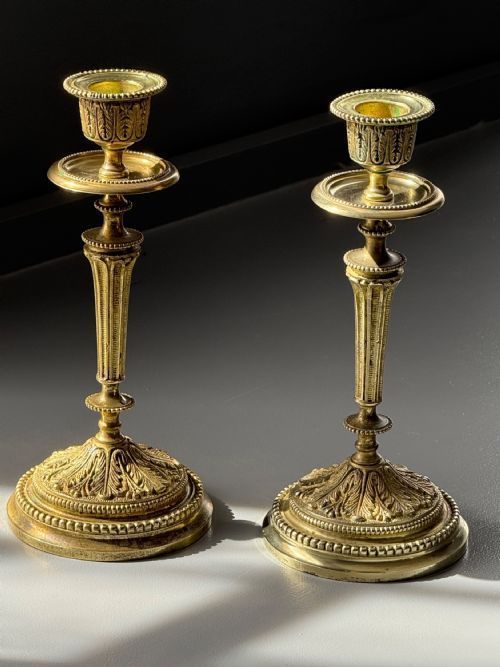
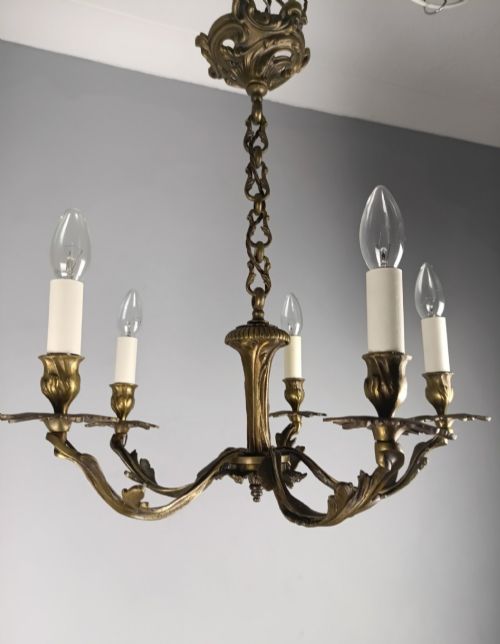
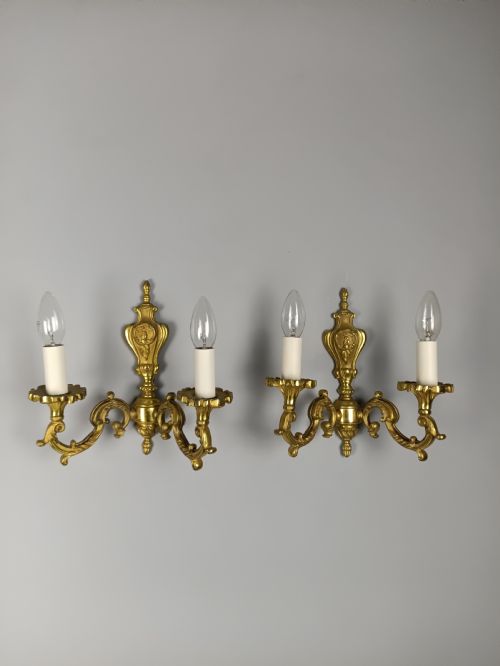
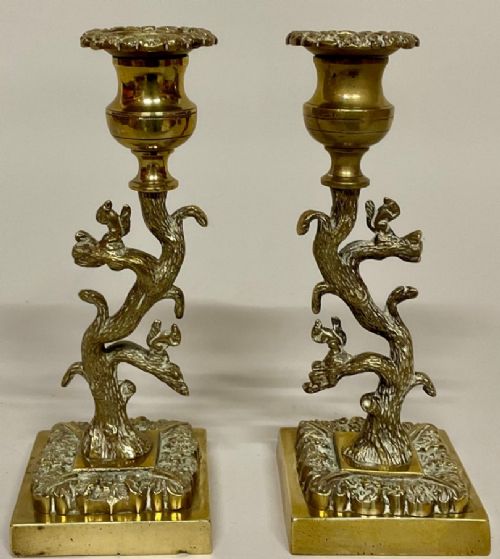
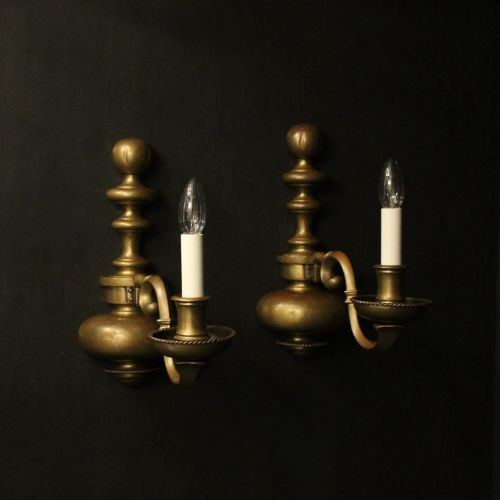
Cast bronze lighting encompasses heavy metal fixtures designed to hold candles, burn oil, or mount electric bulbs. When buyers search for cast bronze lighting, they encounter everything from domestic table lamps and candlesticks to multi-arm chandeliers and wall sconces.
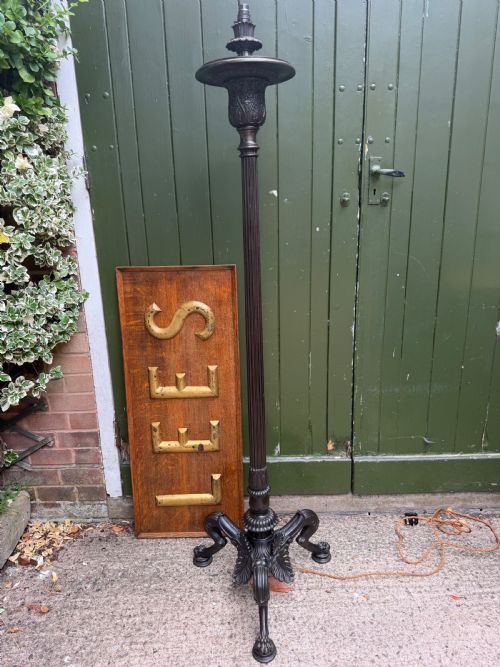
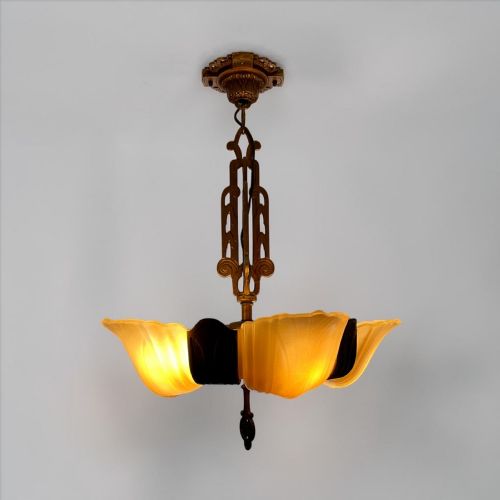
The selection ranges across several eras, featuring items from the eighteenth century through to the art deco period of the nineteen thirties. Domestic lighting takes multiple forms, including floor lamps, desk lamps, and ceiling lanterns.
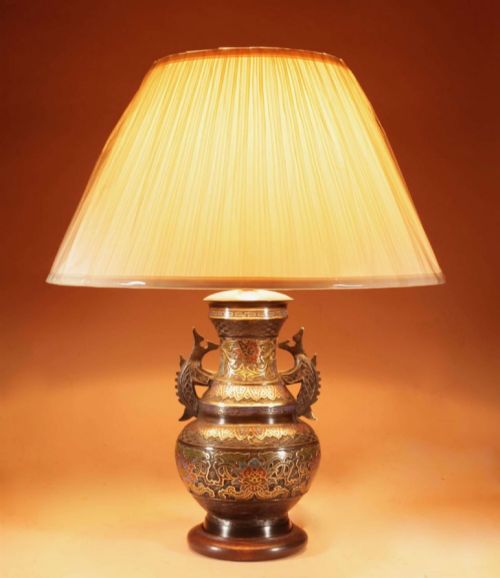
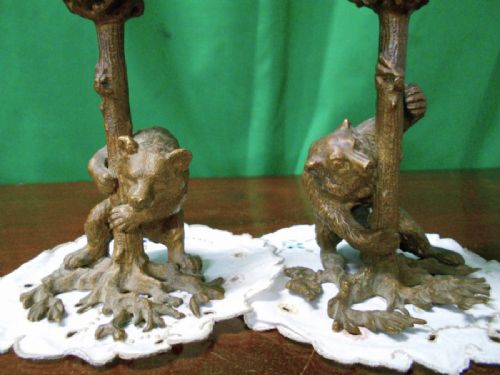
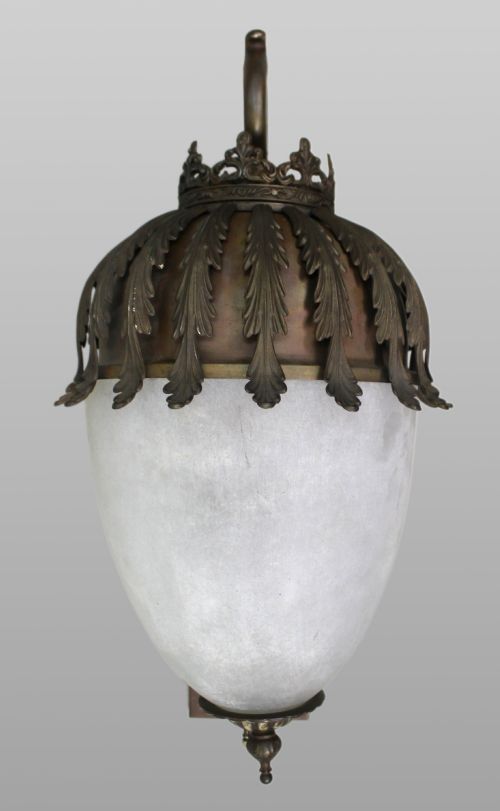
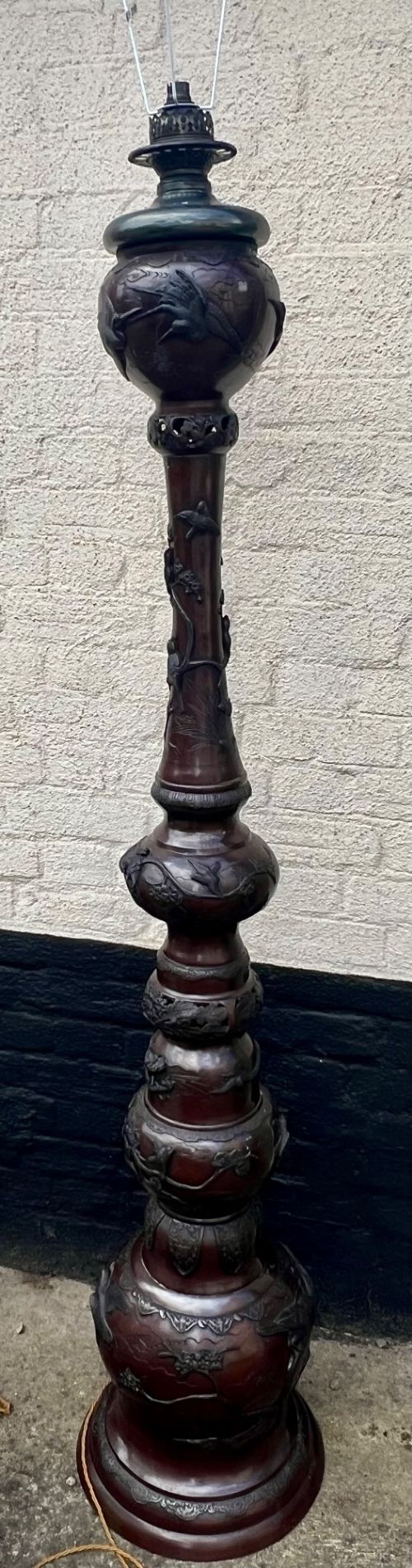
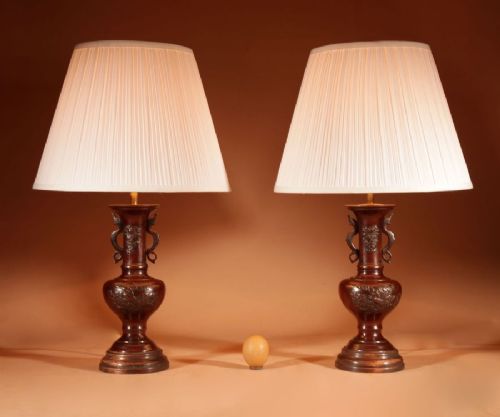
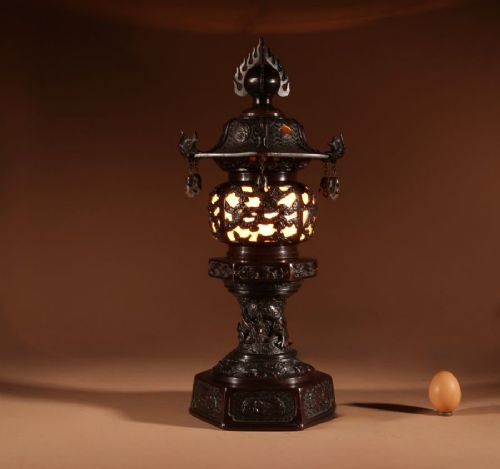
French styles dominate the decorative output, alongside English examples and Japanese Meiji period works. Pieces often incorporate figurative elements such as animals, cherubs, or classical ornamentation.
How they were made
Foundries produced these items using casting techniques that allowed for intricate detail in molten metal. Artisans shaped bronze, brass, and ormolu into complex forms, occasionally applying gilding or patination to the surface.
Many fixtures integrate secondary materials to complete the design. Marble serves as a heavy base for stability, while glass panels form lanterns and fabric constructs shade modern table lamps.
Listings feature items from the eighteenth century to the art deco era, executed in bronze, brass, and gilt metal.
What varies in quality
Finishes separate standard production from superior work. Heavy fire gilding and deep, hand-applied patination endure better and catch the light with greater depth than simple painted or plated surfaces.
L & F Moreau·F & C Osler
The Cast Bronze Lighting Glossary
- Ormolu
- Gilded bronze produced by applying a mercury and gold amalgam to the metal base and heating it. This technique creates a rich golden finish found on fine French decorative pieces.
- Champlevé
- An enamelling technique where troughs are dug into the metal surface and filled with vitreous enamel before firing. It frequently appears on Japanese metalwork adapted into lamps.
- Girandole
- An ornamental branched wall candlestick featuring a backplate that reflects the candlelight. These pieces often combine multiple arms with mirrored or polished bronze mounts.
- Campana
- A vase-shaped candle socket resembling an inverted bell. This classical form appears frequently on candlesticks and wall lights from the eighteenth and nineteenth centuries.
- Crusie lamp
- An early form of oil lamp utilising a shallow pan to hold animal oil or fat with a wick. These simple iron or bronze vessels predate modern electrical and gas domestic lighting.
Cast Bronze Lighting: Frequently Asked Questions
Are these lamps wired for modern use?
Many older table and floor lamps have been rewired for contemporary electrical standards by previous owners. Unconverted pieces require professional rewiring to meet safety regulations.
Check the internal wiring and lampholders when purchasing. Original fittings may need replacement for safe daily operation.
How do I date a bronze candlestick?
Examine the construction methods, base shape, and decorative style to determine the period. Eighteenth-century examples often feature solid cast bases and simpler profiles compared to later ornate revivals.
Tool marks and wear patterns underneath provide further clues to age. Compare the casting quality with known examples from specific design movements.
What is the difference between bronze and brass?
Bronze is an alloy primarily composed of copper and tin, resulting in a heavier, darker metal that takes a deep patina. Brass is an alloy of copper and zinc, producing a brighter, more golden appearance.
Many antique lighting fixtures use both metals depending on the required structural strength and decorative finish.