

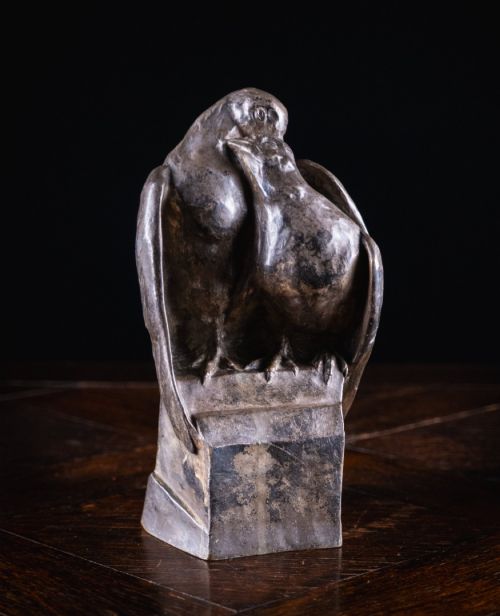
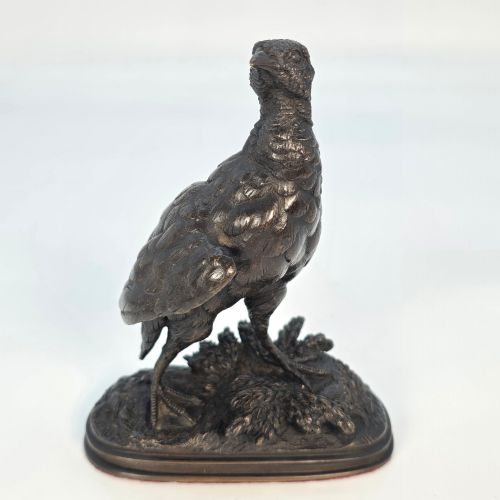
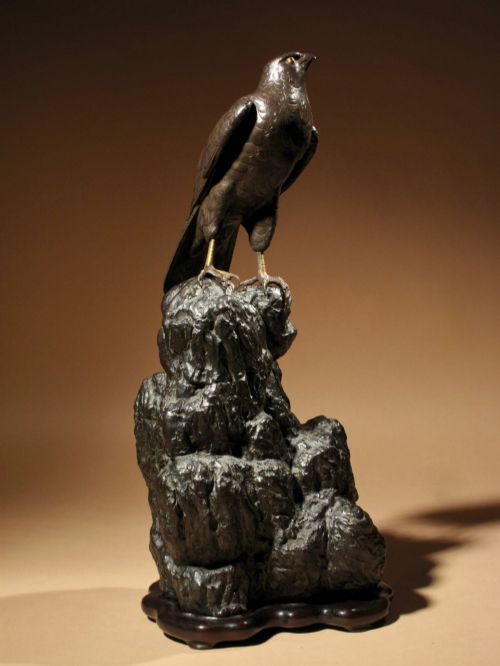
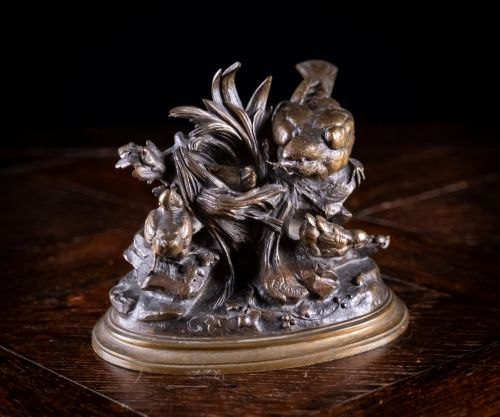
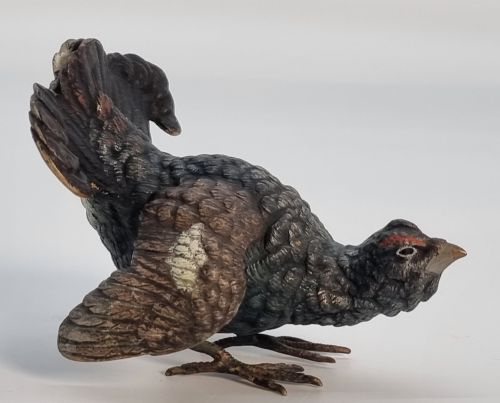


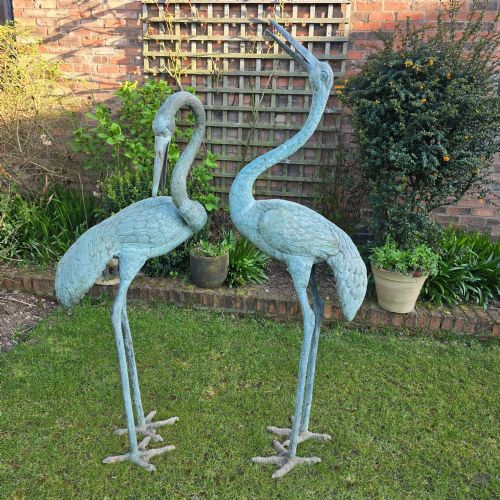


Cast Bronze Bird Ornament
These cast bronze bird ornament pieces bring tactile wildlife studies into a room, prized for their expressive postures and enduring metalwork.
Cast Bronze Bird Ornament
A cast bronze bird ornament is a metal sculpture depicting avian subjects, ranging from small songbirds to large raptors and wading birds. When searching this phrase, a buyer encounters works spanning the nineteenth century through the early twentieth century.
The selections here frequently draw on French Animalier traditions, Japanese Meiji aesthetics, and Austrian cold-painted workshops. Sculptures and statuettes dominate the forms, alongside garden statues, vases, and garden ornaments.
Makers and foundries represented include well-known figures like Franz Bergman, Antoine Louis Barye, and Ferdinand Pautrot. Pieces often feature patinated bronze, cold paint, or gilt cast brass finishes, sometimes paired with wood or stone elements.
How They Were Made
Foundries utilised traditional casting methods to shape molten metal into complex avian forms, capturing feather textures and anatomical details. Bronze and cast metal served as the primary structural materials for these durable figures.
Surface treatments define many pieces, employing dark patinas, applied paint, or cold-painted techniques to add colour and realism. Certain works combine the cast metal bird with natural materials such as stone bases or wooden supports.
Cast Bronze Bird Ornament Retail Price Guide 2026
Typical asking prices for cast bronze bird ornament among the pieces listed under this phrase on Sellingantiques today, from the lower quarter to the upper quarter. They describe what is for sale here now, not the wider market.
The inventory includes French Animalier works, Austrian cold-painted models, and Japanese Meiji garden okimono.
What Varies in Quality
Chasing and finishing separate standard foundry production from exceptional sculptural work, particularly in the crispness of feather carving and muscle definition. The sensitivity of the modelling determines whether a bird model appears stiff or possesses convincing natural movement.
The preservation of original surface finishes, such as cold-painted polychrome details or stable patinas, influences the integrity of the piece. Foundry marks and artist signatures provide verifiable attribution that distinguishes master castings from later copies.
Franz Bergman·Antoine Louis Barye·Barbedienne·Ferdinand Pautrot
The Cast Bronze Bird Ornament Glossary
- Animalier
- A nineteenth-century artistic movement focused on the realistic portrayal of animals. Sculptors in this tradition studied anatomy closely to capture creatures in motion.
- Cold-painted bronze
- A technique where bronze sculptures are painted with polychrome oil paints without subsequent firing. This method was notably favored by Austrian foundries.
- Patina
- The surface coloration resulting from chemical treatment, age, or oxidation on bronze. A dark patina often highlights the sculptural contours.
- Okimono
- Japanese decorative objects designed for display, commonly featuring detailed metalwork of birds and animals from the Meiji period.
- Foundry
- A workshop where metal is cast into moulds to create finished sculptures. Famous foundries often marked their editions to record the production.
Cast Bronze Bird Ornament: Frequently Asked Questions
What is cold-painted bronze?
Cold-painted bronze refers to metal sculptures finished with oil-based paints that cure naturally rather than through kiln firing. This technique allowed Austrian makers to achieve vibrant, lifelike plumage on small avian models.
Because the paint sits on the metal surface without high-temperature bonding, surviving examples require careful handling to prevent flaking.
How do I identify a Meiji period bronze?
Meiji period bronzes often reflect Japanese aesthetic traditions, featuring highly naturalistic depictions of geese, cranes, and other wildlife. These pieces frequently originate from the late nineteenth or early twentieth century.
Examine the casting quality and surface detailing, which typically display exceptional precision in rendering feather patterns and postures.
Where were Animalier bronzes made?
Animalier bronzes were predominantly produced in France during the nineteenth century by sculptors who specialised in animal subjects. Foundries such as Barbedienne cast these works using the lost-wax method or sand casting.
The style emphasises anatomical accuracy and dynamic tension, showing birds and predators in active or resting states.