





Outdoor Bronze Sculpture
These outdoor bronze sculpture pieces bring scale and character to gardens, featuring notable works from the nineteenth century to the mid-twentieth century.
Outdoor Bronze Sculpture
When you search for outdoor bronze sculpture, you encounter substantial garden statuary and architectural elements created to withstand the elements.
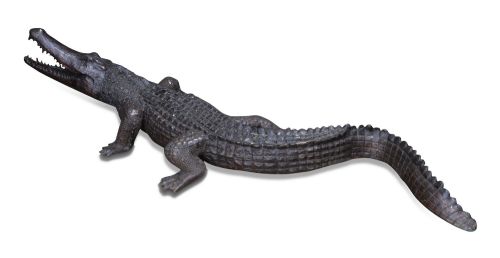
The selection ranges from large animal figures like crocodiles and stallions to fountain spouts and temple vases.
Japanese Meiji period works and traditional garden styles dominate the offerings from periods spanning the late nineteenth and early twentieth centuries.
How they were made
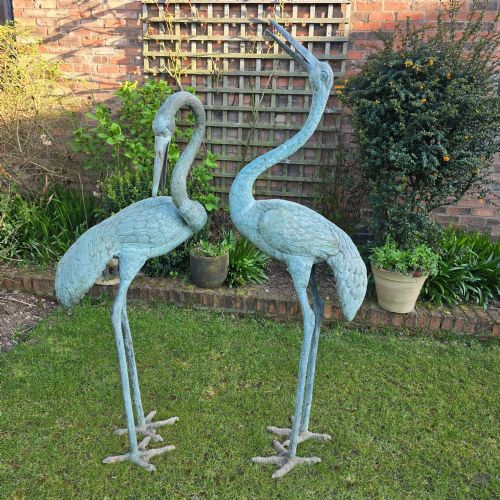
These works utilise bronze and cast metal, shaped into detailed forms such as dragons, geese, and cranes.
Surfaces frequently exhibit patinated bronze and verdigris patina finishes, developing distinct weathering characteristics over time in outdoor settings.
Outdoor Bronze Sculpture Retail Price Guide 2026
Typical asking prices for outdoor bronze sculpture among the pieces listed under this phrase on Sellingantiques today, from the lower quarter to the upper quarter. They describe what is for sale here now, not the wider market.
The listings span from the nineteenth century through the nineteen-forties, featuring bronze, cast metal, and stone.
What varies in quality
The distinction between pieces often rests upon the precision of the casting and the depth of the patination.
Larger scale monumental items and life-size animal representations demonstrate greater artistic ambition than smaller decorative pieces.
The Outdoor Bronze Sculpture Glossary
- Bronze
- An alloy consisting primarily of copper, traditionally used for durable outdoor statuary and decorative art. It develops a stable protective patina when exposed to weather.
- Patina
- The surface coloration resulting from chemical treatment or natural weathering over time. This layer protects the underlying metal and adds visual depth.
- Okimono
- A Japanese decorative object designed for display, often taking the form of finely detailed bronze animals or figures intended for gardens and interiors.
- Verdigris
- A green patina formed naturally on copper, brass, or bronze through atmospheric oxidation. It is intentionally applied by makers to achieve an aged appearance.
Outdoor Bronze Sculpture: Frequently Asked Questions
Do bronze sculptures need maintenance outdoors?
These metal pieces tolerate weathering well, though occasional rinsing removes debris and prevents mineral buildup from rain or fountain water.
Applying a protective wax coating helps preserve the patinated bronze surfaces against harsh seasonal changes.
What periods do these sculptures date from?
The pieces span the nineteenth century and the early to mid-twentieth century, including works from the nineteen-tens and nineteen-twenties.
Japanese Meiji period examples from the early nineteen-hundreds sit alongside traditional garden pieces from the eighteen-eighties.
What materials are used besides bronze?
Cast metal and stone appear alongside primary bronze constructions in fountain spouts, garden urns, and large statuary.
Surface finishes range from standard metal to patinated bronze and verdigris patina.