
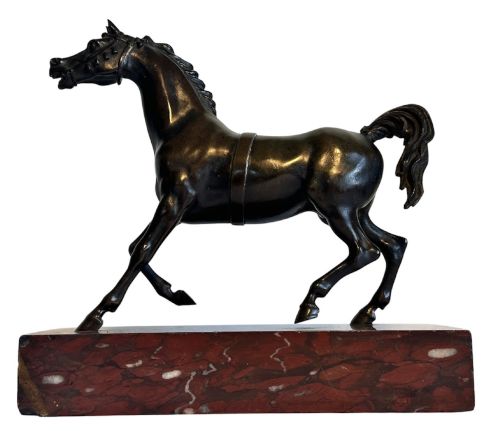
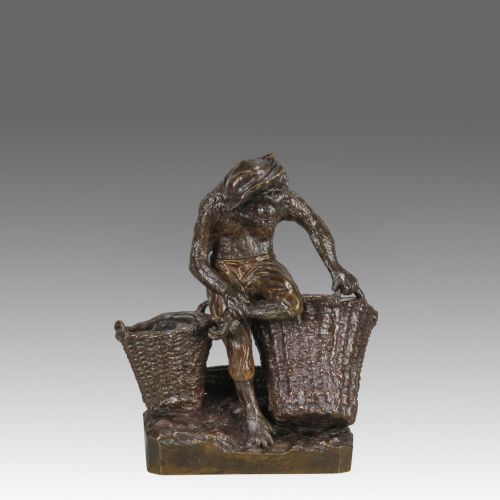
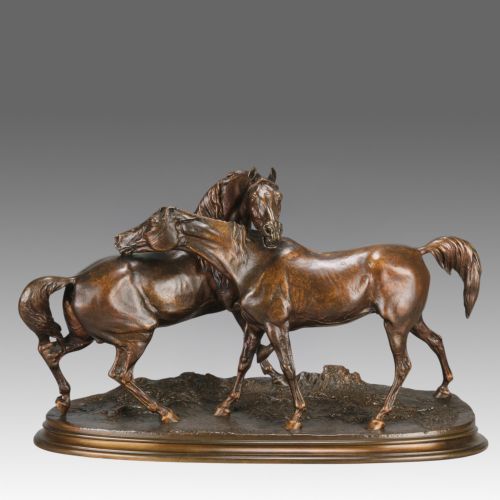
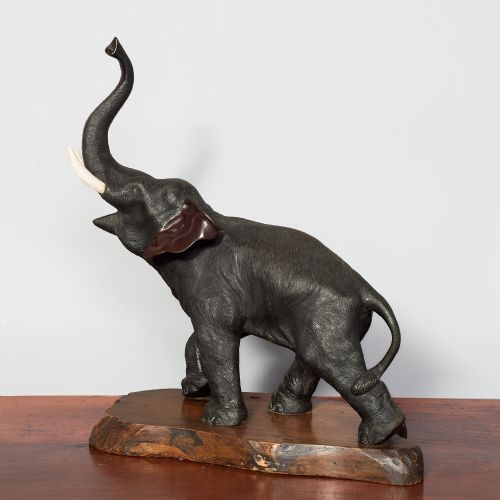
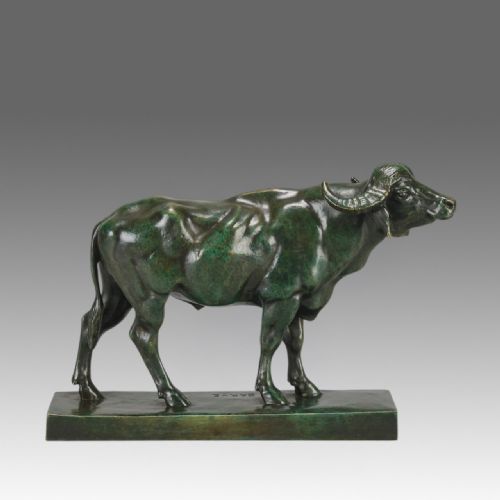
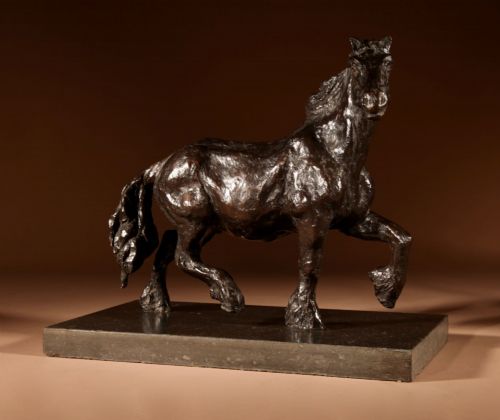
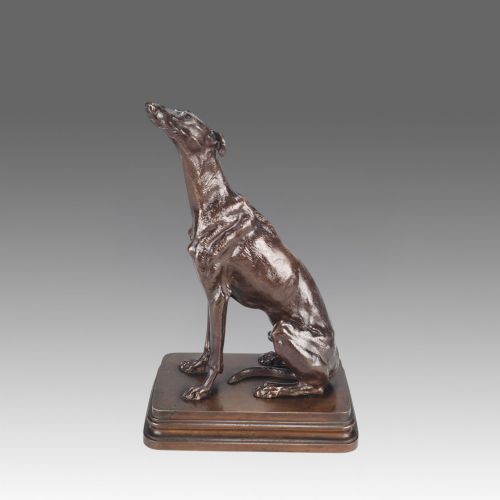
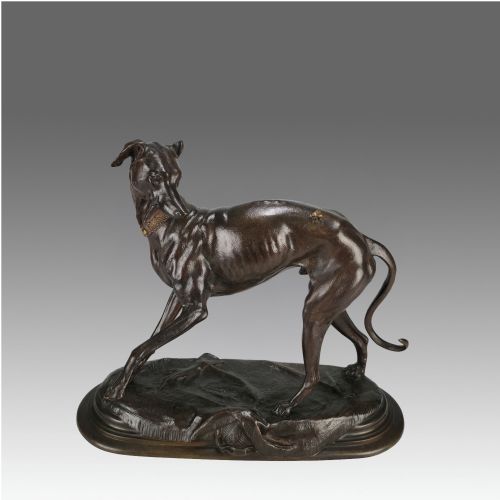
Cast Bronze Animalier Statue
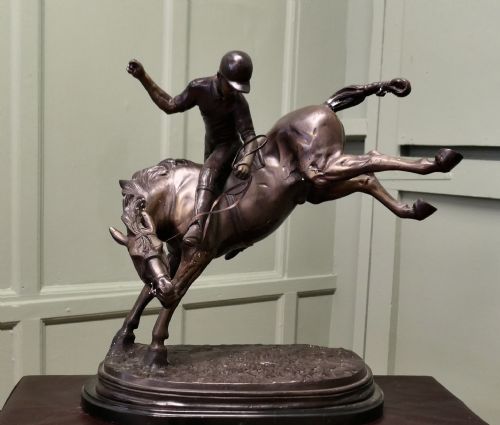
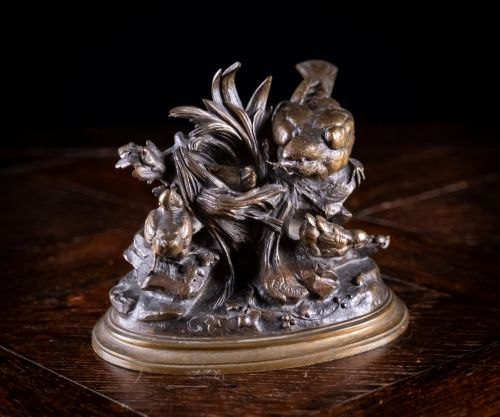
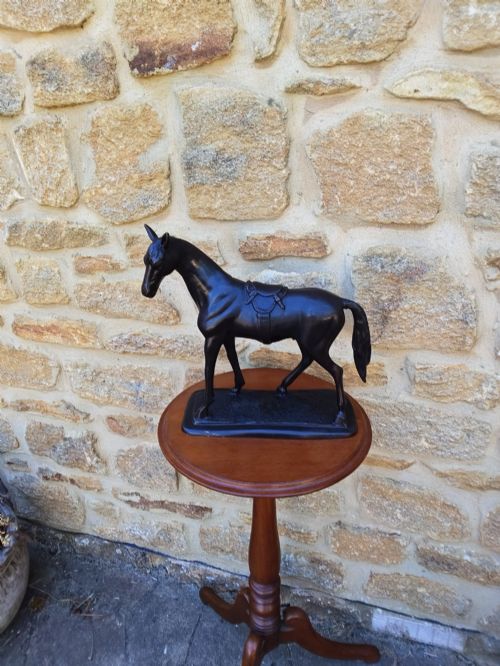
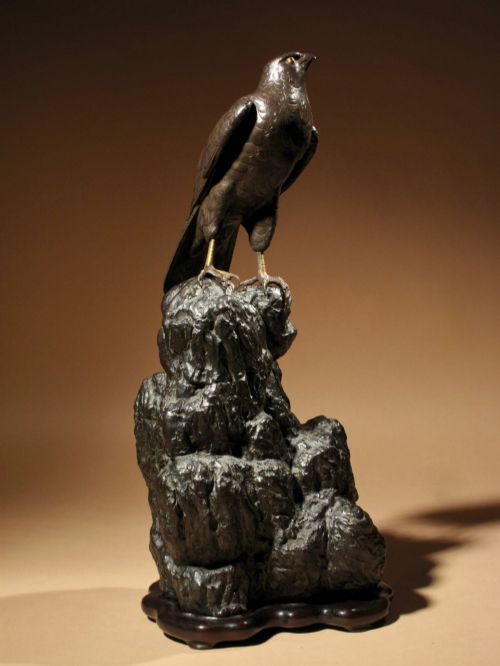
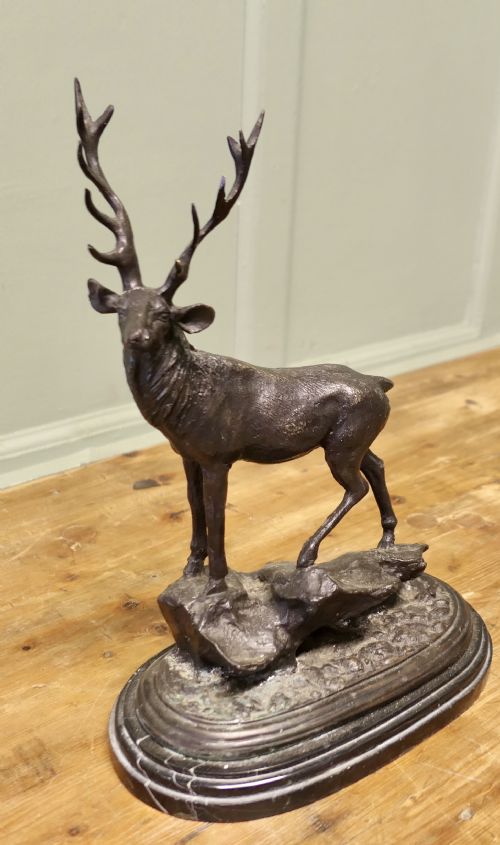
A cast bronze animalier statue captures wildlife and domestic animals with realism, rooted in nineteenth and early twentieth century European workshops.
Cast Bronze Animalier Statue
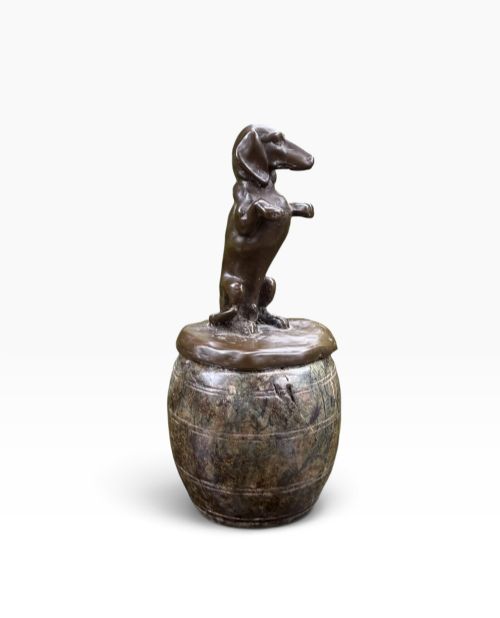
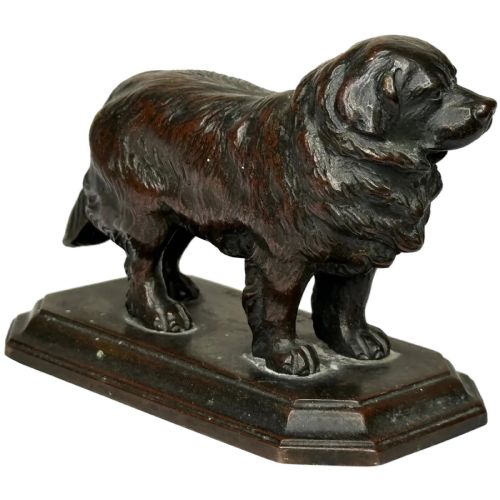
A cast bronze animalier statue depicts subjects ranging from wild stags and chargers to domestic dogs, often mounted on plinths. When you search for a cast bronze animalier statue, you encounter works spanning the nineteenth century, Victorian era, and early twentieth century. French schools dominate the selection, alongside Japanese and Italian examples.
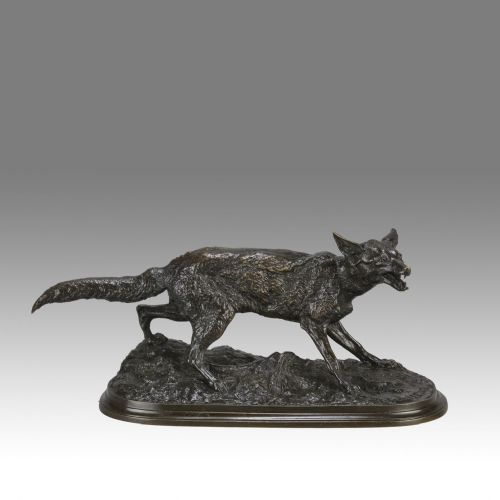
The sculptural forms include aggressive predators, hunting dogs flushing game, and restful studies of birds or livestock. Many pieces originate from foundry traditions in Paris, capturing muscular tension and anatomical precision in animals.
Makers frequently signed these bronzes directly into the metal or onto accompanying stone bases. The scale varies from cabinet paperweights to substantial tabletop sculptures.
How they were made
Foundries utilised the lost-wax casting method to render complex anatomical details and fine fur textures in molten bronze. Skilled artisans then applied chemical patinas, ranging from deep dark tones to warm brown shades, to simulate natural coat variations.
Many heavy sculptures incorporate integral rocky outcrops or are bolted onto shaped marble and stone bases for stability. Select decorative details involve applied elements such as ivory tusks or cold-painted pigments over the metallic surface.
One particularly observant terrier tilts its head permanently toward imaginary prey on a French mantelpiece.
What varies in quality
The distinction between tiers rests upon the crispness of the chasing work performed after casting, which defines muscle definition and facial expression. Superior examples retain fine surface tooling that preserves the artist's original modelling intent without obscuring details beneath heavy patination.
Foundry pedigree and signature placement heavily influence standing, particularly works marked by established bronze houses or renowned sculptors. The choice and fit of the supporting marble plinth also reflect the overall ambition of the piece.
P J Mêne·Christophe Fratin·Antoine L Barye·Alfred Dubucand·Jules Moigniez·Isidore Jules Bonheur·Paul Édouard Delabrierre
The Cast Bronze Animalier Statue Glossary
- Animalier
- A nineteenth-century artistic movement dedicated to the realistic portrayal of animals. Sculptors in this tradition focused heavily on anatomical accuracy and dynamic movement.
- Patina
- The chemical colouration applied to the bronze surface through heat and acid treatments. This finish protects the metal and creates visual depth across the sculpture.
- Cold-painted
- A technique where paint is applied to a cold bronze surface rather than fired in a kiln. This method appears frequently on smaller decorative figures and novelty bronzes.
- Chasing
- The process of hand-tooling a bronze casting after it leaves the mould to remove flaws and sharpen details. Master chasers brought texture to fur, feathers, and background elements.
Cast Bronze Animalier Statue: Frequently Asked Questions
How do I clean a bronze animalier statue?
Dust the surface gently with a soft, dry brush to prevent particulate accumulation within crevices and textured fur areas.
Avoid chemical polishes or water, which can strip the original chemical patina and damage the underlying metal.
Are marble bases original to these bronzes?
Many nineteenth-century sculptures were designed with integrated stone or marble plinths to provide physical balance and aesthetic weight.
Examine the mounting bolts and fit where the bronze meets the stone to determine if the combination is period-correct.
What does a foundry mark indicate?
Foundry stamps confirm the commercial workshop responsible for melting and pouring the metal from the artist's plaster model.
Prominent foundries maintained strict quality control, which often results in sharper casting details and higher desirability.
How do I identify a cast signature?
Authentic signatures usually appear cast directly into the bronze during the initial moulding process rather than scratched on afterward.
Compare the lettering style and placement against documented examples from the same sculptor's known production period.