



Cast Brass Stop
A cast brass stop holds heavy doors with solid weight and character, bringing 19th-century utility and ornamental design directly into your home.
Cast Brass Stop
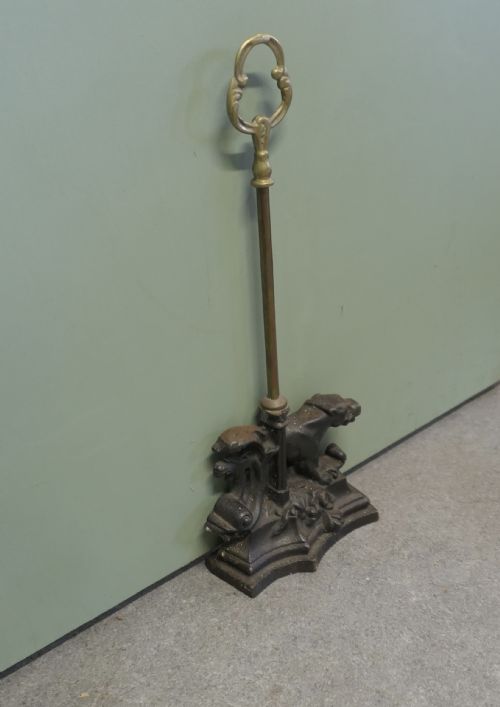
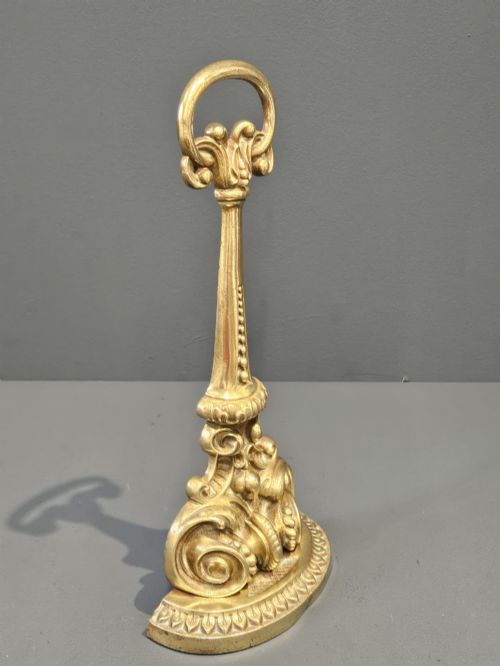
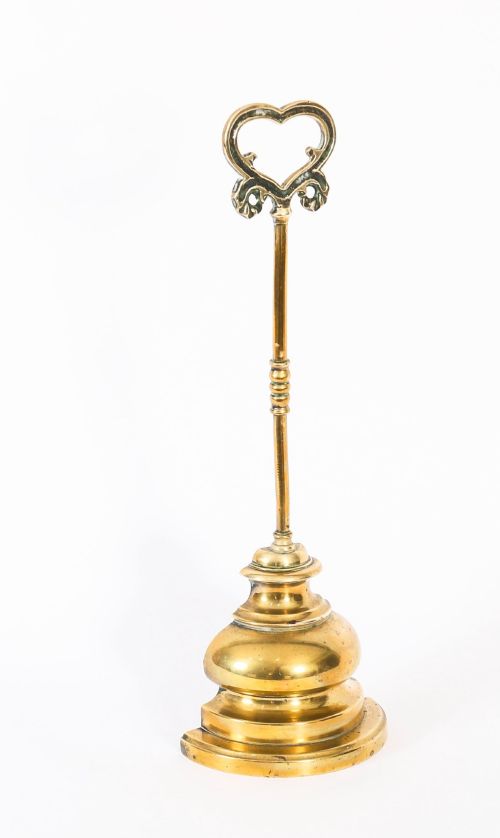
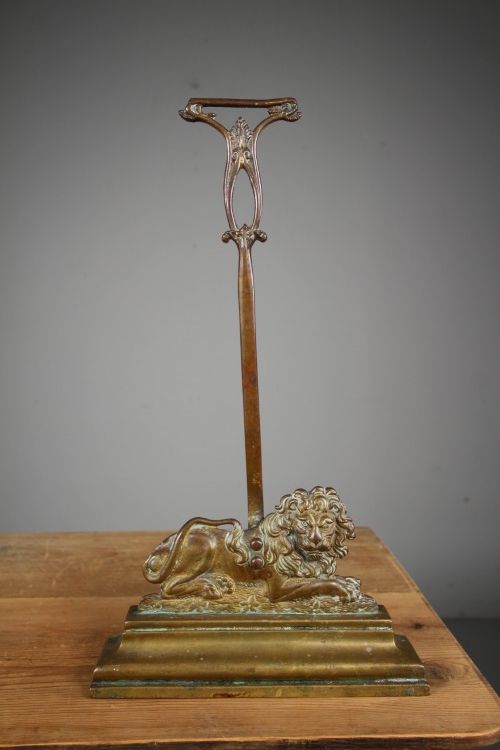
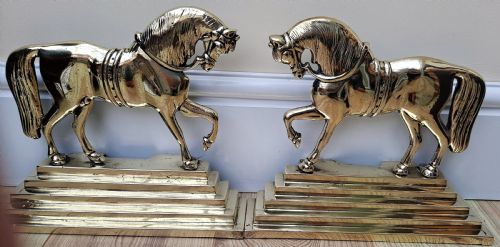
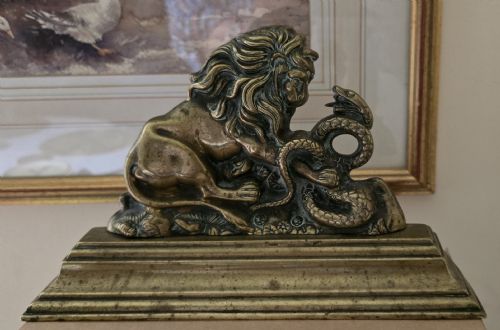
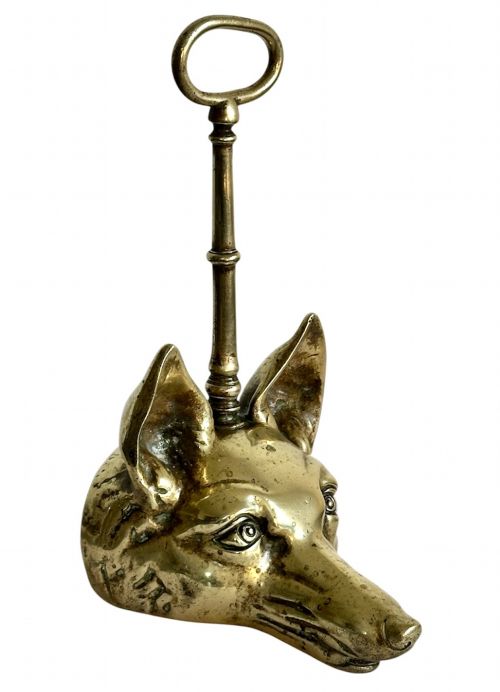
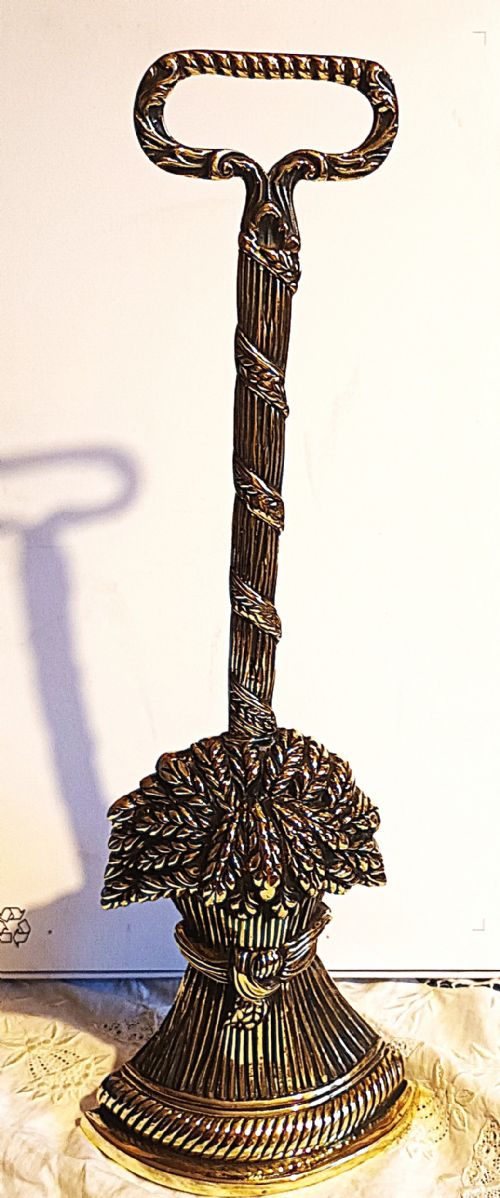
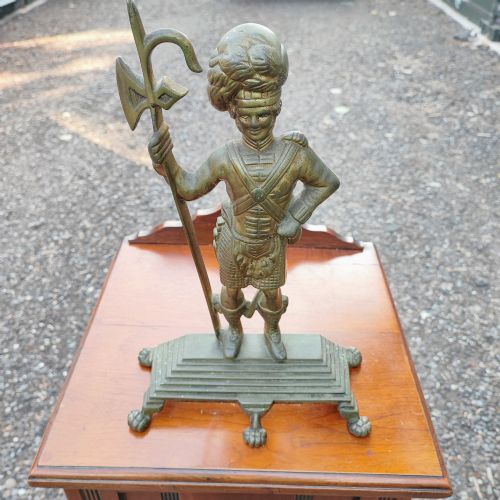
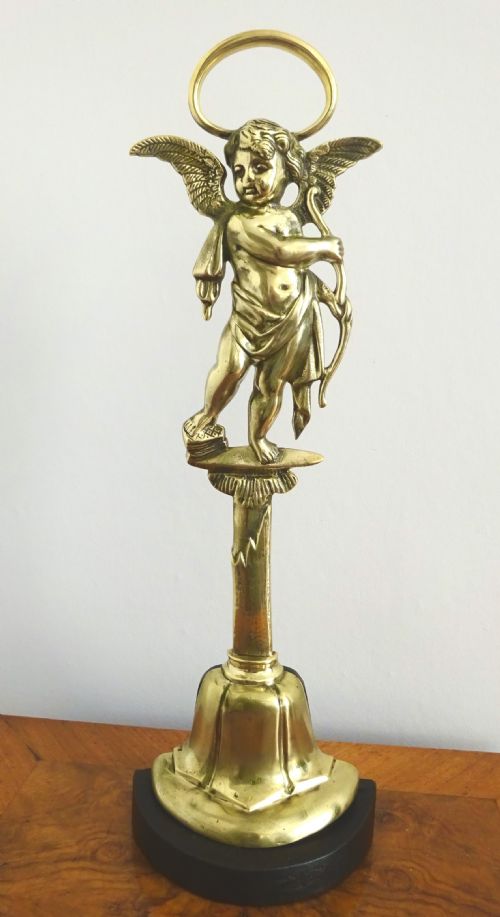
These items take various sculptural and utilitarian forms, ranging from figural representations such as soldiers, lions, horses, and historical figures like Lord Nelson or Mr Punch to simpler architectural designs. Many originate from English workshops of the 19th century, while others reflect maritime themes or Edwardian sensibilities.
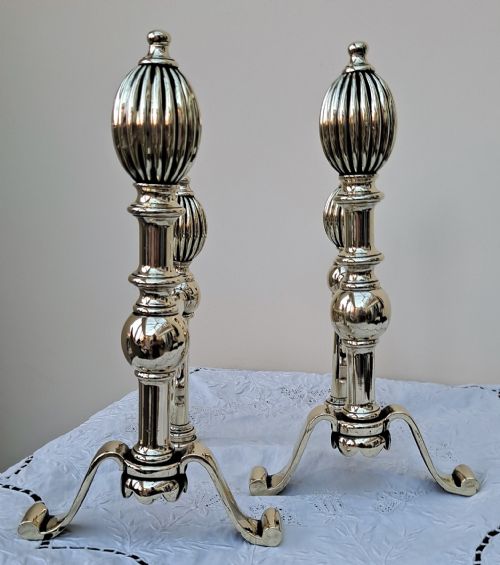
Beyond standard doorstops, related items such as bookends and fireplace accessories occasionally appear within this grouping, sharing the same heavy metal construction. Every piece serves the dual purpose of domestic utility and decorative display, rooted in 19th-century material culture.
What varies in quality
The presence of maker attribution, such as works associated with Tonks, elevates specific pieces above anonymous production. Additionally, the original weight and integrity of the metalwork distinguish standard utility items from more ambitious decorative castings.
Cast Brass Stop Retail Price Guide 2026
Typical asking prices for cast brass stop among the pieces listed under this phrase on Sellingantiques today, from the lower quarter to the upper quarter. They describe what is for sale here now, not the wider market.
Listings feature 19th-century pieces spanning the Georgian, Victorian, and Edwardian periods, constructed primarily in brass, cast iron, and bronze.
Tonks
The Cast Brass Stop Glossary
- Door porter
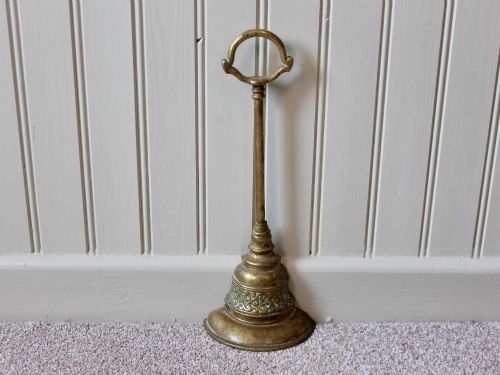
- An alternative term for a heavy doorstop designed to be lifted and moved easily by a handle. These were essential in 19th-century houses for keeping heavy interior doors ajar.
- Cast brass
- An alloy of copper and zinc melted and poured into a mould to set. It provides both the necessary weight and durability for functional door furniture.
- Figural
- Describes an object moulded in the shape of a human, animal, or recognisable character. Common examples in this category include soldiers, lions, and historical figures.
- Patina
- The surface sheen and colour acquired by metal over decades of exposure and handling. A natural patina indicates age and use rather than modern intervention.
Cast Brass Stop: Frequently Asked Questions
What is a cast brass stop?
A cast brass stop is a heavy metal object designed to hold doors open, combining utilitarian weight with decorative figural or architectural design. These pieces were widely produced in the 19th century across English workshops.
They frequently take the form of animals, historical figures, or soldiers, serving both a practical domestic function and as ornamental items within a room.
How were door porters used?
Door porters were kept on the floor to prevent heavy interior doors from swinging shut in draughty hallways and rooms. Their substantial weight ensured they stayed firmly in place against strong air currents.
Unlike smaller wedge stops, porters often featured an integrated handle at the top, allowing residents to pick them up and move them without bending down fully.
How do I date a brass stop?
Dating these pieces relies on stylistic markers from periods such as the Georgian, Regency, and Victorian eras. Figural subjects, costume details, and casting techniques offer key clues to their origin.
Victorian and late 19th-century examples often display specific character depictions or maker marks, whereas earlier Georgian pieces tend towards distinct neoclassical or simpler forms.