


Cast Brass Stand
A cast brass stand brings solid weight and warm metal tones to a room, serving practical needs from holding umbrellas to supporting reading materials.
Cast Brass Stand
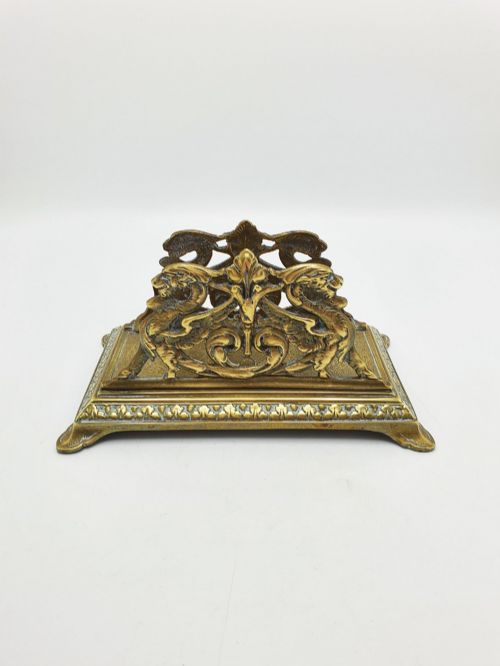
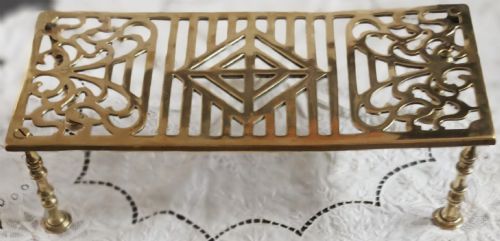
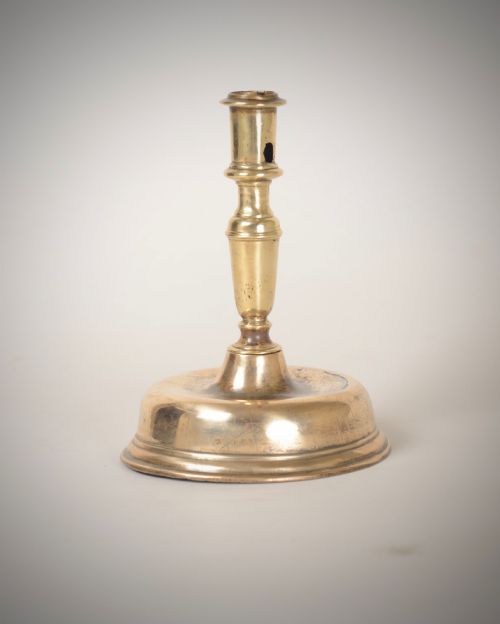
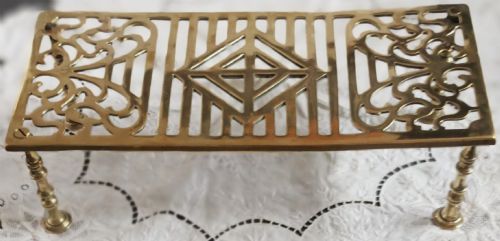
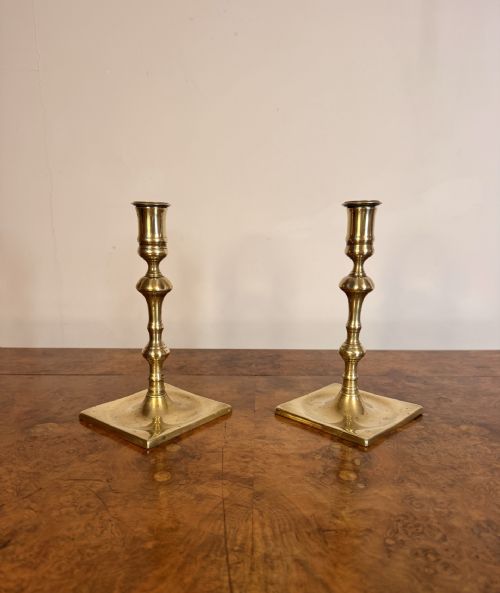
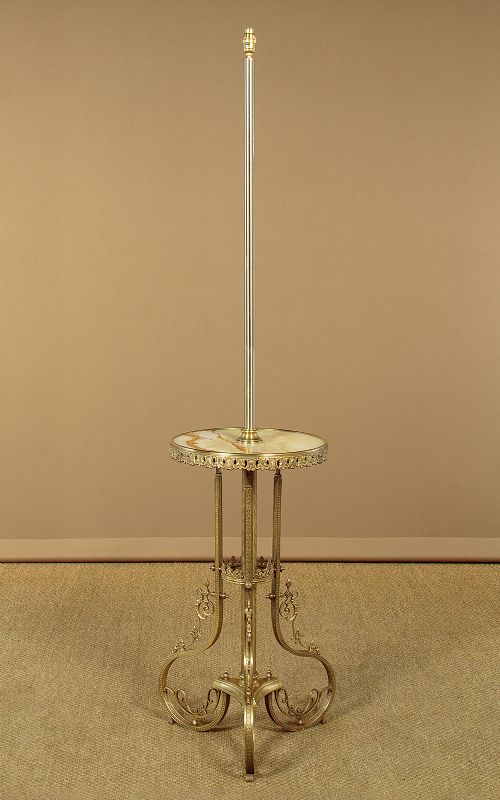
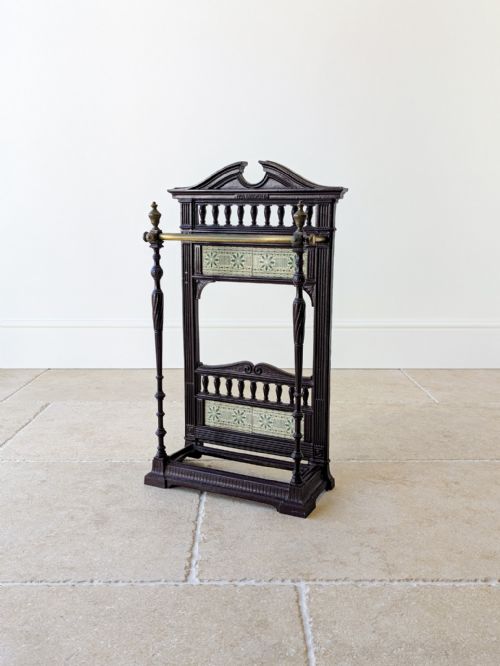
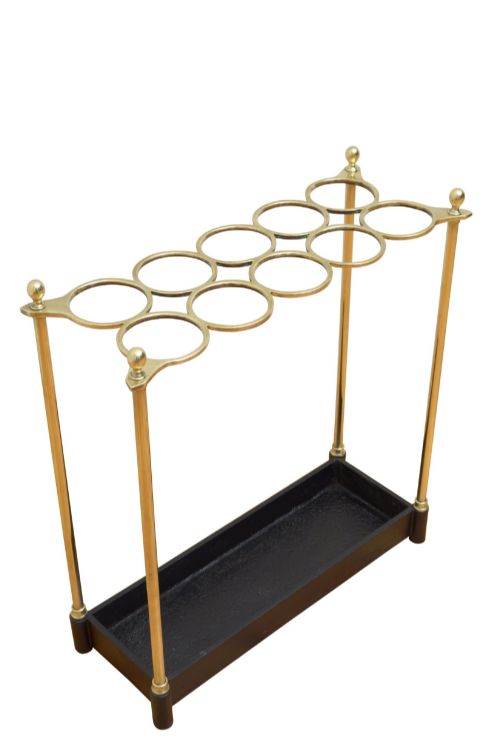
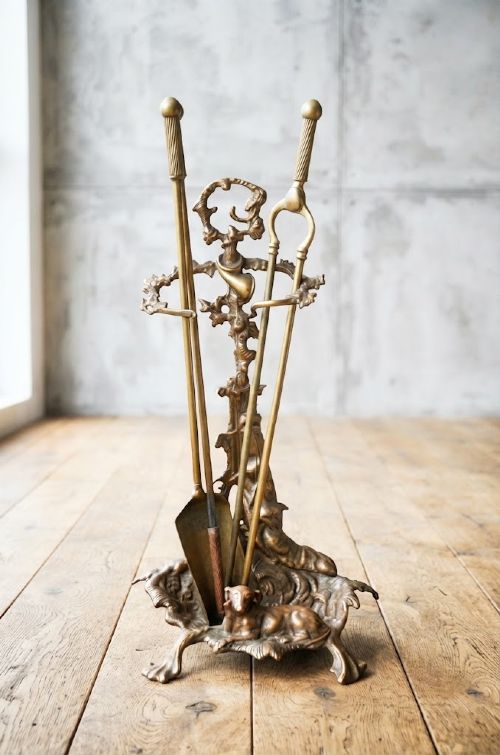
A cast brass stand encompasses a diverse group of heavy domestic furnishings designed to hold items upright or display objects, appearing most frequently in forms intended for umbrellas, sticks, candles, and reading materials.
The pieces on this page span several centuries, with Victorian and Edwardian examples sitting alongside earlier Georgian items, showing how domestic metalwork evolved from functional hearth and table items to substantial hallway furniture.
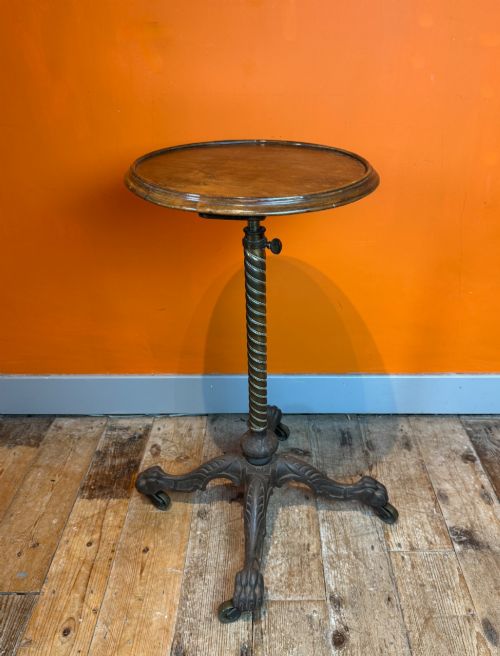
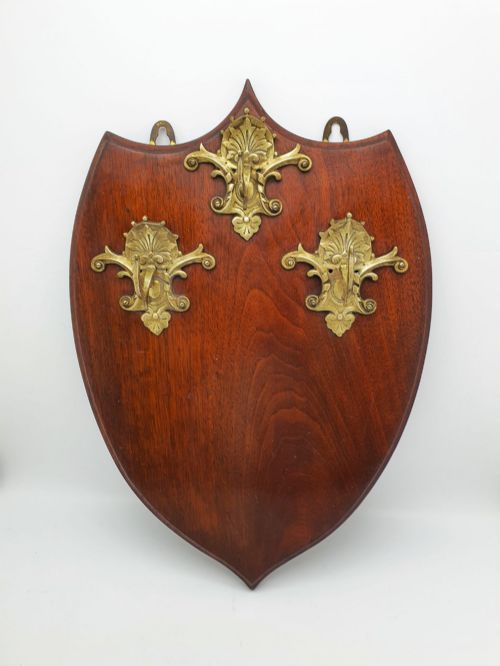
Buyers seeking a cast brass stand will encounter objects paired with cast iron bases or mahogany frames, reflecting how makers combined heavy metals with wood and secondary metals to ensure stability.
How they were made
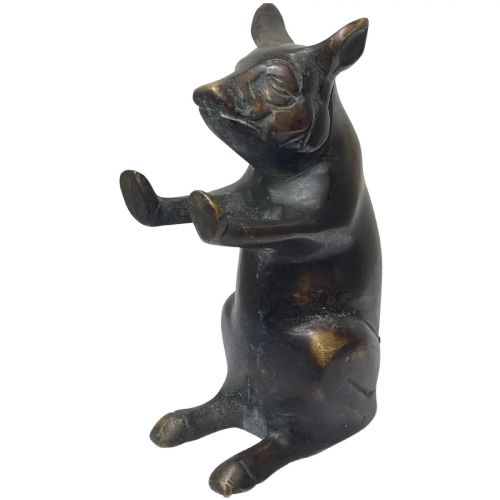
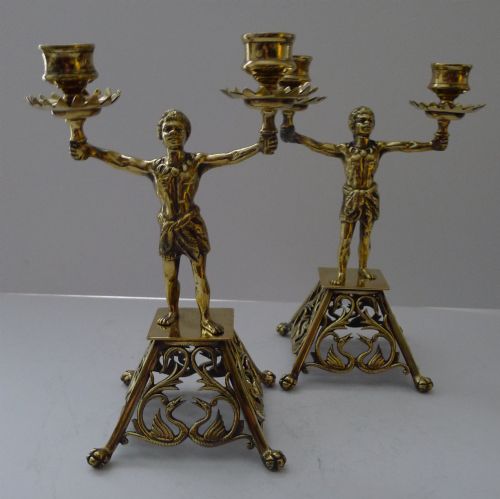
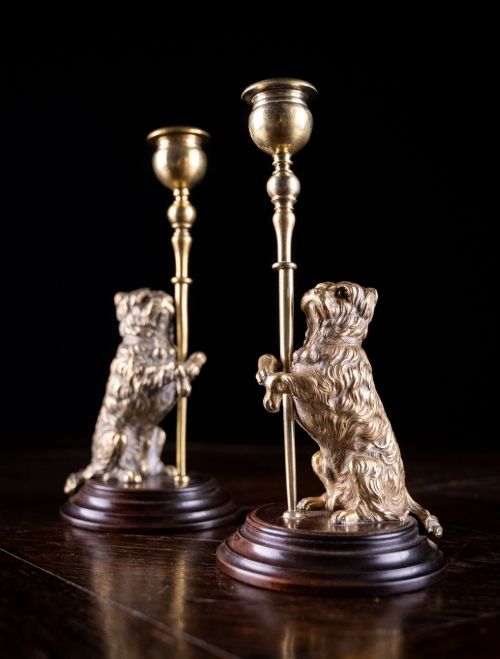
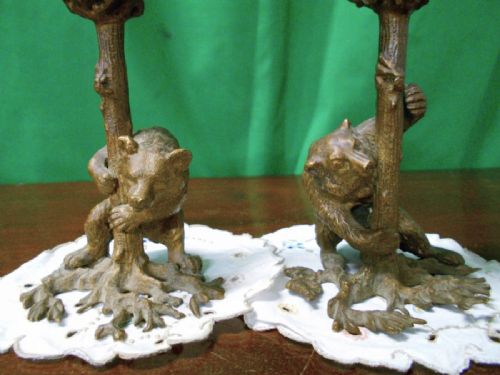
The primary construction relies on molten brass poured into sand or metal moulds, a technique that allows for crisp decorative details like ball finials, foliate scrolls, and figural elements.
Many larger hallway and umbrella pieces combine cast brass components with heavy cast iron frames or bases to provide the structural mass required to support wet umbrellas and walking sticks without tipping.
Makers finished the cast surfaces through filing, turning on lathes, and patination, occasionally incorporating secondary materials such as steel rods or wooden trays to complete the functional design.
Cast Brass Stand Retail Price Guide 2026
Typical asking prices for cast brass stand among the pieces listed under this phrase on Sellingantiques today, from the lower quarter to the upper quarter. They describe what is for sale here now, not the wider market.
Listings feature items spanning the 18th, 19th, and early 20th centuries, utilising brass, cast iron, and mahogany.
What varies in quality
The structural integrity of the joints and the original weight of the metal determine durability, as thicker gauge brass and robust assembly methods withstand centuries of daily use.
Coalbrookdale·Thomas Jeckyll·J.T. & Co
The Cast Brass Stand Glossary
- Cast brass
- Molten alloy poured into a mould rather than beaten from sheet metal. This method creates thick, three-dimensional forms with high detail.
- Patination
- The natural surface colour and oxidation developed over decades or centuries of handling and exposure. It adds depth to the metal.
- Campana sconce
- An upturned, bell-shaped candle socket found on candlesticks and floor lamps. The shape derives from classical architecture.
- Demi-lune
- Half-moon shape used for wall-mounted or hallway furniture. It allows items to sit flush against a vertical surface.
- Andiron
- A horizontal metal support raised on legs, used in pairs to hold logs in a fireplace. They often feature decorative brass fronts.
Cast Brass Stand: Frequently Asked Questions
How do I clean a cast brass stand?
Dust the surface regularly with a soft, dry cloth to prevent dirt accumulation. Avoid harsh chemical polishes that strip away historical patination and age.
For stubborn grime, use mild soap and warm water on a damp cloth, drying the metal thoroughly afterwards to prevent water spots.
Can I use an antique umbrella stand daily?
These items were built for robust everyday use in Victorian and Edwardian hallways. Solid metal construction ensures they handle damp items and walking sticks reliably.
Place a modern drip tray inside the base if the original liner is missing to protect floors from moisture.
How do I date an older brass piece?
Examine the construction marks, casting seams, and fastener types used in the assembly. Georgian items often display different surface textures compared to later Victorian production.
Stylistic cues such as Aesthetic Movement motifs or Gothic Revival shapes also point to specific nineteenth-century decades.
What is the difference between cast brass and sheet brass?
Cast brass is poured into moulds while liquid, resulting in thick, heavy walls with sculptural depth and high detail. Sheet brass is rolled flat and worked into shape.
Stands and heavy floor pieces utilise casting to provide the necessary weight and structural rigidity.