
Cast Brass Hearth
A cast brass hearth brings warmth and architectural character to a room, uniting functional metalwork with period decorative arts.
Cast Brass Hearth
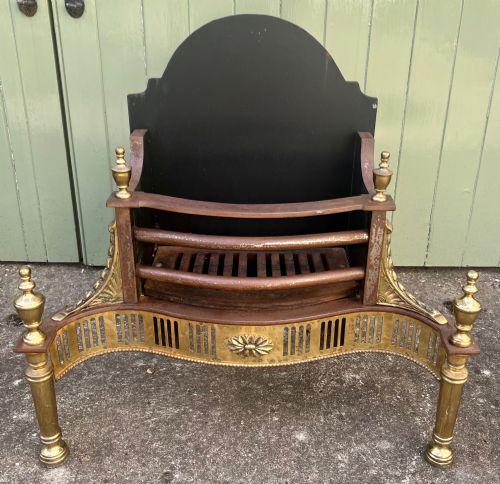
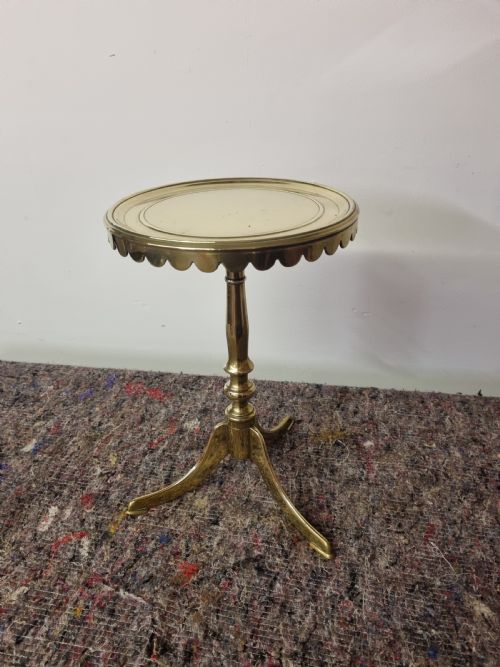
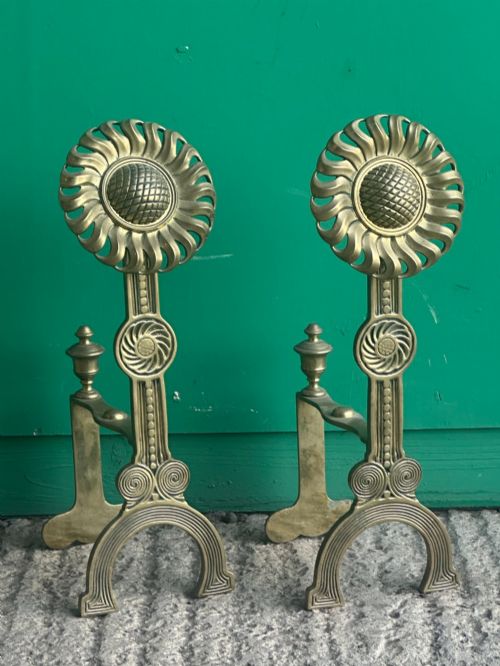
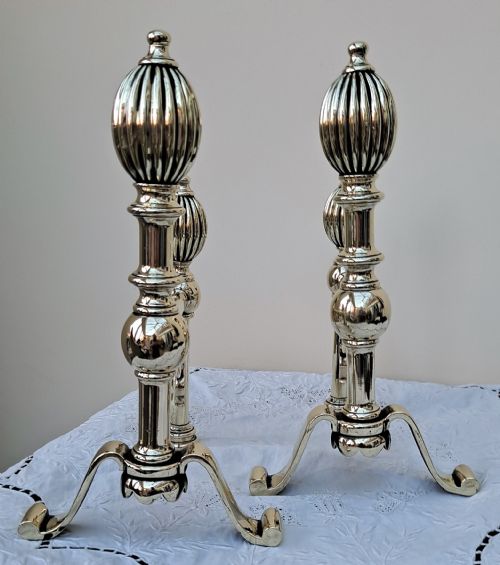
A cast brass hearth encompasses a range of metal fireplace furnishings designed to organise and elevate the open fire space. Buyers seeking a cast brass hearth encounter items spanning the Victorian, Edwardian, and Georgian eras, alongside later revivals.
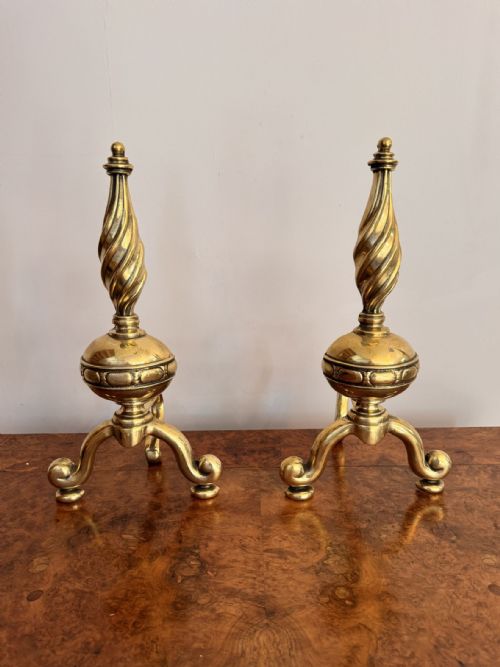
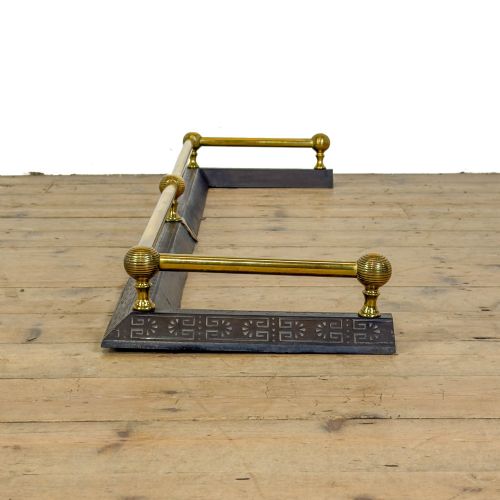
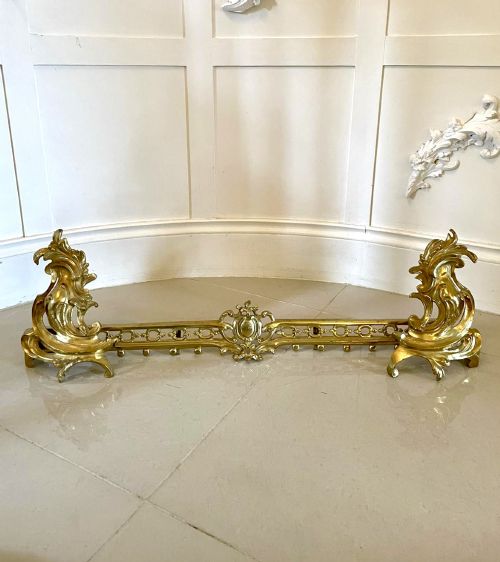
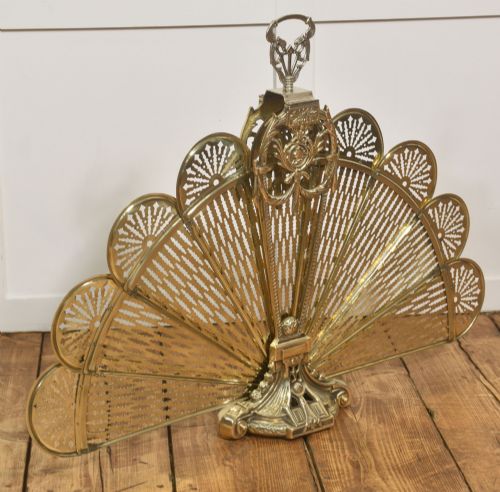
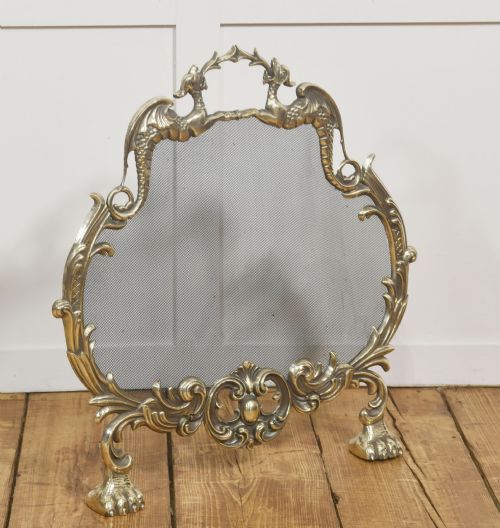
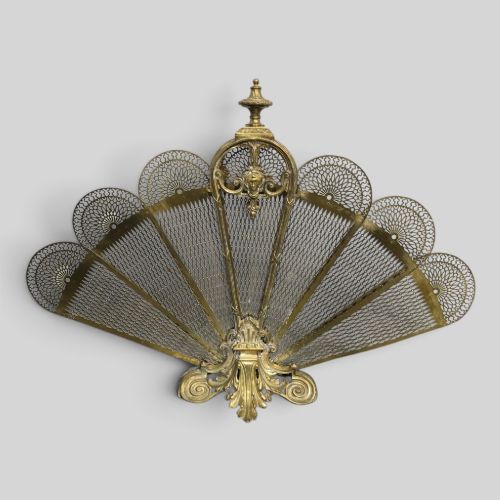
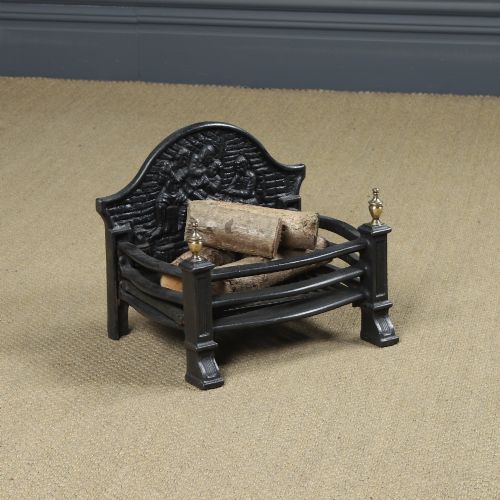
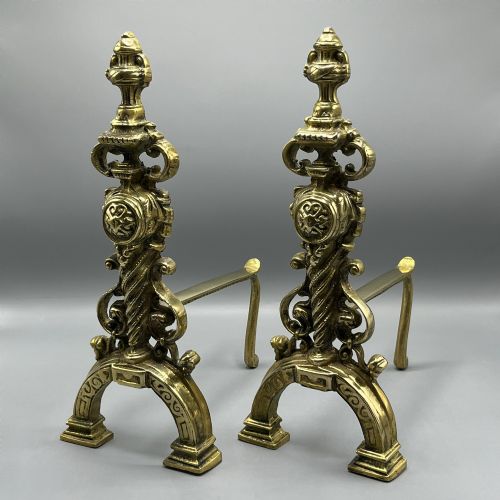
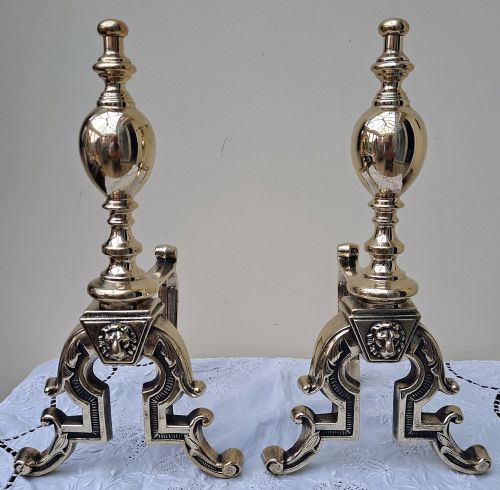
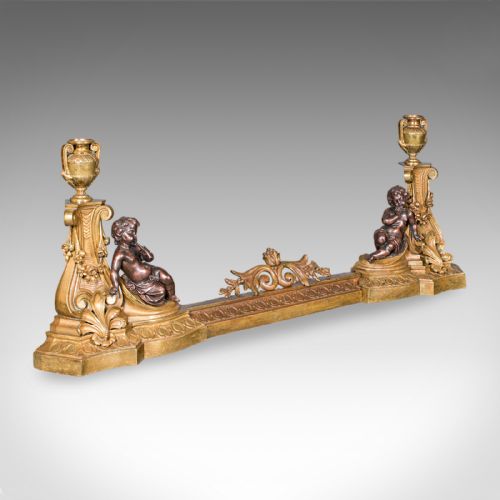
The most common forms on this page include extending and adjustable fire fenders, decorative fire screens such as the folding peacock fan, and heavy andirons or fire dogs designed to support logs within the grate.
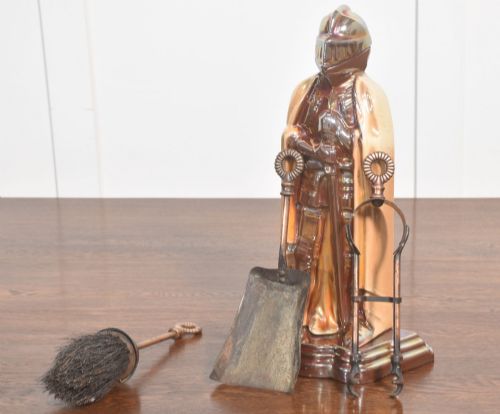
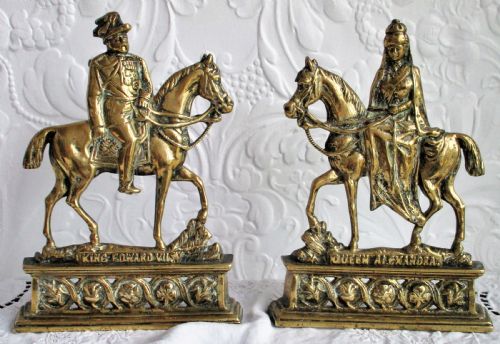
Accessories extend beyond the immediate fire enclosure to include companion sets, trivets, doorstops, and miniature salesman samples that reflect full-scale domestic metalwork in miniature.
Materials and construction
Items rely heavily on brass, cast brass, and cast iron, frequently combined with steel, bronze, and wire mesh within a single piece to balance ornamental fronts with structural strength.
Foundries utilised traditional sand-casting techniques to shape molten brass and iron into ornate Rococo, Gothic Revival, and Adam style motifs before hand-finishing and chasing the metal surfaces.
Listings feature periods spanning Georgian, Victorian, and Edwardian eras, alongside Rococo Revival, Gothic Revival, and Adam style designs.
Quality variations
Quality rests in the crispness of the cast ornamentation and the weight of the metal utilised in the construction. Pieces with deeply chased foliage, well-articulated figures, and substantial gauge brass or iron sit firmly at the top of the range.
Refined proportions and harmonious pairing, particularly in matching sets of andirons or fire dogs, separate standard production items from exceptional commissions.
William Tonks·Thomas Jeckyll
The Cast Brass Hearth Glossary
- Andirons
- Supports for logs in an open fireplace, consisting of a horizontal bar with a vertical pillar at the front. These are often decorative and paired with matching fire dogs.
- Fire Fender
- A low metal kerb placed around the hearth to contain ash and embers. Many Victorian examples feature adjustable sliding mechanisms.
- Fire Screen
- A movable screen placed in front of the fireplace to block radiant heat when the fire is unlit. Folding fan designs emulate the shape of a peacock tail.
- Trivet
- A small three-legged stand used beside the hearth to support a kettle or heating vessel. These often incorporate cast brass tops.
- Companion Set
- A matching collection of fireside tools, typically including tongs, a poker, and a shovel, housed on a shared stand.
Cast Brass Hearth: Frequently Asked Questions
How do I measure for a fender?
Measure the width and depth of your fireplace opening and hearth stone to ensure the kerb sits securely around the perimeter.
Many Victorian fenders feature adjustable sliding sections to accommodate varying hearth dimensions.
What is the purpose of andirons?
Andirons elevate firewood above the floor of the grate to allow air to circulate beneath the logs for a cleaner burn.
Their decorative front pillars also anchor the aesthetic design of the fireplace arrangement.
How do I clean cast brass?
Dust the surface regularly with a soft dry cloth to prevent the accumulation of soot and grime.
Avoid harsh chemical abrasive cleaners that strip historic patination from cast and chased brass surfaces.
Are fire screens functional?
Historical fire screens were designed to shield the complexion from excessive radiant heat when sitting close to an open hearth.
Today they serve primarily as decorative architectural elements that conceal an empty grate during warmer months.