

Cased Sterling Cutlery
Cased sterling cutlery brings together matched silverware and fitted presentation boxes, offering complete sets ready for dining or gifting.
Cased Sterling Cutlery
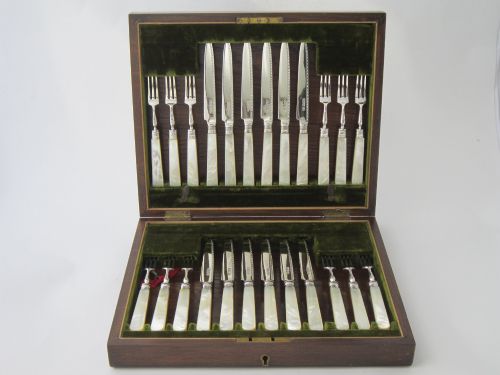
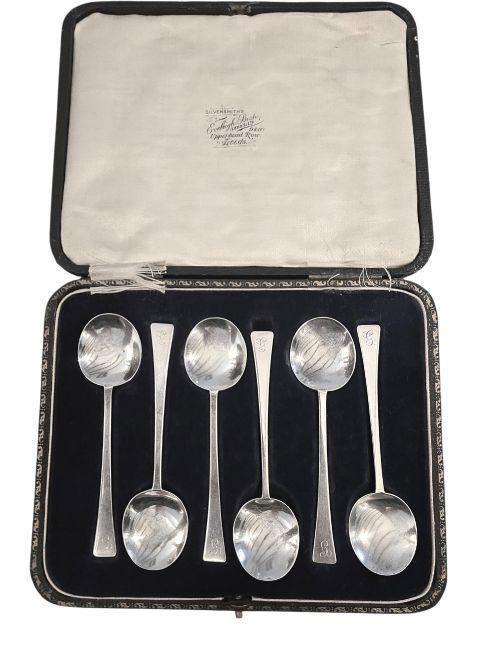
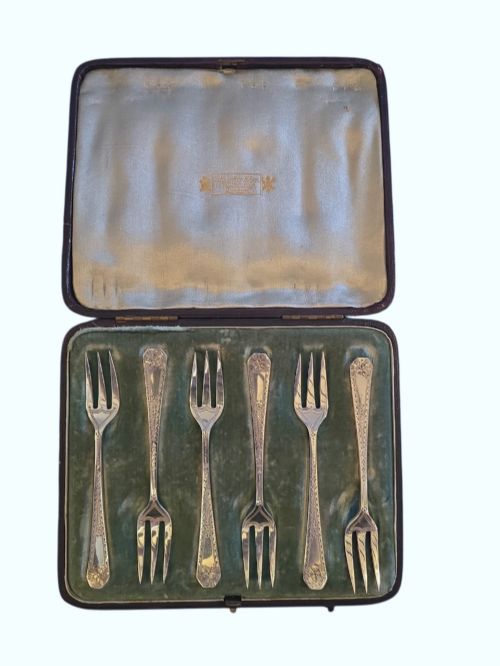
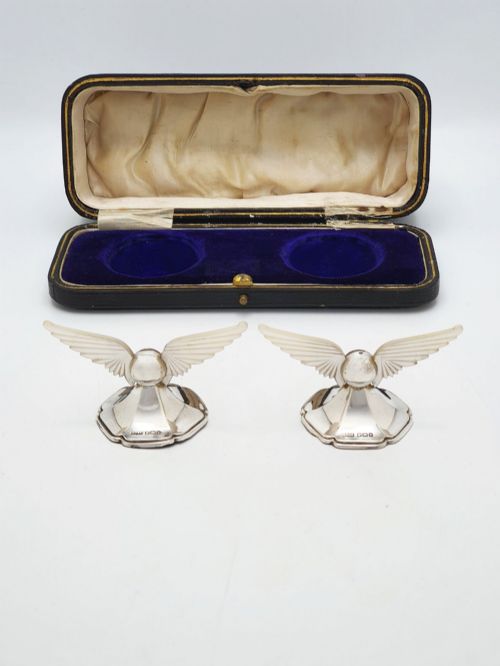
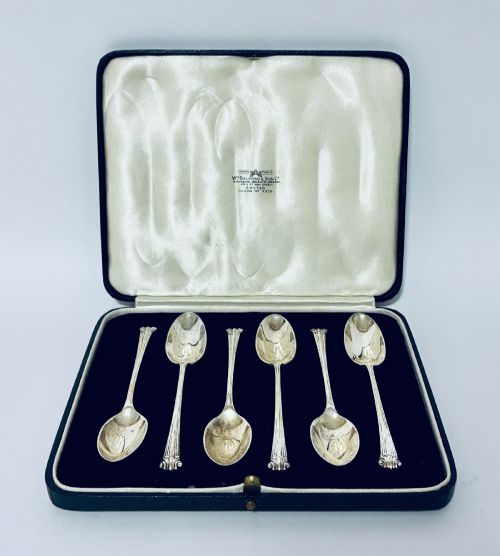
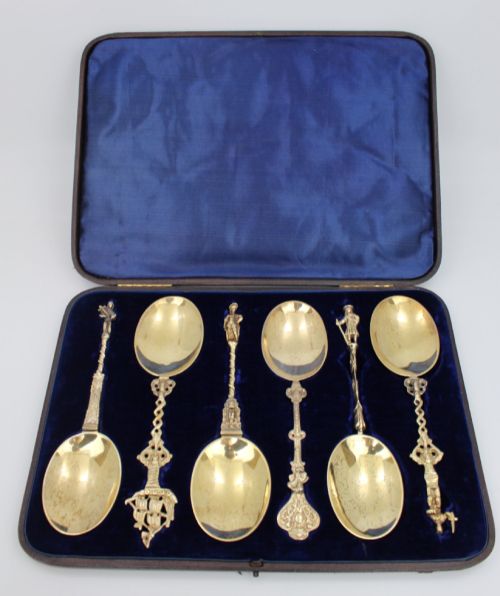
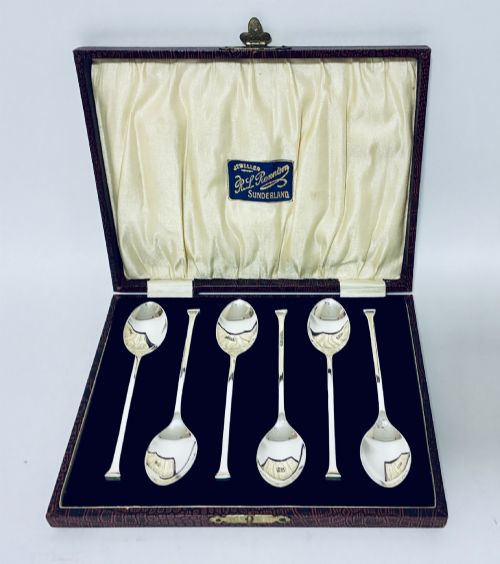
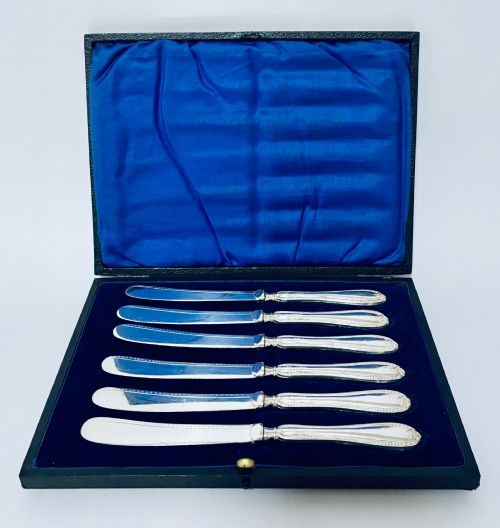
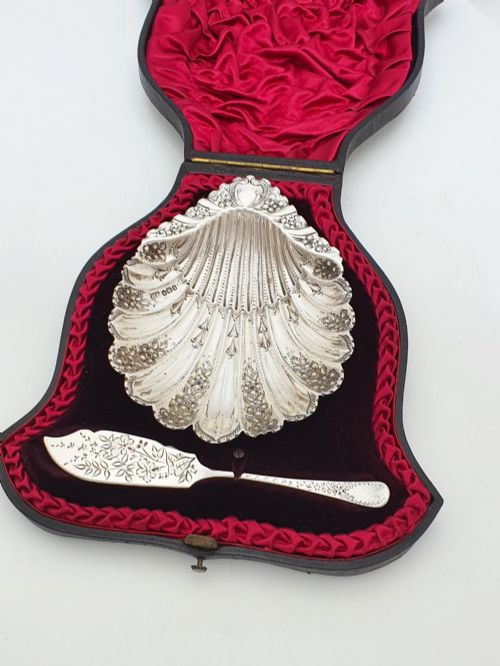
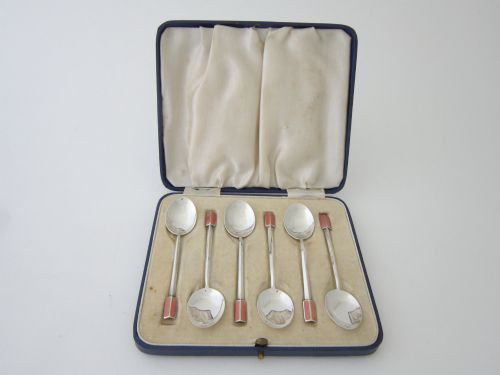
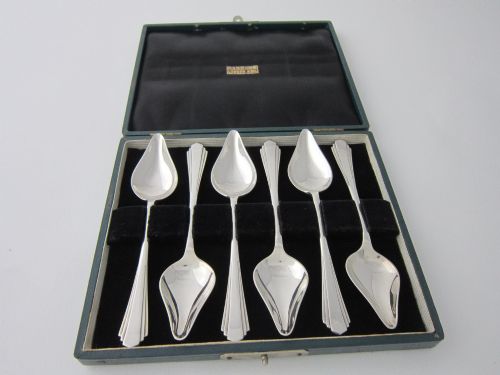
Cased sterling cutlery spans from the Georgian period through to the mid-twentieth century, encompassing specialist pieces and larger table services. You encounter matching sets of teaspoons, butter knives, christening sets, and serving items housed in fitted containers.
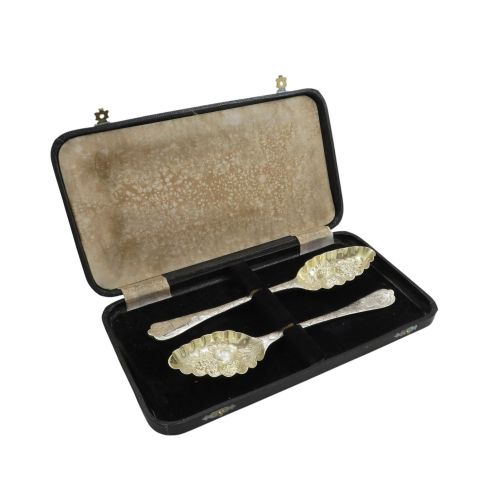
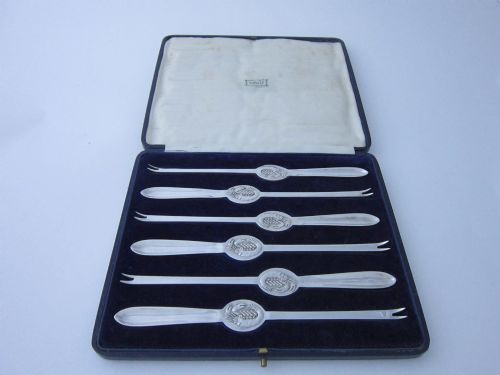
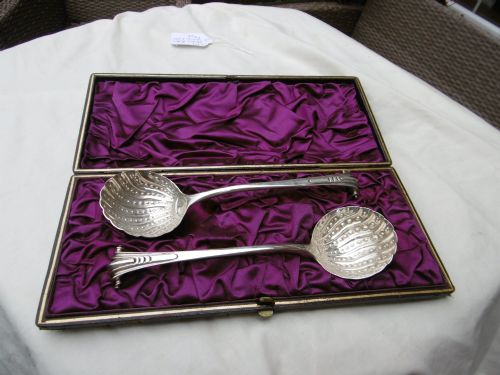
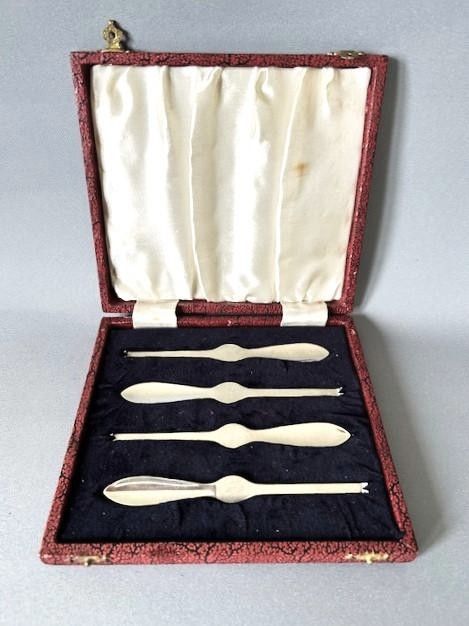
The assortment includes specific dining implements such as grape shears, fish servers, lobster picks, and berry spoons. Many sets reflect distinct design movements like Art Deco, Art Nouveau, and Edwardian styles.
These items were originally purchased for important occasions or daily dining, preserved within their original fitted boxes. The selection reflects domestic dining habits across Victorian, Edwardian, and later reigns.
Materials and Construction
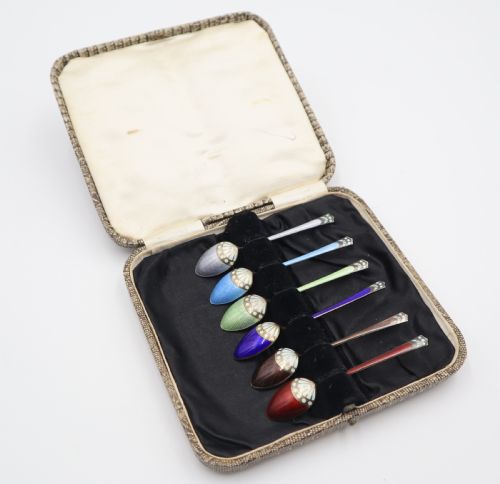
Items are principally formed from sterling silver, occasionally accented with silver-gilt, enamel, or fitted with mother of pearl handles. Metalwork techniques involve casting, engraving, and piercing to achieve decorative bowls and blades.
The protective containers are constructed from wood or rigid card, lined internally with velvet, satin, or silk, and covered externally with leather or leatherette. Fitted interiors ensure each fork, spoon, or knife rests securely in an individual recess.
Cased Sterling Cutlery Retail Price Guide 2026
Typical asking prices for cased sterling cutlery among the pieces listed under this phrase on Sellingantiques today, from the lower quarter to the upper quarter. They describe what is for sale here now, not the wider market.
Victorian dining required specialised implements for every delicacy, resulting in dedicated silver tools for fruit, fish, berries, and seafood.
Assessing Quality
Quality rests upon the crispness of the original chasing and engraving on the silver, alongside the structural integrity of the fitted case. Pieces that retain deep, sharp detailing on handles and bowls demonstrate superior initial craftsmanship.
The relationship between the silver implements and their housing matters; a well-preserved case with intact internal fabric lining and functioning hinges protects the contents and maintains the integrity of the set.
William Fearn·Deakin & Francis·Henry Wilkinson·Garrard·Suckling Ltd.·William Devenport·John Locker·P A W Bateman
The Cased Sterling Cutlery Glossary
- Sterling silver
- A silver alloy containing 92.5 percent pure silver and 7.5 percent other metals, usually copper, ensuring durability for tableware.
- Silver-gilt
- Sterling silver that has been coated with a thin layer of gold on the surface, sometimes called vermeil.
- Leatherette
- A synthetic material manufactured to imitate leather, commonly used for the exterior covering of presentation cases.
- Seal top spoon
- An early spoon form featuring a solid, flat-topped terminal shaped like a seal or signet.
Cased Sterling Cutlery: Frequently Asked Questions
What is cased sterling cutlery?
Cased sterling cutlery comprises sets of silver dining implements supplied with a dedicated, fitted storage box. These collections range from small christening gifts to large dessert or fish services.
Each box is lined with materials such as velvet or satin to protect the silver from tarnishing and physical damage when not in use.
How do I date these sets?
Dating relies heavily upon the hallmarker's marks stamped directly onto the sterling silver components. These assay marks indicate the year of testing, the city of origin, and the silversmith.
The style of the case and the decorative motifs on the handles, such as Art Nouveau curves or Art Deco lines, also provide clues to the period.
Were these sets used daily?
Many cased sets were intended for special occasions, formal dining, or given as presentation pieces for weddings and christenings. Consequently, a large proportion survived in excellent condition.
Specialist items like grape shears or lobster picks saw more restricted use at the dining table, preserving their intricate metalwork.
How should I care for cased silver?
Keep the silver dry and store it within its original fitted case to minimise exposure to atmospheric sulfur that causes tarnishing. Use a soft cloth specifically designed for silver cleaning when maintenance is necessary.
Avoid abrasive cleaners that remove the fine engraving and details on the surface of the metal.