

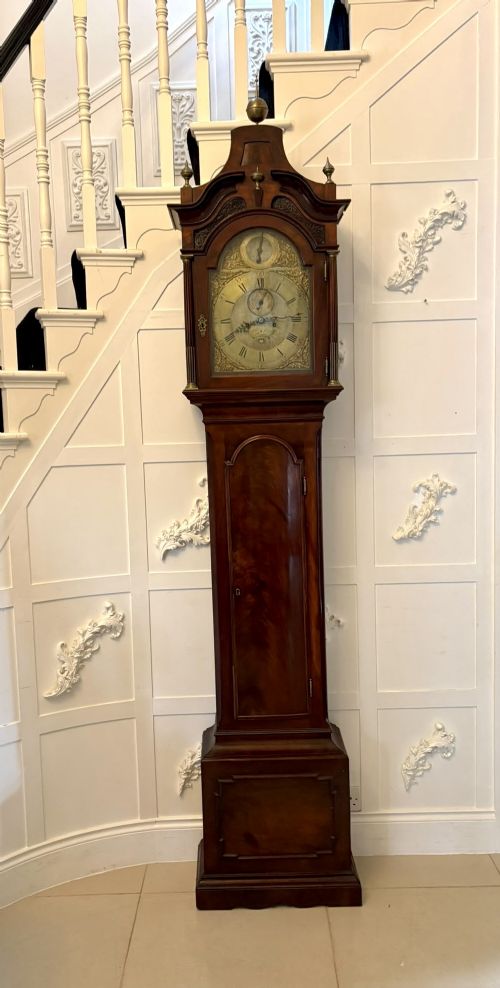
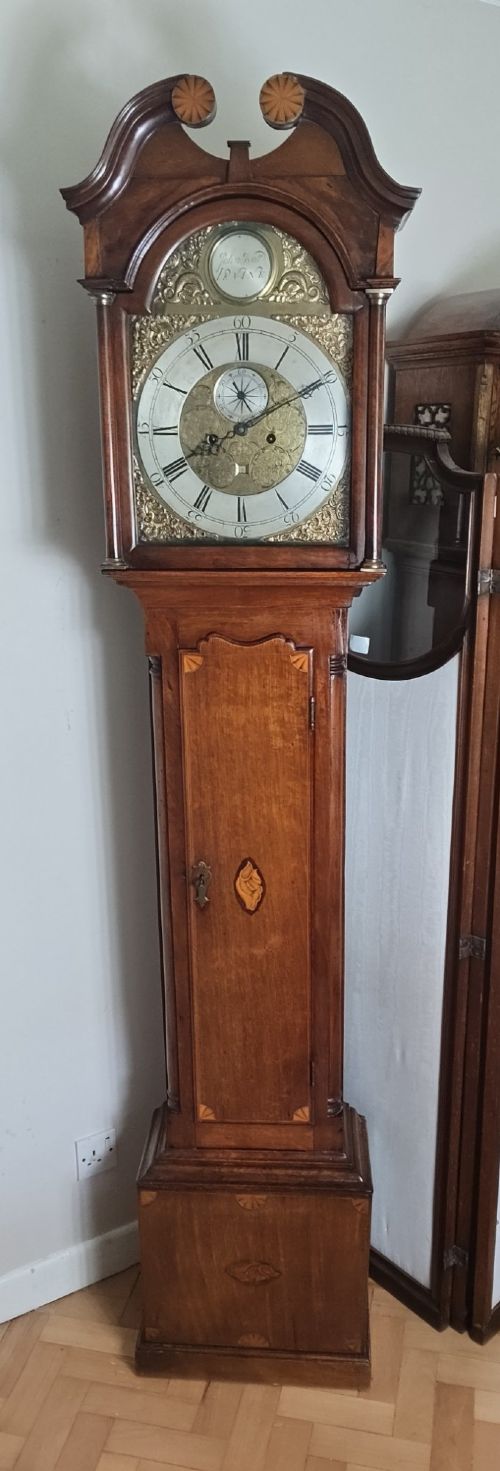
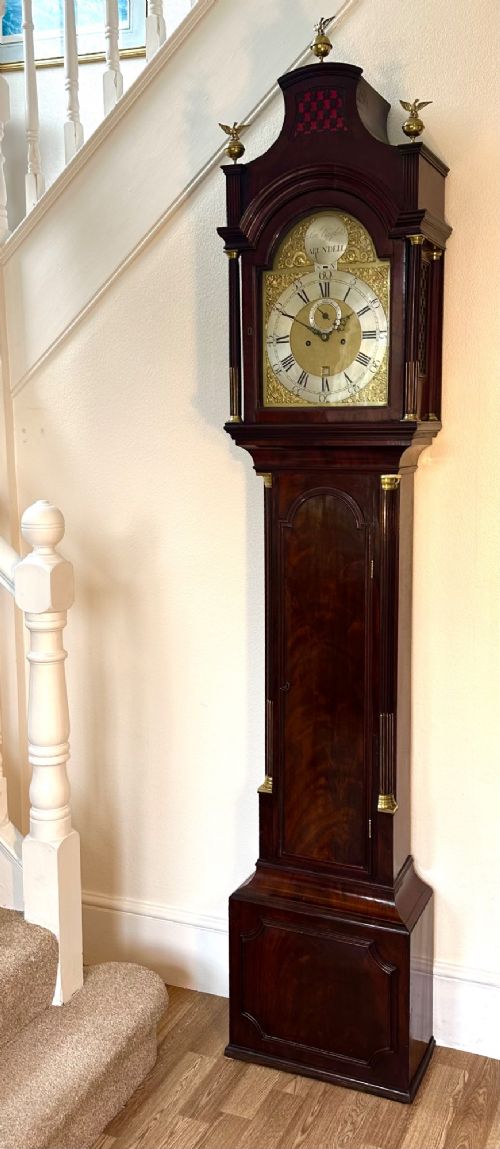
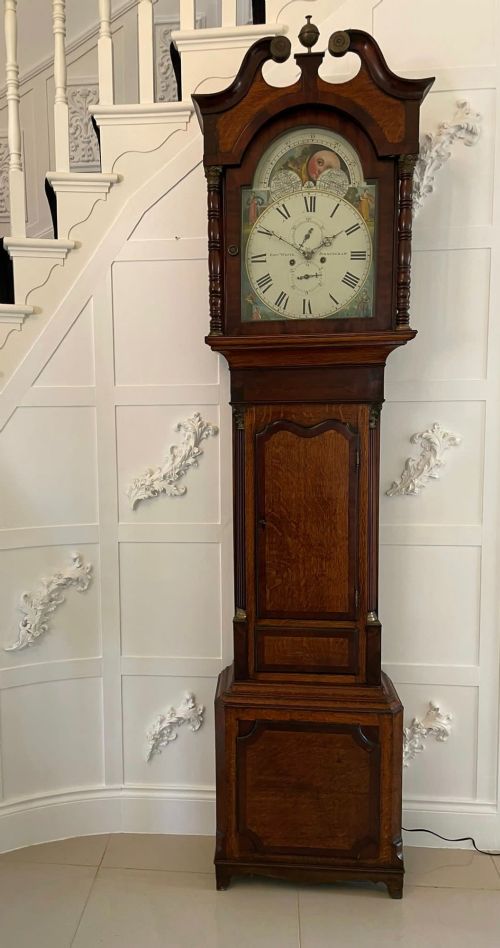
Cased Pendulum Clock
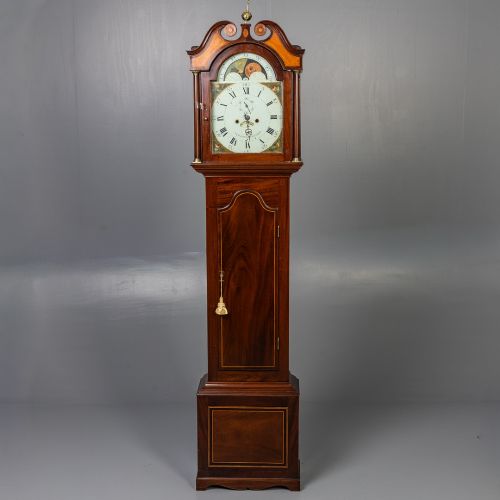
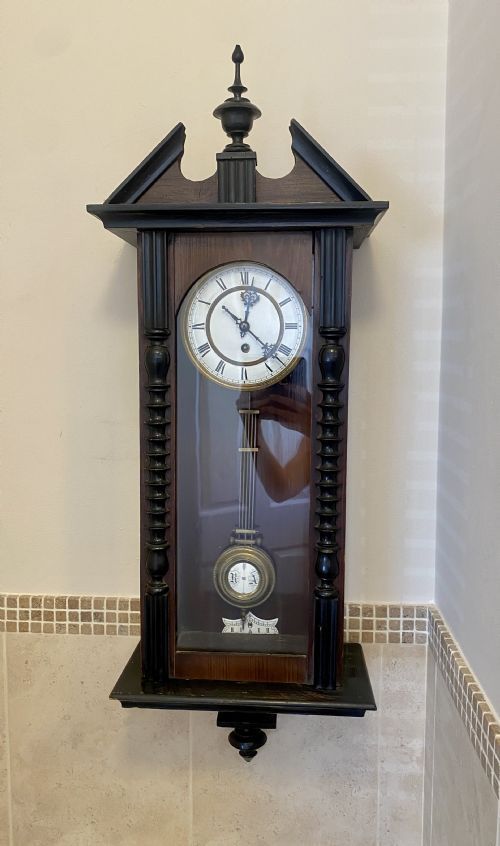
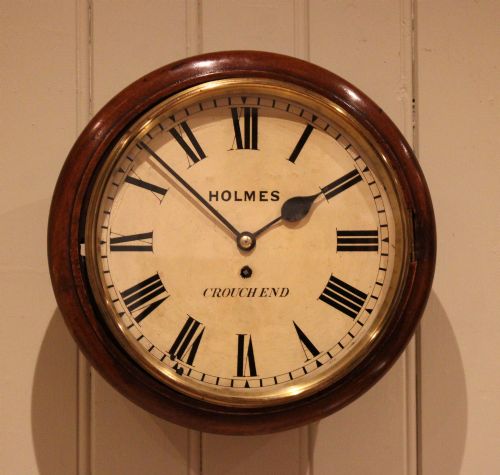
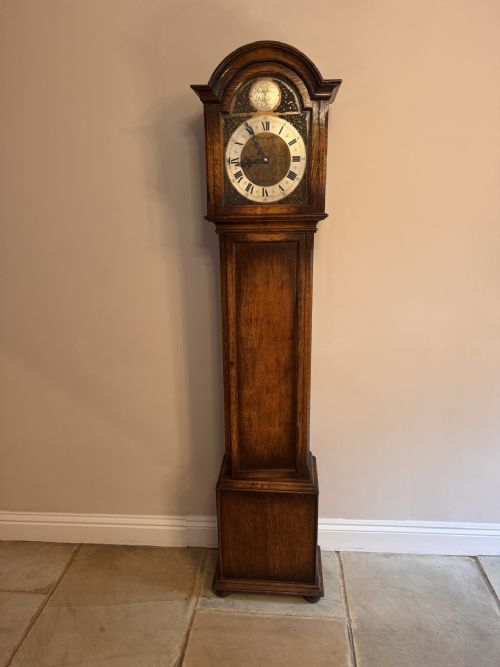
These cased pendulum clocks are substantial floor-standing and wall-hung timepieces enclosed in timber housings, desired for their steady mechanical beat and period cabinet work.
Cased Pendulum Clock
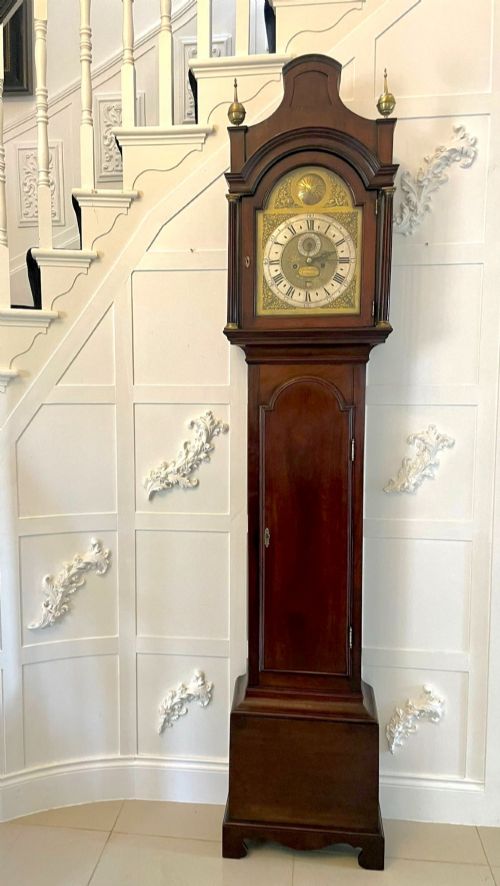
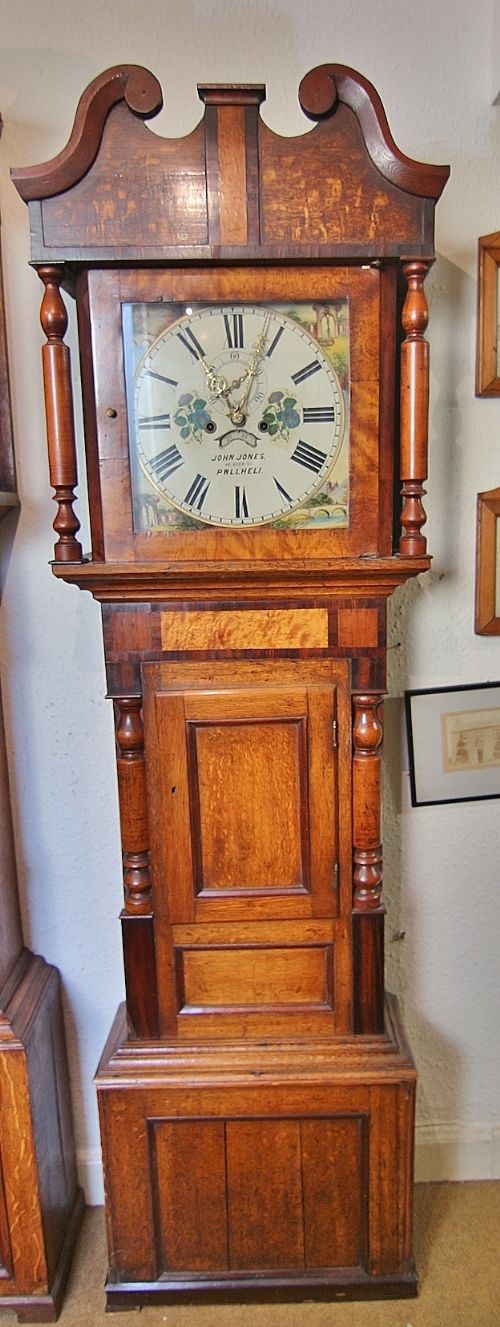
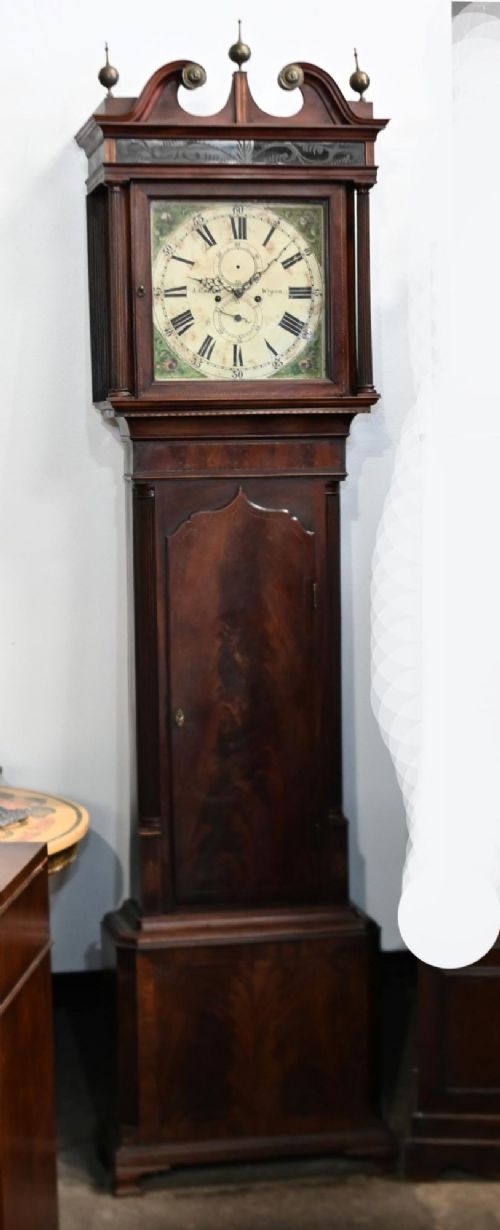
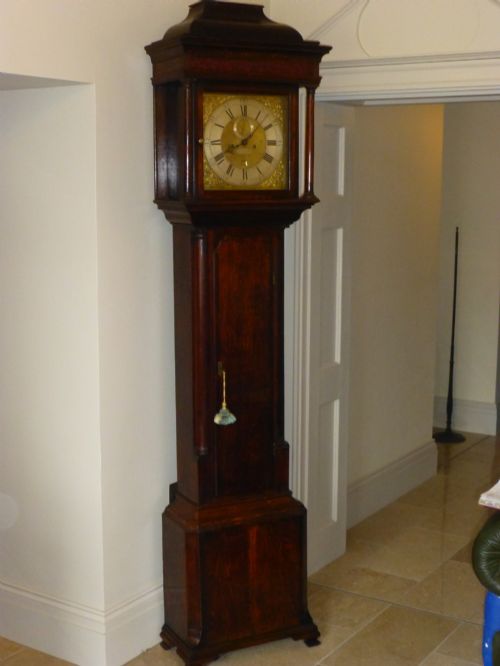
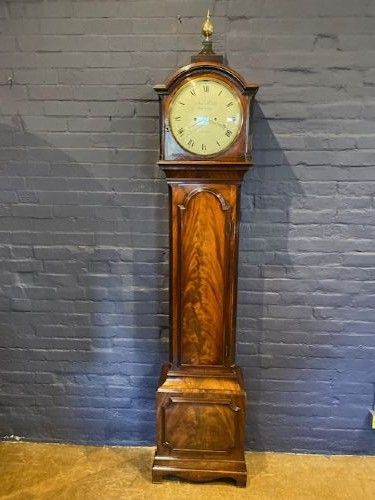
A cased pendulum clock typically takes the form of a longcase, grandfather, or grandmother clock, standing upright on the floor to house a swinging pendulum and driven weights. These tall examples span the Georgian, Victorian, and Edwardian eras, constructed from timbers such as mahogany, oak, and walnut.
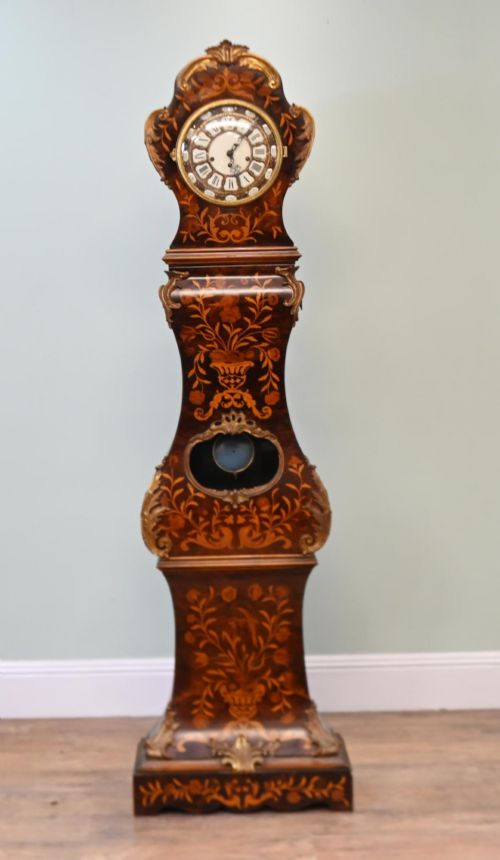
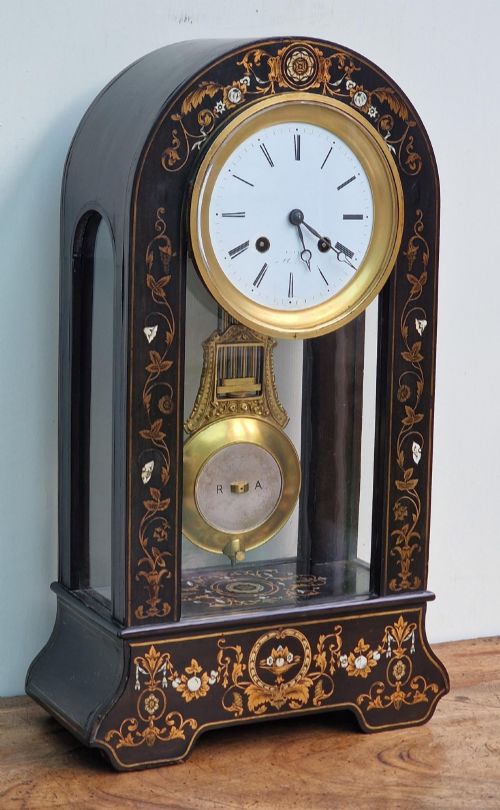
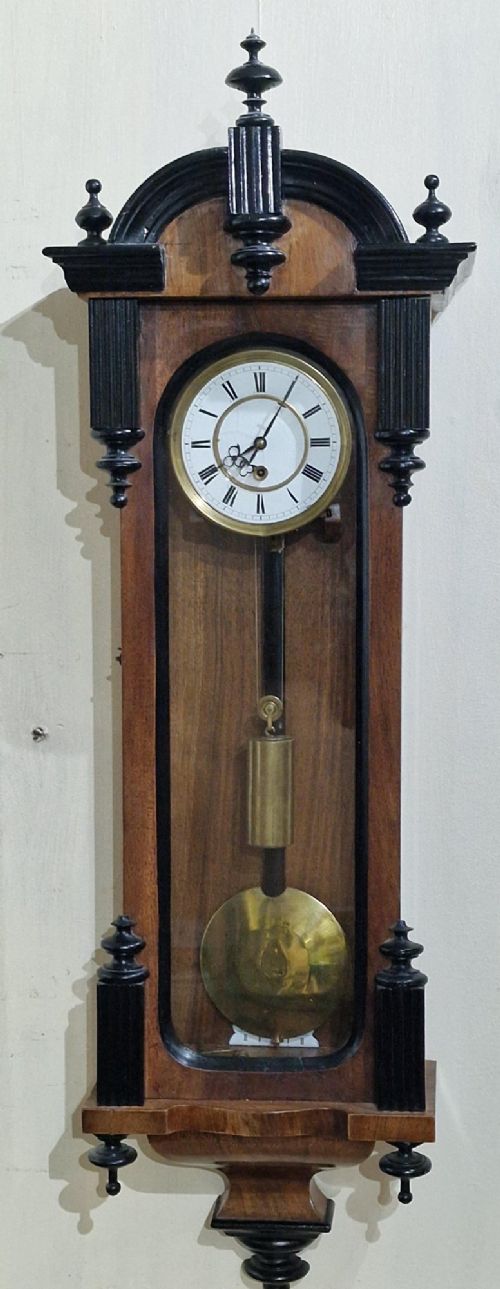
Shorter wall clocks and regulator clocks also appear, adopting Vienna styles or simpler domestic formats from the nineteenth and twentieth centuries. The longcase varieties dominate the selection, often featuring brass dials and hood enclosures designed to protect the movement.
Regional British makers and London clockmakers alike contributed to this tradition, producing everything from simple oak timepieces to complex musical and moon-phase mechanisms.
What separates examples
Quality rests in the precision of the clockmaker's movement and the fidelity of the cabinet work. Finer examples display crisp dial engraving, signed brass faceplates, and secondary complications like moon rollers or strike-silent mechanisms.
Timber selection and proportional balance dictate visual merit, where well-figured mahogany or burr walnut elevates a simple case into a composed architectural object.
Cased Pendulum Clock Retail Price Guide 2026
Typical asking prices for cased pendulum clock among the pieces listed under this phrase on Sellingantiques today, from the lower quarter to the upper quarter. They describe what is for sale here now, not the wider market.
Some tall clocks feature duck egg blue paint beneath their timber hoods, offering a flash of unexpected domestic colour.
John Taylor London·Edward White Birmingham·Charles Shuckburgh London·Gillett and Johnston of Croydon·D Straiton Montrose·Richard Corless of Stockport·James McCabe·Windmills and Wightman London·Rickards Wotton Under Edge·D Williams of Crickhowell·Priory of Dundee Scotland·Lenzkirch·George Hallifax Of Doncaster·Henry Weedon London·Mclennan London
The Cased Pendulum Clock Glossary
- Longcase clock
- A tall pendulum clock enclosed in a wooden case, commonly called a grandfather clock. These instruments utilise floor-standing wooden trunks to accommodate long pendulums and hanging weights.
- Regulator clock
- A precision timekeeper designed for high accuracy, often featuring a sweep second hand and a clean dial layout. These movements require careful adjustment and were used as timing standards.
- Grandmother clock
- A smaller version of the longcase clock, typically produced during the Edwardian and later periods. They occupy less floor space while retaining traditional weight-driven movements.
- Moon phase
- A dial mechanism tracking the lunar cycle through a rotating painted disc. This complication appears on better regional and London longcase clocks.
- Vienna style
- A regional aesthetic associated with accurate weight-driven wall regulators. These clocks prioritise clear visibility of the pendulum and weighted cords.
Cased Pendulum Clock: Frequently Asked Questions
How do eight day movements work?
An eight day movement relies on two heavy weights suspended by cords or chains, which descend slowly inside the wooden trunk over the course of a week to power the gear train.
Wind keys are inserted into winding holes on the dial face to pull the weights back up to the top once every week.
Where should a longcase clock go?
Longcase clocks need a stable, plumb vertical surface away from direct heat sources and heavy vibrations that might disrupt the delicate swing of the internal pendulum.
Securing the tall wooden case to a wall prevents accidental tipping while ensuring the escapement beats with an even, rhythmic tick.
What is a strike silent mechanism?
A strike-silent mechanism allows the owner to disengage the hourly gong or bell via a small lever on the dial face without stopping the timekeeping gears.
This addition was popular in domestic sleeping quarters where hourly strikes might prove disruptive during the night.
How do I date an oak longcase?
Dating an oak longcase involves examining the construction of the dial, the shape of the hood door, and the joinery methods used inside the trunk.
Early Georgian examples display square brass dials and simpler wood patination, while later Victorian versions incorporate different moulding profiles and painted surfaces.