




Cased Bird Mount
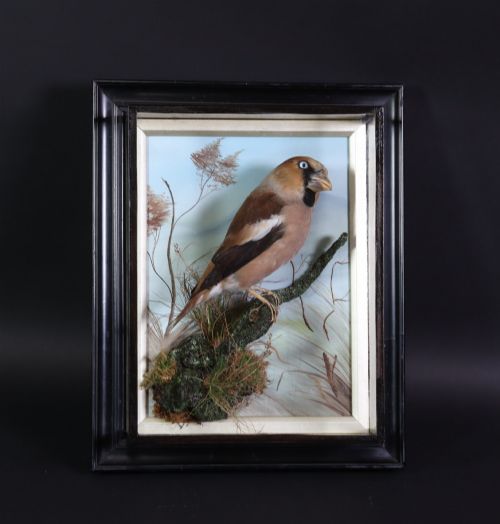
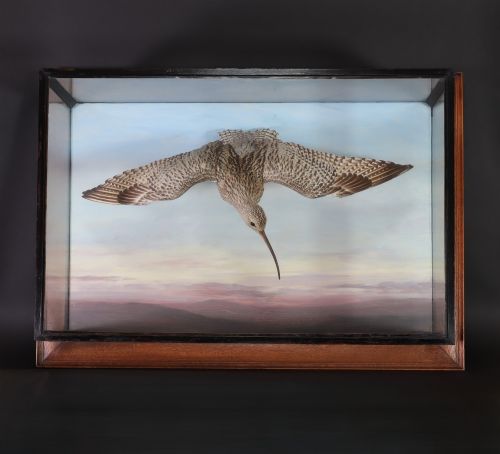
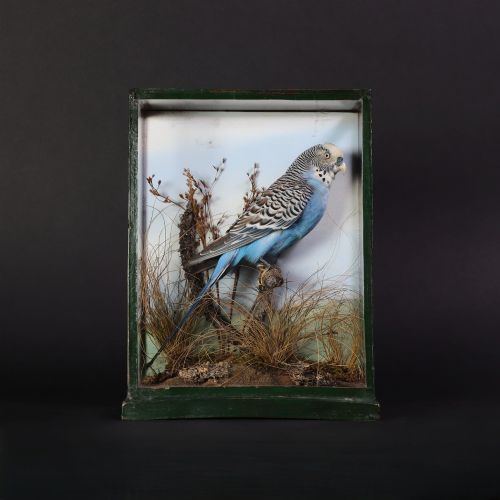
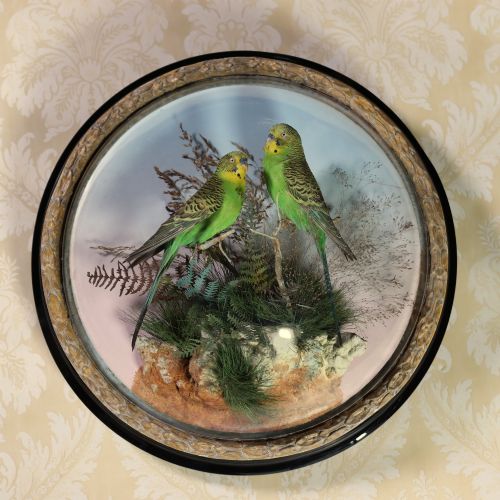
A cased bird mount captures Victorian natural history, presenting preserved specimens in glass and wood frames.
Cased Bird Mount
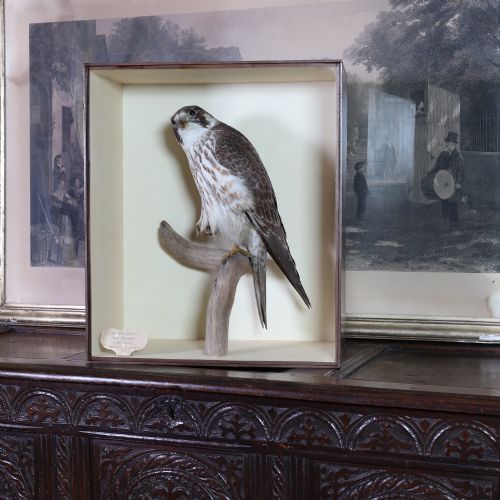
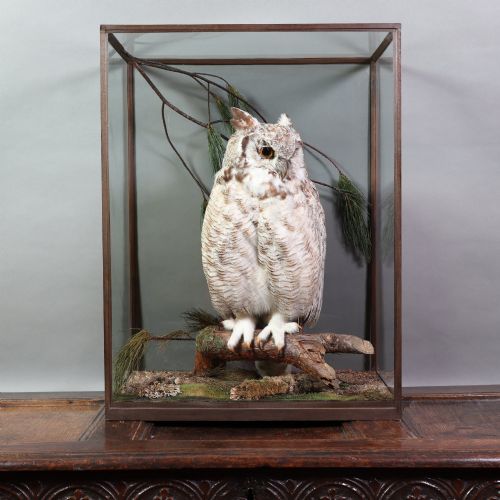
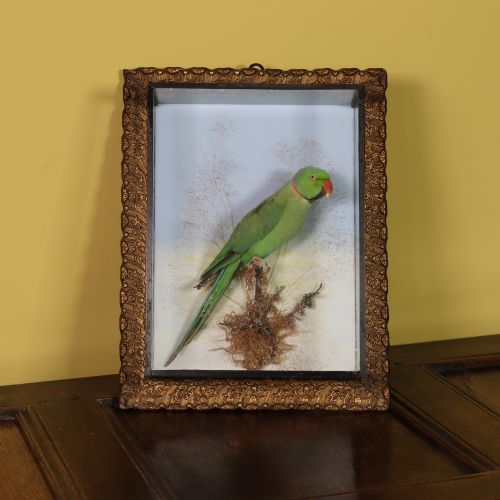
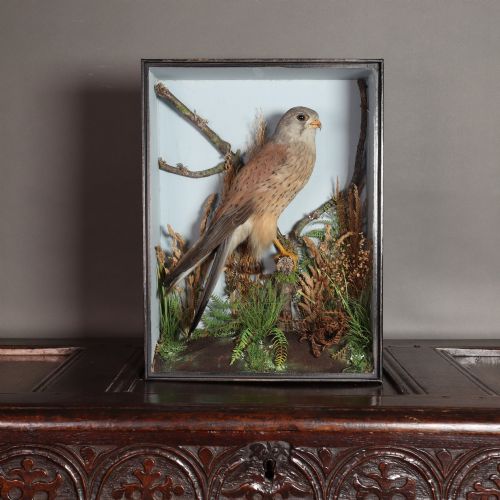
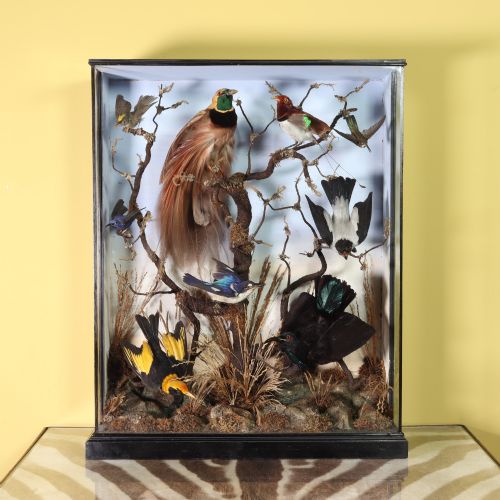
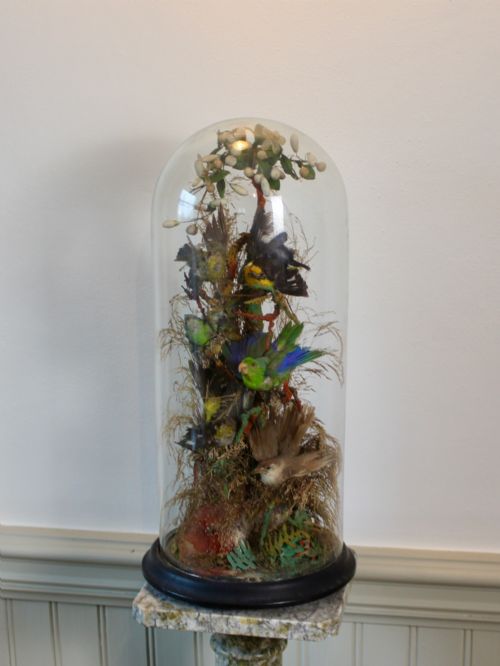
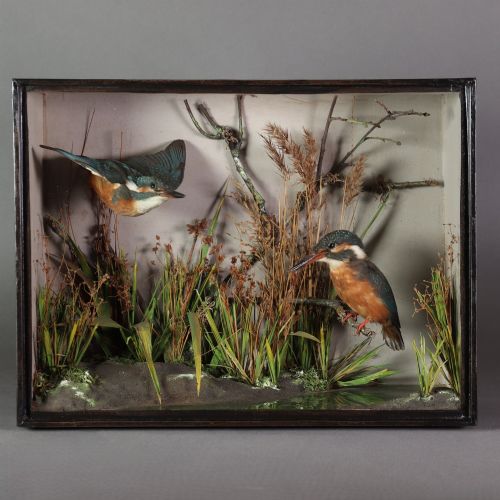
A cased bird mount brings natural history indoors, using taxidermy specimens arranged behind glass for study and display. These pieces capture birds of prey, songbirds, and exotic species within framed dioramas or glass domes.
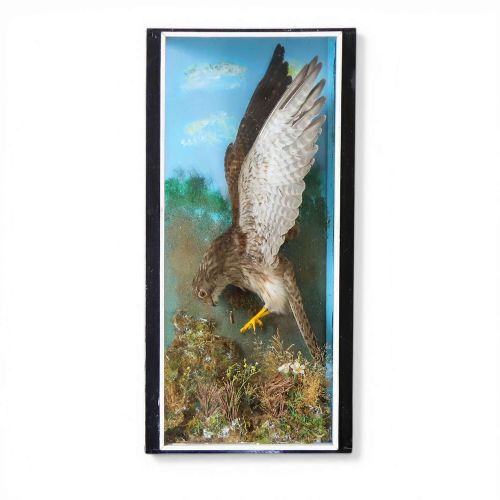
The pieces appearing on this page date from the nineteenth century through the early twentieth century, spanning the Victorian and Edwardian periods. Single subjects like kestrels or owls appear alongside complex compositions containing multiple birds from around the world.
Most examples utilise wooden cases or glazed fronts to protect the delicate feathers from dust and handling. Backgrounds often feature painted scenery, dried vegetation, moss, and paper elements that recreate natural habitats.
How they were made
Taxidermists preserved bird specimens using arsenical soaps and stuffing materials before mounting them onto wire armatures. These preserved specimens were then positioned within wooden boxes or glass domes.
Display cases incorporated painted backdrops and natural materials such as moss and dried vegetation to simulate outdoor environments. Glazed fronts secured the diorama while allowing clear visibility of the subjects inside.
Cased Bird Mount Retail Price Guide 2026
Typical asking prices for cased bird mount among the pieces listed under this phrase on Sellingantiques today, from the lower quarter to the upper quarter. They describe what is for sale here now, not the wider market.
Listings span from the 1870s to the 1920s, featuring glass, wood, feathers, moss, paper, and preserved specimens in Victorian and Edwardian styles.
What varies in quality
The skill of the taxidermist dictates the lifelike posture and anatomical accuracy of the bird specimen. Master practitioners achieved natural poses and expressions that lesser makers missed.
The construction and finish of the wooden case or glass dome contribute significantly to the piece. Hand-painted backdrops and intricate natural settings elevate the composition beyond simple display boxes.
Cullingford of Durham·J Griffiths of Burford·Rowland Ward Ltd·T E Gunn·William Bazeley and Sons·James Gardner·W F Homer London
The Cased Bird Mount Glossary
- Taxidermy
- The art of preparing, stuffing, and mounting the skins of animals for display. This practice became widely popular during the Victorian period for scientific study and home decoration.
- Diorama
- A three-dimensional scene depicting wildlife in a simulated natural environment. These settings often include painted backgrounds, moss, and branches behind glass.
- Preserved specimen
- An animal skin treated to prevent decay and mounted over an artificial form. Feathers and biological material require protection inside sealed cases.
- Curiosity cabinet
- A collection of natural history specimens and oddities displayed for wonder and instruction. Cased birds formed a staple component of these domestic displays.
Cased Bird Mount: Frequently Asked Questions
What is a cased bird mount?
A cased bird mount is a preserved taxidermy bird displayed inside a wooden frame or glass dome. These pieces protect delicate feathers while showing the animal in a natural pose.
Victorian and Edwardian natural history enthusiasts collected these items for domestic display and study. They range from single birds like owls to complex multi-species compositions.
How do I care for a cased bird?
Keep cased birds out of direct sunlight to prevent the fading of feathers and painted backdrops. Stable indoor temperatures protect the wood and glass housing.
Avoid opening sealed cases, as internal humidity and pests can damage the preserved specimen. Dust the exterior glass gently with a soft cloth.
Where were these mounts displayed?
Victorians placed these taxidermy displays in studies, libraries, and drawing rooms as part of curiosity cabinets. They served as conversation pieces and demonstrations of natural knowledge.
Today, collectors place them in similar interior settings to add texture and historical character to a room. Their enclosed nature makes them straightforward to integrate into modern homes.
How do I date a taxidermy case?
Dating relies on the construction style of the wooden case, the framing materials, and any maker labels attached to the back or interior. Victorian examples often feature dark woods and hand-painted backdrops.
Early twentieth-century pieces can show simpler framing and different mounting techniques. Signed works by known taxidermists offer the most precise chronological markers.