


Carved Wooden Troughs
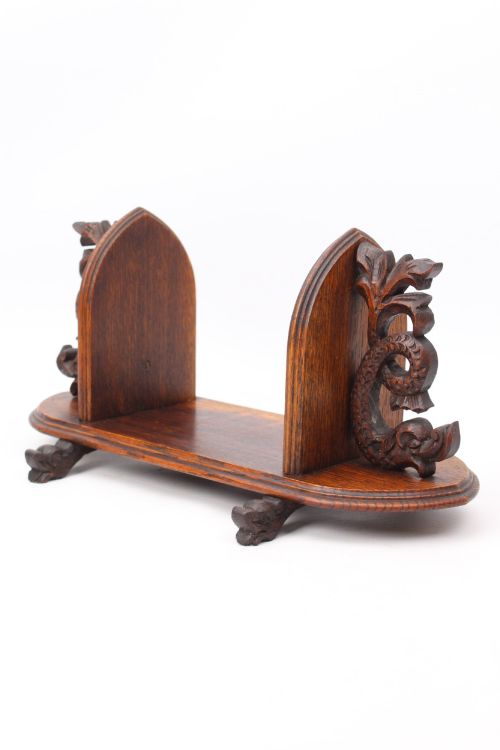
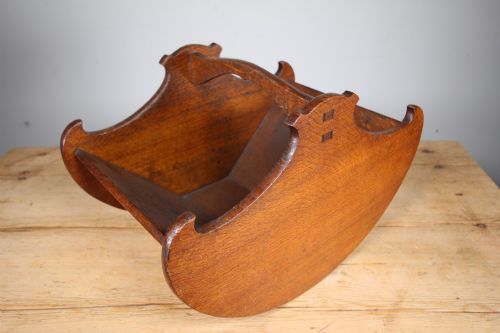
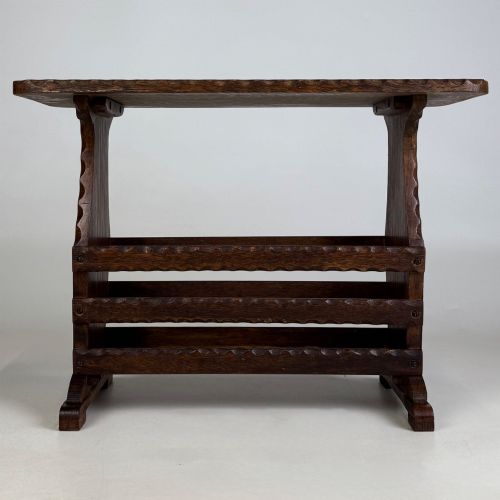
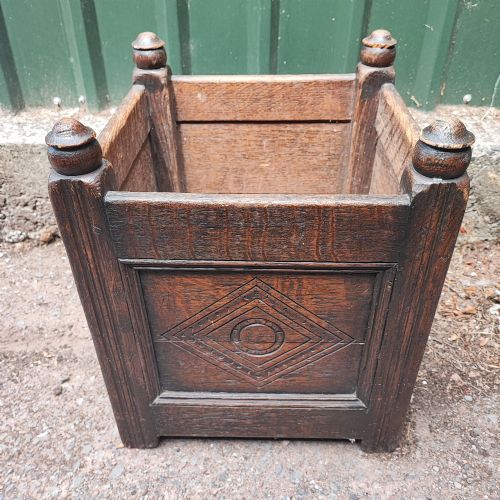
These carved wooden troughs bring domestic utility and rustic warmth into a room, offering practical storage for books, logs, and plants.
Carved Wooden Troughs
When searching for carved wooden troughs, collectors encounter a diverse group of utilitarian items that have transitioned from functional agrarian or library tools into decorative home accessories. The pieces on this page span several centuries, including Georgian, Victorian, and Edwardian periods, reflecting changing domestic habits across generations.
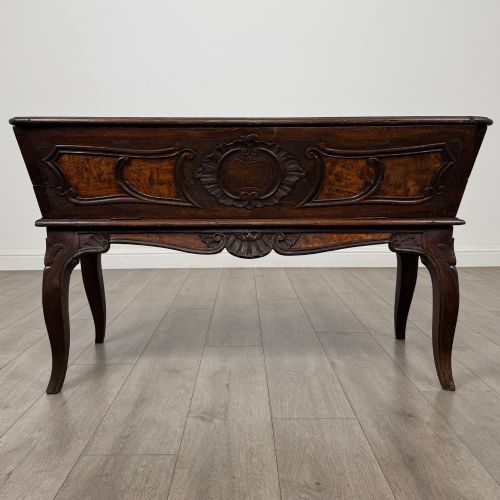
The most frequent forms met here are extending book slides, book stands, and desktop troughs, alongside larger domestic vessels such as dough bins, kneading bowls, log boxes, and planters. These objects serve varied purposes, from holding household volumes to displaying plants or containing fuel by the hearth.
Geographic origins and stylistic influences are broad, encompassing English country workshop traditions alongside continental European pieces, Anglo-Indian carvings, and items from the wider British Empire. Oak and mahogany appear alongside walnut, elm, sycamore, and teak, showing how makers utilised whatever regional timber was available to hand.
Materials and Construction Techniques
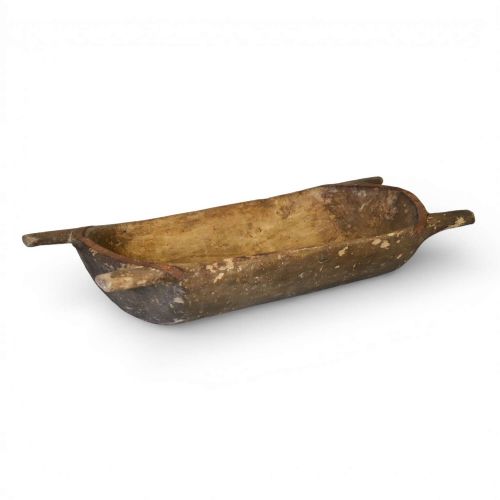
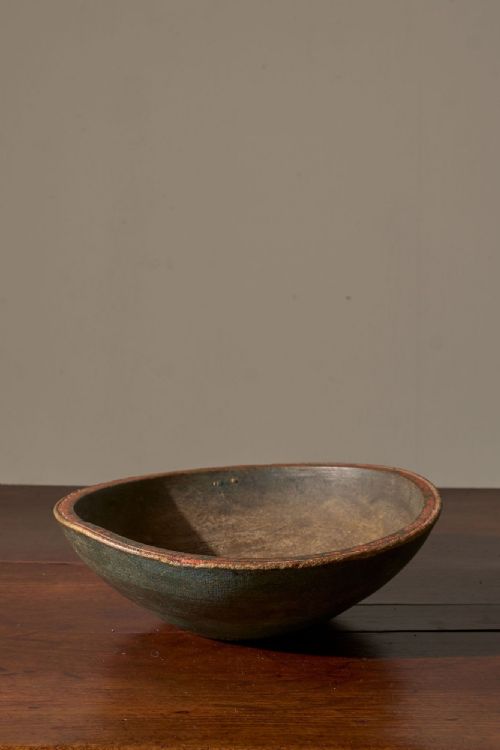
Makers shaped these items primarily from solid hardwoods like oak, mahogany, walnut, and teak, often employing a dug-out technique for bowls and troughs to hollow out a single block of timber. Joinery methods varied according to the object's function, ranging from simple dovetailed joints on storage boxes to complex extending mechanisms fitted to library book slides.
Surface finishing played a vital role in protecting and enhancing the timber, utilising hand-applied polishes, ebonisation, or paint layers that developed rich patinas over decades of handling. Decorative elements frequently involved hand-carved detailing, brass mounts, or inlaid accents aligned with prevailing styles such as Gothic Revival, Arts and Crafts, and Art Nouveau.
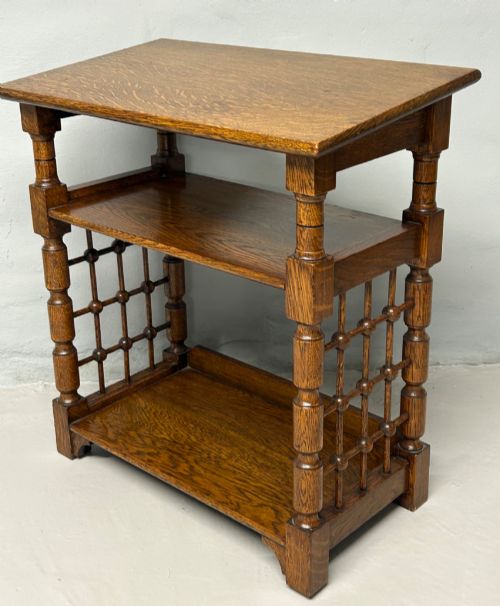
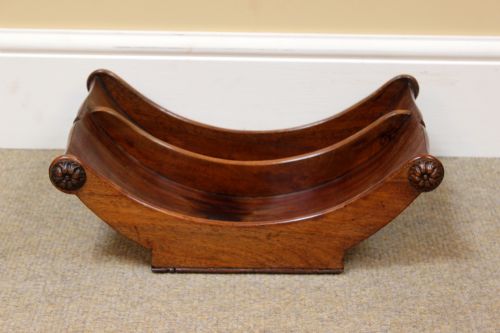
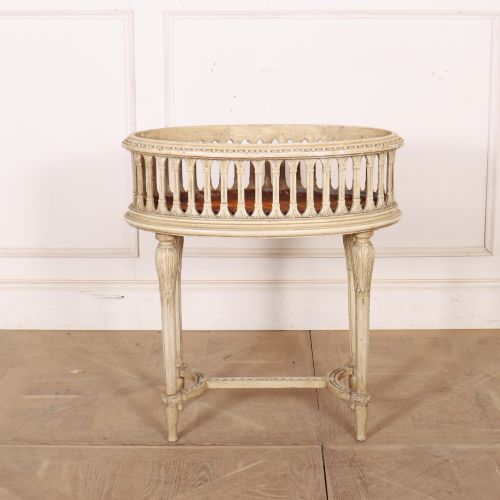
Object forms range from library book slides and desk stands to farmhouse dough bins, cheese coasters, and plant planters.
Assessing Quality and Character
The distinction between ordinary and superior pieces rests largely on the quality of the timber selection and the crispness of the hand-carving. Master craftsmen utilised well-seasoned woods with striking grain patterns, ensuring that functional items like cheese coasters or book carriers possessed structural integrity alongside aesthetic appeal.
Proportion and originality determine desirability, particularly in extending mechanisms and fitted hardware such as brass handles or hinges. Pieces that retain their original surface finishes and patinas without excessive restoration command greater appreciation among collectors of antique wooden items.
Arthur Simpson·Gillows of Lancaster
The Carved Wooden Troughs Glossary
- Book slide
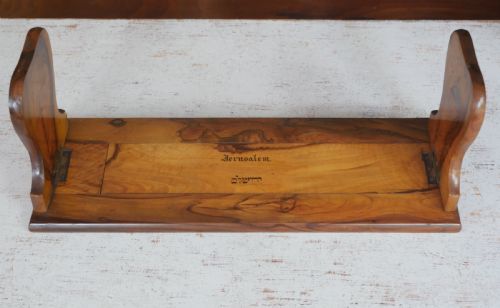
- A desktop rack featuring two fixed ends and an expanding centre section designed to hold a varying number of volumes upright. These were popular library accessories during the Victorian period.
- Cheese coaster
- A small, boat-shaped wooden tray, often fitted with small rollers or wheels, used to glide cheese across a dining table. Georgian examples in mahogany are particularly traditional.
- Dough bin
- A deep wooden container with a lid used for proving bread dough in domestic kitchens and farmhouses. They frequently double as side tables or cupboards.
- Jardiniere
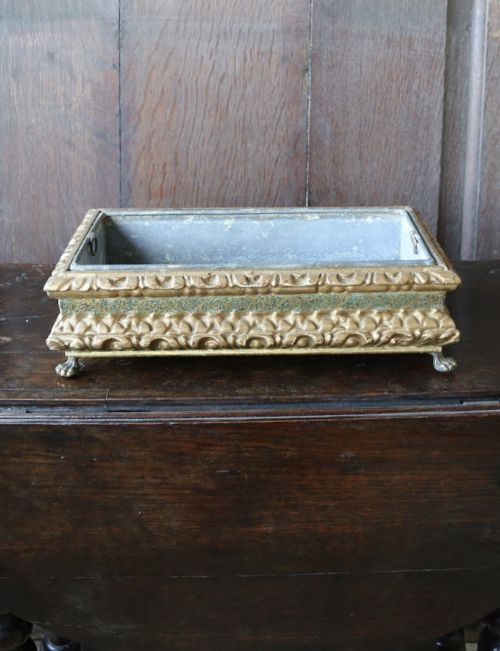
- An ornamental pot or stand designed to hold a plant or floral arrangement. In wood, these often feature waterproof liners or brass inserts.
- Patina
- The surface sheen and colour acquired by timber over years of handling, polishing, and natural oxidation. A rich patina indicates age and regular use.
Carved Wooden Troughs: Frequently Asked Questions
What were wooden troughs originally used for?
Many of these items served practical agrarian or domestic functions, such as kneading bread dough, holding kitchen ingredients, or storing fireplace logs. Others were designed specifically for the Victorian study or library to organise books and periodicals.
Over time, utility items like wine coolers, cheese coasters, and plant planters found new roles as decorative interior accessories. Their sturdy construction and natural materials made them adaptable to changing household needs across the centuries.
How do I care for antique wooden troughs?
Keep wooden pieces away from direct heat sources and strong sunlight, which can dry out the timber and cause splitting. Regular dusting with a soft, dry cloth is usually sufficient for maintenance.
Occasional application of appropriate beeswax helps nourish the wood and preserve its historic finish. Avoid using modern aerosol polishes that can build up a synthetic residue over time.
How can I tell the period of a wooden trough?
Dating relies on examining the timber species, tool marks, construction methods, and stylistic details. For instance, Georgian pieces often utilise solid mahogany with understated elegance, while Victorian and Edwardian items might display Gothic Revival or Arts and Crafts carving.
Hardware such as brass hinges, screws, and maker labels also provide reliable clues to a piece's age. Comparing the joinery techniques to known examples helps confirm the era of manufacture.
Where should I place a carved trough in my home?
Book troughs and extending slides sit well on desks, side tables, or bookshelves to display favourite reading material. Larger items like log boxes and dough bins function effectively as standalone floor storage or decorative side tables in living spaces.
Planters and jardiniere troughs look striking filled with indoor greenery or dried botanicals. Their natural wood tones complement both traditional interiors and more contemporary rooms.